Zucchini Noodles with Tomato
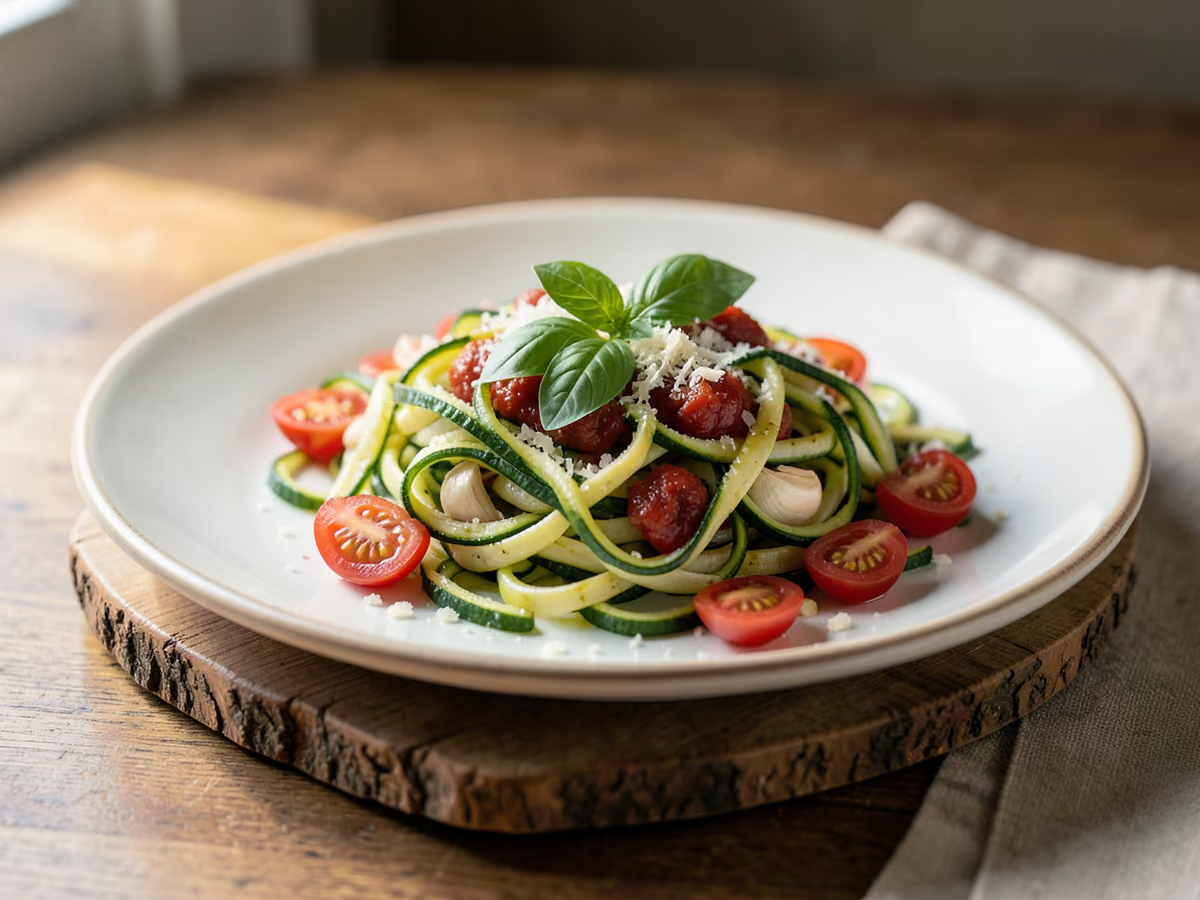
Zucchini noodles with tomato is a light Italian-style dinner built from three medium zucchini, warmed just long enough to coat in a garlicky cherry-tomato pan sauce with basil. The step that matters most is salting and draining the strands first, which pulls out the water that would otherwise thin the sauce, and the toss at the end stays brief so they keep a bite rather than collapsing. Ten minutes of prep, ten minutes at the stove, dinner for two.
- Prep
- 10 min
- Cook
- 10 min
- Total
- 20 min
- Serves
- 2
Ingredients
What you’ll need — tap to tick off as you go
- 2 tbsp
- 3 cloves
- 300 g
- 1 tbsp
- ½ tsp
- ¼ tsp
- ¼ tsp
- 10 g
- 30 g
Process
Timers built in · swap anything · ask as you cook
Trim the ends from the 3 medium zucchini, about 600 g total, and spiralize them into noodles; a julienne peeler, a mandoline with the julienne blade, or a sharp knife cut into thin strips all work. Snip any very long strands into manageable lengths with kitchen scissors so they toss evenly and twirl onto a fork.
Toss the noodles with 0.5 tsp of the salt in a colander and leave them to drain for 10 minutes. Wrap them in a clean kitchen towel or a double layer of paper towels and squeeze gently but firmly; the drier the strands are now, the less water ends up thinning your sauce.
While the zucchini drains, warm 1 tbsp of the olive oil in a wide skillet over medium heat, add the 3 thinly sliced garlic cloves, and cook for about 30 seconds, until fragrant and barely colored. Garlic this thin goes from sweet to scorched quickly, so keep it moving and never let it brown.
Add the 300 g halved cherry tomatoes and the 1 tbsp tomato paste and cook for 3–4 minutes, stirring occasionally, until the tomatoes soften and release their juices. Press about half of them against the pan with the back of a spoon so the paste melts into the juices and thickens them into a loose sauce.
Season the sauce with the 0.25 tsp black pepper and the red pepper flakes, if using, then taste and add a pinch of the remaining salt if the tomatoes need it. Seasoning now, rather than over the noodles at the end, keeps the sauce balanced and the strands from breaking apart under extra stirring.
Raise the heat to medium-high, add the drained noodles and the remaining 1 tbsp olive oil, and toss gently with tongs for 1–2 minutes, just until the strands are hot through and coated in sauce. Pull them while they still have a slight bite; past this point they turn translucent and limp.
Take the pan off the heat, fold in the 10 g torn basil leaves, and taste once more for salt. Basil loses its perfume over direct heat, so add it off the burner and let the residual warmth soften the leaves for a moment before serving.
Divide the noodles between two warm bowls and finish with the finely grated Parmesan, if using, and a last crack of black pepper. These strands hold their best texture for the first few minutes, so bring them straight to the table.
Why this recipe works
Zucchini holds a lot of water inside rigid cells, and heat only makes it give that water up. Salting the strands draws moisture to the surface through osmosis, and the squeeze that follows leaves them dry enough to warm through instead of steaming; that is the difference between a sauce that clings and a pan of pink water. Frying the tomato paste with the tomatoes deepens its concentrated sugars, and halving the cherry tomatoes lets them collapse quickly. Tossing the noodles for only a minute or two over medium-high heat softens them without breaking them down, and adding basil off the heat keeps its perfume.
Equipment
- Spiralizer, julienne peeler, or mandoline with a julienne blade
- Colander and a clean kitchen towel or paper towels
- Wide 30 cm skillet or large saute pan
- Tongs
- Chef's knife and cutting board
- Kitchen scissors for trimming long strands
- Measuring spoons and a fine grater
Kitchen notes
Kitchen notes
- Choose firm medium zucchini and leave the overgrown ones alone: big squash are seedy and carry more water, so their strands collapse before they can warm through.
- Leave the skin on. It provides most of the strand's structure and nearly all of its color; a peeled zucchini turns into soft ribbons in the pan.
- Squeeze the noodles twice, once after draining and again just before they go into the pan; the second squeeze catches water that has risen back to the surface.
- Warm the serving bowls while the sauce cooks. Zucchini noodles cool quickly, and a hot bowl keeps the dish steaming from the first forkful to the last.
- Grate the Parmesan very finely so it melts into the sauce instead of clumping; the smallest holes of a box grater or a fine grater do the job.
Common mistakes
- Watery sauce pooling around the noodles: the strands skipped the salt-and-drain step or were squeezed too gently. Toss them with the 0.5 tsp salt, wait the full 10 minutes, then wring them dry in a towel before they meet the pan.
- Mushy, translucent noodles: they stayed in the pan past the 1-2 minute window, or the pan was too crowded to stay hot. Use the widest skillet you have, keep the heat at medium-high, and pull the noodles while they still resist a little.
- Bitter, darkened garlic: paper-thin slices burn fast once the oil is too hot. Add them over medium heat, keep them moving, and move on the moment they smell sweet rather than sharp.
- Thin, raw-tasting sauce: the paste was stirred in and left alone, or the tomatoes never collapsed. Give the paste a full 3-4 minutes with the tomatoes and press about half of them against the pan.
- Over-salted bowls: the noodles are salted before draining, the sauce gets its own salt, and Parmesan brings more. Season the sauce lightly, taste after the cheese goes on, and only then add salt.
Serving suggestions
- Serve straight away as a light dinner for two; this dish is at its best within a few minutes of leaving the pan.
- Top with grilled chicken, seared shrimp, or a spoonful of white beans or chickpeas to make it a heartier main, and ease off the salt in the sauce to compensate.
- A crisp green salad and a slice of crusty bread round out the meal; the bread is for mopping up the last of the tomato juices.
- Keep the drinks light and cold: sparkling water with lemon or iced tea.
Variations
- Protein main-course version: top or fold in grilled chicken breast, seared shrimp, canned chickpeas, or white beans, warmed through in the sauce, and reduce the added salt slightly to compensate.
- No-cook summer version: keep the drained strands raw, spoon the warm sauce over them at the table, and let the residual heat soften them just slightly; the crunch stays and the dish eats like a warm salad.
- Mixed-squash version: spiralize one yellow squash with two zucchini for a slightly sweeter, softer bowl, and shave about 30 seconds off the toss.
- Sicilian-style finish: scatter a small handful of toasted pine nuts over the bowls for crunch and a slightly richer profile.
Refrigerator
- RefrigeratorCool the leftovers within 2 hours, then store them in an airtight container in the refrigerator for up to 2 days. The zucchini will release water as it sits, so drain off any liquid that collects before serving the second day.
- ReheatingReheat gently in a skillet over medium heat for 2-3 minutes, just until hot, or enjoy it cold as a salad. For food safety, leftovers should be reheated until steaming hot throughout, which USDA guidance puts at 74°C.
- FreezingNot recommended. Freezing breaks down the zucchini's cell walls, and the strands thaw into a watery, mushy pile that no amount of draining fixes.
- Make aheadPrep the noodles and cook the sauce up to 1 day ahead and refrigerate them in separate airtight containers; squeeze the noodles again and reheat the sauce before tossing the two together.
Updated:
How this recipe was developed
- Food Network Kitchen, How to Cook Zucchini Noodles (spiralizer-free cutting with a mandoline or julienne peeler; raw zucchini noodles keep up to 5 days refrigerated)
- USDA FSIS, Leftovers and Food Safety (refrigerate cooked food within 2 hours; leftovers keep 3 to 4 days refrigerated; reheat to 74°C)
- MasterClass, Zucchini Noodles with Garlic and Parmesan (three medium zucchini; salt the strands and squeeze out the water before cooking; about 2 minutes in the pan, until just tender)
- Serious Eats, Shauna James Ahern's Zucchini Noodles with Spinach Pesto, Feta, and Sunflower Seeds (peeler-cut zucchini ribbons; the noodles release water once dressed, so serve right away or drain off the liquid)
Editorial references are kept internally for verification. This page makes no claim of external certification or professional testing.
FAQ
The questions we get asked most
Why are my zucchini noodles watery?
Zucchini is mostly water, and heat drives that water out of the strands and into the pan. The fix is to draw the moisture out before cooking: toss the noodles with the 0.5 tsp salt, let them drain in a colander for the full 10 minutes, then squeeze them in a towel. Cook them briefly in a wide, hot pan, and do not salt them again while they cook, because that starts the release all over again.
Do I need to salt the zucchini noodles before cooking?
For this dish, yes. The salt pulls water out through the cell walls so the squeeze can remove it, and most of it leaves with the water, so the noodles end up seasoned, not salty. Skipping this step is the most common reason the tomato sauce turns out thin. In a rush, pat the strands very dry instead, but expect a wetter pan.
How do I know when the zucchini noodles are done?
They are done after 1-2 minutes over medium-high heat, when the strands are glossy, pliable, and still have a slight bite at the center. Unlike pasta, zucchini never turns truly al dente, and the line between raw and overcooked is narrow: once the strands look translucent and limp, they have gone too far. Pull them early, because they keep softening off the heat.
Can I make this recipe ahead of time?
Partly. Spiralize the zucchini and cook the tomato sauce up to 1 day ahead, then refrigerate them in separate airtight containers. The noodles will shed a little water overnight, so squeeze them gently again and reheat the sauce before tossing everything together. The finished dish is best eaten right away.
Can I use frozen zucchini noodles?
Not recommended. Freezing breaks down the cell walls, and the strands thaw into a watery, mushy pile that draining cannot rescue. If frozen noodles are all you have, do not thaw them: cook them straight from frozen for 1 minute in a hot pan, drain the liquid, and fold them into the sauce, accepting a softer texture.
Can I make zucchini noodles without a spiralizer?
Yes. A julienne peeler gives thin strips in one stroke, a mandoline with a julienne blade cuts uniform strands, and a sharp knife can slice thin planks that you stack and cut into strips. A box grater works in a pinch, though it makes short, soft pieces rather than long noodles. Whichever tool you use, aim for strands about as thick as a chopstick.
Is this dish gluten-free and vegetarian?
Yes. Zucchini, tomatoes, olive oil, garlic, and basil are naturally gluten-free and vegetarian, and nothing in the method changes that. The 30 g Parmesan is optional: it adds dairy, so leave it out or use nutritional yeast for a dairy-free bowl, and choose a cheese made with vegetarian rennet if that matters to you.
Ask KitchenMind about this recipe
Tell it what’s different tonight — it works within the actual recipe.