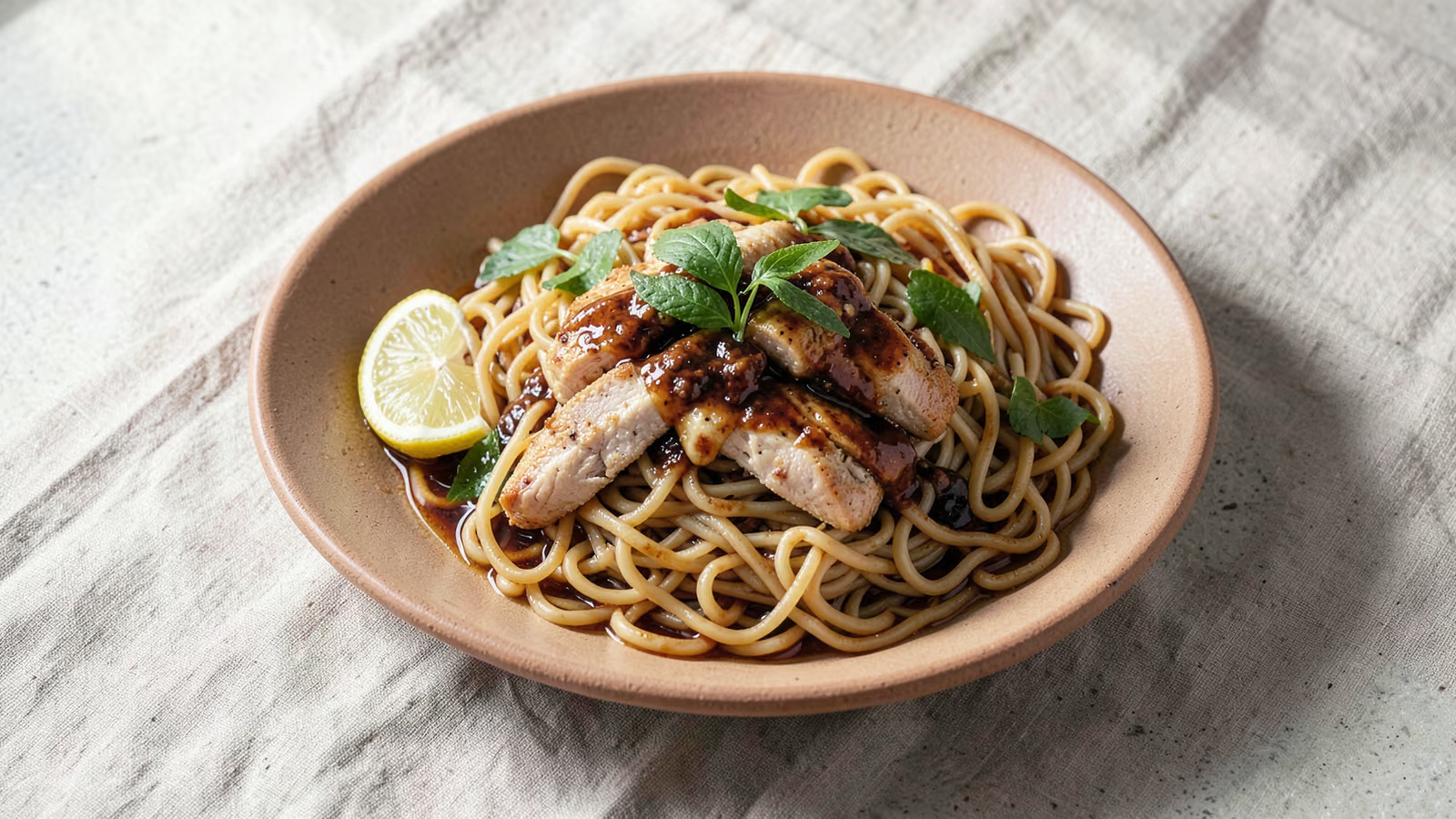
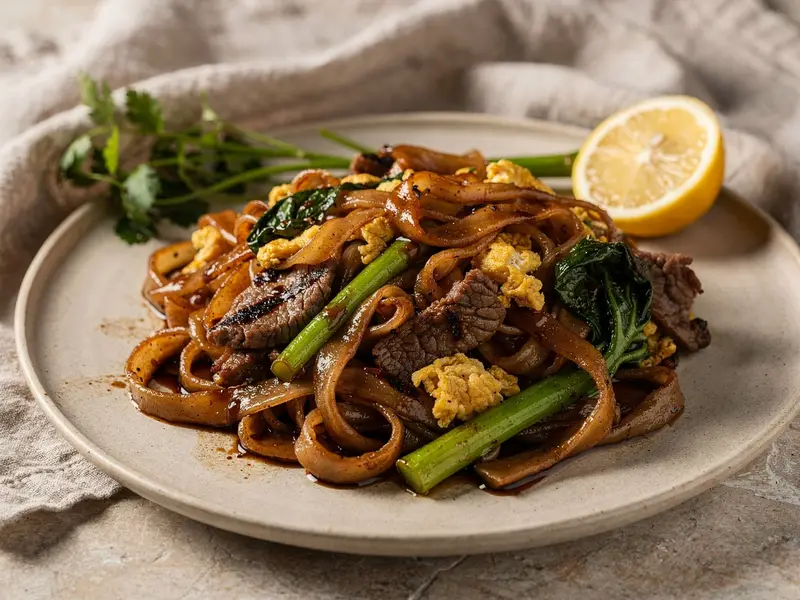
Pad See Ew Noodles
Pad see ew is Thailand's everyday fried-noodle plate: wide rice noodles, chicken, egg and Chinese broccoli tossed in a measured soy sauce until the noodle edges catch and char. The name means stir-fried soy sauce, and the dish rewards three things — noodles soaked to pliable but still firm, a sauce weighed in spoons rather than eyeballed, and a pan hot enough to toast the noodles instead of steaming them. Two portions take about 15 minutes of prep and 15 minutes of cooking.
- Prep
- 15 min
- Cook
- 15 min
- Total
- 50 min
- Additional time
- 20 min
- Serves
- 2
Ingredients
What you’ll need — tap to tick off as you go
- 200 g
- 200 g
- 150 g
- 2 cloves
- 2 tbsp
- 1 tbsp
- 1 tbsp
- 1 tsp
- 2 tbsp
- 1 pinch
Process
Timers built in · swap anything · ask as you cook
Soak the 200 g wide rice noodles in warm water for 20 minutes, until they bend easily but keep a firm centre and no longer snap. Drain thoroughly and shake the colander dry. Wet noodles steam in the pan instead of charring, and that is the most common reason the dish turns out gluey.
Stir the 2 tbsp dark soy sauce, 1 tbsp oyster sauce, 1 tbsp light soy sauce and 1 tsp granulated sugar in a small bowl until the sugar dissolves. Measure rather than estimate: the noodles absorb every drop, so this ratio is the entire seasoning of the dish.
Heat 1 tbsp vegetable oil in a wok over high heat until it shimmers and a drop of water flicked in sizzles hard. Add the 200 g sliced chicken thighs in a single layer and stir-fry for 2 to 3 minutes, until just cooked through and lightly browned at the edges, then lift out to a plate.
Add the remaining 1 tbsp oil to the wok, then the 2 chopped garlic cloves and the Chinese broccoli stems. Stir-fry for 1 minute, until the garlic is fragrant but barely coloured, then add the leaves and toss for 30 seconds more, just until they wilt.
Push the vegetables to one side of the wok. Crack the 2 eggs into the empty space and scramble them quickly for about 30 seconds, just until barely set, then fold the eggs through the vegetables.
Add the drained noodles and the cooked chicken, pour the sauce mixture evenly over everything, and toss gently but continuously for 1 minute, lifting the strands rather than stirring hard, until every noodle takes on an even dark coat.
Then stop tossing and let the noodles sit against the hot pan for 15 to 30 seconds at a time before flipping, repeating for 1 to 2 minutes, until they are tender and lightly charred in spots. Letting them sit still is what builds the smoky, toasty edges; constant stirring keeps them pale and damp.
Sprinkle with the pinch of white pepper, if using, and serve immediately on warm plates. The noodles keep softening from the moment they leave the wok, so the first five minutes are the best ones.
Why this recipe works
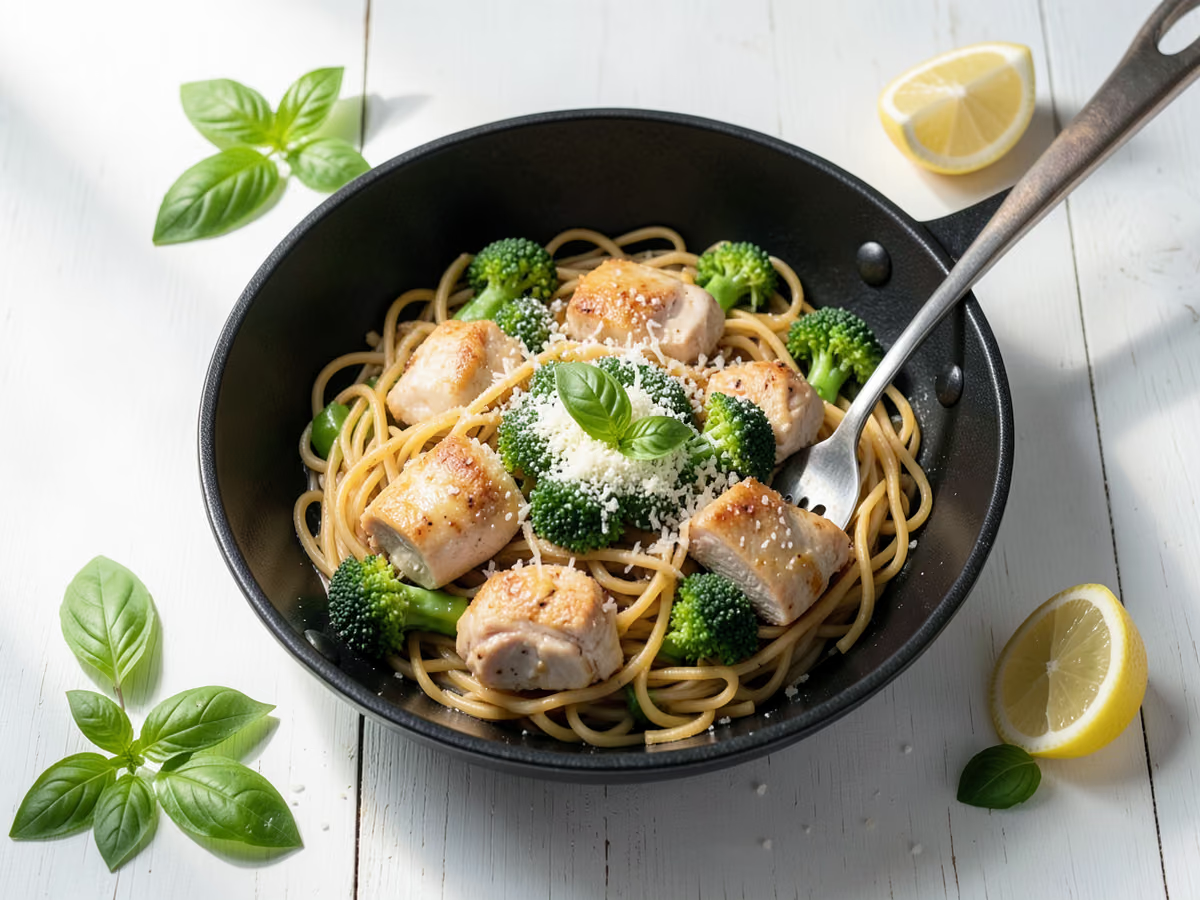
The rice noodles soak up every drop of sauce they are given, so the ratio of dark soy, light soy, oyster sauce and sugar is the entire seasoning of the dish — measured, not estimated. The 20-minute warm soak is deliberately stopped short: the noodles go into the wok flexible but still firm, and they finish in seconds against a very hot surface, where their surface starch caramelises and picks up toasty flavour. Two habits protect them from turning into paste: draining them thoroughly, and folding them gently. The sticky starch that makes the strands cling to each other will clump them into one block under rough stirring.
Equipment
- Wok or wide heavy skillet that holds high heat (well-seasoned carbon steel or cast iron)
- Wide wooden or silicone spatula (thin metal edges cut the soft noodles)
- Colander
- Small bowl for the sauce
- Plate or tray for the seared chicken
- Knife and board for slicing the broccoli
- Measuring spoons (the sauce ratio decides the dish)
Kitchen notes
Kitchen notes
- Prep everything before the wok goes on: this dish has about five minutes of cooking once heat is applied, and burnt garlic or a missing sauce bowl has no recovery window.
- Cook one portion at a time if you scale up — street vendors work exactly this way. Two full portions in a home wok trap steam under the noodles and trade char for soggy.
- Toss the drained noodles with a teaspoon of the vegetable oil before they hit the wok; the coat stops the strands clinging to each other and to the pan.
- Keep dark and light soy in their lanes: dark soy is for the coat of colour, light soy for salt. If the dish tastes flat rather than salty, it usually wants a splash more light soy, not more dark.
- If the noodles feel dry while you are tossing, add water a tablespoon at a time rather than more sauce. Extra sauce pushes the dish salty and wet; dryness is fixed with moisture, not seasoning.
Common mistakes
- Mushy, gluey noodles: they were soaked past pliable, left wet, or the wok was crowded so they steamed instead of seared. Soak only until they bend without snapping, shake the colander properly, and if your pan is not much wider than the noodles, cook the two portions one after the other.
- Broken strands: sticky rice noodles snap under fast, hard stirring or the edge of a thin metal turner. Lift and fold them from the base of the wok, use a wide wooden or silicone spatula, and accept a few short noodles — even street plates are not made of perfect ribbons.
- Pale, flavourless noodles: low heat, wet noodles, or a sauce that was estimated rather than measured. The wok must be properly hot before the oil goes in, the noodles dry, and the spoons exact — they absorb all the sauce you give them, so the ratio is the seasoning.
- Bitter garlic: it caught in oil that was past its point or in a pan that had not heated through. Add the garlic to shimmering oil and move it off the heat of the moment as soon as it smells sweet and turns straw-pale — the broccoli goes in right then, before it colours further.
- Noodles stuck to the pan: an unseasoned or stainless surface, or too little oil. A well-seasoned carbon-steel wok or a cast-iron skillet holds the heat without grabbing the starch; heat it until a flicked drop of water sizzles hard before any oil or food goes in.
Serving suggestions
- Serve immediately as a one-plate meal, fork and spoon, Thai-style — the noodles keep softening from the moment they leave the wok.
- Set out ground white pepper, dried chilli flakes and chili vinegar (prik nam som) at the table; a drizzle of the sour vinegar balances the sweet-salty sauce the way Thai tables do.
- A few lime wedges or sliced cucumber add a cooling edge against the char.
- Keep the plates warm; these noodles taste flat once they cool.
Variations
- Beef version: street stalls across Thailand often make pad see ew with sliced beef in place of the chicken — the same 200 g, the same heat, the same timing.
- Noodle variations: the same sauce is made in Thailand with thin rice vermicelli (sen mee) or, in the south, egg noodles; both cook fast, and vermicelli grabs sauce quicker, so keep it moving.
- Vegetarian: firm tofu instead of the chicken, pan-fried golden before it goes back in, plus vegetarian oyster sauce; the sauce still carries the same sweet-salty profile.
Refrigerator
- RefrigeratorCool and refrigerate in an airtight container within 2 hours; safe for up to 3 days, but the texture slips fast — after a day the noodles have absorbed moisture from the vegetables and turn soft and sticky, so leftovers are best eaten quickly.
- ReheatingA hot wok or skillet over medium-high heat with a splash of water, 1 to 2 minutes, tossing gently, brings back the most texture; or microwave loosely covered in short bursts until piping hot, without stirring until the noodles have softened, since cold rice noodles are brittle. Reheat to 74°C throughout.
- FreezingFreezing is the better keeper here: portion into single-serving containers and freeze for up to 1 month. The noodles keep far more of their chew than they do in the fridge, though the broccoli will lose its crunch. Reheat from frozen, loosely covered, in the microwave until piping hot — do not try to divide the portions while frozen.
- Make aheadPrep up to 1 day ahead: slice the chicken, chop the broccoli, and mix the sauce, storing each separately in the fridge. Soak the noodles just before cooking — soaked noodles left standing clump and soften — then cook the dish to order in about 15 minutes.
Updated:
How this recipe was developed
- Pailin Chongchitnant (Hot Thai Kitchen), authentic pad see ew — dried-noodle soaking, noodle charring, sauce measurement, freezing leftovers
- Mark Wiens (Eating Thai Food), street-style pad see ew — heat control across the cook and folding sticky noodles gently
- Serious Eats, pad see ew method — rehydrating dried wide rice noodles, starch removal, wok heat and char technique
- USDA FSIS safe minimum internal temperature chart (poultry 74°C / 165°F; egg dishes 71°C / 160°F)
Editorial references are kept internally for verification. This page makes no claim of external certification or professional testing.
FAQ
The questions we get asked most
Why did my noodles turn out mushy?
Almost always one of three things: soaking past pliable, leaving them wet, or crowding the wok so they steam. Soak only until they bend without snapping, drain and shake them dry, and if your pan is small, cook the two portions one after the other instead of together.
Do I need a wok to make pad see ew?
A wok is ideal, but a wide, heavy skillet that holds serious heat — cast iron or a flat-bottomed wok — gets very close. The surface matters as much as the shape: rice noodles stick badly to unseasoned or stainless steel pans. Get the pan properly hot before the oil goes in, and let the noodles char in place instead of stirring nonstop.
How do I get that smoky char without a restaurant burner?
Preheat the pan until it is almost smoking, drain the noodles completely, do not crowd them, and after the sauce goes in, let the noodles sit for 15 to 30 seconds at a time between tosses. That pause is what browns the edges, and the sugar in the sauce helps them colour. A crowded, constantly stirred wok never chars.
Can I cook this for more than two people?
Scale the ingredients in proportion, but cook in single-portion batches — two portions per wok at most — wiping the pan clean between batches. Crowding is the one thing this dish cannot survive: too many noodles trap steam and turn the char into sogginess. It is exactly how street cooks work.
Is pad see ew gluten-free?
Not as written: soy sauces and oyster sauce usually contain wheat. Use a gluten-free soy sauce such as tamari, plus a certified gluten-free oyster sauce, and check every label.
Can I make it ahead, and how do leftovers keep?
Prep yes, cook no: measure and chop up to a day ahead, but the dish is a quick stir-fry and tastes best straight from the pan. Refrigerated leftovers keep for up to 3 days, though the noodles soften fast — and frozen portions reheat with better texture than refrigerated ones.
What is chili vinegar, and do I need it?
Prik nam som — sliced chillies steeped in white vinegar — is the classic companion at Thai noodle tables, served alongside white pepper, and sometimes extra chilli flakes. The dish is sweet and salty by design, and the vinegar's sourness balances it; it takes a minute to put together while the noodles soak.
Ask KitchenMind about this recipe
Tell it what’s different tonight — it works within the actual recipe.