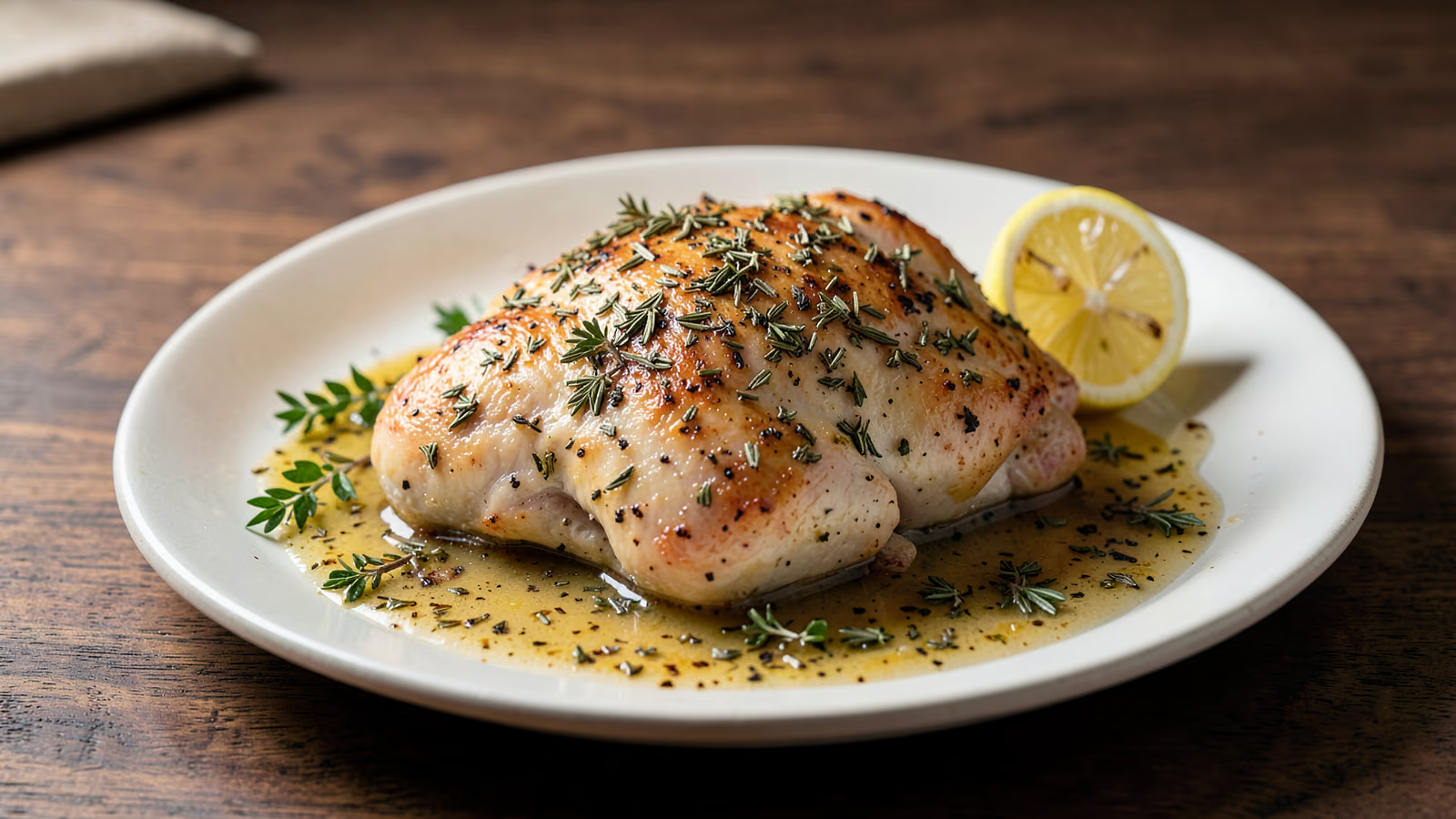
Baked Lemon Garlic Chicken Thighs
Crisp skin or steamed skin? The answer is water. Eight bone-in thighs, 1.2 kg in total, go onto one rimmed sheet with lemon zest, four cloves of garlic, and 30 g of butter, and a 220°C oven does the rest. Prep takes 15 minutes and the bake takes 25 to 30. What separates this from a pale, chewy tray of chicken is a dry surface, space between the pieces, and a thigh pulled at 74°C. Nothing else on the list works half as hard.
- Prep
- 15 min
- Cook
- 30 min
- Total
- 45 min
- kcal
- 557.6
- protein
- 58.4 g
- Serves
- 4
Ingredients
What you’ll need — tap to tick off as you go
- 4 cloves
- 30 g
- 2 tbsp
- 1 tsp
- 1 tsp
- ½ tsp
- 2 tbsp
Process
Timers built in · swap anything · ask as you cook
Turn the oven to 220°C (200°C fan) and set a rack in the middle. While it climbs, pat the 8 thighs completely dry with paper towels, including the skin side and the folds around the bone. Dry skin browns. Water has to boil off before the surface can climb past 100°C, and that delay is what leaves you with a pale, chewy bird. Give it 10 minutes.
Combine 30 g melted butter and 2 tbsp olive oil in a small bowl, then stir in the zest and juice of 1 lemon, 4 garlic cloves, grated, 1 tsp dried oregano, 1 tsp salt, plus 0.5 tsp black pepper. Let it stand for a minute, so the salt dissolves and the zest releases its oil into the fat. Loose and glossy beats thick and pasty, because it spreads over the skin evenly.
Rub the mixture over all 8 thighs, working it into the skin and under it where the skin lifts easily, then leave them on the counter for 10 minutes while the oven finishes heating. Cold meat drops the oven temperature. Ten minutes takes the chill off without leaving the thighs out long enough to matter.
Lightly oil a rimmed baking sheet and lay the thighs on it skin-side up, with a finger of space between them. Space is not tidiness. A crowded sheet steams the pieces, and steam is what keeps skin soft and pale, while a gap lets the oven air reach the surface and the rendered fat run clear.
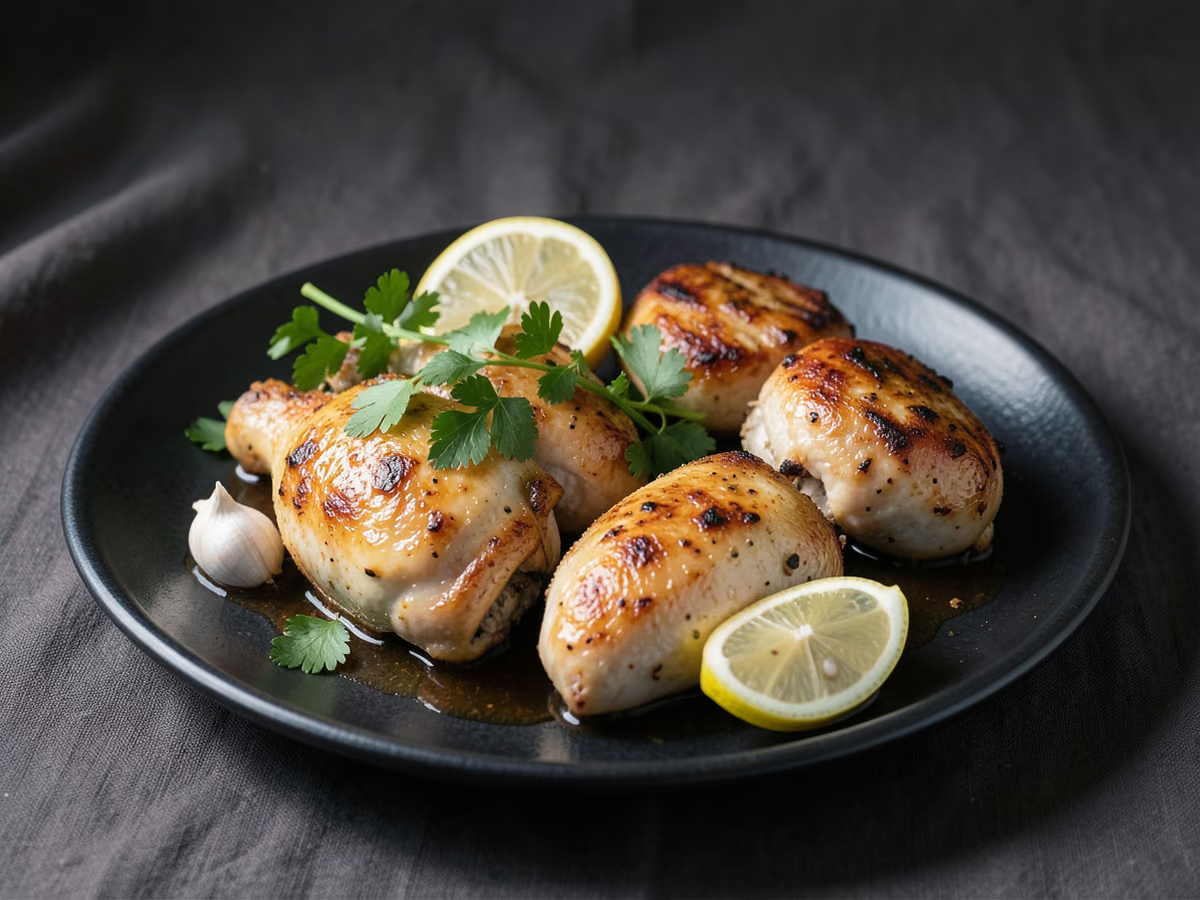
Bake for 25 to 30 minutes, until the skin is deeply golden and a thermometer pushed into the thickest part, off the bone, reads 74°C. Start checking at 25 minutes and add 2 minutes at a time. Then trust the number. If the skin is pale when the meat is ready, broil for 1 to 2 minutes and stay at the door, because a broiler moves from gold to black while you set the table.
Move the thighs to a warm plate and rest them for 5 minutes before serving. Rest is not optional. It lets the juices that the oven pushed toward the center ease back out, so they end up in the meat rather than pooling under it. Scatter 2 tbsp chopped parsley over the top if you have it, and spoon the pan juices over each thigh on your plate.
Why this recipe works
Skin browns only after its surface water boils away, which is why a wet thigh stays pale however long it bakes. Water is your enemy. Salt works on both fronts: it draws moisture from the skin early, then dissolves into the meat and seasons it through, which is why a dry brine leaves it tacky. Butter carries the garlic and zest against the bird instead of leaving bits exposed on a hot pan to scorch. Fat does the frying. Heat at 220°C renders the fat under the skin fast, and that layer fries the skin while the meat stays protected. Rest 5 minutes and the juices settle back into the meat rather than running out at the first cut.
Equipment
- Rimmed baking sheet, about 30 x 40 cm
- Instant-read thermometer
- Fine grater or zester
- Small bowl for the lemon-garlic mixture
- Paper towels
- Tongs
- Spoon for basting and serving
Kitchen notes
Kitchen notes
- Slash the thickest part of each thigh two or three times through the skin, so the rub reaches the meat and the skin renders flat instead of curling at the edges. Score first, rub second.
- Leave the rubbed thighs uncovered in the fridge for 1 to 2 hours before they go in; cold, dry air pulls water off the surface and gives you a head start on crisp skin.
- Salt the skin a day ahead when you have the time. A dry brine seasons the meat through and dries the surface, and the lemon-garlic rub can go on just before baking.
- Stick with the middle rack. Any higher and the skin browns before the thigh reaches 74°C, which is how you end up with a dark crust and pink meat at the bone.
- No thermometer? Push a thin knife into the thickest part and watch the juices, but buy one when you can, because 74°C is the only number that settles the question.
- Save the drippings in a small jug. They set to a lemony jelly in the fridge and melt back over a reheated thigh, which is better than any sauce you could build in five minutes.
Common mistakes
- Pale, rubbery skin: the thighs went in wet, or the pan was too crowded for the air to reach them, so dry every surface with paper towels (both sides, plus the folds) and leave a gap between pieces.
- Bitter, burnt specks on the skin: exposed garlic scorched on the hot sheet, and the fix is to grate the garlic into the butter, push the rub under the skin, and let zest and herbs be the only bits left on top.
- Dry, stringy meat: the thighs baked past 74°C while you waited for the skin to darken, so pull them at temperature and let the broiler handle the last of the color, because the meat keeps cooking as it rests.
- A pink tinge at the bone: color is unreliable in bone-in poultry, since hemoglobin near the bone can stay pink at a safe temperature, so trust your thermometer and not the hue.
- Soggy drippings instead of a lemony glaze: a deep pan or a crowded sheet trapped steam, and a rimmed sheet with the pieces spaced apart lets those juices reduce at the edges where they belong.
Serving suggestions
- Roasted potatoes tossed in the pan drippings, since the oven is already hot.
- Rice pilaf or couscous is the one to catch the lemon and butter that run off the plate.
- A sharp green salad, or green beans steamed while the chicken rests. Acid cuts richness.
- Leftover thighs, cold and sliced, make a good sandwich with the jellied juices spread on the bread.
- Serve them hot, spoon the juices over at the table, and gather everyone before the skin softens.
Variations
- Smoked paprika, 1 tsp, alongside the oregano, for a deeper color and a smokier rub. Keep the lemon as written, since the acid cuts the smoke.
- Potatoes under the chicken: thick slices laid in the pan catch the drippings and turn golden at the edges. Start them 10 minutes before the thighs go in.
- Whole unpeeled garlic cloves scattered around the thighs for the last 15 minutes; they soften in the fat and squeeze out onto the plate.
Refrigerator
- RefrigeratorCool the thighs within 2 hours of leaving the oven, then keep them in a sealed container for up to 4 days in the fridge. Store the pan juices separately if you can (they set to a jelly that melts back over the meat).
- ReheatingA 180°C oven brings them back in 10 to 12 minutes, uncovered on a tray, until the skin re-crisps and the center reads 74°C. It's fine to use a microwave when speed matters more than skin, but the texture will not come back. The oven wins.
- FreezingFreeze cooled thighs in a freezer-safe bag for up to 3 months, with the juices in a separate small container. Date the bag. Thaw it in the fridge overnight, then reheat the same way.
- Make aheadRub the thighs with the lemon-garlic mixture, cover the dish, and chill for up to 24 hours; let them sit out for 15 minutes before baking. The salt seasons deepest in that window, and the cold air dries the skin while it waits.
Updated:
How this recipe was developed
- USDA FSIS, Safe Minimum Internal Temperature Chart (all poultry, including thighs, cooked to 74°C; leftovers reheated to 74°C)
- USDA FSIS, Leftovers and Food Safety (refrigerate within 2 hours, keep 3 to 4 days, freeze 3 to 4 months, reheat to 74°C)
- BBC Good Food, Oven-baked chicken thighs (220°C, 8 skin-on thighs, lemon zest and juice rub, roasted 30 to 40 minutes, and the rub can sit in the fridge for up to a day)
- The Kitchn, The Best Way to Make Crispy Baked Chicken Thighs (patted dry, dry-brined to dry the skin, roasted at high heat, rested 5 minutes before tasting)
Editorial references are kept internally for verification. This page makes no claim of external certification or professional testing.
| Nutrient | Per serving |
|---|---|
| Calories | 557.6 kcal |
| Protein | 58.4 g |
| Carbohydrates | 4.9 g |
| Fat | 33.5 g |
| Saturated fat | 10.3 g |
| Fiber | 1.2 g |
| Sugar | 0.8 g |
| Sodium | 793 mg |
| Cholesterol | 223 mg |
FAQ
The questions we get asked most
Why does my chicken skin come out soft instead of crisp?
Water, almost every time. Skin has to dry before it can brown, so pat the thighs thoroughly, keep them apart on the sheet, and leave the pan uncovered. A wet rub or a crowded tray traps steam, and steam holds the surface at 100°C, well below the heat that browns. If the skin is still pale when the meat hits 74°C, a minute or two under the broiler fixes the color without overcooking the thigh.
Is 74°C really enough for a bone-in thigh?
Yes. 74°C is the USDA minimum for all poultry, read in the thickest part away from the bone. Thighs forgive more than breast meat (they carry more fat and connective tissue), so if you like the meat to pull cleanly from the bone, 82°C is the better choice; it stays juicy.
Can I rub the chicken in the morning and bake it at night?
Yes, and the bird is better for it. Coat the thighs, cover the bowl, and refrigerate for up to 24 hours, because the salt seasons the meat while the cold air dries the skin and the rub works its way into the folds around the bone. Let the pan sit out for 15 minutes before it goes into the oven, so the heat is not spent fighting the chill.
Will the lemon toughen the chicken if it sits overnight?
Not at this ratio. One lemon across 8 thighs is a light dressing, and 24 hours is not long enough to cure the surface. Keep the juice inside the rub rather than squeezing extra over the skin, and the meat stays tender. Zest, not juice.
How do I reheat leftovers without drying them out?
Use a 180°C oven for 10 to 12 minutes, uncovered, on a sheet. That brings the skin back and heats the meat through without steaming it. Spoon over a little reserved pan juice and check the center reads 74°C before you serve. A microwave is quicker, but the skin goes flabby.
What changes if I use boneless thighs?
The clock shortens to 15 to 20 minutes at the same 220°C, and you still check for 74°C. With no skin to crisp, sear the thighs in a hot pan first if you want color, and watch the rub, because it darkens faster without a layer of fat underneath.
Ask KitchenMind about this recipe
Tell it what’s different tonight — it works within the actual recipe.