Beef Chow Fun
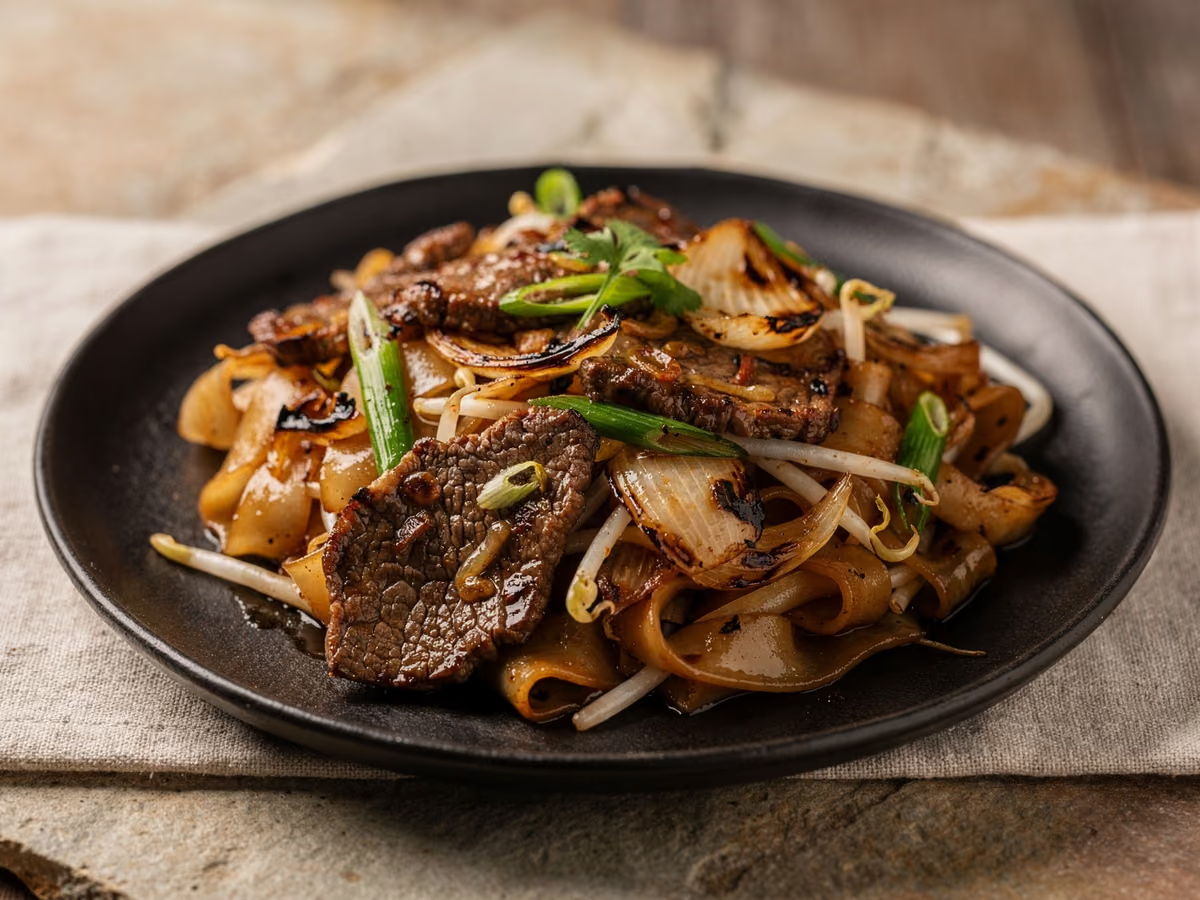
Beef chow fun is the Cantonese classic that tests wok skill: wide, silky ho fun rice noodles, thin slices of marinated flank steak, bean sprouts and scallions, tossed over a screaming-hot wok until the sauce disappears into the noodles and their edges pick up smoky char. This version keeps the dish dry-fried in the Cantonese sense, glossy rather than saucy, and uses a 15-minute velveting marinade to keep the beef tender through the fast sear. Prep takes 20 minutes, the wok takes about 10, and the pan serves 4.
- Prep
- 20 min
- Cook
- 10 min
- Total
- 45 min
- Additional time
- 15 min
- Serves
- 4
Ingredients
What you’ll need — tap to tick off as you go
- 300 g
- 400 g
- 2 tbsp
- 1 tbsp
- ½ tsp
- 2 tbsp
- 3 cloves
- 1 tbsp
- 200 g
- 1 tbsp
- 1 tbsp
- 1 tsp
- ¼ tsp
Process
Timers built in · swap anything · ask as you cook
In a bowl, combine the 300 g beef flank steak, sliced thinly against the grain, with the 2 tbsp soy sauce, 1 tbsp cornstarch, 0.5 tsp baking soda and 1 tbsp of the vegetable oil. Mix until every slice is coated, then marinate for 15 minutes at room temperature; the alkaline baking soda relaxes the meat fibres and the cornstarch holds in moisture, which keeps the slices tender through the fast sear.
Gently pull the 400 g fresh wide rice noodles apart into single ribbons with your fingers, working slowly so they do not tear. If they are cold and stiff, dip them in hot water for 10 seconds, then drain and pat dry with paper towels; wet noodles steam and clump in the wok, while dry, separated ribbons fry.
Heat the wok over high heat until it just begins to smoke, add the remaining 1 tbsp vegetable oil and swirl it over the metal. Lay the marinated beef in a single layer; let it sear untouched for 1 minute, then toss for 30 seconds more, just until browned at the edges. Move it to a plate; it finishes in the final toss, and searing past this point toughens the slices.
Scatter the 3 minced garlic cloves and 1 tbsp grated ginger into the hot wok and toss for 10 seconds, just until the fragrance rises, since they burn in the time the noodles need. Add the noodles and fold them quickly so every ribbon is coated, about 1 minute, lifting rather than stirring so the strands stay whole.
Drizzle the 1 tbsp dark soy sauce and 1 tbsp oyster sauce around the rim of the wok so they hiss and colour the noodles as you fold them through, about 30 seconds. Add the 200 g bean sprouts and the 4 scallions cut into 2-inch segments, then toss for 1 minute more; they should wilt at the edges while staying crisp, and adding them now is what keeps that snap.
Return the beef and its resting juices to the wok, add the 1 tsp sesame oil and the 0.25 tsp white pepper if using, and toss everything for 30 seconds, just until the beef is heated through and the noodles smell smoky. Serve straight away, while the ribbons are glossy, the bean sprouts still have crunch and the aroma is at its peak.
Why this recipe works
Baking soda in the marinade raises the surface pH of the beef so its proteins stay relaxed and hold moisture, while the cornstarch coating shields the slices from the wok's heat; together they are why thin flank steak comes out silky rather than tough. The staging does the rest: the beef sears alone and leaves the pan before the noodles go in, so each gets the full heat of the wok and nothing steams. Then wok hei: on a seasoned carbon-steel wok kept at full heat, the surface starch of the rice noodles caramelises and oil droplets break down and re-condense in the hot air, which is the smoky flavour that defines real chow fun.
Equipment
- Carbon steel wok, 30-35 cm (12-14 in), well seasoned, or the widest heavy skillet you own
- Wok spatula, thin and chisel-shaped, or a wide flexible spatula for lifting and folding
- Chef's knife and cutting board for slicing the beef across the grain
- Colander and paper towels, for draining and drying the noodles
- Small bowl for the beef marinade
- Plate or tray to hold the seared beef
- Measuring spoons, and an instant-read thermometer if you want to check the beef
Kitchen notes
Kitchen notes
- No wok: use the widest, heaviest skillet you own, preheat it longer than feels natural, and cook in two batches. Cast iron keeps the heat that a thin pan surrenders the moment the noodles land, which is the difference between charring and steaming.
- Freeze the beef for about 15 minutes before slicing. Firm meat cuts thinner and more evenly against the grain, and even slices are what let the whole 300 g brown in the minute the recipe allows.
- Set out everything before the wok goes on: sauces opened, sprouts drained, scallions cut, noodles separated and within arm's reach. Once the wok is smoking, chow fun gives you seconds for decisions, not minutes.
- Heat first, oil second. The wok should be smoking before the oil goes in, and the oil should ripple across the metal before any food follows; that order is what keeps rice noodles from welding themselves to the pan.
- Taste a strand before reaching for salt. Dark soy and oyster sauce vary in saltiness by brand, and since the noodles carry all the seasoning in a dry-fried chow fun, a final pinch is rarely needed and easily overdone.
Common mistakes
- Clumped, broken noodles: the strands went in cold, wet, or in one heap, so they tore the moment you moved them. Separate the noodles while they are still firm, dip cold ones for 10 seconds and pat them dry, and keep the wok at full heat so the ribbons fry instead of stewing.
- Sticking and tearing against the metal: the wok was not hot before the oil went in, or the noodles sat in one spot. Heat the empty wok until it smokes, add a full film of oil, and keep the noodles moving in lifting folds, with only brief rests for char.
- Dull, dry chow fun: a wok that never got hot enough, or noodles left in it too long, so the sauce sits flat instead of glazing the ribbons. Get the wok smoking, use the full tablespoon of wok oil for the frying stage, and serve the moment the noodles shine.
- Tough, chewy beef: slices cut with the grain, a marinade cut short, or a minute too long in the pan. Slice thinly across the grain, let the baking soda and cornstarch work the full 15 minutes, and pull the beef while the centres are still faintly pink.
- Bitter, burnt aromatics: garlic and ginger scorch in seconds when the wok is at full heat. They need about 10 seconds and nothing more, so have the noodles standing by and let the aromatics go from fragrant to folded in without a pause.
- Limp sprouts and a heavy finish: the bean sprouts went in too early, or still wet from rinsing. Rinse and drain them well ahead, then add them with the scallions for the final minute only, so they stay crisp-tender inside the noodles.
Serving suggestions
- Serve immediately, straight from the wok and piping hot; the ribbons are at their smoky best in the first minutes and turn gummy as they sit.
- Finish the plate with a drizzle of chilli oil, an extra crack of white pepper, and the green tops of the scallions for freshness.
- A pot of jasmine tea or chilled barley tea alongside keeps the meal light; the soy-rich noodles do not need anything heavier.
- For more at the table, steamed gai lan dressed with a splash of soy sauce or a plain broth rounds out the meal without competing with the wok flavour.
Variations
- Tofu chow fun (vegetarian): swap the beef for 300 g of pressed extra-firm tofu, cubed and seared golden before the noodles go in, and use vegetarian oyster sauce. Return the tofu with the sprouts so it stays crisp at the edges.
- Chicken chow fun: 300 g of boneless chicken thigh, sliced thin, stands in for the beef. Poultry must cook through to 74°C, the USDA FSIS minimum, so give the slices a little longer in the first sear before they come out.
- Gai lan version: slice Chinese broccoli stems diagonally and stir-fry them with the garlic and ginger until glossy before the noodles go in, adding the leaves with the scallions; it is the classic Cantonese addition for extra crunch.
Refrigerator
- RefrigeratorCool within 2 hours, then refrigerate in an airtight container for up to 3 days. The noodles soften a little each day and drink up any sauce that is left; a splash of water loosens them when you reheat.
- ReheatingReheat in a hot skillet over medium-high heat with a splash of water or oil, tossing until steaming hot all the way through, 74°C on a food thermometer per the USDA FSIS reheat guidance. A covered microwave burst works too, but the noodles come out softer.
- FreezingNot recommended: the wide rice noodles break down in the freezer and turn soft and mealy once thawed, and the beef dries out on reheating. This is a dish that is best finished in one sitting.
- Make aheadSplit the prep from the cooking. Slice the beef and vegetables up to a day ahead and refrigerate them; let the noodles lose their chill, and set the sauces within reach of the stove. Mix the marinade 15 minutes before you plan to cook, because the baking soda keeps working as it sits. The wok stage itself is about 10 minutes, so cook it fresh.
Updated:
How this recipe was developed
- USDA FSIS Safe Minimum Internal Temperature Chart (beef steaks, chops and roasts 63°C with a 3-minute rest; leftovers reheated to 74°C)
- USDA FSIS Leftovers and Food Safety (refrigerate within 2 hours; leftovers kept 3-4 days refrigerated; reheat to 74°C)
- The Woks of Life, Beef Chow Fun (Cantonese method: wok heated until smoking, beef seared and removed, noodles tossed with soy and the beef returned; baking soda and cornstarch tenderise the beef; guidance for dried wide rice noodles)
- Serious Eats, The Food Lab stir-fry science (wok hei: oil and polymer breakdown plus vaporised fat droplets; the wok needs constant high heat input, so crowded pans steam instead of searing)
Editorial references are kept internally for verification. This page makes no claim of external certification or professional testing.
FAQ
The questions we get asked most
Why did my beef chow fun turn out dry?
In chow fun, dry usually means the noodles were under-oiled or overcooked, not under-sauced, because this is a dry-fried dish: the sauce should coat the ribbons rather than pool. Give the noodles their own film of oil when they go in, keep the wok at maximum heat, and pull everything off as soon as the ribbons are glossy and hot. Noodles that went in wet or cold also drink up the sauces unevenly, which reads as a dry plate.
Can I use dried wide rice noodles instead of fresh?
Yes, but expect a different plate. Soak dried wide rice noodles in warm water for 20 to 30 minutes, until they bend without snapping and still feel firm at the centre, then drain and pat them very dry. They are more fragile and less springy than fresh ho fun, so fold them gently and sauce them lightly; if fresh wide rice noodles are anywhere nearby, they are worth the trip for beef chow fun.
How do I prevent the noodles from sticking to the wok?
Heat is the first fix: the wok must be smoking before the oil goes in, and the oil must ripple across the metal before the noodles follow. Keep the ribbons dry and separated, never pour them into one heap, and cook in two batches if your wok cannot hold all 400 g in a loose layer. Once they are in, keep them folding and lifting; it is the still, crowded spots where rice noodles weld themselves to the pan.
Can I make beef chow fun ahead of time?
Yes, with the prep done ahead: sliced beef and vegetables keep for a day in the fridge, and the noodles should come to room temperature before frying. Hold the marinade until 15 minutes before cooking, though, because the baking soda does not stop working once it is on the beef, so keep it to that short window. The wok work is a 10-minute job, best done fresh.
What can I use instead of oyster sauce?
Vegetarian oyster sauce, made from mushrooms, is the closest swap at the same 1 tbsp and is the alternative the recipe itself notes. Hoisin sauce works but is sweeter and thicker, so loosen it with a teaspoon of soy sauce; a tablespoon of soy sauce with a pinch of sugar will do if that is what is in the cupboard. The dish loses a little savoury depth, but the balance still holds.
How do I know when the beef is cooked?
Judge it as it leaves the pan: the slices should be browned at the edges with just a faint blush at the centre, because they return for a final 30-second toss that finishes the job. Overcooked beef is the real risk here, turning grey and chewy; if you want certainty, a thicker slice should read 63°C, the USDA FSIS minimum for whole-muscle beef, and thin slices reach that almost instantly.
What is the difference between chow fun and chow mein?
The noodle decides everything. Chow fun is built on wide, flat rice noodles, which is why this dish is soft, slippery and smoky; chow mein is built on wheat-and-egg noodles, thinner and rounder, and it is often pressed crisp against the pan. On a menu, fun or ho fun means rice ribbons like these, and mein means wheat. The sauces are similar; the chew and the cooking are not.
Ask KitchenMind about this recipe
Tell it what’s different tonight — it works within the actual recipe.