- Prep
- 15 min
- Cook
- 15 min
- Total
- 30 min
- Serves
- 4
Ingredients
What you’ll need — tap to tick off as you go
- 500 g
- 3 tbsp
- 120 ml
- 60 ml
- 60 ml
- 2 tbsp
- 3 cloves
- 1 tbsp
- 1 tsp
- ½ tsp
- 1 tsp
Process
Timers built in · swap anything · ask as you cook
Slice the beef flank steak thinly against the grain into 5 cm strips. Pat dry with paper towels.
In a bowl, toss the beef with cornstarch until each piece is evenly coated. Let it rest for 10 minutes.
In a small bowl, whisk together soy sauce, water, brown sugar, garlic, ginger, and red pepper flakes (if using). Set the sauce aside.
Heat 120 ml vegetable oil in a wok or large skillet over medium-high heat until shimmering. Fry the beef in batches for 1–2 minutes per side until crispy and browned. Remove with a slotted spoon and drain on paper towels.
Pour off all but 1 tbsp of oil from the wok. Add the white parts of the scallions and stir-fry for 30 seconds until fragrant.
Pour in the sauce mixture and bring to a simmer. Cook for 1–2 minutes until the sauce thickens slightly.
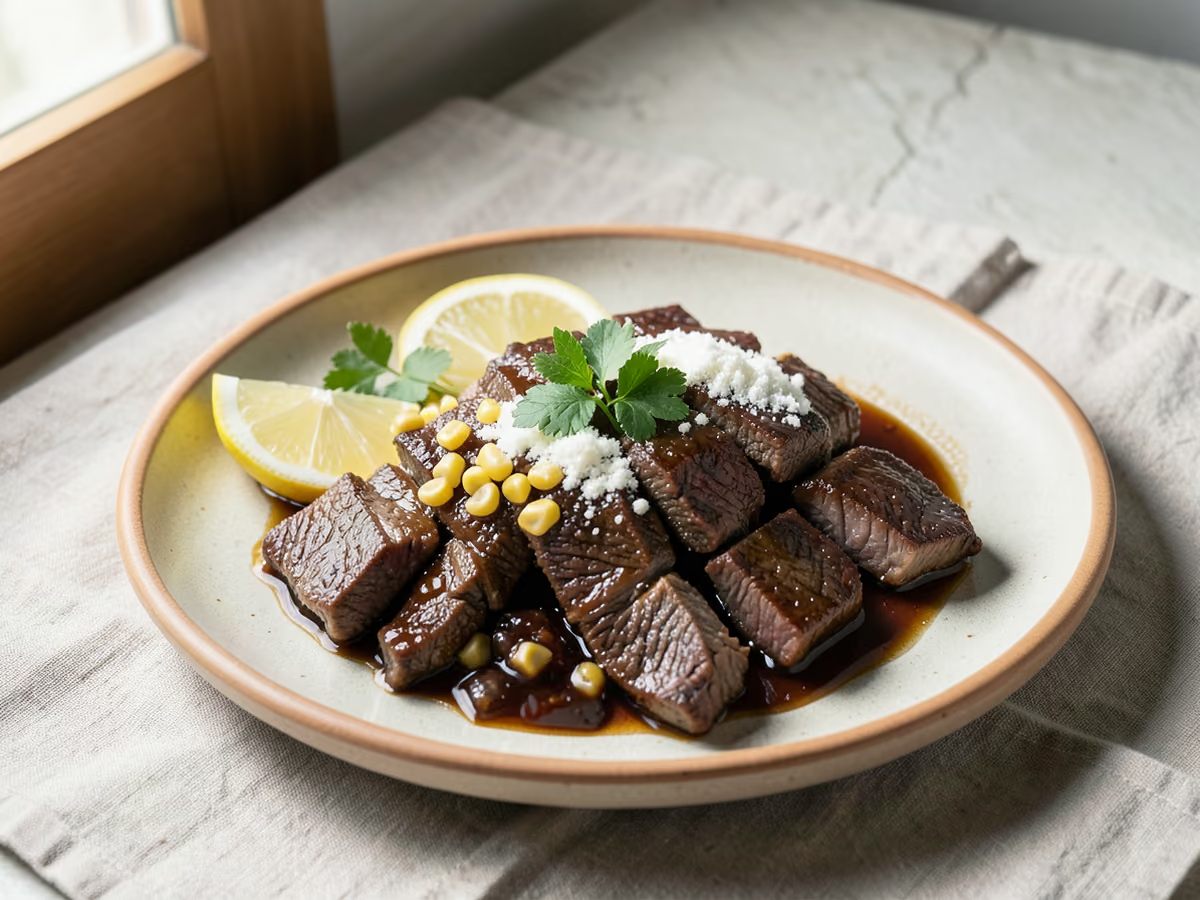
Return the fried beef to the wok and toss to coat evenly in the sauce. Cook for 1 minute until the beef is heated through and the sauce clings to the meat.
Turn off the heat. Drizzle with sesame oil, add the green parts of the scallions, and toss once. Garnish with toasted sesame seeds if desired. Serve immediately.
Kitchen notes
Kitchen notes
- The most common mistake is overcrowding the wok when frying the beef, which steams the meat instead of crisping it. Fry in batches and keep the oil hot.
- Slice the beef against the grain to ensure tenderness; flank steak has visible muscle fibers that should be cut perpendicular.
- The sauce should be thick enough to coat the back of a spoon before adding the beef. If it is too thin, simmer for another minute; if too thick, add a splash of water.
- Have all ingredients prepped and within reach before you start stir-frying, as the cooking goes quickly once the oil is hot.
Substitutions
- beef flank steak→beef sirloin or skirt steak
- brown sugar→white sugar or honey
- vegetable oil→peanut oil or canola oil
- soy sauce→tamari for gluten-free
Storage & reheating
Store leftovers in an airtight container in the refrigerator for up to 3 days. To reheat, warm in a skillet over medium heat until heated through, about 3-4 minutes, or microwave in 30-second intervals. For best texture, reheat in a skillet rather than a microwave to re-crisp the beef slightly.
FAQ
The questions we get asked most
Why is my Mongolian beef not crispy?
The oil was not hot enough or the pan was overcrowded. The beef should sizzle immediately when added. Fry in small batches and ensure the oil is shimmering before adding the meat. Also, coat the beef evenly with cornstarch and let it rest for 10 minutes before frying.
Can I use a different cut of beef for Mongolian beef?
Yes, flank steak is traditional, but you can use sirloin, skirt steak, or even ribeye. Choose a cut that is tender and suitable for quick cooking. Slice it thinly against the grain for the best texture.
How do I make Mongolian beef less salty?
Reduce the amount of soy sauce or use a low-sodium soy sauce. You can also add a little more water or a pinch of sugar to balance the saltiness. Taste the sauce before adding the beef and adjust accordingly.
Can I make Mongolian beef ahead of time?
You can prep the ingredients ahead: slice the beef and coat with cornstarch, make the sauce, and chop the aromatics. Store them separately in the refrigerator for up to 1 day. Stir-fry just before serving for the best texture.
How long does Mongolian beef last in the fridge?
Store leftovers in an airtight container in the refrigerator for up to 3 days. Reheat in a skillet over medium heat until hot. The beef may lose some crispness but will still be flavorful.
Can I freeze Mongolian beef?
Freezing is not recommended as the texture of the fried beef deteriorates upon thawing. The sauce may also separate. For best results, enjoy it fresh or refrigerate for a short time.
What can I use instead of cornstarch?
You can use potato starch or arrowroot powder as a 1:1 substitute. These will help crisp the beef similarly. Do not use flour, as it does not give the same light crunch.
Ask KitchenMind about this recipe
Tell it what’s different tonight — it works within the actual recipe.