Beef with Chinese Broccoli
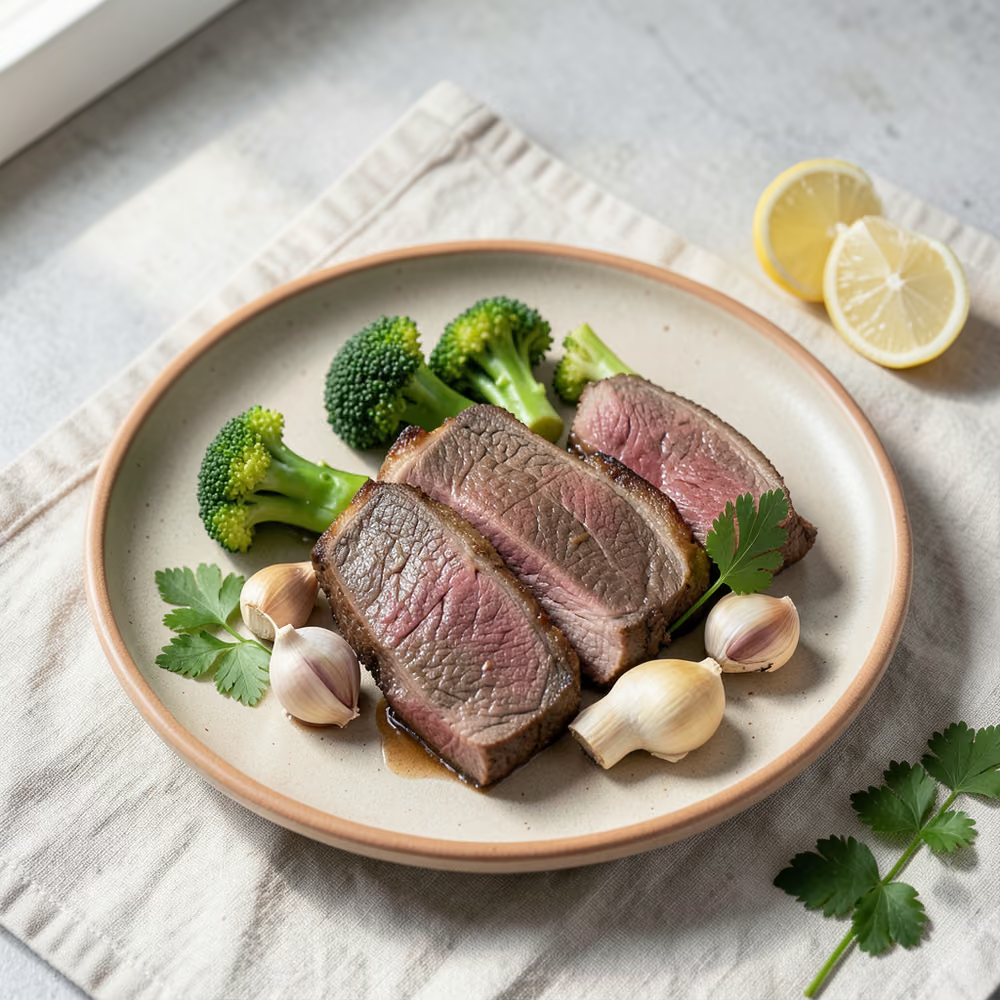
Beef with Chinese Broccoli is the Cantonese stir-fry that lets gai lan carry the dish: thick crisp stems and leafy tops tossed with thin slices of marinated sirloin in a glossy oyster-soy glaze. A 10-minute cornstarch marinade keeps the beef tender through a fast sear, and the wok work itself takes about 10 minutes once the chopping is done. Serve it over steamed rice for the dish as Cantonese kitchens make it, with the vegetable it was built around.
- Prep
- 15 min
- Cook
- 10 min
- Total
- 25 min
- Serves
- 4
Ingredients
What you’ll need — tap to tick off as you go
- 450 g
- 400 g
- 3 tbsp
- 1 tbsp
- 3 tbsp
- 2 tbsp
- 3 cloves
- 1 tbsp
- 1 tbsp
- 1 tsp
- 1 tsp
Process
Timers built in · swap anything · ask as you cook
In a bowl, stir the 2 tbsp soy sauce, 1 tbsp cornstarch and 1 tbsp water into a smooth slurry with no dry pockets, then add the 450 g beef sirloin, sliced thinly against the grain, and toss until every piece is coated. Let it stand for 10 minutes while you set out the rest; the slurry is a quick velvet that protects the slices through the fast sear.
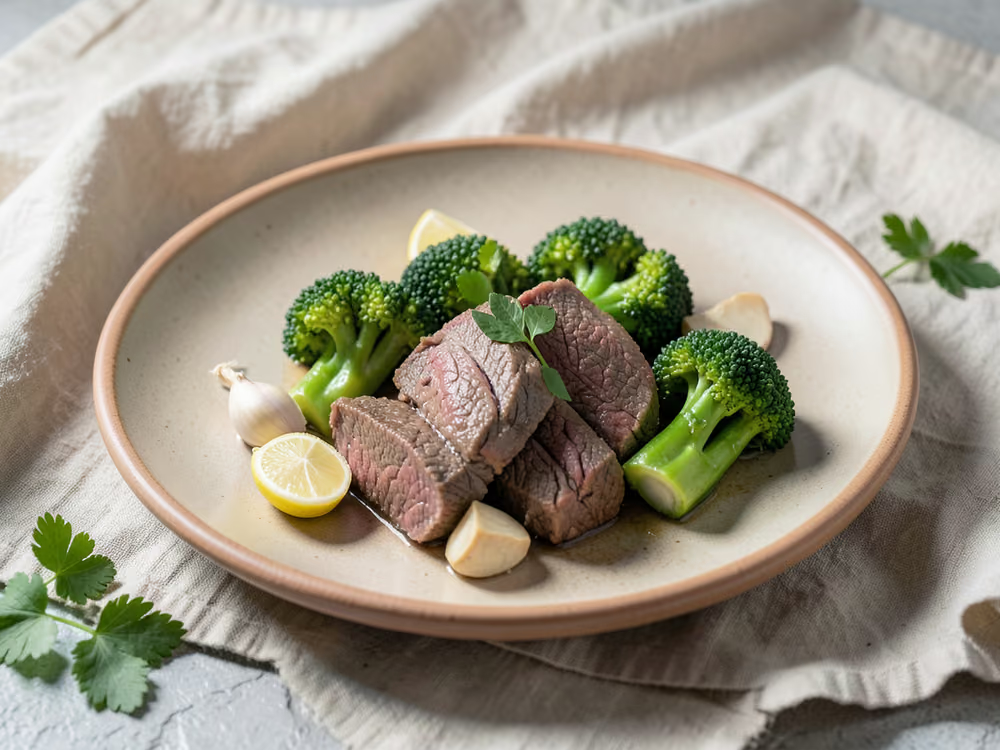
While the beef marinates, whisk the sauce in a small bowl: 1 tbsp soy sauce, 1 tbsp oyster sauce, 1 tsp sugar, 1 tsp sesame oil, 1 tsp cornstarch and 2 tbsp water, stirred until the cornstarch has fully dissolved. The sugar balances the salty oyster sauce, and the starch is what turns the liquid into a glaze in the pan.
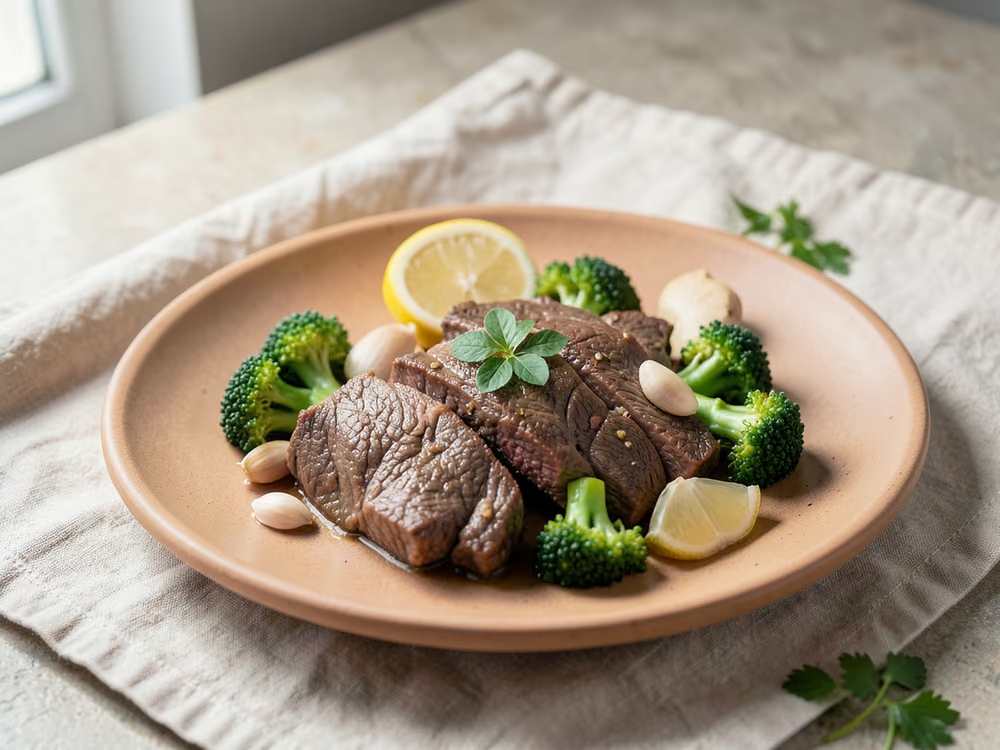
Heat 1 tbsp of the vegetable oil in a wok or wide skillet over high heat until it shimmers, then lay the beef in a single layer and leave it untouched for 1 minute to build a browned crust. Stir-fry for another 1 to 2 minutes, just until the slices lose their raw colour, then move them to a plate: they finish in the sauce, and pulling them now keeps them tender.
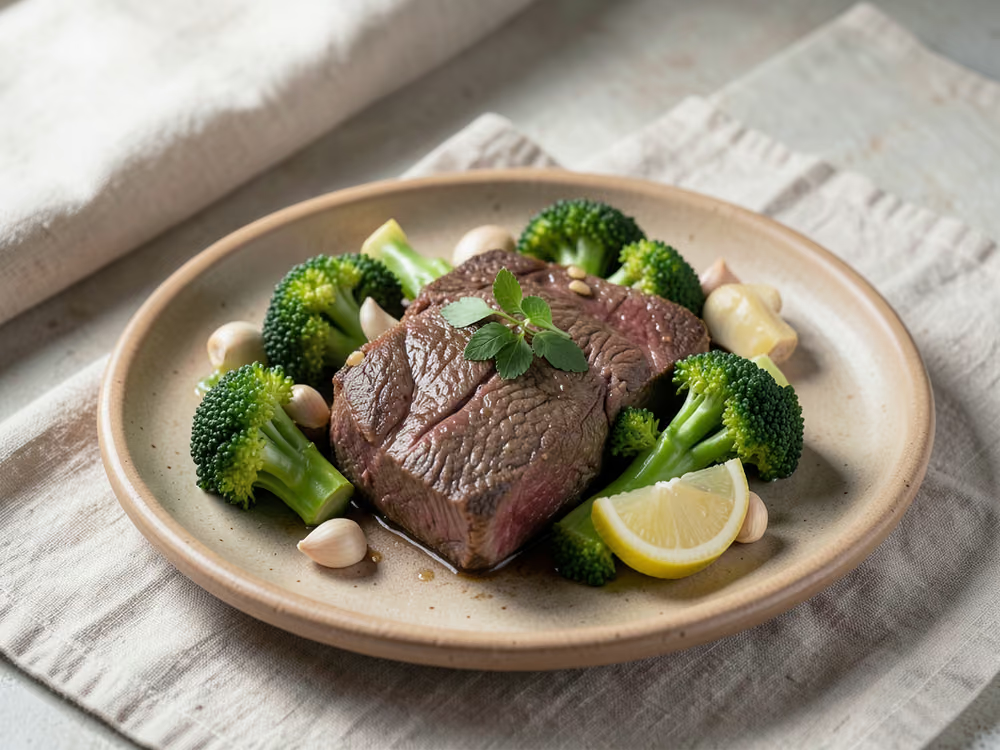
Add the remaining 1 tbsp vegetable oil, then the 3 minced garlic cloves and 1 tbsp minced ginger. Stir them for about 15 seconds, just until the fragrance rises and before any colour develops; they are minced fine and the pan is at full heat, so they turn acrid in the time it takes to find the broccoli.
Add the 400 g Chinese broccoli and stir-fry for 2 to 3 minutes, tossing so the stems meet the hot pan as much as the leaves. Stems that still bite and leaves that have just wilted are the target; if the pan looks dry at any point, add a splash of hot water, which steams the stems through while the oil keeps them glossy.
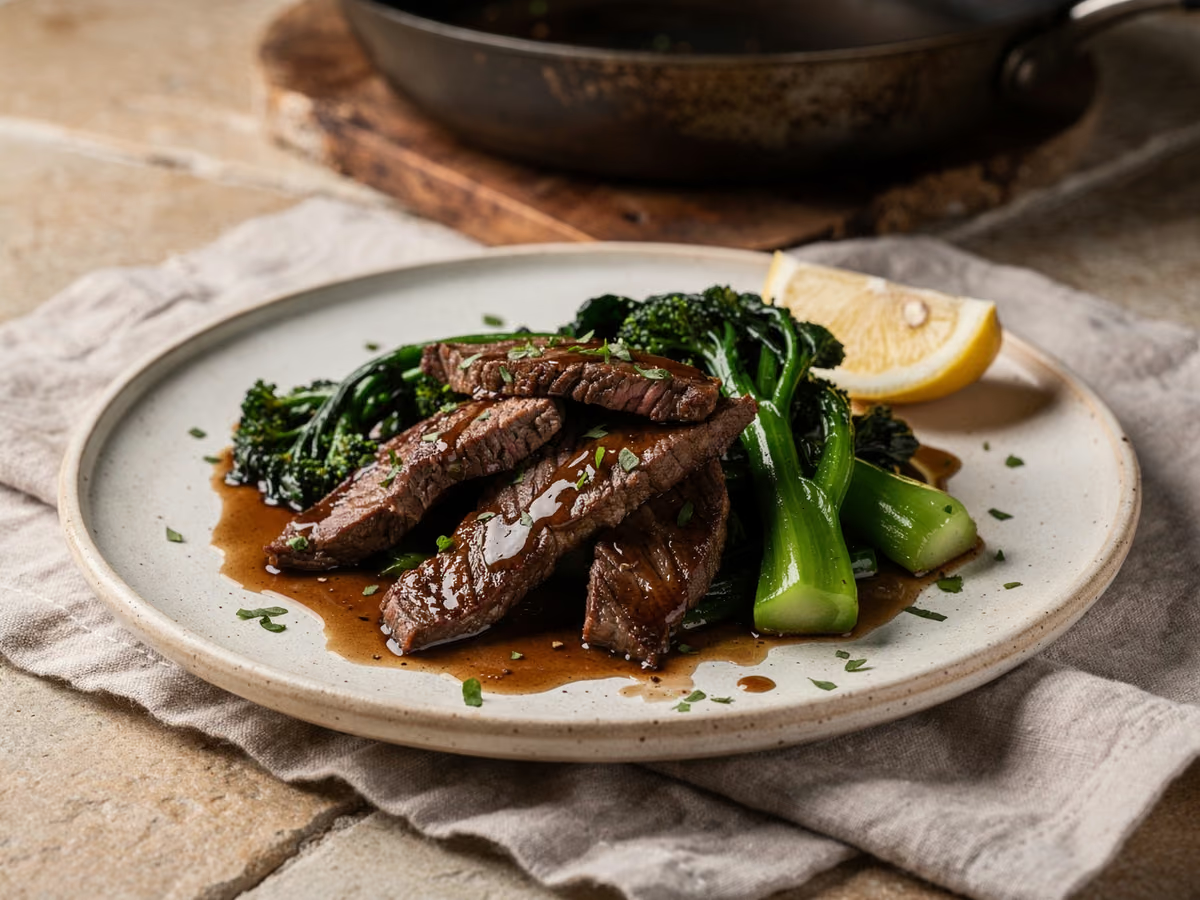
Return the beef and any juices to the wok, then pour the sauce mixture in around the edges of the pan rather than all in one spot. Stir-fry for 1 to 2 minutes: the sauce will bubble, darken and thicken into a glaze that clings to everything; the moment it coats rather than pools, take the pan off the heat.
Slide everything onto a warm serving dish and take it to the table straight away, with steamed rice alongside. The dish is at its best in the first minutes, while the gai lan stems still snap and the glaze shines; it firms up and dulls as it sits.
Why this recipe works
The marinade does the tenderising: soy sauce seasons the slices while cornstarch, dispersed in water, wraps each one in a thin film that slows moisture loss and turns silky against the wok's heat, so lean sirloin stays tender through a fast sear. Cooking in stages keeps each ingredient at its best: the beef sears alone and leaves early, the garlic and ginger get a few seconds in a pan with nothing to crowd them, and the Chinese broccoli then meets the full heat on its own. Finally the sauce simmers into a glaze as its starch thickens against the hot metal, and tossing it through the greens coats every stem rather than pooling at the bottom.
Equipment
- Wok, 30 cm or wider if you have one, or the widest heavy skillet in the kitchen
- Wok spatula or a thin metal turner for lifting and tossing
- Chef's knife and cutting board for slicing the beef across the grain
- One small bowl for the beef marinade and a second for the sauce
- Measuring spoons
- Plate or tray to hold the seared beef
- Saucepan or rice cooker for the steamed rice
- Instant-read thermometer, optional, for checking reheated leftovers
Kitchen notes
Kitchen notes
- Firm the sirloin in the freezer briefly before slicing: firm meat does not slide under the knife, and even thickness is what lets the whole 450 g sear in the minute the recipe allows.
- Separate the gai lan leaves from the thick stems and halve the big stems lengthwise before the wok goes on; stems cook slower than leaves, and matching their thicknesses is the difference between a crisp stem and a fibrous one.
- Keep a small cup of hot water at the stove: a splash is the rescue when the pan looks dry, and hot rather than cold keeps the wok from dropping below searing heat, which is what turns gai lan limp.
- Have the rice cooked and everything within arm's reach before the burner goes on; from the moment the oil shimmers this is a ten-minute dish with no time to hunt for the oyster sauce.
- On a small burner or a modest skillet, sear the beef in two batches and let the pan come back to full heat between them; an empty wok recovers quickly, while one crowded pan never sears anything properly.
Common mistakes
- Tough, chewy beef: slices cut with the grain, or a sear that ran long. Chill the sirloin and slice it thinly across the grain, keep the marinade to its short 10 minutes, and pull the beef while the centres still look faintly pink - the sauce stage finishes the cooking.
- Limp, dull gai lan: a crowded or wet pan steams the greens instead of frying them. Drain the washed Chinese broccoli well and pat it dry, keep the heat at maximum, and give it only the 2 to 3 minutes the recipe allows; a splash of water rescues a dry pan, it does not simmer the vegetables.
- A sauce that clumps or sets too thick: cornstarch went in as dry powder, in a lumpy slurry, or sat too long before it reached the wok. Whisk it smooth with the 2 tbsp water when you build the sauce, stir it again before pouring, and loosen a glaze that tightens too far with a tablespoon of hot water; any lumps can be pressed out or strained away.
- Grey, steamed beef instead of browned: the slices went in wet or crowded, dropping the pan below searing heat. Pat the beef dry before it meets the marinade, spread the 450 g in one loose layer, and sear in two batches if the pan looks full.
- Burnt garlic and ginger: they scorch in seconds at stir-fry heat. Mince them fine, add them only after the beef comes out, and give them about 15 seconds of tossing before the Chinese broccoli follows; if they have already browned, wipe the pan and start the aromatics again rather than carry the bitter taste forward.
- Too salty or flat: soy sauce and oyster sauce both carry salt, and the saltiness varies by brand. Taste a piece of the greens with sauce before serving and rebalance with a little extra sugar or a spoonful of water; the recipe adds no separate salt for exactly this reason.
Serving suggestions
- Steamed jasmine rice is the classic pairing: the glaze soaks into the rice and every bite stays balanced.
- For a lighter plate, spoon it over rice noodles instead, or serve it beside a plain cucumber salad rather than more starch.
- Chilled barley tea or jasmine tea cuts the saltiness of the glaze; sparkling water works just as well.
- A spoonful of chilli oil or sliced spring onions over the top adds a fresh edge, and the dish takes chilli heat well.
Variations
- Banquet-style blanched gai lan: blanch the stems in boiling water for 60 to 90 seconds, add the leaves for 30 seconds more, shock in cold water and drain well, then finish in the wok with the beef and sauce. The colour comes out brighter and the crunch softer; it is a different treatment of the same dish, not a shortcut.
- Tofu version, vegetarian: 450 g of pressed extra-firm tofu, seared golden in the wok before the greens, with vegetarian oyster sauce in the glaze. The dish is not the same once the beef is gone, but the sauce and the crisp gai lan remain.
- Chicken version: 450 g of boneless chicken thigh, sliced like the beef. Poultry must cook through to 74°C, the USDA FSIS minimum, so let the pieces go back into the sauce for an extra minute and check the thickest piece before serving.
Refrigerator
- RefrigeratorCool the stir-fry within 2 hours of cooking and refrigerate it in an airtight container for up to 3 days. The gai lan softens a little each day and the glaze loosens; keep any rice stored separately.
- ReheatingWarm it in a skillet over medium-high heat with a splash of water until steaming hot throughout, reaching 74°C (USDA FSIS reheat guidance). Toss gently and serve as soon as it is hot; a covered microwave burst works in a hurry but the beef can toughen.
- FreezingNot recommended: the cornstarch glaze weeps and the Chinese broccoli turns limp and watery on thawing. The beef itself survives the freezer, but the greens do not, and the stir-fry is quick enough to make fresh.
- Make aheadDo the chopping the night before and keep the two piles separate so the greens stay dry. Everything before the wok stage waits well; the wok stage is about 10 minutes and is worth doing to order.
Updated:
How this recipe was developed
- USDA FSIS Safe Minimum Internal Temperature Chart (beef steaks and roasts 63°C; leftovers reheated to 74°C)
- USDA FSIS Leftovers and Food Safety (refrigerate within 2 hours; refrigerated leftovers kept 3 to 4 days; reheat to 74°C)
- The Woks of Life, Beef with Chinese Broccoli and How to Velvet Beef for Stir-fry (gai lan stir-fried directly without blanching; slice against the grain; cornstarch marinade holds moisture; serve over rice)
- Food Network, How to Velvet Meat (cornstarch slurry retains moisture and gives the silky texture; dissolve it fully; pat the meat dry before coating)
Editorial references are kept internally for verification. This page makes no claim of external certification or professional testing.
FAQ
The questions we get asked most
What is Chinese broccoli (gai lan) and how does it taste?
Chinese broccoli - gai lan in Cantonese, jie lan in Mandarin - is a leafy brassica with thick, crisp stems and broad dark-green leaves, closer to kale in leaf than to the broccoli crowns sold as florets. The stems taste sweet and mild; the leaves carry a faint, pleasant bitterness. In the wok the stems are the prize: they stay crunchy at high heat and soak up the oyster-soy glaze, which is why the recipe has you halve the thick ones so every piece cooks at the same speed.
Can I use regular broccoli instead of Chinese broccoli?
Yes, with a change in character. Regular broccoli is milder and sweeter, and its florets cook much faster than gai lan stems, so give them only 1 to 2 minutes in the wok and expect a softer, more everyday stir-fry. Broccolini is the closer swap - same long stems, similar bite - and is the substitution to reach for if you cannot find Chinese broccoli.
Why is my beef with Chinese broccoli tough and chewy?
Three causes, in order: slicing with the grain, cutting the marinade short, or searing past the point. Slice the sirloin thinly across the grain, coat it in the 2 tbsp soy sauce, 1 tbsp cornstarch and 1 tbsp water slurry for a full 10 minutes, and stop the sear while the centres still look faintly pink. Slices this thin pass 63°C, the USDA FSIS minimum for beef, within moments in the wok - overcooking, not undercooking, is the real risk here.
How do I keep the Chinese broccoli stems crisp?
Stems stay crisp when the pan is hot, the greens are dry, and the cooking time is short. Wash the gai lan far enough ahead that it can drain thoroughly, halve any thick stems lengthwise so they cook at the same rate as the leaves, and stir-fry for the full 2 to 3 minutes but no longer. If the pan looks dry, use a splash of hot water - steam softens stubborn stems without the mush that comes from crowding the wok.
How do I make this dish gluten-free?
Swap the two bottles that carry wheat: use a gluten-free soy sauce such as tamari (check the label, because a few tamari brands still add wheat) and a gluten-free oyster sauce, since most standard oyster sauces are built on wheat-brewed soy sauce or thickened with wheat starch. Everything else - cornstarch, sugar, sesame oil, vegetable oil - is naturally gluten-free, so the dish converts cleanly with those two bottles and a look at the labels.
Can I prepare this dish ahead of time?
Yes, up to a point. Slice the sirloin and cut the gai lan a day ahead and refrigerate them in separate containers, and mix the sauce and hold it covered; then add the marinade 10 minutes before cooking and stir-fry fresh, because the cornstarch coating is a short-stage treatment and the dish loses its snap when cooked and held.
What is the best way to reheat leftovers?
A skillet over medium-high heat with a splash of water, tossing gently until everything is hot through; leftovers should reach 74°C, the USDA FSIS reheating guideline. Toss rather than stir hard so the stems keep some structure. A covered bowl in the microwave is quicker but can toughen the beef and soften the greens; either way, eat leftovers within 3 days.
Ask KitchenMind about this recipe
Tell it what’s different tonight — it works within the actual recipe.