- Prep
- 20 min
- Cook
- 75 min
- Total
- 95 min
- Serves
- 6
Ingredients
What you’ll need — tap to tick off as you go
- 500 g
- 300 g
- 2 tbsp
- 2 l
- 2 tbsp
- 1 tbsp
- 1 tsp
- 1 ½ tsp
- ½ tsp
- 150 g
- 15 g
- 2 cloves
Process
Timers built in · swap anything · ask as you cook
Put the beef chuck in a large pot with the beef broth and bay leaf. Bring to a boil over high heat, then skim off the grey foam, reduce to low, cover and simmer for 45 minutes until the beef is nearly tender.
While the beef simmers, heat the vegetable oil in a wide frying pan over medium heat. Add the onion and carrots and cook for 6 to 8 minutes until soft and lightly golden.
Add the grated beets and tomato paste to the pan. Stir and cook for 8 to 10 minutes over medium heat until the beets soften and the mixture smells sweet, not raw.
Stir the sugar and lemon juice into the beet mixture, cook 1 minute more, then set the pan aside. This step keeps the soup bright red instead of dull brown.
Add the potatoes to the simmering broth and cook for 10 minutes. Then add the cabbage and cook for 5 minutes more.
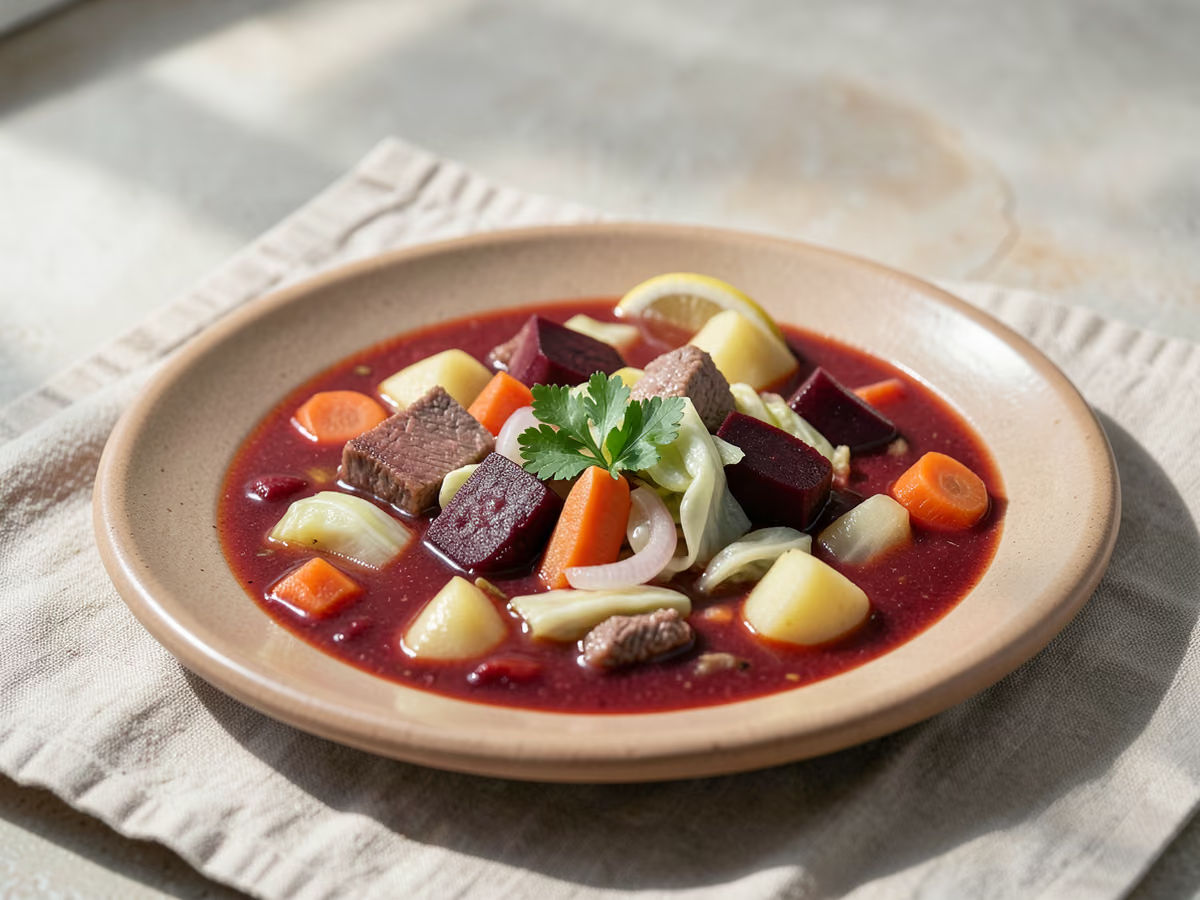
Scrape the entire beet mixture from the pan into the pot. Season with salt and black pepper, bring back to a gentle simmer and cook uncovered for 10 minutes until the potatoes are fully tender and the cabbage is soft.
Taste and adjust with more salt, lemon juice or sugar. Remove the bay leaves, then take the pot off the heat, cover and let the borscht rest for 15 minutes before serving.
Ladle into bowls and top each portion with sour cream, chopped fresh dill and a little minced garlic.
Kitchen notes
Kitchen notes
- The most common mistake is boiling the beets for the whole cooking time, which turns the soup brown and muddy. Fry the grated beets with tomato paste first, then add them near the end so the colour stays ruby red.
- Do not add the lemon juice or any acid until the beets are tender. Acid added too early hardens the beet fibres and they stay crunchy no matter how long you simmer.
- Borscht tastes better the next day. If you can, cool it quickly, refrigerate overnight and reheat gently the next day; the flavours deepen and the colour intensifies.
- If your soup tastes flat, it is almost always missing acid or salt, not sugar. Add lemon juice 1 teaspoon at a time and taste after each addition.
- For a vegetarian version, skip the beef, use 2 litres of vegetable broth and add a drained 400 g can of white beans in step 5 for body.
Substitutions
- beef chuck→lamb shoulder or 400 g canned white beans for a meatless version
- beef broth→vegetable broth or water with 2 vegetable stock cubes
- sour cream→plain Greek yogurt or a dairy-free oat-based cream
- fresh dill→fresh parsley or 1 tsp dried dill
- lemon juice→1 tbsp apple cider vinegar or 1 tbsp brine from pickled beets
Storage & reheating
Cool the borscht to room temperature within 2 hours, then store in a sealed container in the fridge for up to 4 days. It also freezes well for up to 3 months; freeze without the sour cream and dill. Reheat on the stovetop over medium heat until steaming, about 5 to 7 minutes, or in the microwave in 1-minute bursts, stirring between. Add the sour cream, dill and garlic only after reheating.
FAQ
The questions we get asked most
Why did my borscht turn brown instead of red?
The beets were boiled too long or the pot was kept at a hard rolling boil. Grate the beets, fry them briefly with tomato paste and add them in the last 10 minutes of cooking. A spoon of lemon juice at the end also helps lock in the red colour.
Can I use canned or pickled beets instead of fresh?
Yes. Use about 400 g of drained canned beets, grated, and add them in step 6 with the cabbage; they need only 5 minutes of heating. Pickled beets work too, but reduce the lemon juice to 1 teaspoon since they are already acidic.
My borscht tastes sweet and flat. What went wrong?
You likely added too much sugar or not enough salt and acid. Stir in 1 teaspoon of lemon juice and a pinch of salt, simmer 2 minutes and taste again. Repeat until the flavour is balanced, savoury and slightly tangy.
How do I know when the beef is fully tender?
Pierce a piece with a fork or knife; it should slide in with almost no resistance and the meat should pull apart easily. If it still feels firm, simmer 10 to 15 minutes longer, covered, over low heat.
Can I make borscht ahead of time?
Yes, and it is better made a day ahead. Cook it completely, cool it quickly and refrigerate overnight. Reheat gently over medium heat, then add the sour cream, dill and garlic just before serving so they stay fresh.
Can I freeze borscht with the potatoes in it?
You can, but the potatoes turn slightly grainy after thawing. For best results, freeze the soup without potatoes and boil fresh diced potatoes for 10 minutes when you reheat it. Freeze for up to 3 months in a sealed container.
Is borscht supposed to be thin or thick?
Traditional borscht is a brothy soup, not a stew, but it should have enough vegetables to fill the spoon. If yours looks watery, simmer uncovered for 10 minutes to reduce, or mash a few potato cubes against the side of the pot to thicken it naturally.
Ask KitchenMind about this recipe
Tell it what’s different tonight — it works within the actual recipe.