- Prep
- 15 min
- Cook
- 50 min
- Total
- 65 min
- Serves
- 4
Ingredients
What you’ll need — tap to tick off as you go
- 1 ¼ kg
- 2 tbsp
- 3 cloves
- 750 ml
- 60 ml
- 1 tsp
- ½ tsp
- ¼ tsp
- 1 tsp
Process
Timers built in · swap anything · ask as you cook
Preheat oven to 200°C. Line a large rimmed baking sheet with parchment paper.
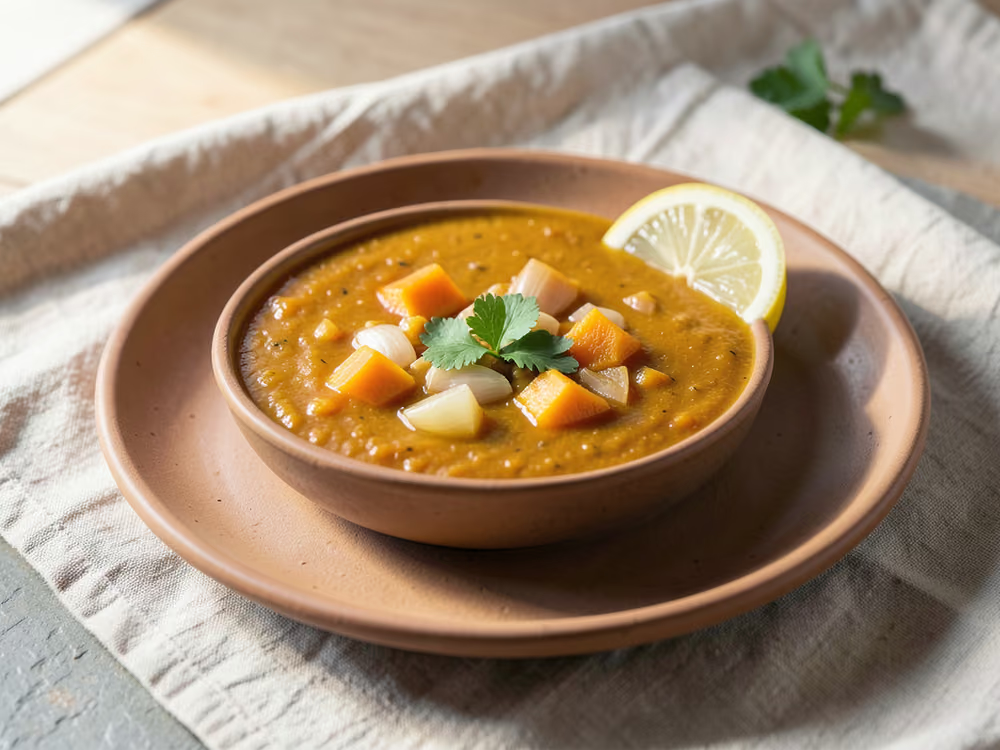
In a large bowl, toss the 1.2 kg cubed butternut squash with 1 tbsp olive oil, 0.5 tsp salt, and 0.25 tsp black pepper until evenly coated.
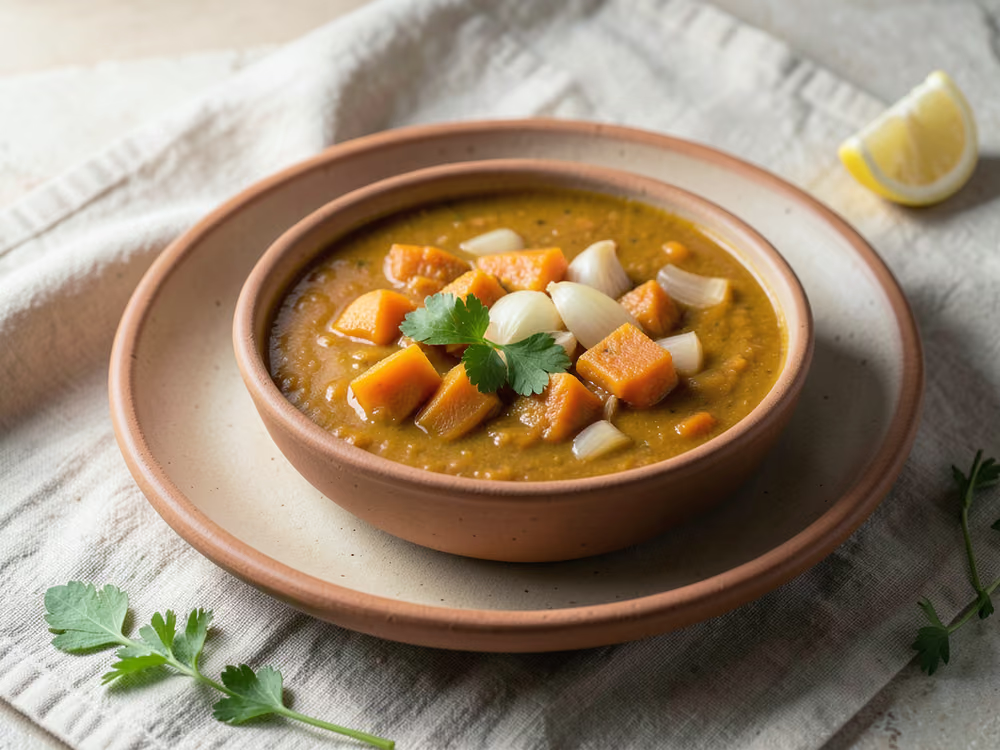
Spread the squash in a single layer on the prepared baking sheet. Roast for 30–35 minutes, flipping halfway, until the edges are caramelized and a fork slides in with no resistance.
While the squash roasts, heat the remaining 1 tbsp olive oil in a large pot over medium heat. Add the chopped yellow onion and cook for 5–6 minutes until soft and translucent.
Add the 3 smashed garlic cloves to the pot and cook for 1 minute until fragrant, stirring constantly to prevent burning.
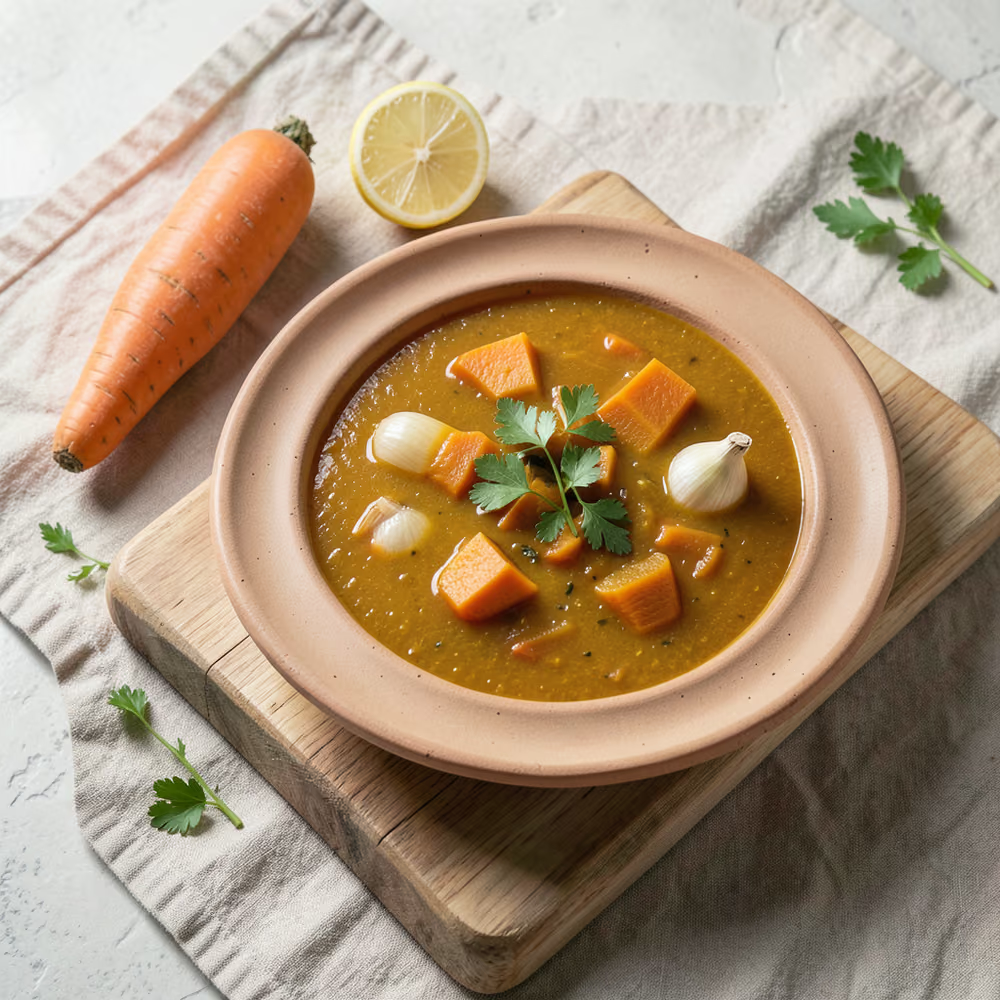
Add the roasted butternut squash and 750 ml vegetable broth to the pot. Bring to a simmer, then reduce heat to low and cook for 10 minutes to meld the flavors.
Remove the pot from heat. Blend the soup until completely smooth using an immersion blender, or carefully transfer in batches to a stand blender (fill no more than halfway and vent the lid).
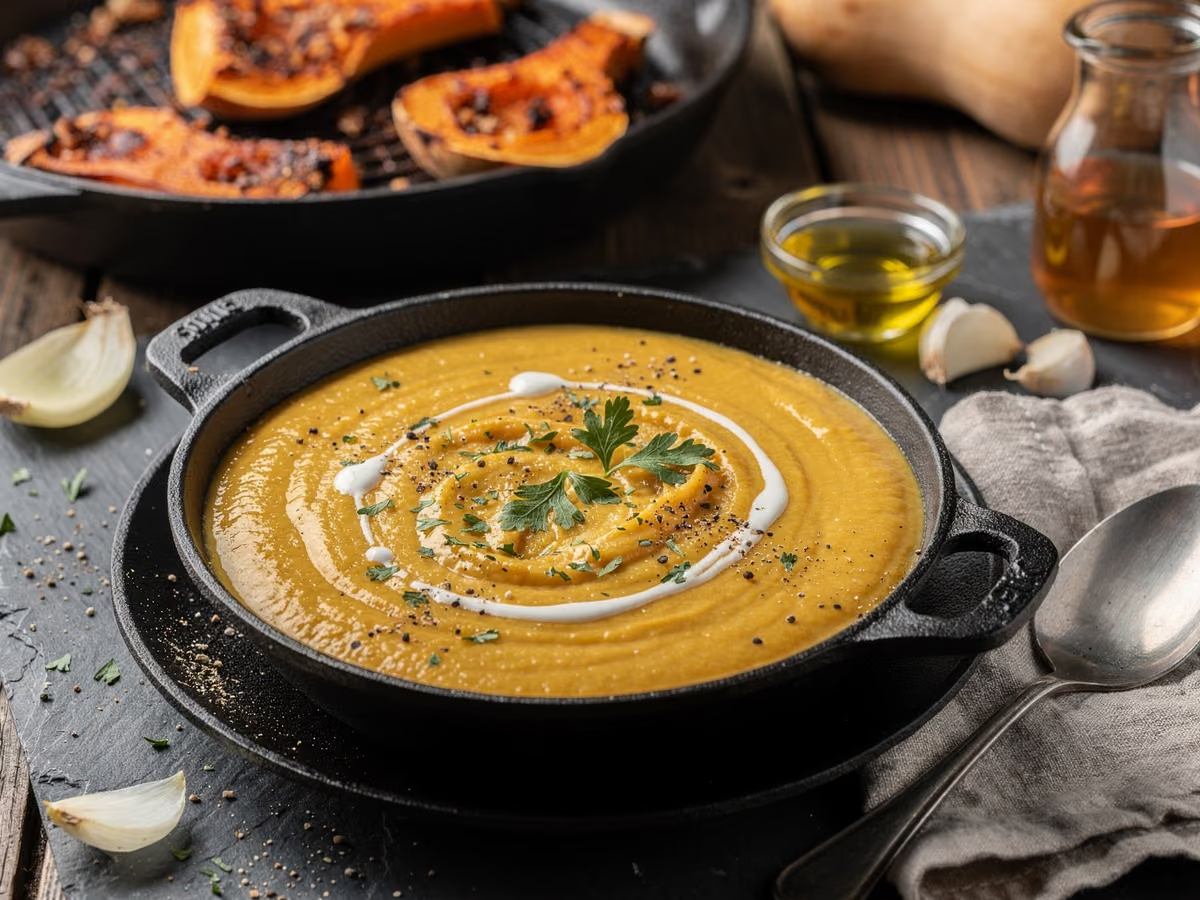
Return the blended soup to low heat. Stir in 60 ml heavy cream, 0.25 tsp ground nutmeg, and 1 tsp maple syrup if using. Taste and adjust salt and pepper. Serve hot.
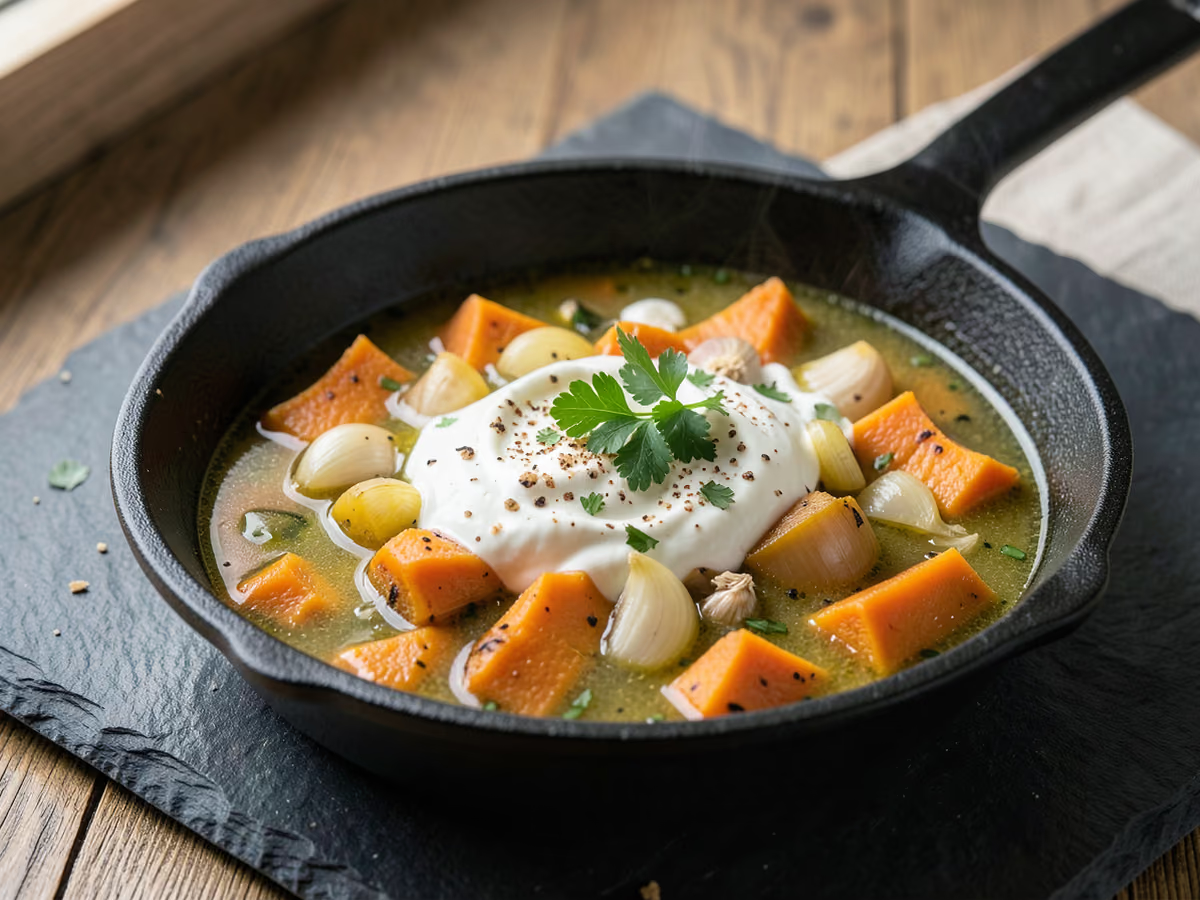
Kitchen notes
Kitchen notes
- The most common mistake is under-roasting the squash. It must be fork-tender with browned edges; this is where the soup gets its deep flavor. If it is still firm, it will taste bland and watery.
- When blending hot soup in a stand blender, never fill it more than halfway and always remove the center cap and cover with a folded towel. Trapped steam can cause the lid to blow off and burn you.
- For a dairy-free version, replace the heavy cream with full-fat coconut milk. Add it off the heat and blend again for a smooth texture.
- If the soup is too thick after blending, thin it with additional vegetable broth, 60 ml at a time, until it reaches a pourable but creamy consistency.
Substitutions
- butternut squash→kabocha squash or pumpkin (same weight, peeled and cubed)
- heavy cream→full-fat coconut milk for dairy-free
- vegetable broth→chicken broth if not vegetarian
- maple syrup→honey or brown sugar
Storage & reheating
Store cooled soup in an airtight container in the refrigerator for up to 4 days. To freeze, transfer to a freezer-safe container, leaving 2.5 cm headspace, and freeze for up to 3 months. Thaw overnight in the refrigerator. Reheat gently on the stovetop over low heat, stirring often, or in the microwave in 1-minute bursts, until steaming hot. Do not boil after adding cream, as it can curdle.
Gallery
FAQ
The questions we get asked most
Why is my roasted butternut squash soup bland?
The most likely cause is under-roasting the squash. It needs to be fork-tender with caramelized edges to develop sweetness. Also, season the squash before roasting and taste the soup before serving, adding more salt if needed. A squeeze of fresh lemon juice or a pinch of nutmeg can brighten the flavor.
Can I use frozen butternut squash for this soup?
Yes, but do not roast it from frozen. Thaw and drain the squash well, pat it dry, then toss with oil and roast at 200°C for 20–25 minutes until browned. Frozen squash releases more water, so the final soup may be thinner; reduce the broth to 600 ml and adjust after blending.
How do I make this soup dairy-free?
Replace the heavy cream with full-fat coconut milk. Add it after blending and stir over low heat until warmed through. Do not boil, or the coconut milk may separate. The soup will have a slight coconut aroma, which pairs well with the nutmeg.
Can I make this roasted butternut squash soup ahead of time?
Yes. Prepare the soup through blending, then cool and refrigerate for up to 4 days. Reheat gently on the stovetop, adding a splash of broth or water if it has thickened. Stir in the cream just before serving for the best texture.
How do I know when the butternut squash is fully roasted?
A fork or knife should slide into the largest cube with no resistance, and the edges should be browned and slightly shriveled. If the squash is still firm, continue roasting in 5-minute increments. Overcrowding the pan steams the squash instead of roasting it, so use a large sheet and spread the cubes in a single layer.
Can I freeze this soup?
Yes, but freeze it before adding the cream for the best results. Cool completely, transfer to freezer-safe containers, leaving 2.5 cm headspace, and freeze for up to 3 months. Thaw overnight in the refrigerator, reheat gently, and stir in the cream just before serving.
Why did my soup turn out watery?
The squash may have been under-roasted or steamed instead of roasted, releasing excess water. Also, different squash varieties have varying water content. To fix a watery batch, simmer the soup uncovered over low heat for 10–15 minutes to evaporate some liquid, or blend in a few tablespoons of cooked white beans or a small boiled potato for body.
Ask KitchenMind about this recipe
Tell it what’s different tonight — it works within the actual recipe.