- Prep
- 20 min
- Cook
- 40 min
- Total
- 60 min
- Serves
- 6
Ingredients
What you’ll need — tap to tick off as you go
- 1 ½ kg
- 250 ml
- 60 g
- 50 g
- 500 ml
- 600 g
- 1 tsp
- 250 ml
- 1 tsp
- ½ tsp
- 2 tbsp
Process
Timers built in · swap anything · ask as you cook
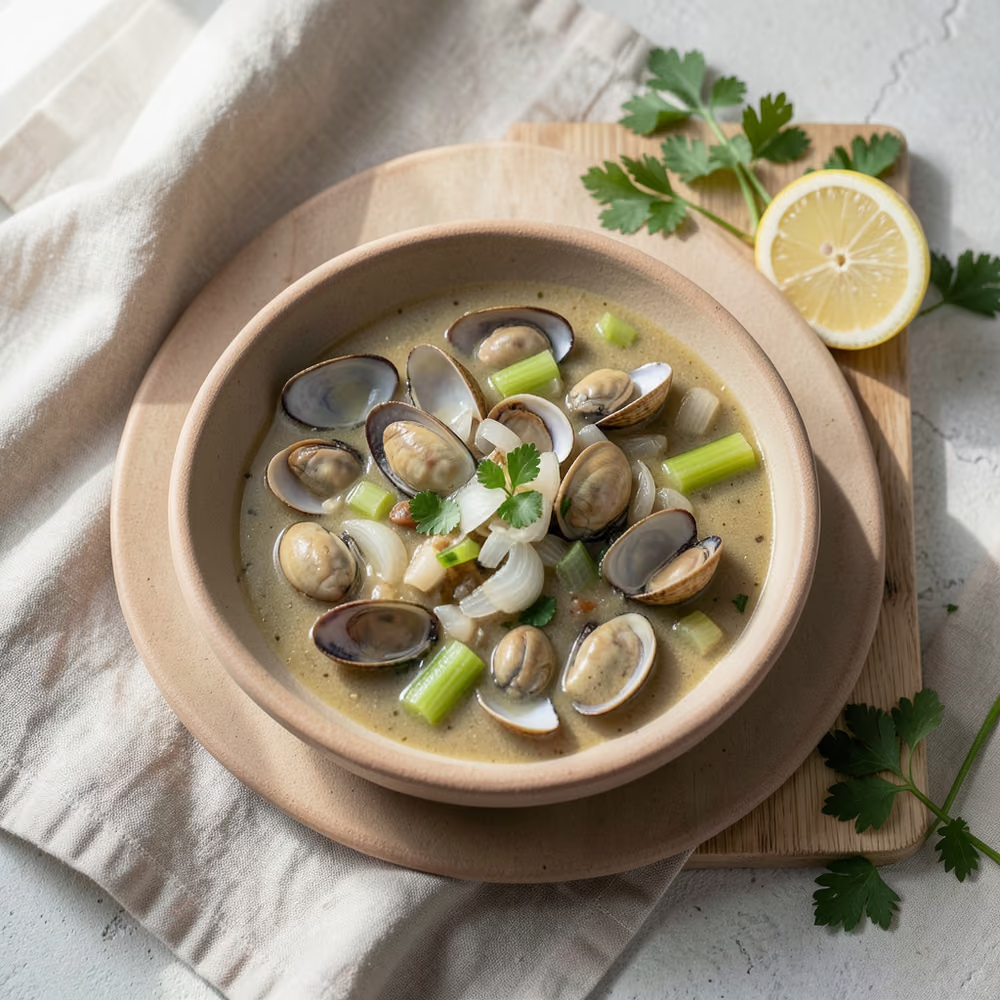
Rinse the clams under cold water. Place them in a large pot with 250 ml water. Cover and bring to a boil over high heat. Reduce to medium and steam for 5–7 minutes until the clams open. Discard any that remain closed.
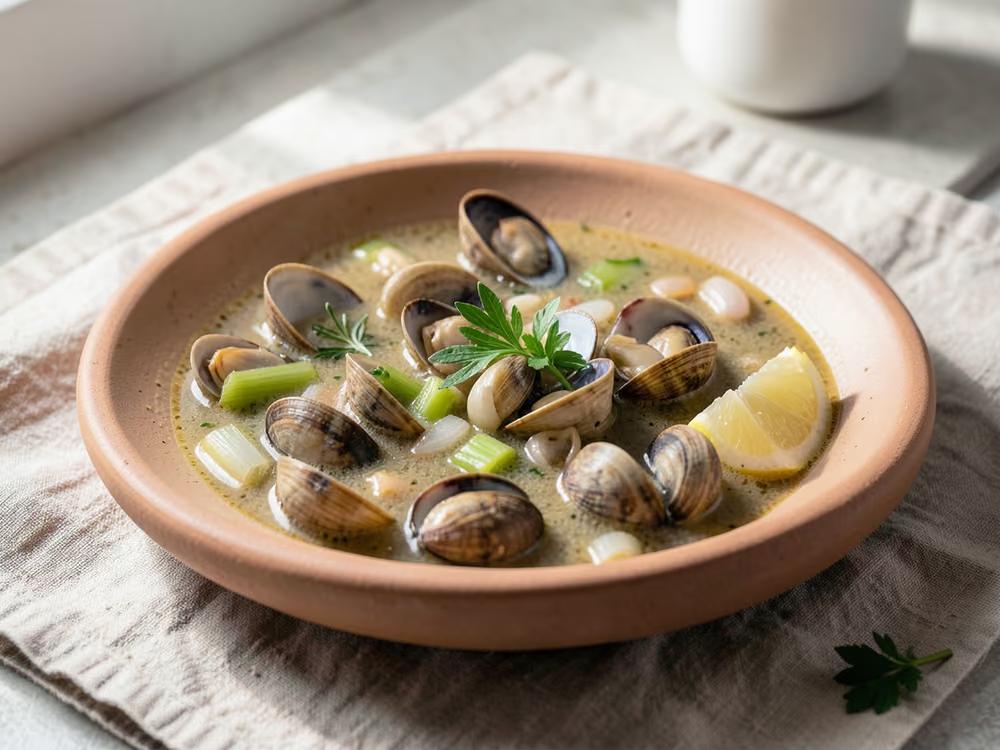
Remove the clams from the pot, reserving the steaming liquid. Strain the liquid through a fine sieve to remove grit. Set aside. When cool enough to handle, shuck the clams, removing the meat from the shells. Chop the clam meat roughly and set aside.
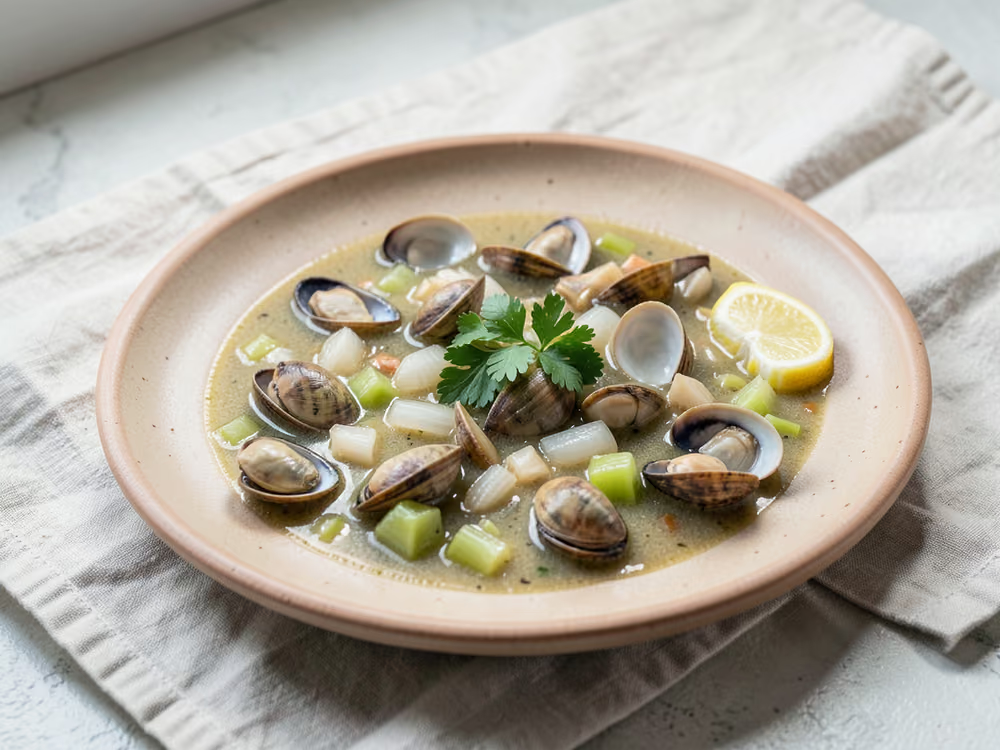
In a large heavy-bottomed pot or Dutch oven, melt the butter over medium heat. Add the onion and celery and cook, stirring occasionally, until softened, about 5 minutes.
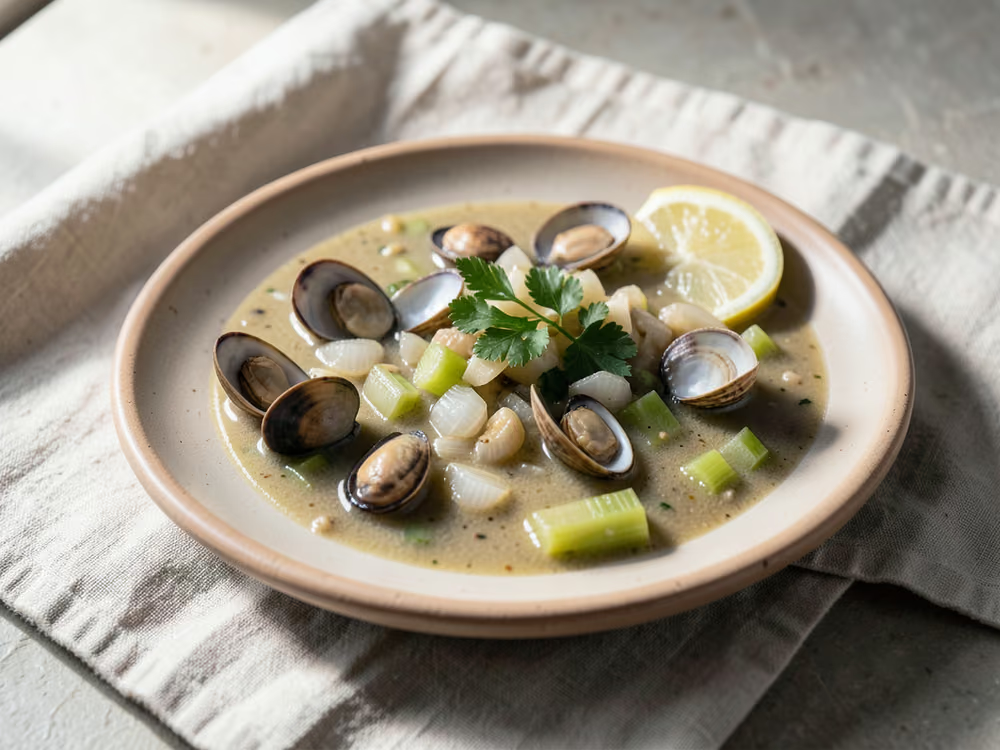
Sprinkle the all-purpose flour over the vegetables and stir constantly for 2 minutes to cook the flour without browning.
Gradually whisk in the clam juice and the reserved steaming liquid (you should have about 750 ml total; top up with water if needed). Add the potatoes, bay leaf, and thyme. Bring to a simmer, then reduce heat to low and cook until the potatoes are tender, about 15 minutes.
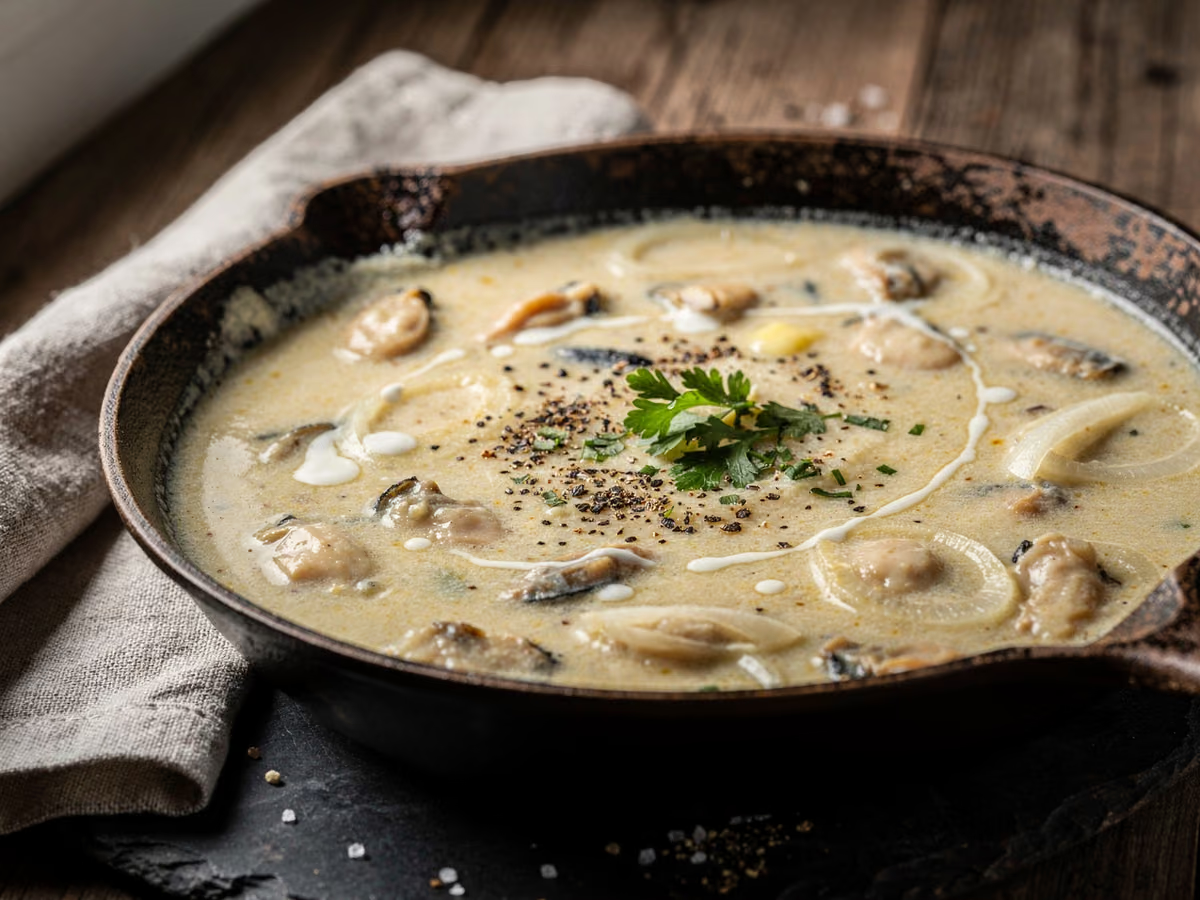
Stir in the heavy cream and the chopped clams. Simmer gently for 5 minutes, being careful not to boil.
Season with salt and black pepper to taste. Remove the bay leaf. Ladle into bowls and garnish with fresh parsley.
Kitchen notes
Kitchen notes
- The most common mistake is boiling the chowder after adding the cream, which can curdle it. Keep the heat low and stir gently; you want a bare simmer, not a rolling boil.
- Potatoes are done when a knife slides in with no resistance but they still hold their shape. Start checking at 12 minutes to avoid turning them to mush.
- When cooking the flour into the butter and vegetables, stir constantly for the full 2 minutes to eliminate the raw flour taste, but do not let it brown or the chowder will darken.
- Add the chopped clams only in the last 5 minutes of simmering. Any longer and they turn rubbery; they are already cooked from steaming.
Substitutions
- fresh clams→2 x 280 g cans of chopped clams, using their juice as part of the 500 ml clam juice and skipping the steaming step
- heavy cream→half-and-half or whole milk, but increase the flour to 60 g to maintain thickness
- fresh thyme→dried thyme, using 1/2 tsp instead of 1 tsp
- butter→olive oil or a plant-based butter substitute for a dairy-free version, though the flavor will be less rich
Storage & reheating
Store leftover chowder in an airtight container in the refrigerator for up to 3 days. To freeze, cool completely and transfer to a freezer-safe container, leaving 2 cm headspace; freeze for up to 2 months. Thaw overnight in the refrigerator. Reheat gently on the stovetop over low heat, stirring frequently, until it reaches 74°C (165°F); do not boil. If the chowder has thickened too much after refrigeration, stir in a splash of water or milk to loosen it.
FAQ
The questions we get asked most
Why did my clam chowder turn out watery?
The most likely cause is not cooking the flour long enough or not whisking it thoroughly into the liquid. The roux needs a full 2 minutes of stirring to thicken properly. Also, if you added extra water or clam juice beyond the recipe amount, the balance is off; stick to 750 ml total liquid before adding the cream.
Can I use canned clams instead of fresh?
Yes. Use two 280 g cans of chopped clams, reserving their juice. Skip the steaming step and add the canned clams with their juice in step 6, simmering for just 5 minutes. You may need less salt since canned clams are already salty, so taste before seasoning.
How do I know when the potatoes are done?
Pierce a potato chunk with a paring knife; it should slide in with no resistance but the potato should still hold its shape. Start checking at 12 minutes of simmering. Overcooked potatoes will break down and make the chowder cloudy and thick.
Can I make this chowder ahead of time?
Yes, you can make it up to 2 days ahead. Cool it quickly, then refrigerate in an airtight container. Reheat gently on the stovetop over low heat, stirring often, until hot but not boiling. The flavor actually improves overnight, but the potatoes may absorb liquid, so you might need to add a splash of water or milk when reheating.
Why did my chowder curdle or separate?
Curdling happens when the cream is added to a boiling liquid or when the chowder is boiled after the cream is in. Always reduce the heat to low before stirring in the cream and keep it at a bare simmer. If it does curdle, you can sometimes rescue it by whisking in a tablespoon of flour mixed with cold water, but prevention is easier.
Can I freeze clam chowder?
Yes, but the texture of the potatoes and cream may change slightly upon thawing. Freeze in an airtight container for up to 2 months. Thaw overnight in the refrigerator, then reheat gently over low heat, stirring frequently. Do not boil. For best quality, freeze without the cream and add it during reheating.
Ask KitchenMind about this recipe
Tell it what’s different tonight — it works within the actual recipe.