- Prep
- 15 min
- Cook
- 30 min
- Total
- 45 min
- Serves
- 4
Ingredients
What you’ll need — tap to tick off as you go
- 2 tbsp
- 3 cloves
- 1 l
- 1 tsp
- ½ tsp
- 1 tbsp
- 2 tbsp
- 2 tbsp
Process
Timers built in · swap anything · ask as you cook
Cut the cauliflower into small florets, discarding the thick core. Chop the onion and slice the garlic.
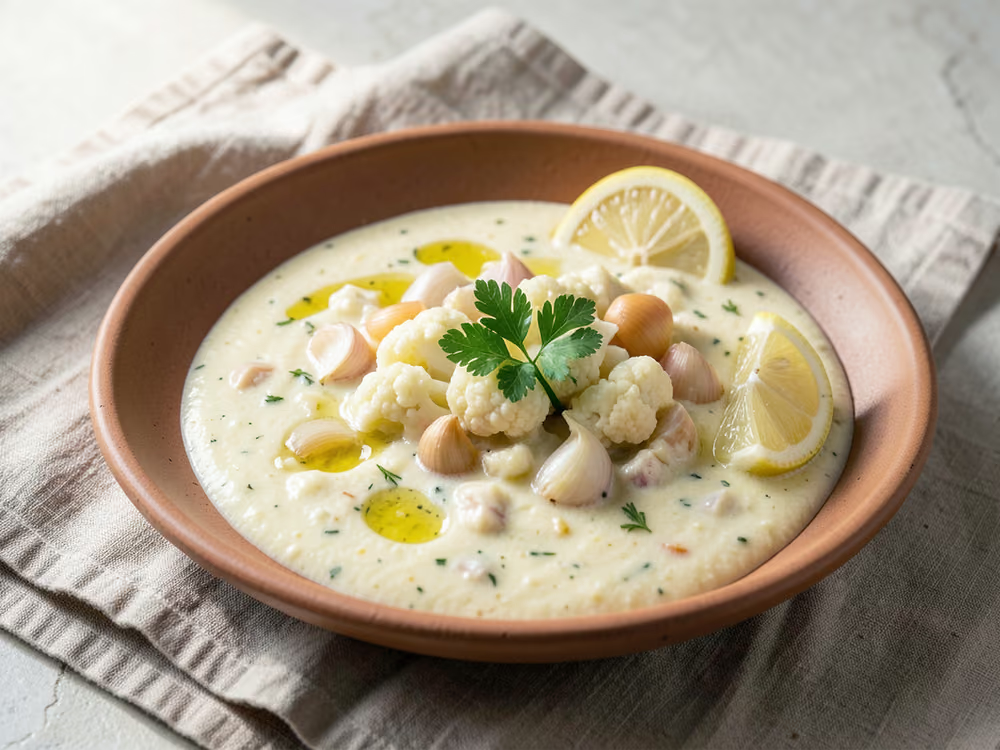
In a large pot, heat 2 tbsp olive oil over medium heat. Add the onion and cook until soft and translucent, about 5 minutes.
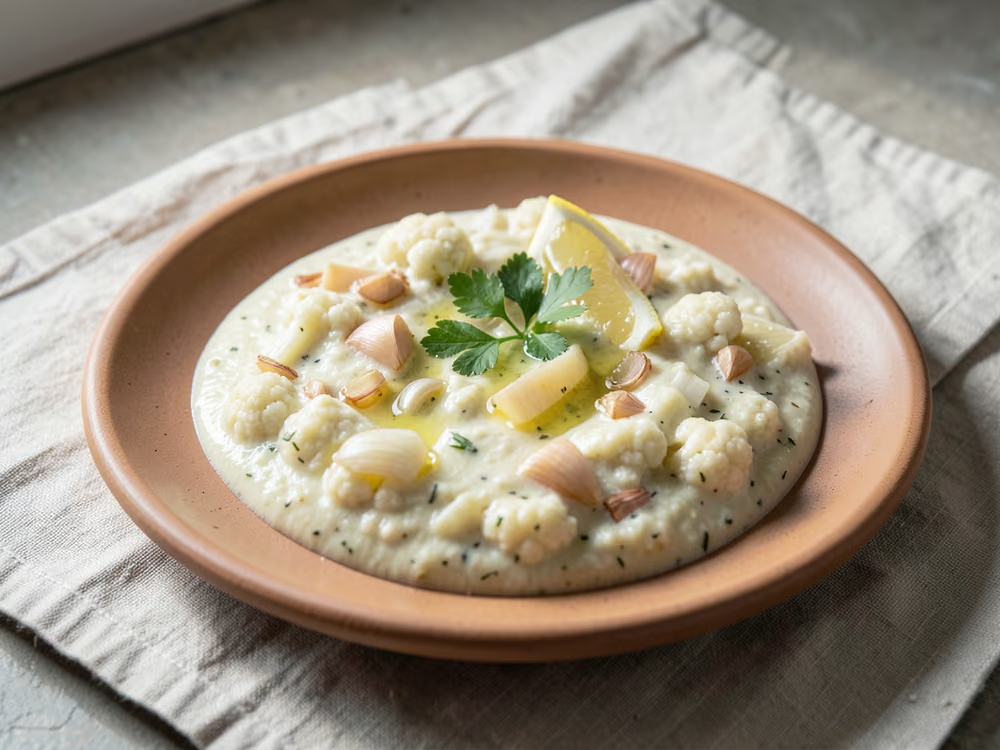
Add the garlic and cook for 1 minute until fragrant, not browned.

Add the cauliflower florets, 1 tsp salt, and 0.5 tsp black pepper. Stir to coat and cook for 2 minutes.
Pour in 1 liter vegetable broth. Bring to a boil, then reduce heat to low, cover, and simmer until cauliflower is very tender, about 20 minutes. A knife should slide through a floret with no resistance.
Remove from heat. If using tahini, stir in 2 tbsp tahini. Let cool slightly, then blend the soup in batches until completely smooth using a blender or immersion blender.
Return the blended soup to the pot. Stir in 1 tbsp lemon juice. Taste and adjust salt and pepper. If the soup is too thick, add a splash of broth or water.
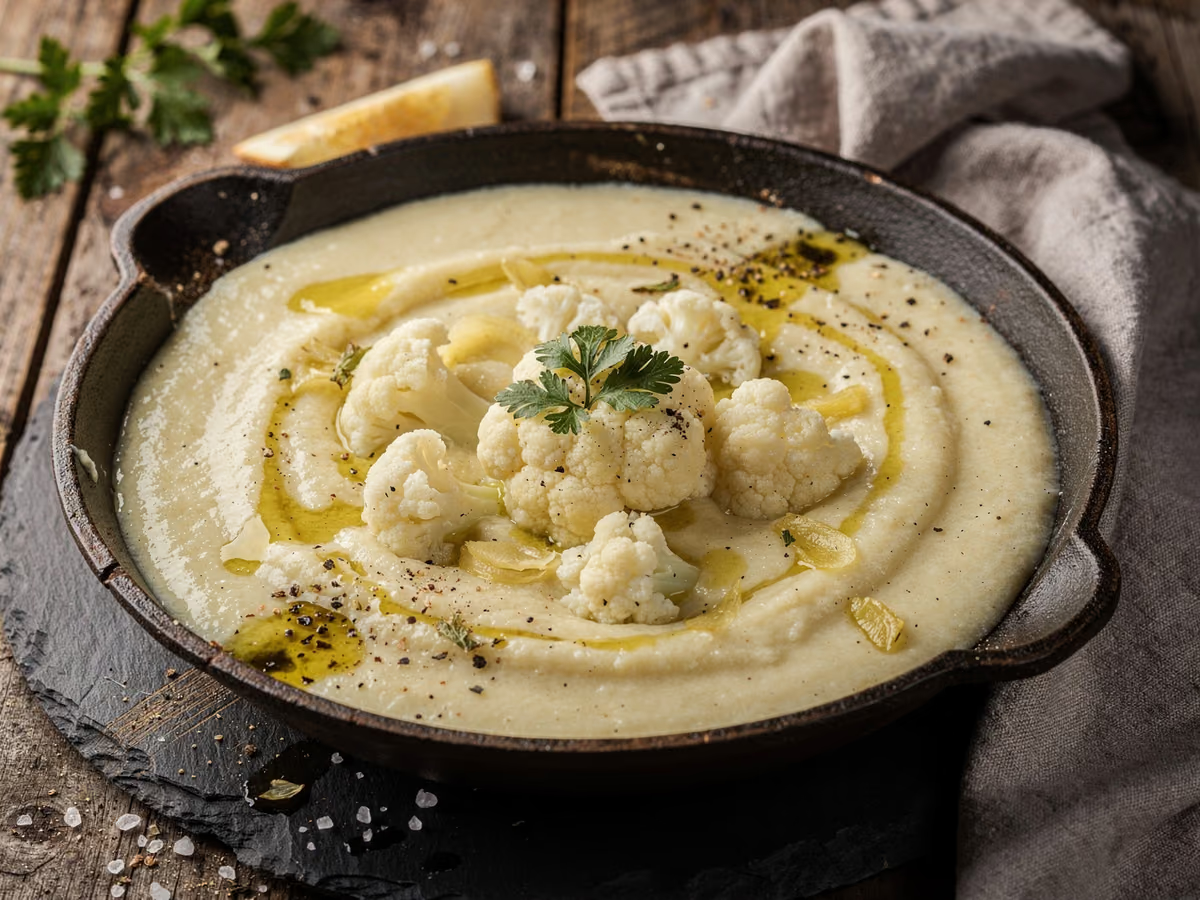
Serve hot, garnished with chopped chives and a drizzle of olive oil if desired.
Kitchen notes
Kitchen notes
- The most common mistake is not cooking the cauliflower long enough before blending; undercooked florets will leave a gritty texture. Simmer until a floret easily mashes against the side of the pot with a spoon.
- For a silky texture, blend the soup in small batches and vent the blender lid to avoid steam buildup. If using an immersion blender, tilt the pot and blend thoroughly, moving the blender head around to catch all pieces.
- Tahini adds richness but can make the soup slightly bitter if overused; start with 1 tbsp and adjust. A squeeze of lemon at the end brightens the flavor and balances the sweetness of the cauliflower.
- If the soup tastes flat, it likely needs more salt or acid. Add salt in small increments, then a few drops of lemon juice, tasting after each addition.
Substitutions
- vegetable broth→chicken broth (if not vegetarian)
- tahini→cashew cream or full-fat coconut milk
- chives→parsley or dill
Storage & reheating
Store cooled soup in an airtight container in the refrigerator for up to 4 days. To freeze, portion into freezer-safe containers and freeze for up to 3 months; thaw overnight in the refrigerator. Reheat gently on the stovetop over medium-low heat, stirring occasionally, until hot, about 5-7 minutes. If the soup has thickened, stir in a little water or broth to reach desired consistency.
FAQ
The questions we get asked most
Why is my cauliflower soup gritty?
Grittiness usually means the cauliflower was not cooked until fully tender before blending. Simmer the florets until they crush easily with the back of a spoon, which can take 20-25 minutes depending on the size of the pieces. Also, blend for a full 1-2 minutes until the texture is completely smooth, scraping down the sides as needed.
Can I make this soup without a blender?
Yes, you can use an immersion blender directly in the pot, which is easier and avoids transferring hot liquid. If you do not have either, mash the cauliflower thoroughly with a potato masher for a rustic texture, though it will not be as creamy. For a smoother result without a blender, push the cooked mixture through a fine-mesh sieve or food mill.
How do I make the soup creamier without dairy?
Add 2 tablespoons of tahini or cashew cream after cooking, or blend in a peeled, boiled potato with the cauliflower. Full-fat coconut milk (about 1/2 cup) also adds richness but will impart a mild coconut flavor. For a neutral taste, use unsweetened oat cream or blended silken tofu.
Can I use frozen cauliflower?
Yes, frozen cauliflower works well and saves prep time. Use about 1.5 kg frozen florets and add them directly to the pot with the broth; you may need to simmer 2-3 minutes longer. Frozen cauliflower is often blanched before freezing, so it may cook faster, so check tenderness after 15 minutes.
Why did my soup turn out bitter?
Bitterness can come from garlic that was browned or burned, or from tahini that is past its prime. Cook garlic only until fragrant, about 1 minute, and do not let it brown. If using tahini, taste it first; if it is bitter, omit it and add a little olive oil instead. A squeeze of lemon juice can also help mask slight bitterness.
How can I thicken cauliflower soup if it is too thin?
Simmer the soup uncovered for 5-10 minutes to evaporate excess liquid, stirring occasionally. Alternatively, blend in a cooked potato or a tablespoon of cornstarch slurry (mix 1 tbsp cornstarch with 2 tbsp water, then stir into the simmering soup and cook for 2 minutes). Avoid adding flour directly, as it can clump.
Can I add other vegetables to this soup?
Yes, you can add chopped leeks, celery, or a small potato along with the onion for extra depth. If adding quick-cooking vegetables like spinach or peas, stir them in during the last 5 minutes of simmering. Adjust the broth amount if you add a lot of extra vegetables to avoid diluting the flavor.
Ask KitchenMind about this recipe
Tell it what’s different tonight — it works within the actual recipe.