- Prep
- 30 min
- Cook
- 30 min
- Total
- 60 min
- Serves
- 4
Ingredients
What you’ll need — tap to tick off as you go
- 8 slices
- 120 g
- 60 g
- 120 g
- 30 g
- 1 tsp
- ½ tsp
- ½ tsp
- 2 tbsp
- 2 tbsp
Process
Timers built in · swap anything · ask as you cook
Preheat oven to 190°C. Place each chicken breast between two sheets of plastic wrap and pound with a rolling pin or mallet to an even 1 cm thickness. Season both sides with salt, black pepper and paprika.
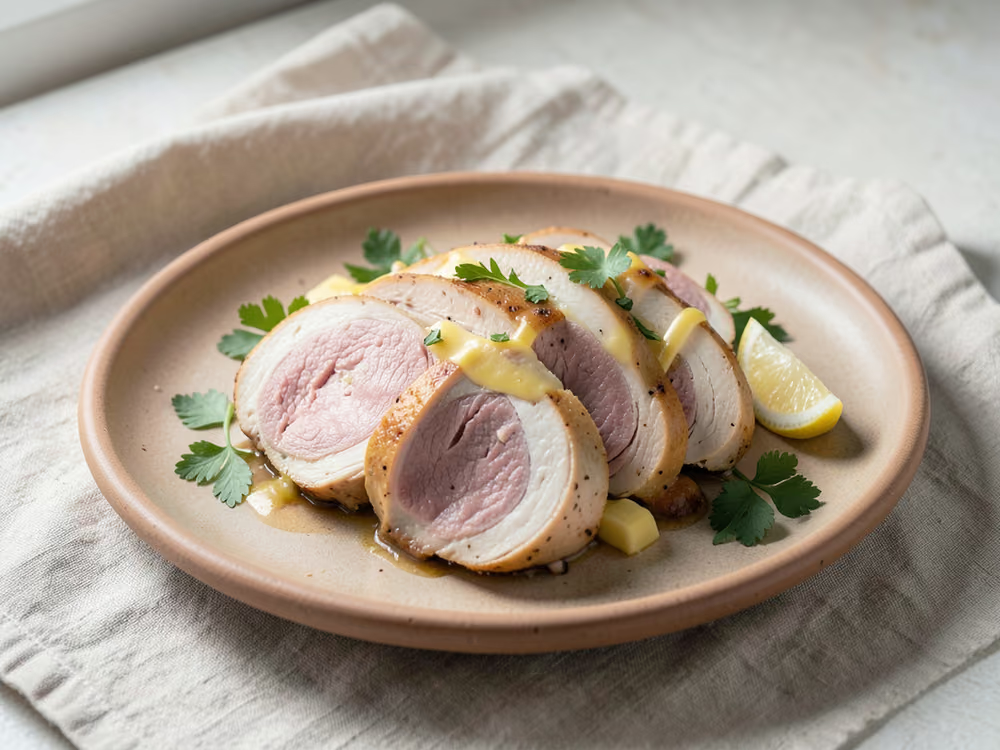
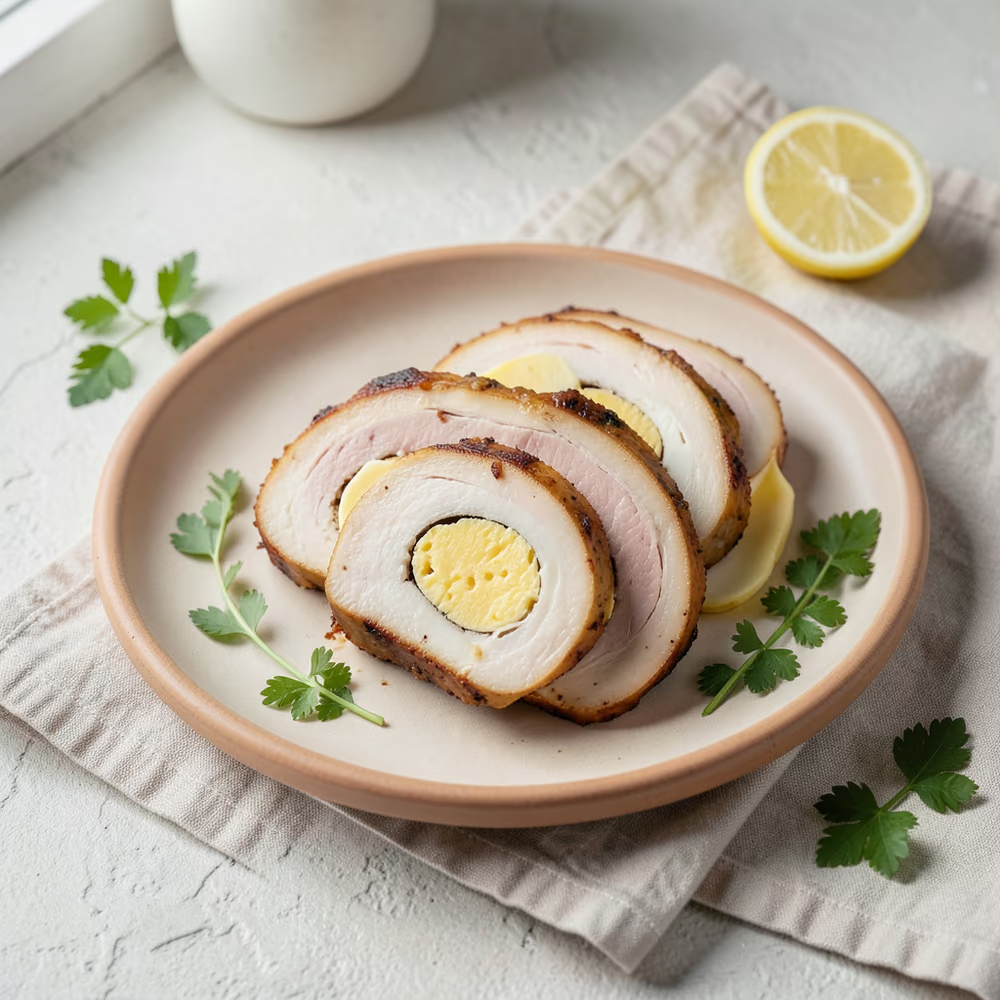
Lay the pounded chicken flat. Cover each with 2 slices of smoked turkey, leaving a 1 cm border. Place one stick of Swiss cheese at one short end. Roll up tightly from that end, tucking in the sides as you go. Secure each roll with 2 toothpicks.
Set up three shallow dishes: one with all-purpose flour, one with beaten eggs, and one with panko breadcrumbs mixed with grated Parmesan cheese.
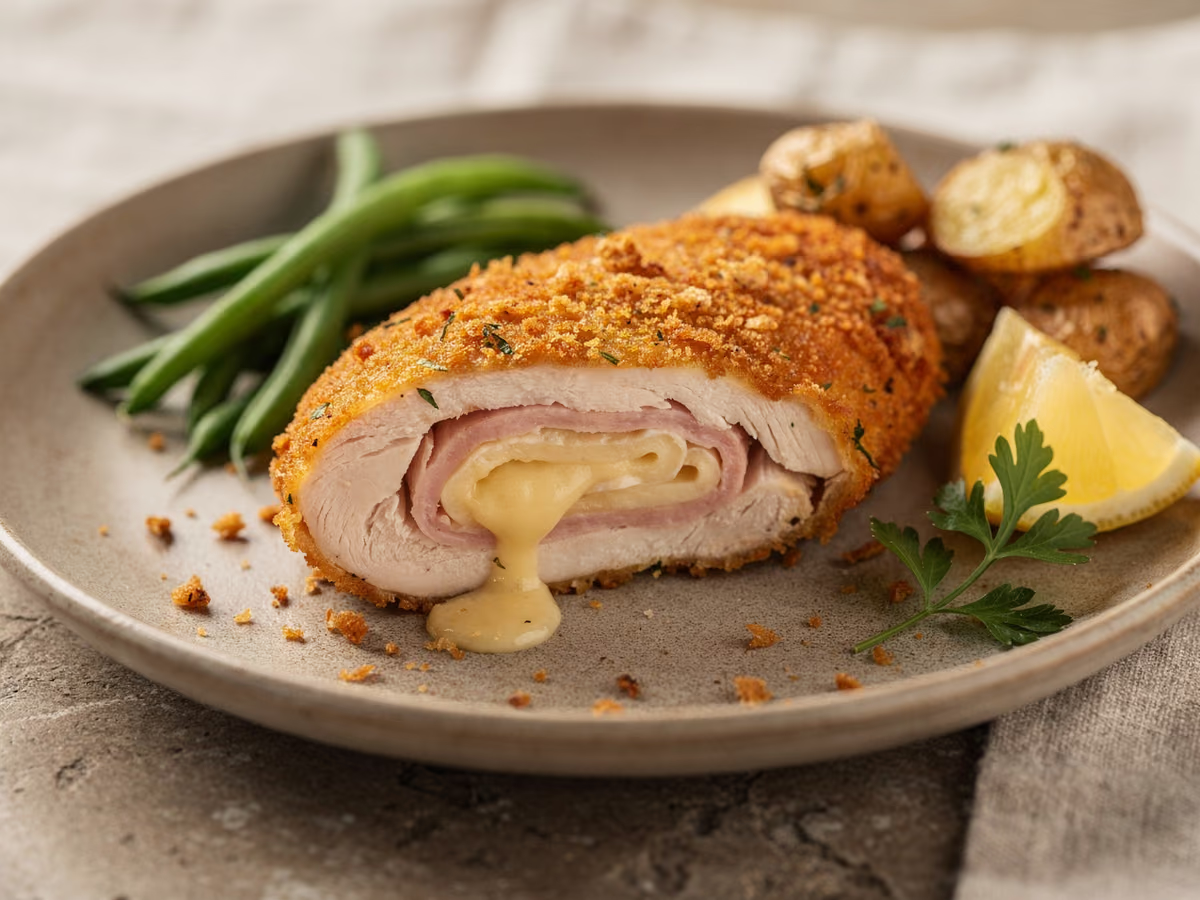
Dredge each chicken roll in flour, shaking off excess. Dip into the egg, then press firmly into the panko-Parmesan mixture, coating all sides. Place on a plate and refrigerate for 10 minutes to set the coating.
Heat olive oil and unsalted butter in a large oven-safe skillet over medium-high heat. Once the butter foams, add the chicken rolls seam-side down. Cook for 2–3 minutes per side until golden brown, turning carefully with tongs. Sear all sides, about 6–8 minutes total.
Transfer the skillet to the preheated oven. Bake for 15–20 minutes, until the internal temperature of the chicken reaches 74°C and the cheese is melted. If the crust browns too fast, tent loosely with foil.
Remove from oven and rest for 5 minutes. Carefully remove toothpicks. Slice each roll crosswise into 2 cm rounds and serve hot.
Kitchen notes
Kitchen notes
- The most common mistake is not sealing the rolls well: tuck the sides in and use toothpicks so the cheese does not leak out during frying. If any cheese escapes, it will burn in the pan, so wipe the pan if needed.
- Pounding the chicken to an even 1 cm thickness is crucial. Uneven thickness leads to dry edges and undercooked centers. Use a gentle, outward motion with the mallet.
- Chilling the breaded rolls for 10 minutes before frying helps the coating adhere and prevents it from sliding off in the pan.
- For a crispier crust, after baking, you can broil for 1-2 minutes, but watch closely as panko burns quickly.
- If you do not have an oven-safe skillet, transfer the seared rolls to a baking sheet lined with parchment paper before baking.
Substitutions
- smoked turkey slices→sliced roast chicken or smoked beef
- Swiss cheese→Gruyere or Emmental
- panko breadcrumbs→regular dry breadcrumbs or crushed cornflakes
- all-purpose flour→rice flour for gluten-free option
Storage & reheating
Store leftovers in an airtight container in the refrigerator for up to 3 days. To reheat, place on a baking sheet in a 180°C oven for 10-12 minutes, until heated through and the crust re-crisps. Avoid microwaving, as it makes the breading soggy. For longer storage, freeze the unbaked breaded rolls on a parchment-lined tray until solid, then transfer to a freezer bag for up to 2 months. Bake from frozen at 190°C for 30-35 minutes, until cooked through.
FAQ
The questions we get asked most
Why did my cheese leak out during cooking?
Cheese leaks when the rolls are not sealed tightly or the coating has gaps. Make sure to tuck the sides in before rolling and secure with toothpicks. Also, chill the rolls before frying to set the coating, and avoid overcrowding the pan, which can cause steam and blowouts.
Can I use chicken thighs instead of breasts?
Yes, boneless skinless chicken thighs work well and stay juicy. Pound them to an even thickness, but note they may take a few minutes longer to cook. Ensure the internal temperature reaches 74°C.
How do I know when the chicken is fully cooked?
The best way is to use an instant-read thermometer inserted into the thickest part of the roll; it should read 74°C. Alternatively, cut into a roll: the chicken should be white and opaque, and the cheese fully melted.
Can I make this ahead of time?
Yes, you can assemble and bread the rolls up to 24 hours in advance. Keep them covered in the refrigerator. For best results, fry and bake just before serving. You can also freeze the unbaked rolls for up to 2 months.
What can I use instead of Swiss cheese?
Gruyere, Emmental, or even mozzarella work well. Choose a cheese that melts smoothly. Avoid very soft cheeses like brie, as they may ooze out too much.
Why is my breading soggy?
Sogginess happens if the oil is not hot enough or the rolls are overcrowded. Heat the oil until a breadcrumb sizzles immediately, and fry in batches. Also, ensure the chicken is well-drained after pounding and patted dry before breading.
Can I bake these instead of frying?
Yes, for a lighter version, place the breaded rolls on a greased baking sheet, drizzle with oil, and bake at 200°C for 20-25 minutes, turning halfway. The crust will be less crispy but still delicious.
Ask KitchenMind about this recipe
Tell it what’s different tonight — it works within the actual recipe.