- Prep
- 15 min
- Cook
- 15 min
- Total
- 30 min
- Serves
- 4
Ingredients
What you’ll need — tap to tick off as you go
- 600 g
- 120 g
- 150 g
- 1 tsp
- 1 tsp
- 1 tsp
- 1 ½ tsp
- ½ tsp
- 500 ml
Process
Timers built in · swap anything · ask as you cook
Pat the chicken breast strips completely dry with paper towels. Season both sides with a pinch of the fine salt and black pepper, then set aside for 10 minutes.
Set up three shallow bowls. In the first, mix the all-purpose flour with the smoked paprika, garlic powder, onion powder, and half of the remaining fine salt. In the second, beat the eggs. In the third, combine the panko breadcrumbs with the rest of the salt.
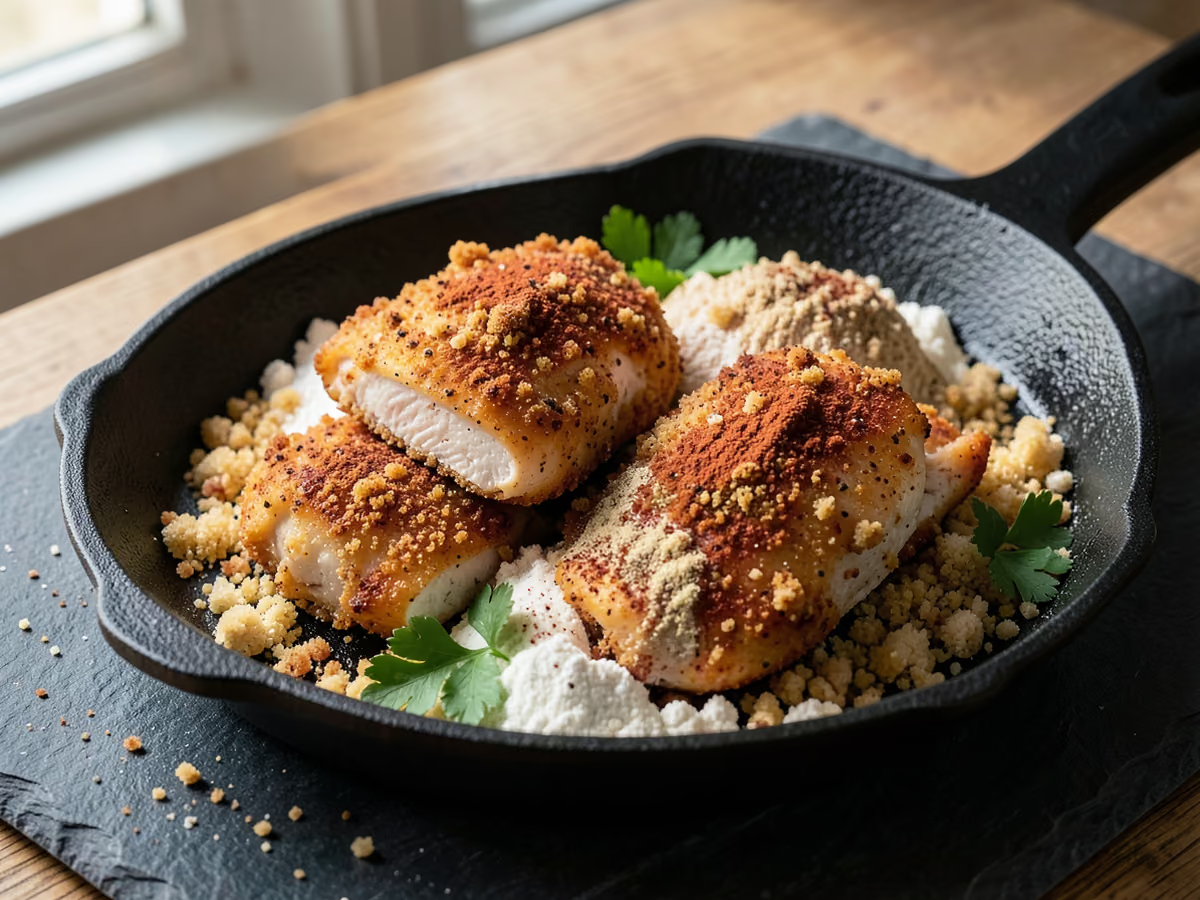
Working one strip at a time, dredge the chicken in the flour mixture, shaking off excess. Dip into the beaten eggs, letting excess drip off, then press firmly into the panko breadcrumbs until fully coated. Place on a wire rack and repeat with all strips.
Let the coated tenders rest on the rack for 10 minutes. This helps the coating adhere and prevents it from sliding off during frying.
Pour the neutral oil into a large heavy skillet to a depth of about 1.5 cm. Heat over medium-high until a breadcrumb dropped in sizzles immediately and rises to the surface.
Carefully place half the tenders in the hot oil, leaving space between them. Fry for 3 to 4 minutes per side, until the coating is deep golden brown and the chicken reaches 74°C in the thickest part. Adjust heat as needed to keep the oil at a steady sizzle without smoking.
Transfer the cooked tenders to a clean wire rack set over a baking sheet to drain. Repeat with the remaining tenders, bringing the oil back to temperature between batches.
Serve immediately with lemon wedges on the side for squeezing over the tenders.
Kitchen notes
Kitchen notes
- The most common mistake is frying at too low a temperature: the coating absorbs oil and turns greasy. The oil is ready when a breadcrumb sizzles instantly; if it sinks, wait longer.
- Do not crowd the pan. Fry in batches so the oil temperature does not drop, which steams the chicken and makes the crust soggy.
- For the crispiest crust, rest the coated tenders for 10 minutes before frying. This allows the egg and crumbs to set, preventing the coating from falling off.
- Chicken is done when the internal temperature reaches 74°C and the juices run clear. An instant-read thermometer is the most reliable test.
Substitutions
- panko breadcrumbs→crushed cornflakes or regular breadcrumbs
- chicken breast→chicken thighs (boneless, skinless), adjust cooking time slightly
- smoked paprika→sweet paprika or a pinch of cayenne pepper
- neutral oil→vegetable or peanut oil for frying
Storage & reheating
Store cooled tenders in an airtight container in the refrigerator for up to 3 days. To reheat, place on a wire rack over a baking sheet in a 200°C oven for 8 to 10 minutes, until hot and crisp. Avoid microwaving, which makes the coating soggy. For longer storage, freeze cooked tenders in a single layer on a baking sheet, then transfer to a freezer bag for up to 2 months. Reheat from frozen in a 200°C oven for 15 to 18 minutes.
FAQ
The questions we get asked most
Why did my chicken tenders turn out dry?
Overcooking is the main cause. Chicken breast is lean and dries out quickly past 74°C. Use an instant-read thermometer and pull the tenders as soon as they hit 74°C. Also, do not pound the strips too thin; a 2 cm thickness helps retain moisture.
Can I bake these instead of frying?
Yes. Arrange the coated tenders on a wire rack over a baking sheet, spray lightly with oil, and bake at 220°C for 12 to 15 minutes, flipping halfway. They will be crisp but slightly less crunchy than fried. For best results, use a wire rack to allow hot air to circulate.
How do I keep the coating from falling off?
Pat the chicken dry before coating, press the panko firmly onto the egg-dipped strips, and let them rest for 10 minutes before frying. This gives the coating time to adhere. Also, do not flip the tenders too early; wait until the first side is golden and releases easily from the pan.
Can I use chicken thighs instead of breast?
Yes. Boneless, skinless chicken thighs work well and stay juicy. Cut them into similar 2 cm strips and fry for the same time, but check doneness with a thermometer as thigh meat can vary in thickness. Thighs may take 1 to 2 minutes longer.
How do I know when the oil is hot enough?
Drop a small piece of panko or a breadcrumb into the oil. If it sizzles immediately and rises to the surface, the oil is ready, around 175°C to 180°C. If it sinks, the oil is too cold; if it burns instantly, it is too hot. Adjust the heat accordingly.
Can I make these tenders ahead of time?
You can bread the tenders up to 4 hours in advance and keep them covered in the refrigerator. Fry them just before serving for the best texture. Alternatively, fry them completely, cool, and reheat in a 200°C oven for 8 to 10 minutes to restore crispness.
What can I serve with crispy chicken tenders?
Classic sides include honey mustard, ranch dressing, or barbecue sauce for dipping, plus fries, coleslaw, or a simple green salad. For a lighter option, serve with steamed vegetables or a quinoa salad.
Ask KitchenMind about this recipe
Tell it what’s different tonight — it works within the actual recipe.