Chicken Saloona Stew
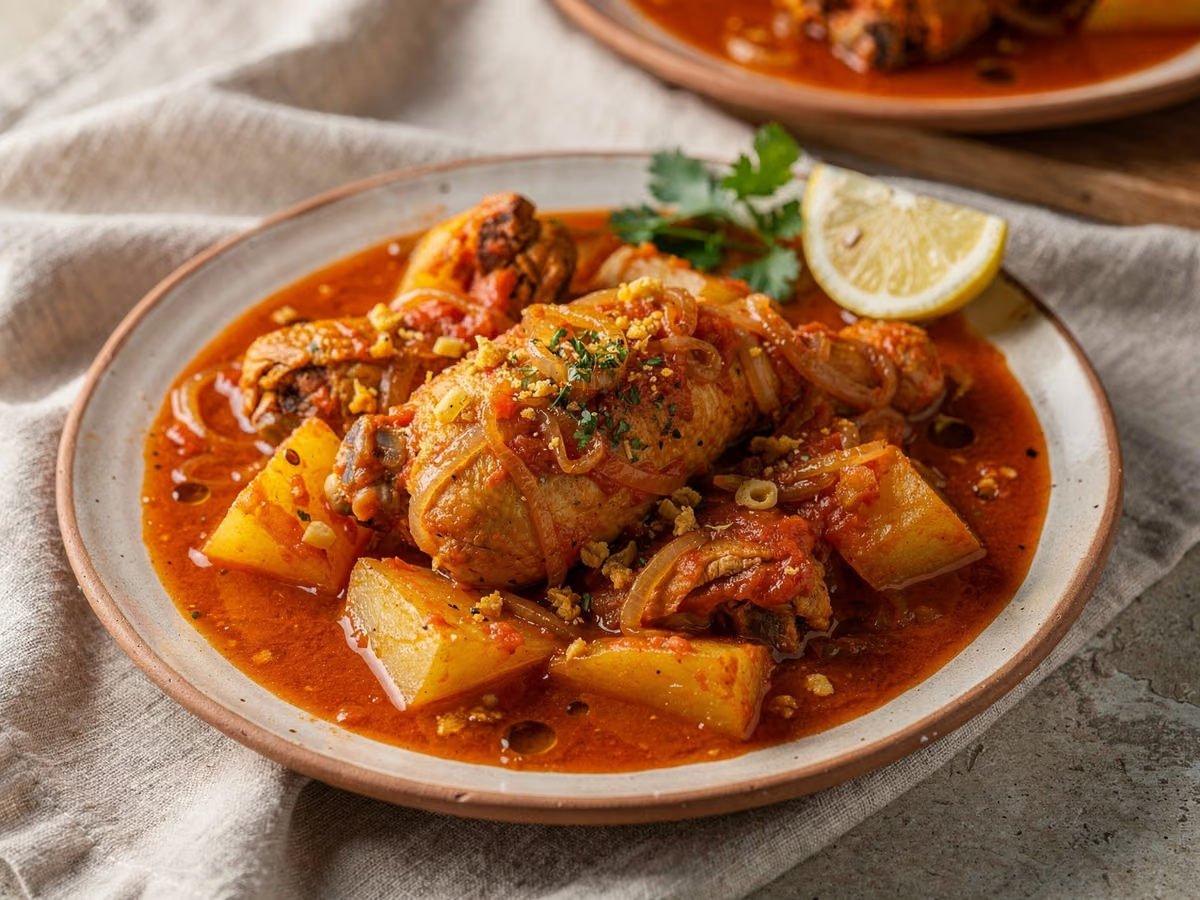
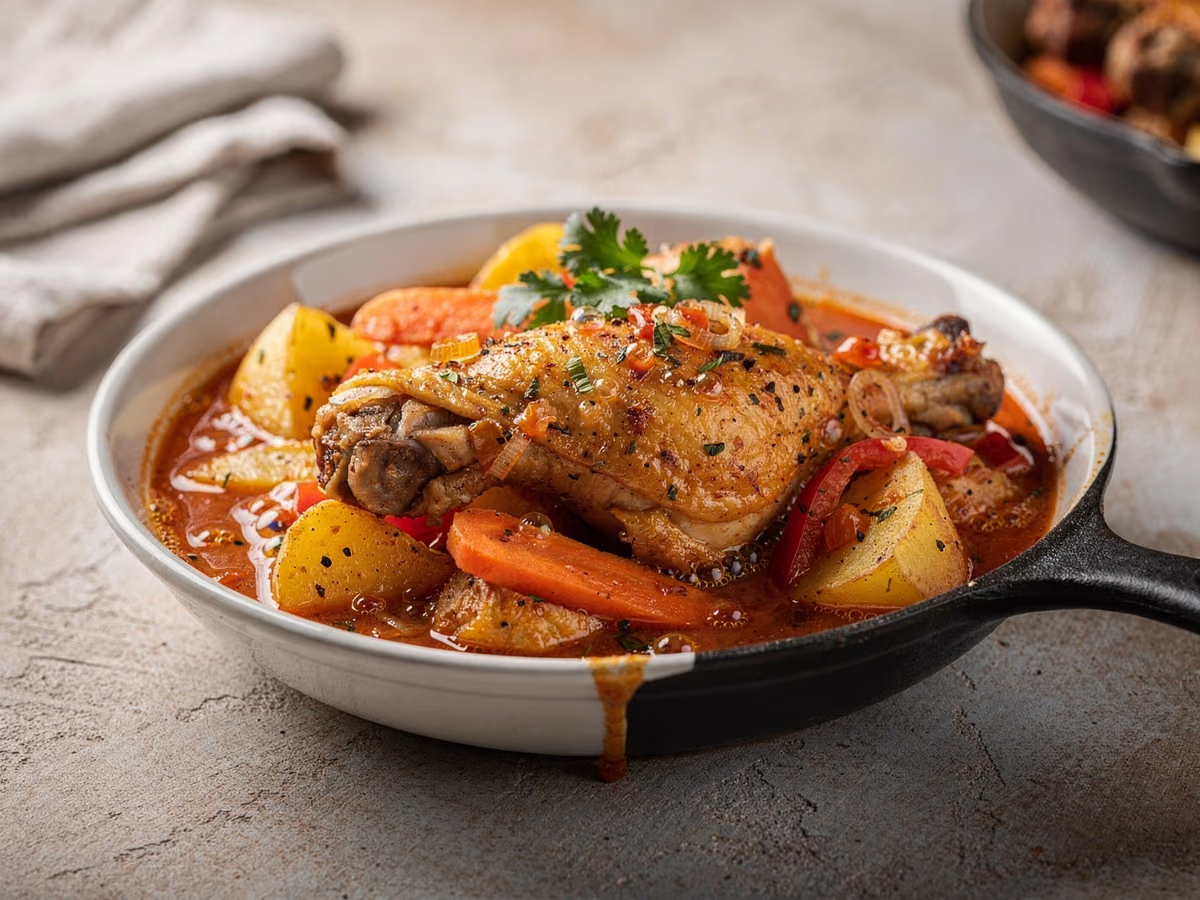
Chicken saloona is a Yemeni-style stew that Gulf households cook most weeks: 800 g of bone-in chicken thighs browned in olive oil, then simmered with onion, garlic, tomatoes, 2 medium potatoes and a warm blend of cumin, coriander, turmeric, paprika and cinnamon until the broth turns deep and faintly sweet. Prep is 20 minutes and the cook is 45, most of it with the lid on and the pot unattended. It also improves overnight, so cook the full pot and let tomorrow's lunch be the reward.
- Prep
- 20 min
- Cook
- 45 min
- Total
- 65 min
- Serves
- 4
Ingredients
What you’ll need — tap to tick off as you go
- 800 g
- 2 tbsp
- 4 cloves
- 2 tbsp
- 1 tsp
- 1 tsp
- 1 tsp
- 1 tsp
- ½ tsp
- 500 ml
- 1 tsp
- ½ tsp
- ½ cups
Process
Timers built in · swap anything · ask as you cook
Finely chop the onion, mince the 4 garlic cloves, roughly chop the 4 tomatoes, peel the 2 potatoes and cut them into even 3 cm chunks, and chop the cilantro. Keep the potatoes in a bowl of cold water until they go in, and set everything out near the stove, because once the pot is hot the spices scorch in seconds and there is no time to chop.
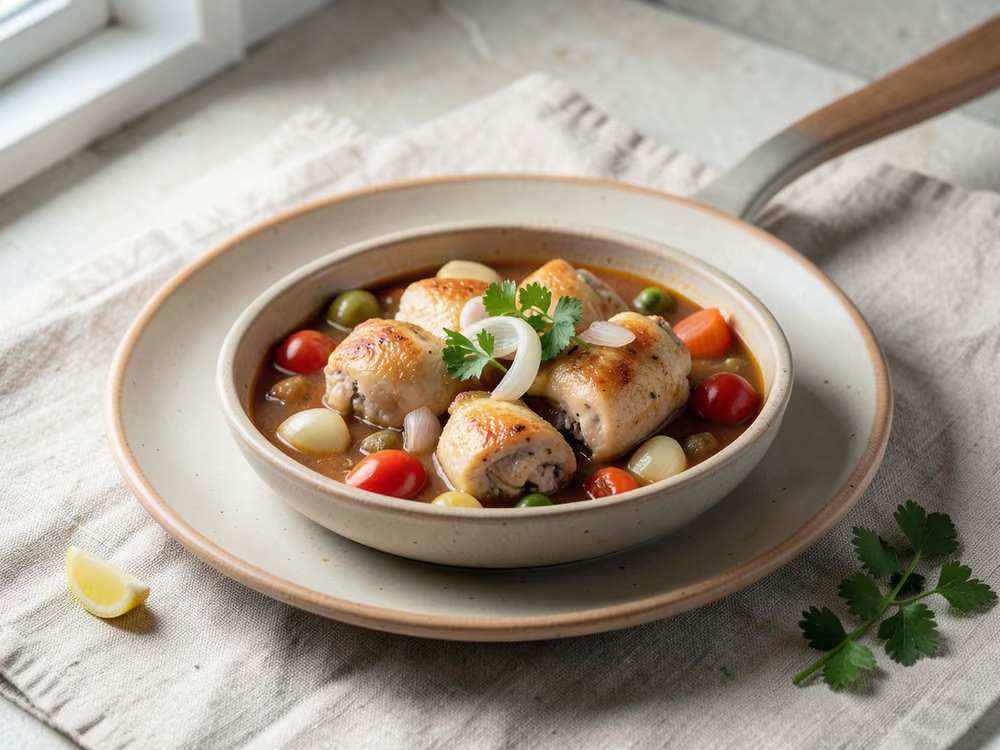
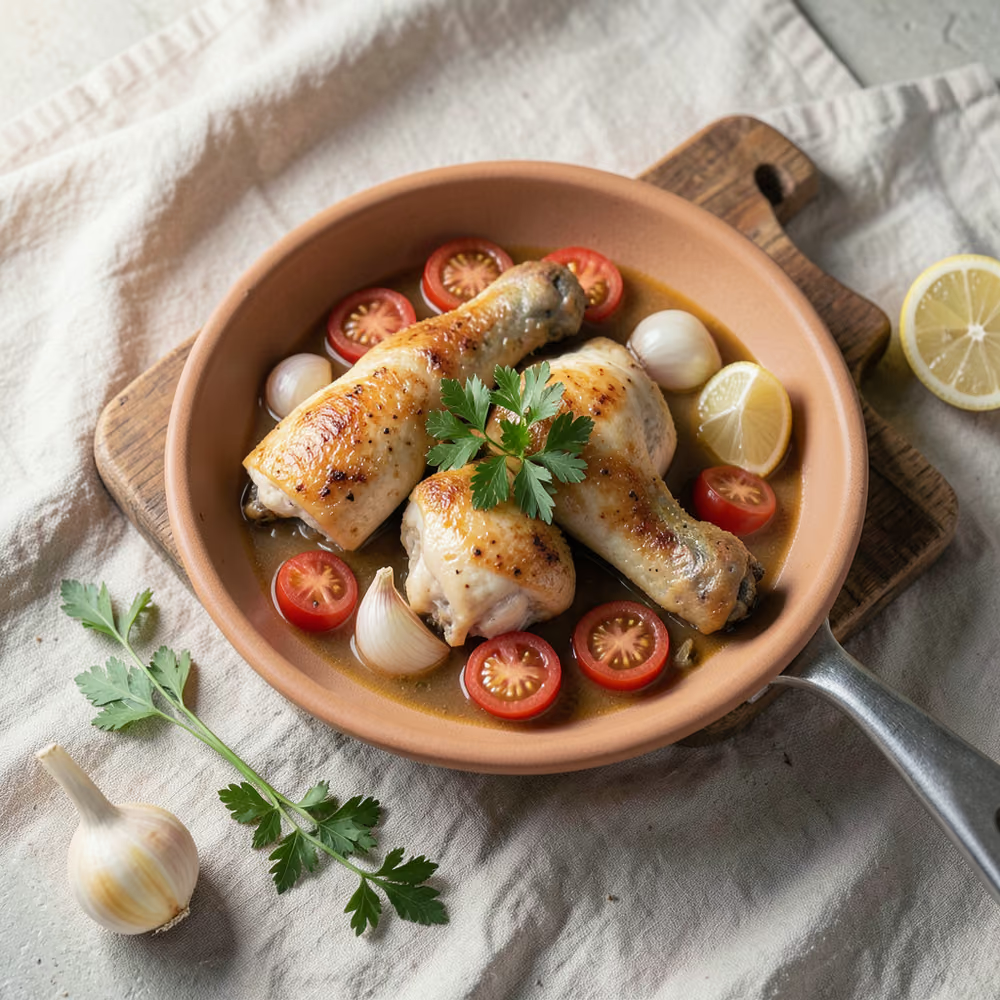
Warm the 2 tbsp olive oil in a large heavy pot over medium heat until it shimmers, then lay in the 800 g chicken thighs and brown them for about 5 minutes, turning so every side takes on colour. If the pot is crowded they will steam and stay pale, so brown in two rounds if you need to, then move the chicken to a plate.
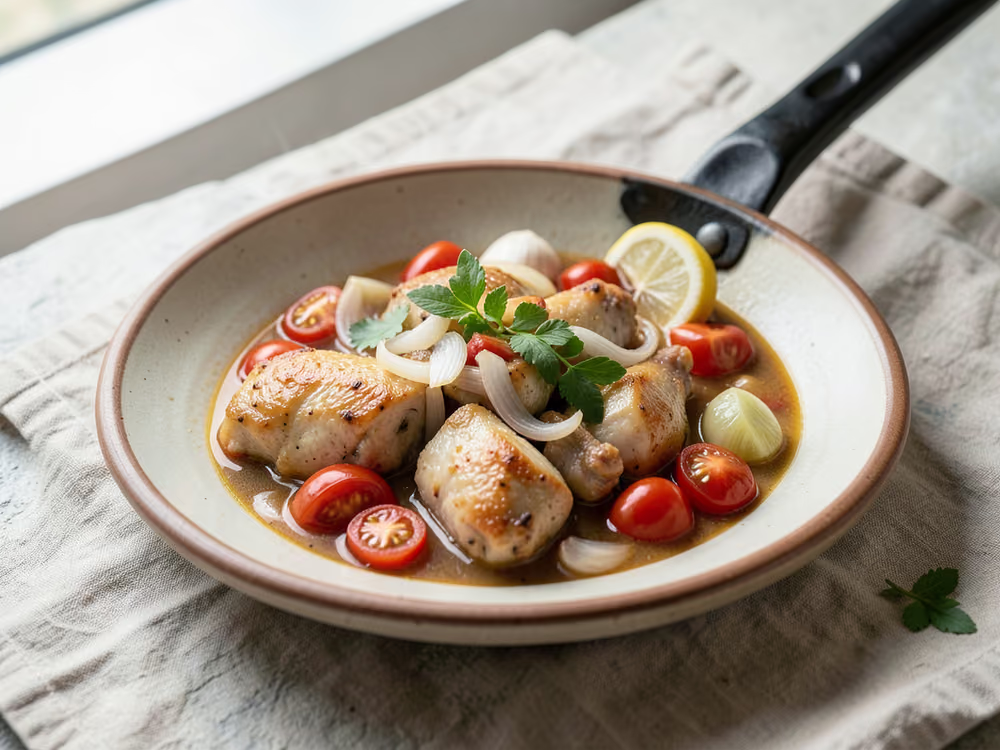
Add the onion and the 4 minced garlic cloves to the same pot and sauté over medium heat for 3 to 4 minutes, stirring and scraping the brown bits off the bottom as the onion softens. Stop when the onion is translucent and smells sweet; the garlic is the signal here, so if it colours before the onion is soft, the heat is too high.
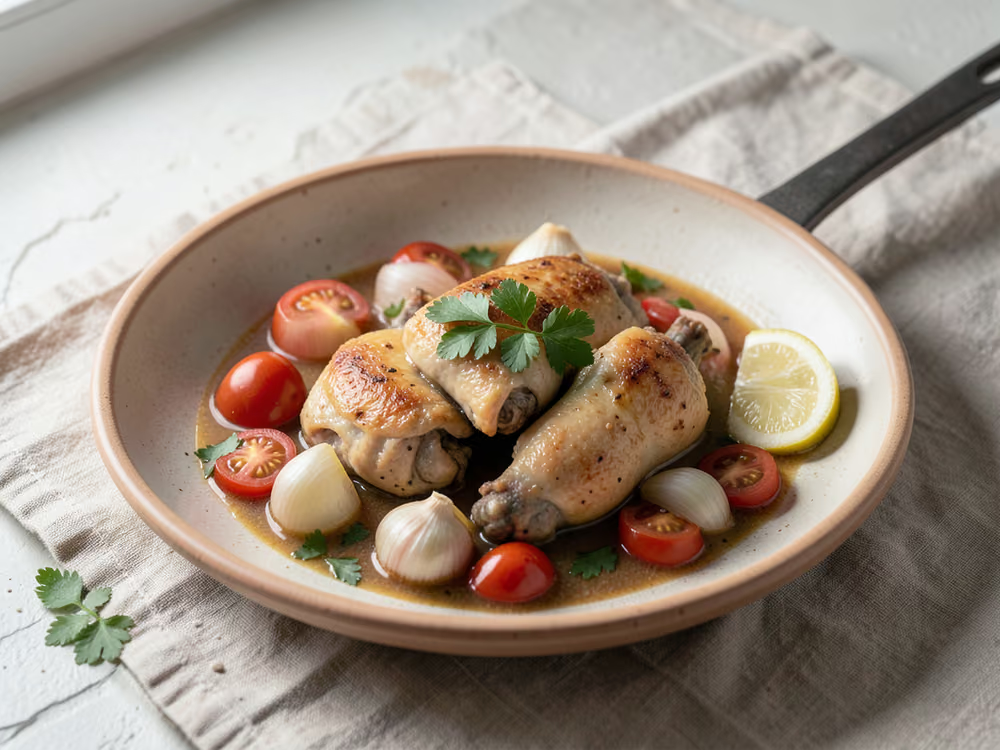
Stir in the 1 tsp ground cumin, 1 tsp ground coriander, 1 tsp turmeric, 1 tsp paprika and 0.5 tsp ground cinnamon and fry them in the oil for a full 1 minute, until they darken a shade and smell toasted rather than dusty. This minute is what carries the flavour through the whole pot, and it is also when they burn, so keep them moving.
Add the 4 chopped tomatoes and the 2 tbsp tomato paste and cook for 5 minutes, stirring occasionally and pressing the tomatoes against the side of the pot as they collapse. The paste needs this time to lose its tinny edge, and the tomatoes need to release their juice; you are done when the base looks like a loose, glossy sauce with no dry patches.
Return the chicken and any juices to the pot, add the 2 potatoes and the 500 ml chicken broth, and season with the 1 tsp salt and 0.5 tsp black pepper. Bring to a boil over medium-high heat, which takes about 4 to 6 minutes; the potatoes go in raw and finish in the simmer, cooking through in the same window as the chicken.
Cover the pot, drop the heat to low and simmer gently for 30 to 35 minutes, lifting the lid only to stir once or twice. A lazy bubble is what you want: a hard boil breaks the potatoes down and clouds the broth. The stew is ready when a knife slides into a potato with no resistance and the chicken reads 74°C at the thickest part.
Taste and adjust the salt and pepper, because the potatoes and tomatoes soak up a lot of seasoning and most pots want a final pinch. Scatter the 0.5 cup chopped cilantro over the pot just before it goes to the table; the fresh, green note on top of the deep tomato-spice base is what makes the first bowl taste finished.
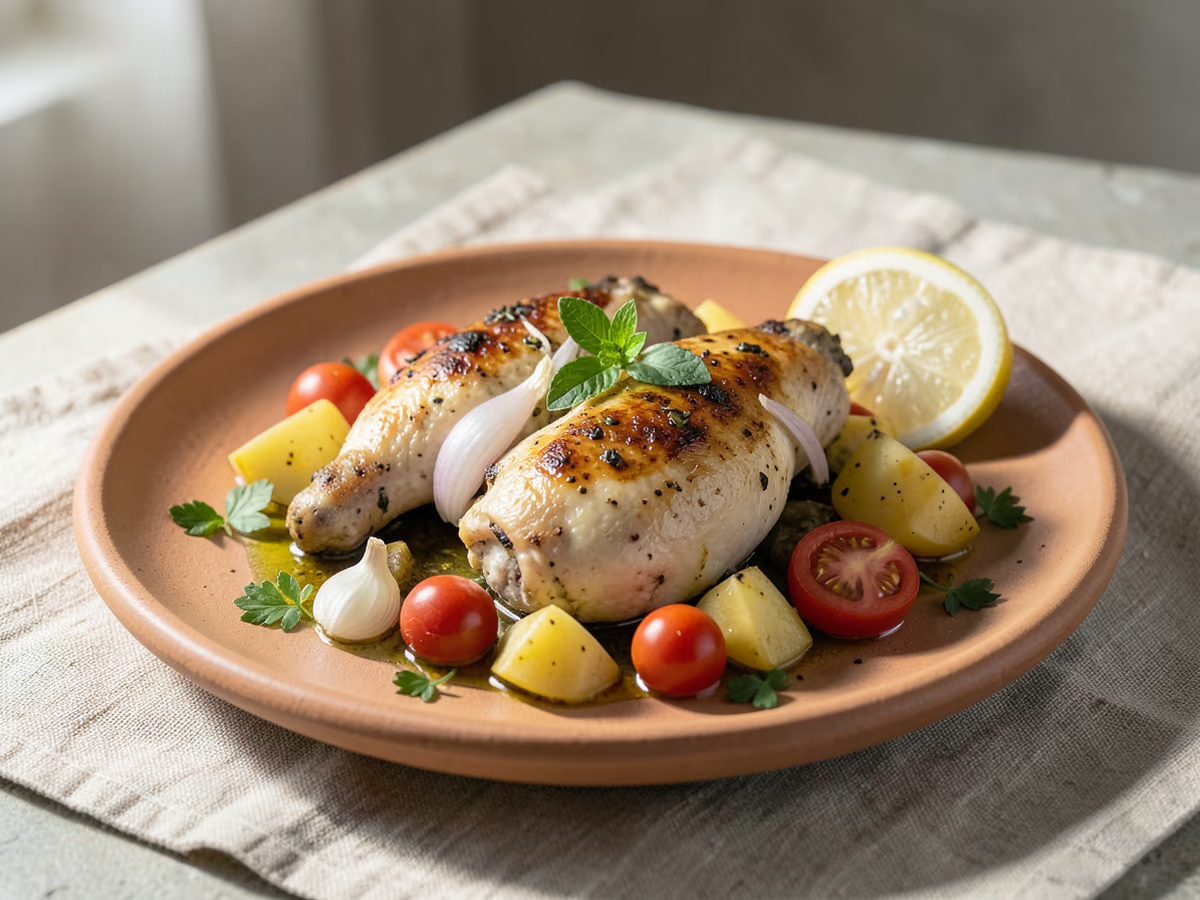
Why this recipe works
Browning the thighs first leaves a dark fond on the pot and gives the stew its savoury depth, which is why the chicken is seared before any liquid goes in. The ground spices only release their fat-soluble aromatics when they meet hot oil, so they go in after the onion rather than into the broth, and a full minute of frying cooks off the raw edge that makes cumin and coriander taste dusty. Tomatoes and tomato paste then supply the acid and body that carry those spices, while the covered simmer at low heat keeps the chicken loose on the bone and the potatoes whole; their starch thickens the broth naturally, with no flour.
Equipment
- Heavy-bottomed pot or Dutch oven, 4 to 5 litres, with a tight lid
- Wooden spoon or heatproof spatula
- Chef's knife and cutting board
- Measuring spoons and a small bowl for the spices
- Instant-read thermometer
- Ladle and deep bowls for serving
- Shallow airtight containers for cooling and storing
Kitchen notes
Kitchen notes
- Pat the thighs dry before they go in, and use a pot wide enough that the pieces sit in a single layer. Dry surfaces brown and wet ones steam, and a crowded pot quietly turns a sear into a simmer.
- If you can find dried limes, pierce 1 and simmer it in the broth, then fish it out before serving: it gives the sour, faintly fermented depth that Gulf kitchens build saloonas around.
- Potato variety matters here. Waxy potatoes keep their shape through the simmer and leave a brothy stew; floury ones break down and thicken the broth, which is fine if you like a heartier pot, but they soften the line between stew and sauce.
- Chop the cilantro stems as well as the leaves and add the stems with the last stir; they carry more flavour than the leaves, which go on raw at the table.
- Buy whole cumin and coriander and grind them for this pot if you can: whole spices stay fresh for far longer than ground, and a jar that smells of dust will not come back to life in the stew.
- Once the potatoes are in, move the stew with a gentle shake of the pot or a slow fold rather than a fast stir; broken potato edges are what make a saloona cloudy and gluey.
Common mistakes
- Pale, steam-cooked chicken and a flat-tasting stew: the pot was crowded, so the thighs released water and simmered instead of browning. Brown them in two rounds in a wide pot with space around each piece, and let the fond build before the onion goes in, because that browned layer is most of the stew's flavour.
- A raw, dusty spice taste: the ground spices went in with the liquid, or were stirred for only a few seconds. Fry them in the oil for the full 1 minute after the onion softens, until they darken and smell toasted; they scorch quickly, so keep them moving and have the tomatoes ready.
- Potatoes that collapse into the broth: a hard boil, or chunks cut small and uneven. Cut them into even 3 cm pieces, add them before the long simmer, and keep the pot at a lazy bubble with the lid on.
- Dry, stringy chicken: the stew boiled rather than simmered, or it cooked well past 74°C with the lid off. Keep the heat low and the pot covered, start checking at 30 minutes, and if the chicken is already dry, shred it into the sauce and loosen the pot with 100 ml broth.
- Thin, watery saloona: the lid came off during the simmer, or the tomatoes were extra watery. Simmer it uncovered for 10 to 15 minutes to reduce, or press a few potato chunks against the side of the pot to thicken the broth naturally; do not add flour, which dulls the spices.
- A bitter note under everything: burnt garlic or scorched spices. Both have a 1-minute window in this pot; if they catch, start the base again rather than trying to bury it, because the bitterness spreads through the whole stew.
Serving suggestions
- Ladle it over plain basmati rice or serve it in deep bowls with warm flatbread; saloona is a brothy stew, so the rice or bread is the second half of the meal.
- A tomato-cucumber salad, pickled vegetables or a spoonful of green chilli sauce on the side keeps the table fresh and sharp against the spiced broth.
- Four generous bowls as written, or 6 smaller servings stretched over rice; the potatoes and chicken divide best with a spoon, so keep the pot whole and portion at the table.
- Set the chopped cilantro and lemon wedges on the table so each bowl gets its own fresh hit at the last second.
Variations
- Dried lime version: add 1 pierced dried lime with the broth and fish it out before serving; the sour, faintly fermented note it leaves is the taste Gulf cooks build saloonas around.
- Gulf spice blend swap: replace the five ground spices with the same measure of a ready-made bzar or hawaij blend, added for the same 1-minute bloom; the stew reads more traditional and less like a tomato-heavy curry.
- Hotter pot: add 1 chopped green chilli with the onion and garlic, or a pinch of cayenne with the spices; the heat stays bright against the tomato base and warms the whole bowl rather than sitting on top of it.
Refrigerator
- RefrigeratorCool it fast by splitting it into shallow containers, and get it into the fridge within 2 hours, the USDA FSIS limit for food left out; it then keeps airtight for up to 3 days, inside the FSIS window of 3 to 4 days for soups and stews. The spices deepen overnight.
- ReheatingReheat gently on the stovetop over medium-low heat for 8 to 10 minutes, stirring, until it simmers and the chicken reads 74°C, the standard for reheated leftovers. A covered microwave dish also works: 70 percent power for 3 to 4 minutes, stirring once. Loosen with a splash of broth or water if it has thickened.
- FreezingUp to 2 months, inside the 2 to 3 month range that FSIS gives soups and stews. Cool it completely, portion it with 2 cm headspace for expansion, and thaw overnight in the fridge. Expect the potatoes to soften and crumble a little; for the best texture, freeze the stew without them and boil fresh potatoes for 15 minutes when you reheat.
- Make aheadBetter on day 2: cook it fully, cool it fast, refrigerate, and reheat gently. Kept more than a day, add the cilantro only after reheating. On the day, 20 minutes of prep and 45 minutes of cooking is the real timeline; reheat only what you need instead of warming the whole pot twice.
Updated:
How this recipe was developed
- USDA FSIS / FoodSafety.gov safe minimum internal temperatures and storage guidance (poultry and reheated leftovers 74°C; refrigerate within 2 hours; soups and stews 3 to 4 days in the fridge, 2 to 3 months in the freezer)
- Sheba Yemeni Food, Yemeni chicken soup and saloona-family method (aromatics and ground spices fried first, chicken browned in the pot, then a covered simmer with tomato, potato and cilantro)
- Time Out Doha, Chicken Saloona (Gulf bzar spice blend and dried loomi; the chicken given about 30 minutes, then the vegetables about 10 more)
- Serious Eats, on ground spices in the kitchen (blooming in hot fat releases fat-soluble flavour compounds; ground spices scorch quickly; whole spices stay fresh for longer)
Editorial references are kept internally for verification. This page makes no claim of external certification or professional testing.
Gallery
FAQ
The questions we get asked most
How do I know when the chicken and potatoes are cooked through?
The chicken should read 74°C at the thickest part, and a knife should slide into a potato chunk with no resistance, usually at 30 to 35 minutes of simmering. Judge by temperature and texture rather than colour, because the tomato sauce stains everything; if the potatoes are ready first, lift them out with a slotted spoon and keep simmering the chicken.
Can I use canned tomatoes instead of fresh?
Yes: 400 g of canned chopped tomatoes, drained slightly, in place of the 4 fresh ones, and simmer 5 minutes longer so the tinned edge cooks off. If the brand tastes very sharp, stir in 1 tsp sugar with the salt; it rounds the acid without making the stew sweet.
Does the stew really taste better the next day?
Yes, and it is one of the reasons saloona is a pot people cook ahead on purpose. The spices keep distributing as it stands and the tomatoes mellow overnight; cool it fast, refrigerate it, and reheat gently. Kept for more than a day, add the cilantro only after reheating.
Can I freeze it, and what happens to the potatoes?
Freeze it for up to 2 months; the potatoes soften and crumble slightly on thawing. For the best texture, freeze the stew without the potatoes and boil fresh ones for 15 minutes when you reheat. Thaw overnight in the fridge and reheat to 74°C.
Why is my saloona watery or too thin?
Either the lid was off during the simmer or the tomatoes were extra watery. Simmer it uncovered for 10 to 15 minutes to reduce, or press a few potato chunks against the side of the pot, which thickens the broth with potato starch. Flour would thicken it too, but it dulls the spices, so leave it out.
Why did my chicken turn out dry and tough?
The usual cause is a simmer that was really a boil, or a pot left uncovered so the liquid cooked down around the meat. Keep it covered on low and check at 30 minutes; thigh meat tolerates the full 35, but a hard boil past that tightens it. If it is already dry, shred the chicken into the sauce and loosen the pot with 100 ml broth.
Is saloona supposed to be thick like a curry, or brothy?
Brothy. Across Yemen and the Gulf it is an everyday stew of meat and vegetables in a spiced tomato broth, ladled over rice or eaten with bread, not a thick curry. If yours has become thick, it has simply cooked down; loosen it with broth or water until it pours like a light gravy.
Ask KitchenMind about this recipe
Tell it what’s different tonight — it works within the actual recipe.