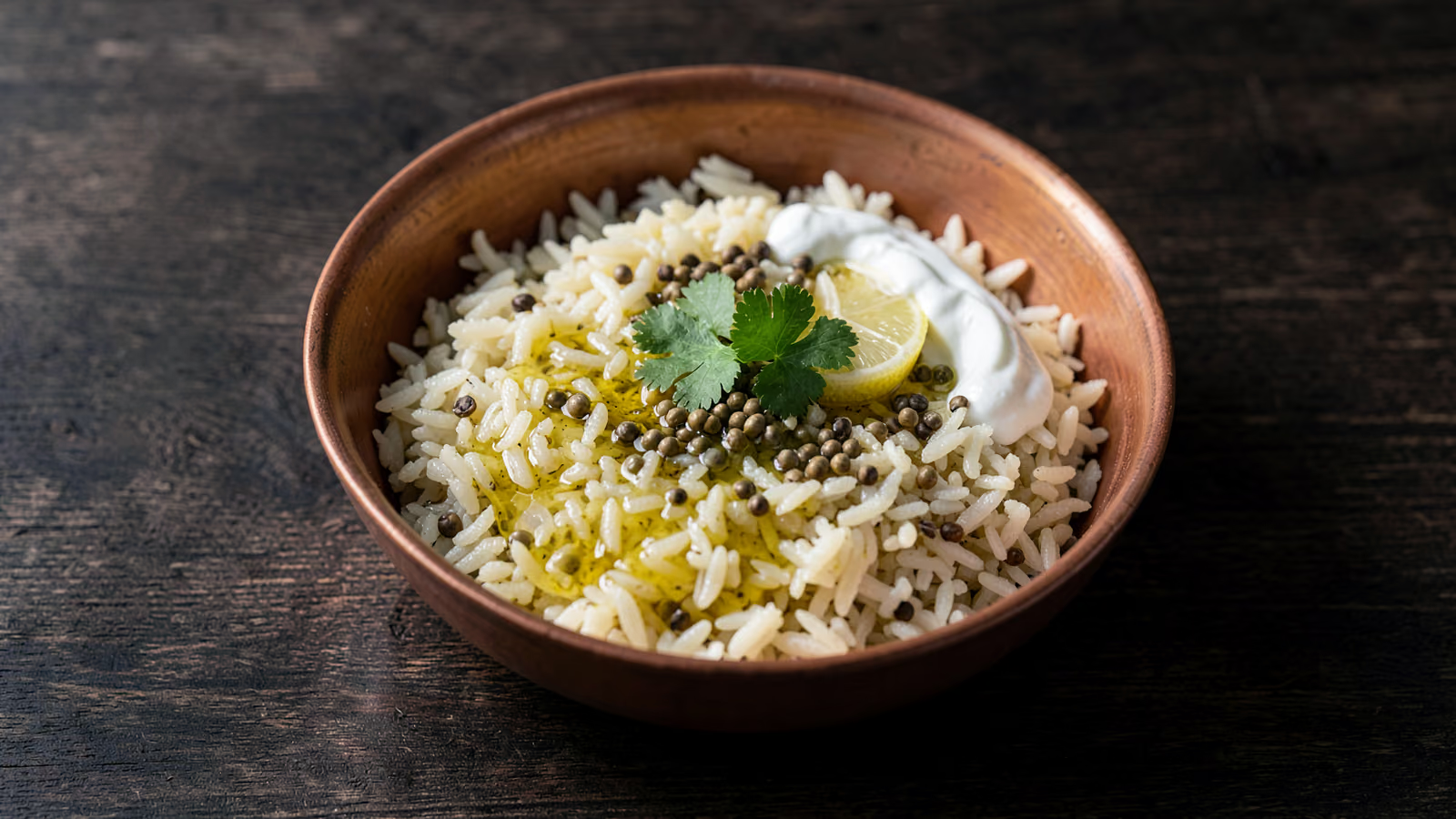
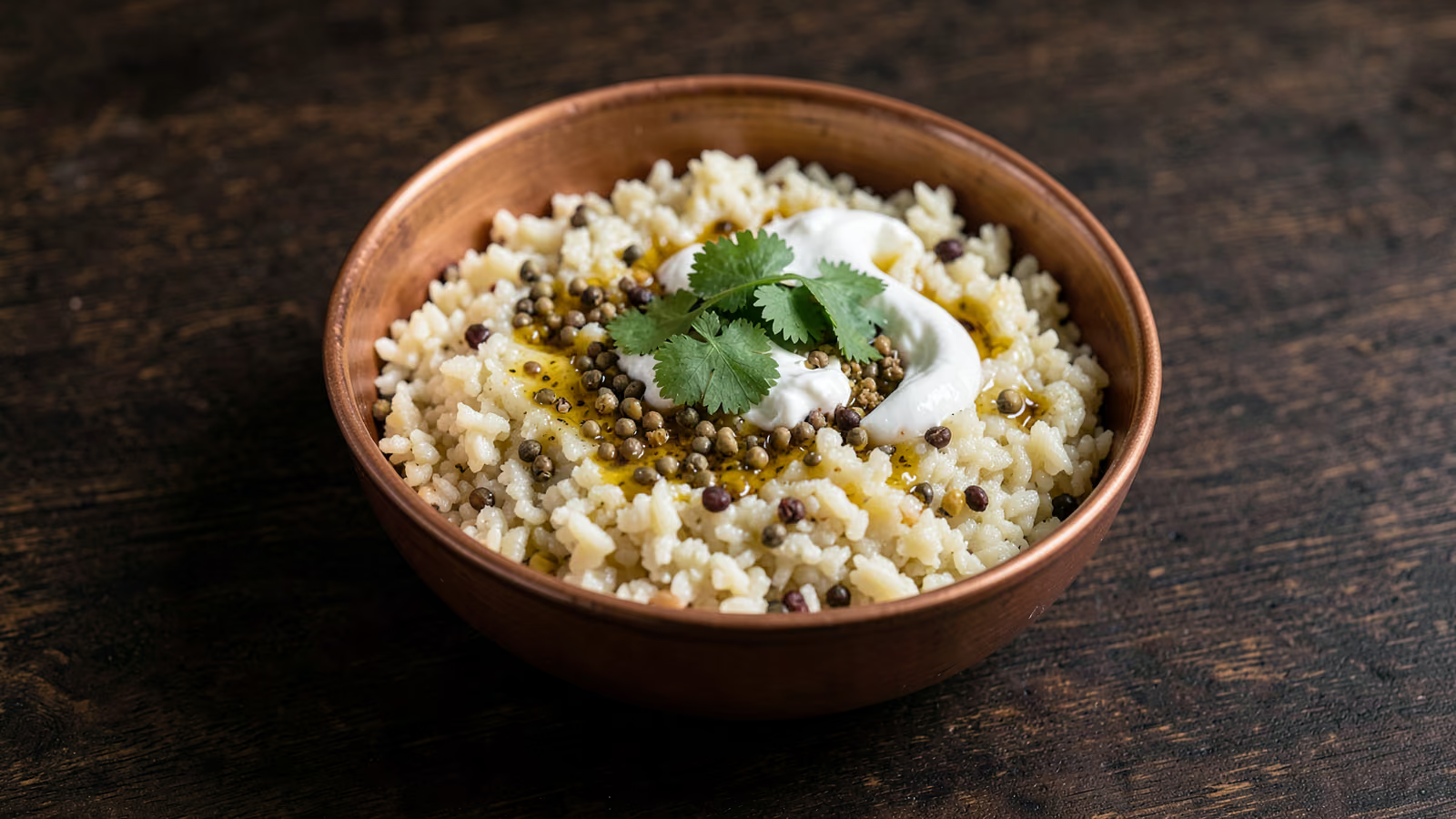
- Prep
- 10 min
- Cook
- 20 min
- Total
- 30 min
- Serves
- 4
Ingredients
What you’ll need — tap to tick off as you go
- 200 g
- 600 ml
- 400 g
- 100 ml
- 1 tsp
- 1 tsp
- 1 tsp
- 1 tsp
- 1 tbsp
- 1 pinch
- 50 g
- 2 tbsp
Process
Timers built in · swap anything · ask as you cook
Rinse the short-grain rice under cold running water until the water runs clear, then drain well.
Put the rice and water in a medium saucepan and bring to a boil over high heat. Reduce the heat to low, cover, and simmer for 12 to 15 minutes until the rice is very soft and most of the water is absorbed.
Mash the hot rice lightly with the back of a spoon until it is sticky and slightly broken down, then stir in the milk and salt. Let it cool for 5 minutes so it is warm, not hot, before adding the yogurt.
Stir the plain yogurt into the warm rice until evenly combined. The mixture should be creamy and spoonable; if it looks thick, add 2 to 3 tablespoons of milk or water.
Heat the vegetable oil in a small pan over medium heat. Add the mustard seeds and urad dal and fry for 30 to 45 seconds until the seeds pop and the dal turns golden.
Add the ginger, green chilli, half of the curry leaves and the asafoetida to the pan and fry for 20 to 30 seconds until fragrant. Do not let them brown.
Pour the tempering over the curd rice and fold it in gently. Taste and adjust the salt.
Garnish with the remaining curry leaves, pomegranate seeds and coriander leaves. Serve at room temperature or lightly chilled.
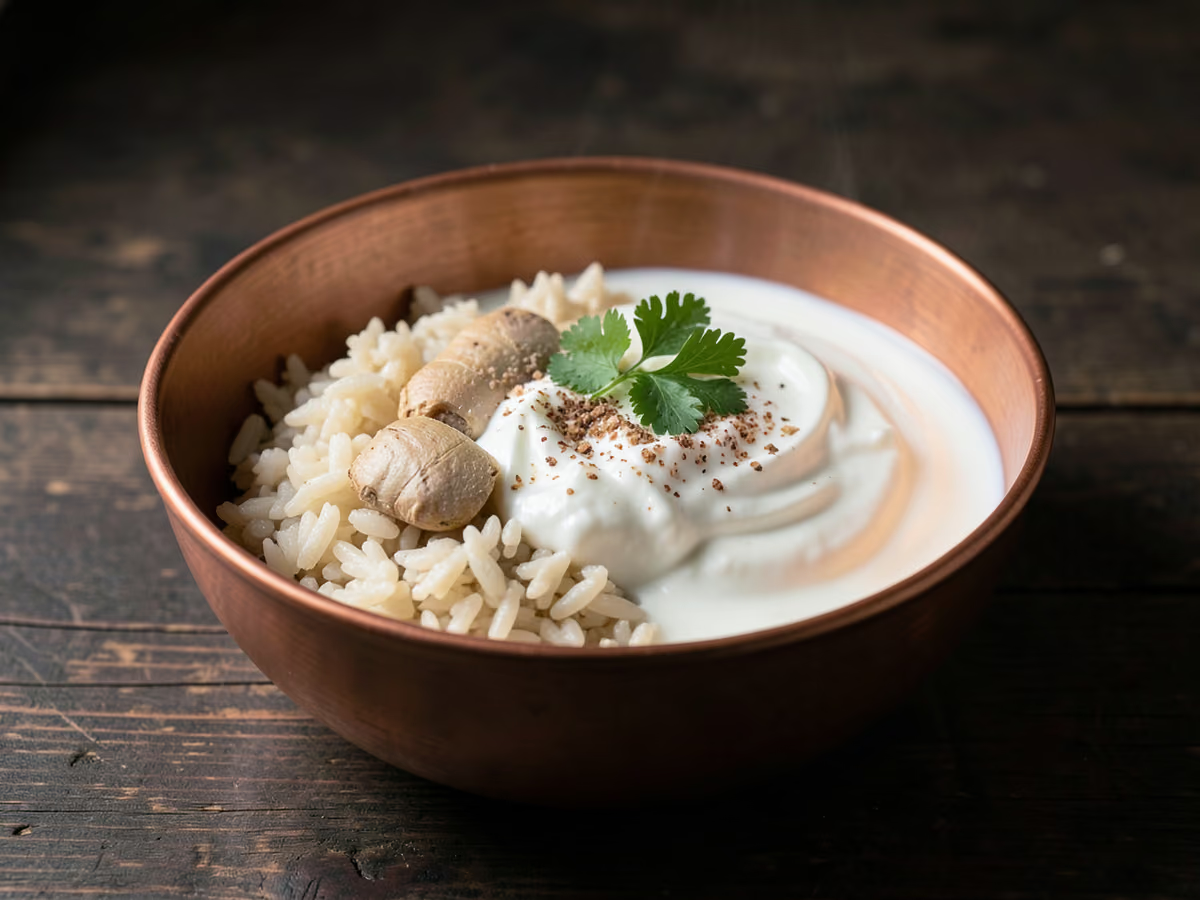
Kitchen notes
Kitchen notes
- The most common mistake is adding yogurt to rice that is still very hot; the heat splits the curd and makes the dish watery and grainy. Let the rice cool to warm before folding in the yogurt.
- Use full-fat yogurt at room temperature, not cold from the fridge, so it blends smoothly and does not seize.
- Mashing the rice while hot is what gives curd rice its signature soft, creamy texture; skipping this leaves separate grains and a thin dish.
- Temper the mustard seeds and urad dal in medium, not high, heat so they turn golden and nutty rather than bitter and black.
Substitutions
- short-grain rice→any soft-cooking white rice such as sushi rice or arborio
- plain yogurt→vegan coconut yogurt for a dairy-free version
- milk→unsweetened oat milk or water
- urad dal→split moong dal or chana dal
- pomegranate seeds→grapes cut into small pieces or diced cucumber
Storage & reheating
Store curd rice in an airtight container in the fridge for up to 2 days; it is best eaten the same day. Before serving, stir in 1 to 2 tablespoons of fresh yogurt or milk to loosen it, and let it sit at room temperature for 10 minutes. Do not reheat it in a microwave or on the stove, as heat will split the yogurt; serve it cold or at room temperature. It does not freeze well because the yogurt separates.
FAQ
The questions we get asked most
Why did my curd rice turn watery and split?
The yogurt was added to rice that was too hot, which curdles the milk proteins and releases water. Let the cooked rice cool to warm, about 5 minutes off the heat, before folding in the yogurt. If it has already split, stir in 2 tablespoons of fresh thick yogurt to bring it back together.
Can I make curd rice ahead of time for a lunchbox?
Yes, but keep the tempering separate and add it just before serving so the mustard seeds stay crisp. Pack the curd rice in an insulated container and eat within 4 to 5 hours. For longer storage, keep it in the fridge for up to 2 days and stir in a spoon of fresh yogurt before eating.
How do I know when the rice is cooked enough for curd rice?
The rice should be softer than for a normal meal, with grains that squash easily between your fingers and no chalky centre. Cook it with a little extra water and mash it while hot. If it still feels firm, add 50 ml more water and simmer for 3 to 4 minutes longer.
Can I use Greek yogurt or sour cream instead of plain yogurt?
Greek yogurt works and gives a thicker result, but thin it with 2 to 3 tablespoons of milk so it stays spoonable. Sour cream is too rich and tangy on its own, so use it only as a half-and-half swap with plain yogurt. Full-fat plain yogurt remains the best choice.
Why is my curd rice bland even after adding salt?
Curd rice needs more salt than plain rice because the yogurt dulls the seasoning, so taste after mixing and add another quarter teaspoon if needed. The tempering also carries much of the flavour, so make sure the mustard seeds pop and the ginger and green chilli are fresh. A squeeze of lime or a few pomegranate seeds can lift it without more salt.
Can I make curd rice without curry leaves or asafoetida?
Yes, both are flavourings rather than structural ingredients. If you skip curry leaves, add a few fresh basil or mint leaves for a similar fresh note. If you omit asafoetida, increase the ginger slightly and add a pinch of ground black pepper.
Is curd rice supposed to be served cold or warm?
It is traditionally served at room temperature or lightly chilled, never hot. Warm rice with cool yogurt gives the best texture, so let it sit for 10 minutes after mixing if it has been in the fridge. In hot weather, many households serve it slightly cooler for a refreshing meal.
Ask KitchenMind about this recipe
Tell it what’s different tonight — it works within the actual recipe.