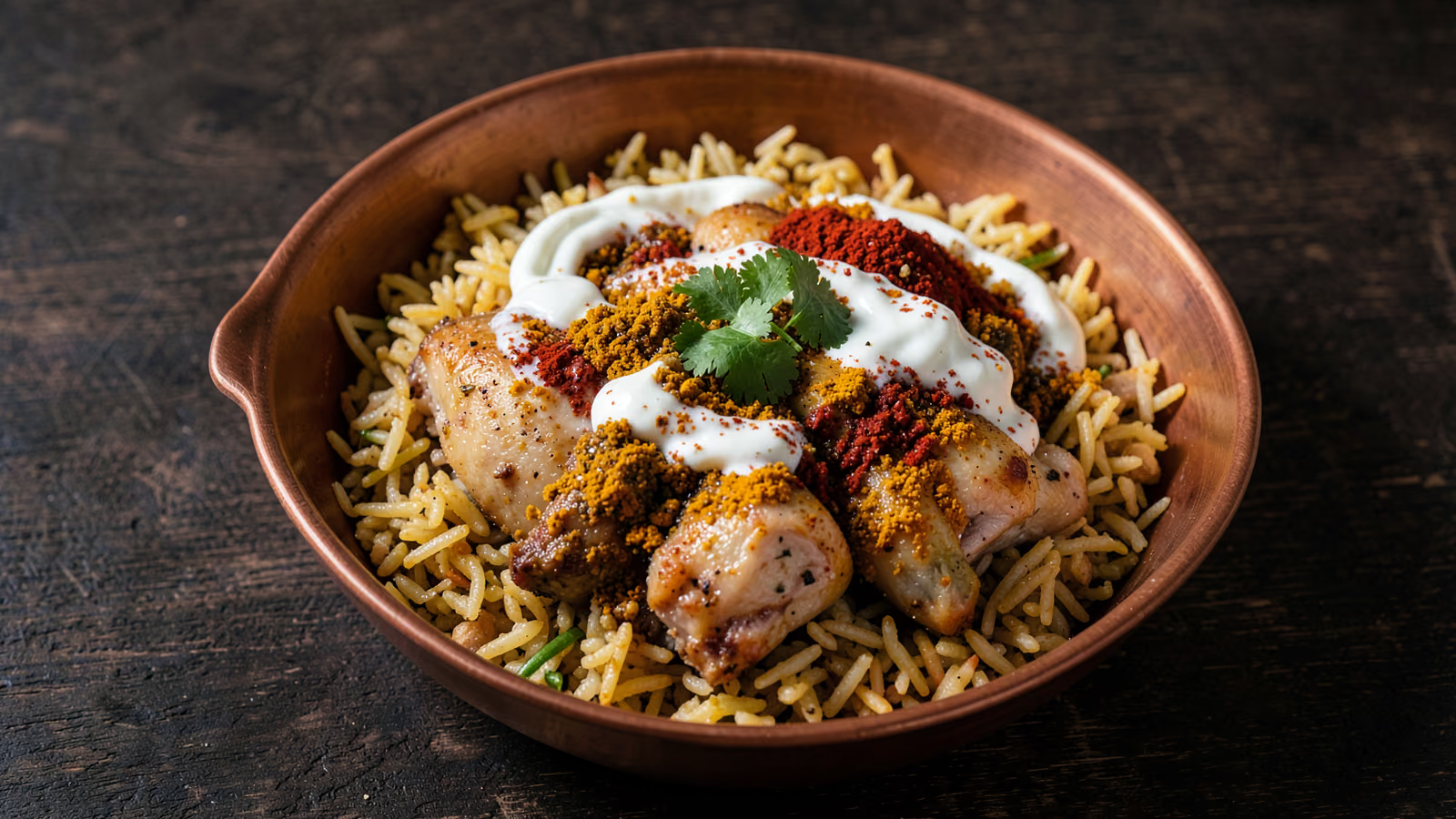
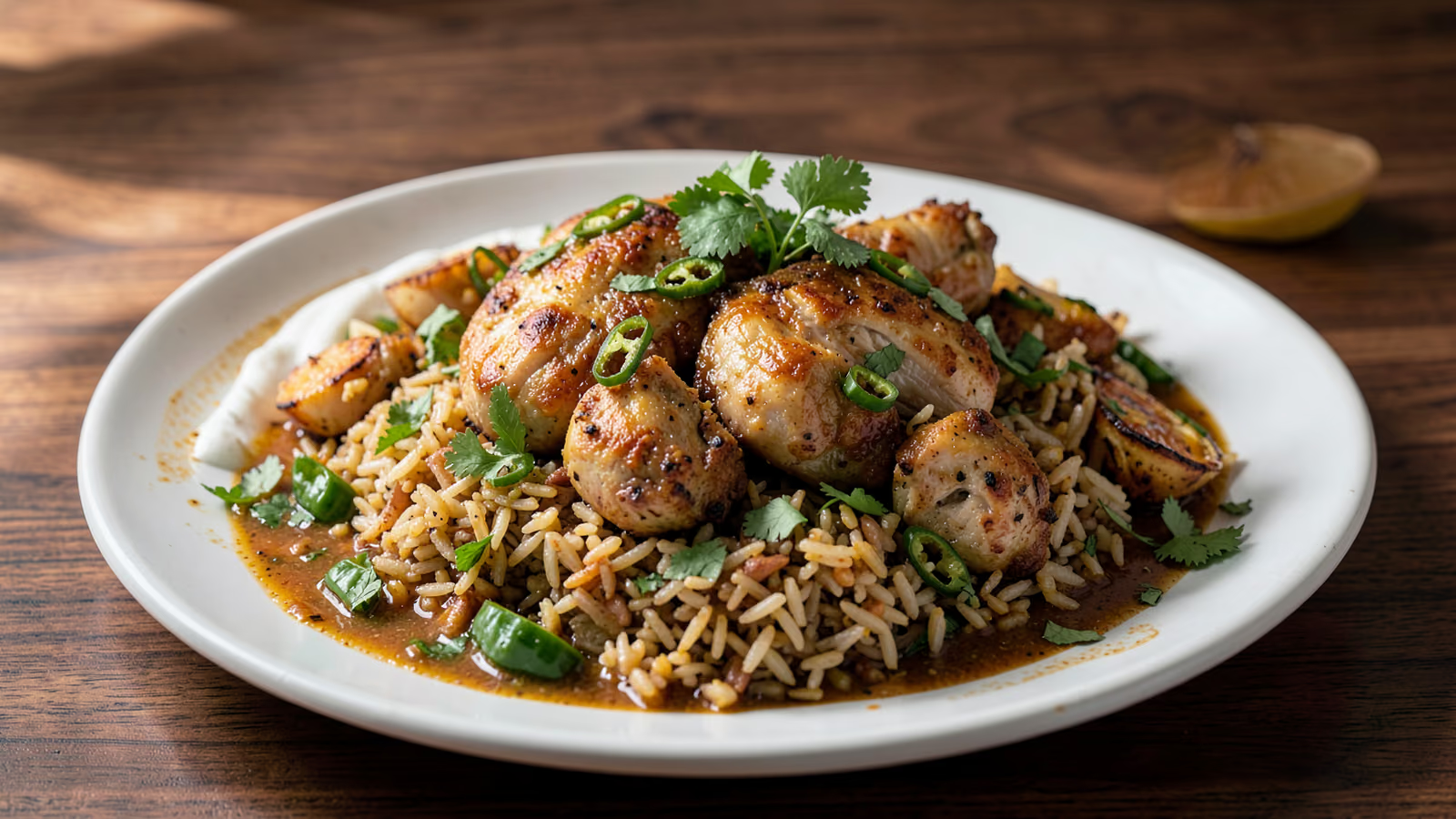
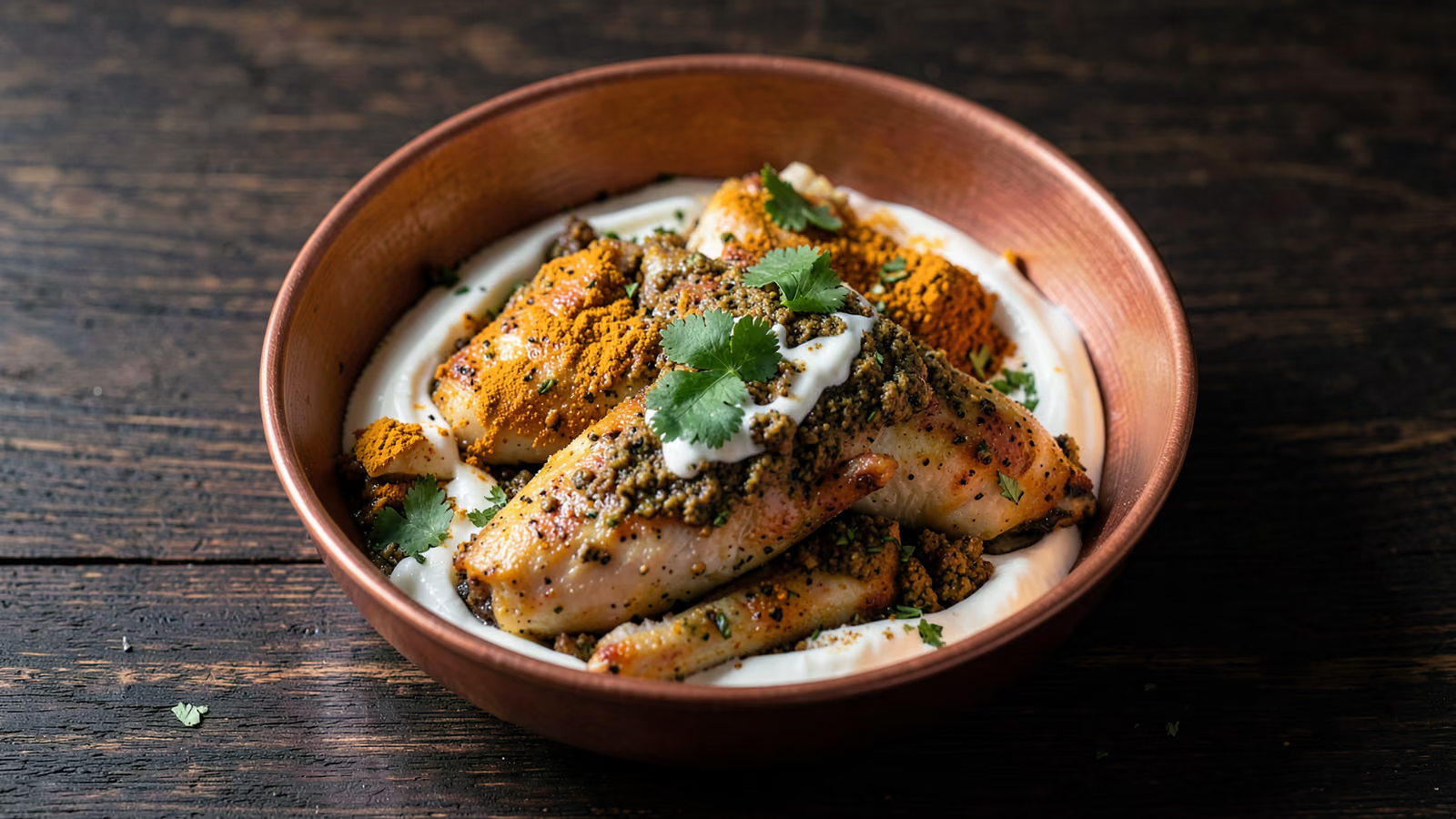
Chicken Biryani
Chicken biryani is a layered one-pot rice dish: chicken marinated in yogurt and warm spices, built into a pot with golden onions, part-cooked basmati and saffron milk, then finished with dum — the slow, sealed steam that lets rice and meat finish cooking together. Preparation is 30 minutes and the cook is 45, most of it unattended, so six generous portions are realistic for a weekend table without standing over the stove. The reward is perfumed, separate grains and chicken that stays juicy to the bone.
- Prep
- 30 min
- Cook
- 45 min
- Total
- 105 min
- Additional time
- 30 min
- Serves
- 6
Ingredients
What you’ll need — tap to tick off as you go
- 400 g
- 800 g
- 200 g
- 2 tbsp
- 1 cup
- 1 cup
- 4 tbsp
- 1 tbsp
- 1 tsp
- 1 tsp
- ½ tsp
- 1 tsp
- 1 tsp
- ¼ tsp
- 1 tsp
- 800 ml

Process
Timers built in · swap anything · ask as you cook
Combine the 800 g chicken pieces with the 200 g whisked yogurt, 2 tbsp ginger garlic paste, 1 tsp ground cumin, 1 tsp ground coriander, 0.5 tsp turmeric, 1 tsp red chili powder, 1 tsp garam masala and half the salt, turning until every piece is coated. Cover and refrigerate for at least 30 minutes, or up to overnight: the yogurt's mild acid seasons the meat through and gives the spices a clinging paste.
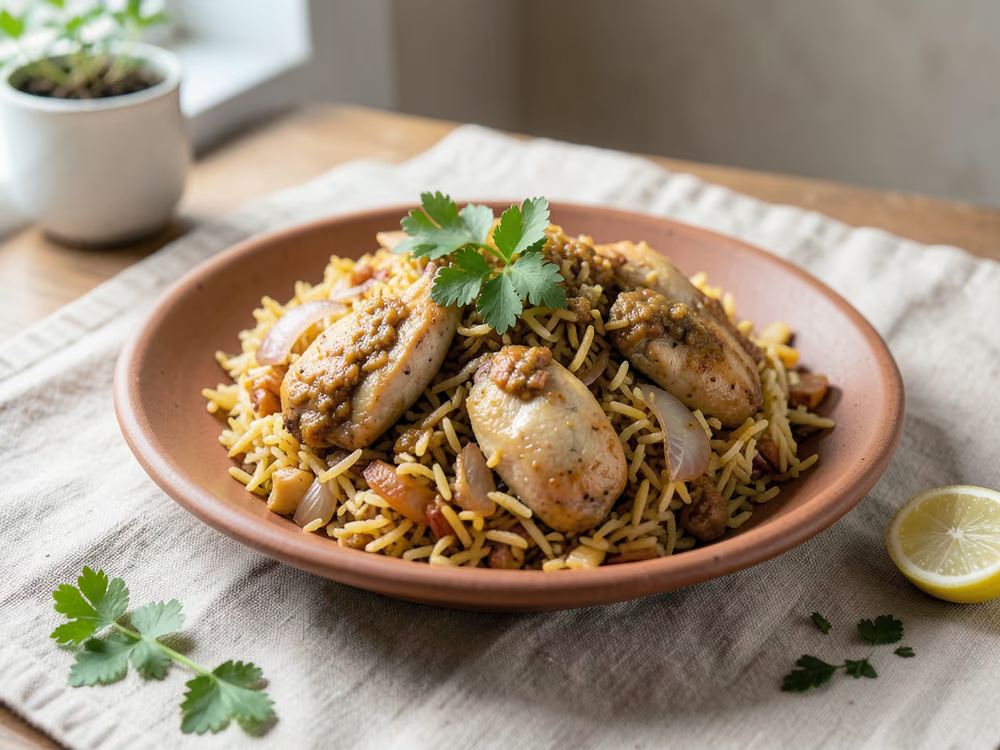
Heat the 4 tbsp ghee in a large heavy pot over medium heat, add the 1 tbsp whole spices and sauté for 30 seconds, just until they darken a shade and smell sweet and warm. Blooming them in the fat is what carries their aroma through the finished dish; left past 30 seconds the cloves and cardamom turn bitter, and that note spreads through everything.
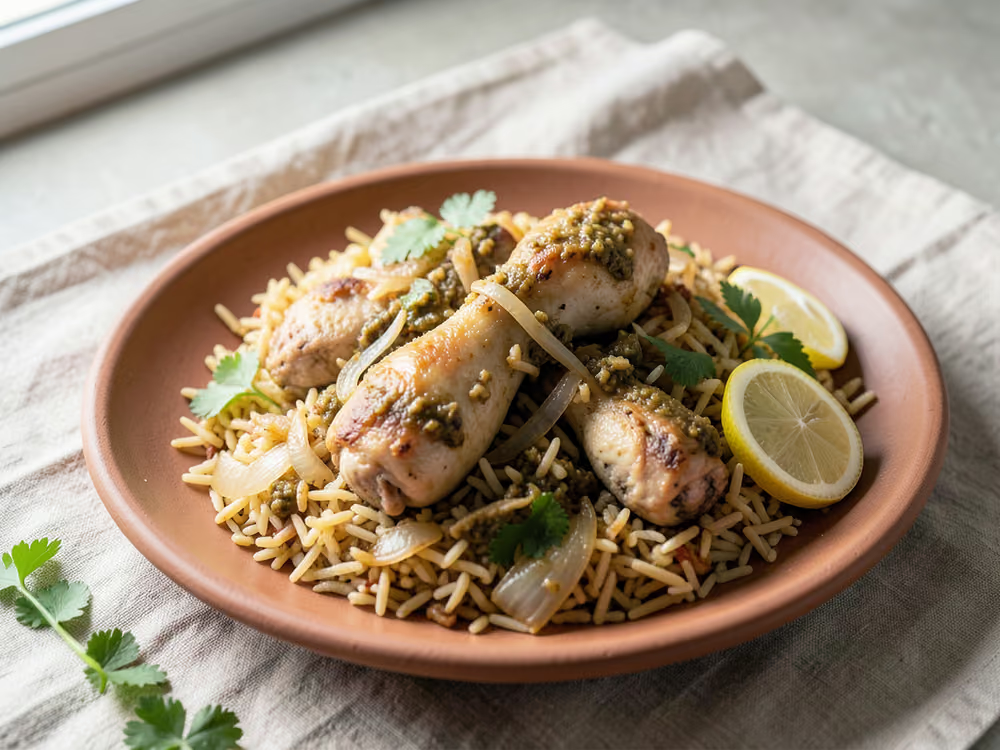
Add the 3 sliced onions and cook, stirring frequently, for 15 to 20 minutes, until they are deep golden brown and caramelised. This is the flavour base, not a quick soften: the colour should come on evenly, and if the edges darken in patches the ghee is too hot. Lift out half with a slotted spoon and set aside for the garnish.
Add the marinated chicken and all of its marinade and cook over medium-high heat for 5 to 7 minutes, stirring occasionally, until the chicken is no longer pink and the yogurt has thickened around it. This is a partial cook in a spiced coat; the dum will finish the meat, so do not chase a deep colour here.
Stir in the 2 chopped tomatoes and the 4 slit green chilies and cook for another 5 minutes, until the tomatoes collapse and the oil separates from the masala at the edges of the pot. That oil line tells you the base is fried rather than raw; if it still looks watery, give it another minute.
Stir in half of the mint and cilantro and cook for 2 minutes, just until the herbs wilt into the masala. Lift the chicken out with a slotted spoon and set it aside, leaving the thick sauce behind: taking the meat out now stops it overcooking while the rice par-boils, and the sauce layers back in with it.
Bring the 800 ml water to a rolling boil in a separate pot, add the 400 g soaked and drained rice with the remaining salt, and cook for 5 to 7 minutes, until the grains have swelled but still snap with a tiny white core at the centre. Drain immediately: rice past this point keeps cooking in the steam and turns mushy.
Build the layers in the pot that held the chicken. Spread half of the par-cooked rice across the base, then spoon the chicken and its masala evenly over the top, pushing it towards the edges as well as the middle so the steam rises through every part.
Top with the remaining rice, then scatter over the reserved fried onions and the rest of the mint and cilantro. Drizzle the saffron milk — 0.25 tsp saffron steeped in 3 tbsp warm milk — in streaks over the top, and keep the layers loose rather than pressing them down.
Cover with a tight-fitting lid and cook on the lowest heat for 20 to 25 minutes, with a tawa or griddle under the pot if your stove runs hot, so the base steams rather than scorches. Do not lift the lid: the trapped steam is what cooks the rice through and keeps the chicken juicy.
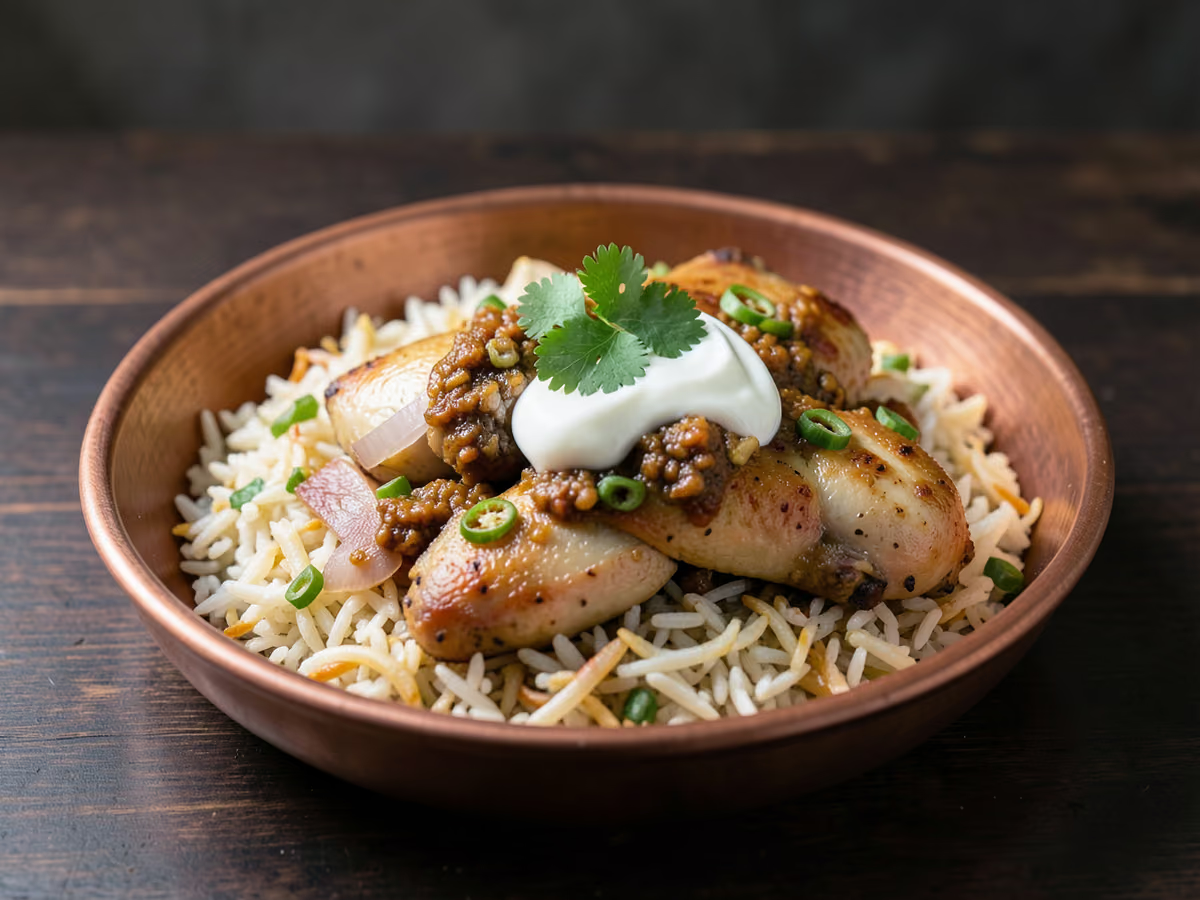
Take the pot off the heat and let it stand, still covered, for 10 minutes, so the grains firm up and the steam settles. Uncover, check the chicken reads 74°C at the thickest part next to the bone, then fluff the rice gently with a fork from the edges; stirring would break the grains and let the perfume escape.
Why this recipe works
The method works in two halves. The chicken is cooked through as a masala first, while the rice is only par-cooked: drained at 5 to 7 minutes with a white core still in the centre, so the 20 to 25 minutes of sealed steam finish it instead of boiling it to mush. The yogurt marinade does two jobs — its mild acid tenderises the chicken, and it gives the ground spices a paste that clings instead of scorching on the pot. Layered with ghee-coated rice under a tight lid, the trapped steam carries clove, cardamom and saffron through every grain, and a tawa under the pot spreads the flame so the bottom layer browns rather than burns.
Equipment
- Large heavy-bottomed pot with a tight-fitting lid, 4 to 5 litres
- Second large pot for parboiling the rice
- Tawa, flat griddle or an old cast-iron pan to sit under the pot
- Wooden spoon and a slotted spoon
- Chef's knife and cutting board
- Measuring spoons and a small bowl for the spice mix
- Fine sieve or colander for draining the rice
- Instant-read thermometer
Kitchen notes
Kitchen notes
- Measure the ground spices into one small bowl before you start the marinade. Chasing five jars while the chicken waits is how quantities drift, and the marinade is the only place the chicken gets seasoned from the inside.
- Treat the rice gently: rinse until the water runs almost clear, soak for the full 30 minutes, and drain it well, because wet rice dilutes the dum steam and steams into stickiness.
- Fry a few extra onion slices while you are at it. The reserved half always disappears as people pick at it, and a small bowl on the table in place of a garnish spoon is how biryani is actually eaten.
- A pot lid that does not seal is the most common home failure: lay a sheet of foil over the pot before the lid goes on, or set a heavy weight on top, and the dum stops leaking steam.
- Taste the masala before layering. It should be slightly saltier and spicier than you want the finished dish, because the plain rice will absorb a lot of that seasoning as it steams.
Common mistakes
- Mushy, swollen rice: the grains were boiled past the 70 percent stage before layering, so the dum had nothing left to finish. Drain at 5 to 7 minutes, the moment a grain snaps with a tiny white core, and keep the dum on the lowest heat for no more than 25 minutes.
- Bitter, scorched flavour: the ghee was too hot for the whole spices, or the onions browned in patches, and burnt notes spread through the whole pot. Keep the flame at medium, stir the onions every minute, and if anything catches, start that stage again rather than trying to bury it.
- A scorched bottom layer: a thin pot and an exposed flame drive heat straight into the rice. Sit the pot on a tawa or griddle for the dum, or use a heavy Dutch oven, and never rush the dum on a higher flame to save time.
- Dry, dull biryani: too little ghee or a skipped yogurt marinade leaves the rice with nothing to steam in. Keep the 4 tbsp ghee, never skip the 200 g yogurt, and if the rice looks dry after resting, drizzle 2 tbsp warm milk over the top and steam for 5 minutes more.
- Rice and chicken cooked unevenly: lifting the lid during the dum lets the steam out, and fluffing too early crushes the grains before they firm. Keep the lid on for the full 20 to 25 minutes and let the pot rest for the full 10 minutes before you open it.
- A raw-tasting, watery masala: the tomatoes were not cooked until the oil separated, or the chicken went into a pot that was not hot enough. Wait for the oil line at the edge of the masala before layering, and cook the chicken over medium-high heat.
Serving suggestions
- Serve hot, straight from the pot, in 6 portions: fluff from the top so every plate gets rice, chicken, and a spoon of the masala from the bottom.
- A cooling raita — yogurt whisked with a pinch of salt and whatever cucumber or mint you have — is the classic side, along with a sharp onion salad and lemon wedges.
- The biryani is at its best within 1 hour of the dum stage; if the table waits, keep the lid on and it holds, though the perfume softens.
- Iced tea, a salted lassi or sparkling water to drink; the heat lives in the green chilies, so let people take them or leave them.
Variations
- Canned-tomato masala: 200 g of canned chopped tomatoes can stand in for the 2 fresh ones, drained first so the masala does not turn watery.
- Frozen herbs: use about 1 cup of frozen mint and cilantro in total without thawing, adding them at the layering stage rather than to the masala, for a fresher green note.
- Milder or hotter: adjust the 4 slit green chilies up or down; kept whole and slit you can lift them out, while chopped they spread their heat through the rice.
Refrigerator
- RefrigeratorCool the biryani within 1 hour, spreading it in a shallow container rather than leaving it in the closed pot so the steam does not sit against the rice, then keep it in an airtight container in the refrigerator for up to 3 days.
- ReheatingReheat covered in a 160°C oven for 20 to 25 minutes, or in a covered pan on low heat with 1 to 2 tbsp water sprinkled over the top, until a food thermometer reads 74°C in the centre of the chicken. Never reheat more than once, and do not microwave it uncovered, because the rice dries out.
- FreezingUp to 2 months: cool it completely, portion into freezer-safe containers, and thaw overnight in the fridge before reheating as above. The grains soften a little and the perfume fades, so freeze only what you know you will eat.
- Make aheadThe marinade can sit overnight, and the fried onions and par-boiled rice can be done up to 1 day ahead, stored separately in the fridge; assemble and steam just before serving, since the biryani is best within 1 hour of the dum.
Updated:
How this recipe was developed
- USDA FSIS safe minimum internal temperatures (poultry 74°C; reheated leftovers to 74°C)
- UK Home Food Fact Checker on cooked rice safety (cool within 1 hour; reheat only once, until steaming hot)
- USDA FSIS leftovers and food safety guidance (refrigerate within 2 hours; 3 to 4 days in the fridge; freezer quality for months)
- MarocMama chicken biryani method notes (basmati parboiled about 5 minutes to roughly 70 percent cooked, because the rice finishes in the trapped steam)
Editorial references are kept internally for verification. This page makes no claim of external certification or professional testing.
Gallery
FAQ
The questions we get asked most
Why did my biryani turn out mushy?
Nearly always the rice was boiled past the 70 percent mark before layering. Drain it the moment a grain snaps with a small white core, and keep the dum on the lowest heat for no more than 25 minutes, because the trapped steam keeps cooking the rice the whole time.
How do I know when the biryani is fully cooked?
After the 20 to 25 minute dum and the 10 minute rest, the rice grains should be separate and tender and the chicken should read 74°C at the thickest part. If the rice still feels firm, sprinkle 2 tbsp water over the top, cover, and steam for 5 minutes more on low.
Can I make chicken biryani ahead of time?
You can marinate the chicken overnight, and fry the onions and par-boil the rice up to 1 day ahead, keeping each in the fridge. Assemble and steam just before serving, since the biryani is at its best within 1 hour of the dum stage.
Can I use canned tomatoes or frozen herbs in this recipe?
Yes: 200 g of canned chopped tomatoes can replace the 2 fresh tomatoes if you drain them first, so the masala does not turn watery. Frozen mint and cilantro work too, about 1 cup in total and no thawing, added at the layering step rather than the masala for a fresher taste.
Why is my biryani dry or lacking flavour?
Usually too little ghee or a skipped yogurt marinade, or a dum that ran long on too much heat. Keep the 4 tbsp ghee, do not skip the 200 g yogurt, and if the rice looks dry after resting, drizzle 2 tbsp warm milk over the top and steam for 5 minutes before fluffing.
Can I use chicken breast instead of thighs?
Yes, but breast cooks faster and can turn stringy. Cut it into 4 cm pieces, sear for only 4 minutes in step 4, and reduce the dum to 18 to 20 minutes so the chicken stays moist.
Does the rice really need to soak for 30 minutes?
Yes. The soak is what hydrates the grains evenly so they par-cook in 5 to 7 minutes; unsoaked rice cooks unevenly, drinks more water, and makes the dum timing unreliable. Rinse, soak for the full 30 minutes, and drain well before it goes into the boiling water.
Ask KitchenMind about this recipe
Tell it what’s different tonight — it works within the actual recipe.