- Prep
- 40 min
- Cook
- 60 min
- Total
- 100 min
- Serves
- 6
Ingredients
What you’ll need — tap to tick off as you go
- 1000 g
- 600 g
- 250 g
- 3 tbsp
- 2 tbsp
- 4 tbsp
- 200 ml
- 2 tbsp
- 1 tsp
- ½ tsp
- 1 tsp
- 1 tsp
- 1 tsp
- ¼ tsp
- 3 tbsp
- 30 g
- 30 g
- 2 tsp
- 100 g
Process
Timers built in · swap anything · ask as you cook
Marinate the chicken: in a large bowl, mix 1000 g chicken thighs with 250 g plain yogurt, 1 finely chopped onion, 3 tbsp ginger-garlic paste, 2 tbsp lemon juice, 2 tbsp biryani masala, 1 tsp red chili powder, 0.5 tsp ground turmeric, 1 tsp ground cumin, 1 tsp ground coriander, 2 slit green chilies, half the chopped mint and coriander, and salt to taste. Cover and refrigerate for at least 4 hours or overnight.
Prepare the fried onions: heat 200 ml vegetable oil in a heavy pan over medium heat. Fry 2 thinly sliced onions, stirring often, until deep golden brown and crisp, about 8–10 minutes. Drain on paper towels and set aside. Reserve 2 tbsp of the onion oil for layering.
Rinse 600 g basmati rice under cold water until it runs clear, then soak in fresh water for 30 minutes. Drain well.
Bring a large pot of water to a boil. Add 2 bay leaves, 4 green cardamom, 1 black cardamom, 4 cloves, 1 cinnamon stick, 6 black peppercorns, and 2 tsp salt. Add the drained rice and cook until it is 70% done, about 5–6 minutes. The grains should be firm but no longer raw in the center. Drain immediately and spread on a tray.
While the rice cooks, warm 3 tbsp ghee in a wide heavy-bottomed pot over medium heat. Add the marinated chicken along with all its marinade. Cook, stirring occasionally, for 10–12 minutes until the chicken is partially cooked and the masala thickens. Do not add water; the chicken will release its own juices. Remove from heat.
Soak 0.25 tsp saffron threads in 3 tbsp warm milk and set aside for 10 minutes to bloom.
Layer the biryani: spread the chicken and masala evenly in the pot. Top with half the par-boiled rice, then scatter half the fried onions, half the remaining mint and coriander, and 1 tsp garam masala. Add the remaining rice, then the rest of the fried onions, herbs, and garam masala. Drizzle the saffron milk, 1 tbsp ghee, and 2 tbsp reserved onion oil over the top.
Seal the pot tightly with a lid or double layer of foil. Cook on high heat for 3 minutes, then reduce to low and cook for 25–30 minutes. Place a flat tawa or griddle under the pot if your stove runs hot to prevent burning.
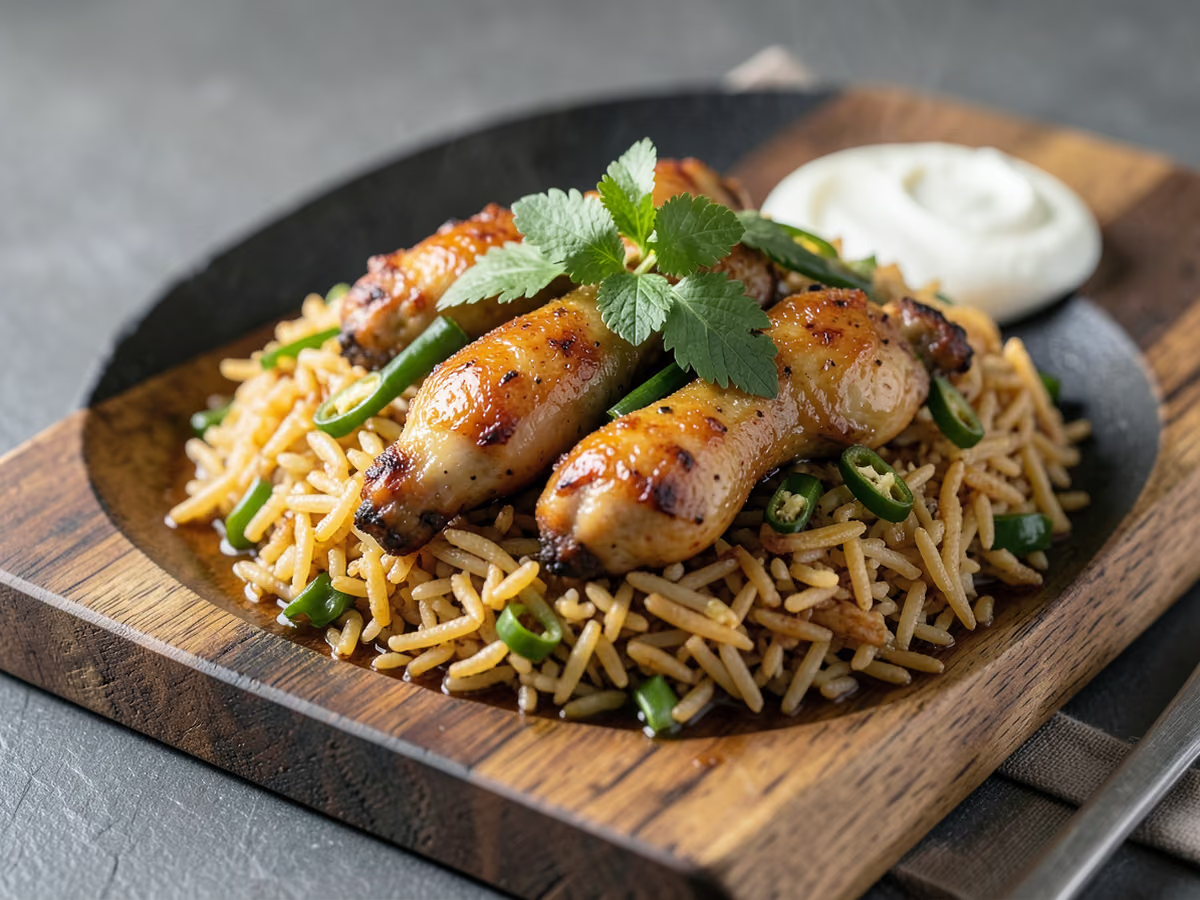
Turn off the heat and let the biryani rest, still sealed, for 10 minutes. Open carefully, fluff gently with a fork, and serve hot with raita.
Kitchen notes
Kitchen notes
- The most common mistake is overcooking the rice during par-boiling. It should be 70% done, firm to the bite, and break with a slight snap when pressed between fingers. It will finish cooking during dum.
- Do not stir the biryani after layering. Stirring breaks the rice grains and makes it mushy. Use a gentle folding motion only when serving.
- A heavy-bottomed pot or a tawa under the pot is essential for dum cooking. If the bottom scorches, the entire biryani will taste burnt.
- Resting for 10 minutes after cooking allows the steam to redistribute and makes the layers easier to serve without breaking the grains.
Substitutions
- ghee→unsalted butter or vegetable oil for a dairy-free version
- plain yogurt→coconut yogurt for a dairy-free marinade
- chicken thighs→bone-in chicken drumsticks or lamb shoulder (increase dum time to 45 minutes)
- saffron→0.5 tsp ground turmeric mixed with milk for color
Storage & reheating
Store leftover biryani in an airtight container in the refrigerator for up to 3 days. To reheat, sprinkle 1-2 tbsp water over the rice, cover, and microwave on high for 2-3 minutes or place in a 160°C oven for 10-12 minutes until steaming hot. Do not freeze biryani; the rice becomes grainy and the potatoes (if added) turn mealy. For best texture, reheat only the portion you plan to eat.
FAQ
The questions we get asked most
Why did my biryani turn out mushy?
Mushy biryani almost always means the rice was overcooked during par-boiling or too much water was added during dum. The rice should be drained when it is still firm, about 70% done, and the chicken marinade should provide all the moisture needed. Never add extra water after layering.
Can I make Hyderabadi chicken biryani ahead of time?
You can marinate the chicken up to 24 hours in advance and fry the onions a day ahead. The full biryani is best assembled and cooked fresh, but you can layer it in the pot up to 2 hours before cooking and keep it refrigerated. Add 5 extra minutes to the dum time if starting from cold.
How do I know when the biryani is fully cooked?
After 25 minutes of dum on low heat, carefully lift the lid and check a grain of rice from the top layer. It should be fluffy, separate, and fully tender with no chalky center. The chicken should be cooked through and easily pierced with a knife. If the rice is still firm, seal and cook for 5 more minutes.
Can I use boneless chicken instead of bone-in?
Yes, but bone-in chicken gives a richer flavor and stays juicier during the long dum. If using boneless thighs, reduce the initial cooking time in step 5 to 6-8 minutes and shorten the dum to 20 minutes to prevent dryness. Boneless breast is not recommended as it dries out easily.
Why is my biryani not fragrant enough?
Fragrance comes from three sources: fresh ginger-garlic paste, whole spices in the rice water, and saffron bloomed in warm milk. If you skip soaking the saffron or use old spices, the aroma will be flat. Also, do not skip the fried onions; they add a sweet, deep aroma that is essential to Hyderabadi biryani.
Can I make this biryani without a heavy pot or tawa?
Yes, you can use a Dutch oven or a thick-bottomed casserole. If your pot is thin, place a folded kitchen towel or a flat griddle under it to diffuse the heat. Alternatively, bake the sealed pot in a 180°C oven for 25 minutes instead of cooking on the stovetop.
How do I prevent the bottom from burning during dum?
The key is low heat and a heat diffuser. Place a flat tawa or griddle under the pot, or use a heavy-bottomed pot. Also, ensure there is enough fat (ghee and oil) at the bottom to protect the chicken. If you smell burning, immediately move the pot off the heat and place it on a cool surface; do not stir.
Ask KitchenMind about this recipe
Tell it what’s different tonight — it works within the actual recipe.