- Prep
- 15 min
- Cook
- 25 min
- Total
- 40 min
- Serves
- 4
Ingredients
What you’ll need — tap to tick off as you go
- 10 g
- 1200 ml
- 3 tbsp
- 1 tsp
- 300 g
- 2 cloves
- 1 tsp
- 4 cups
Process
Timers built in · swap anything · ask as you cook
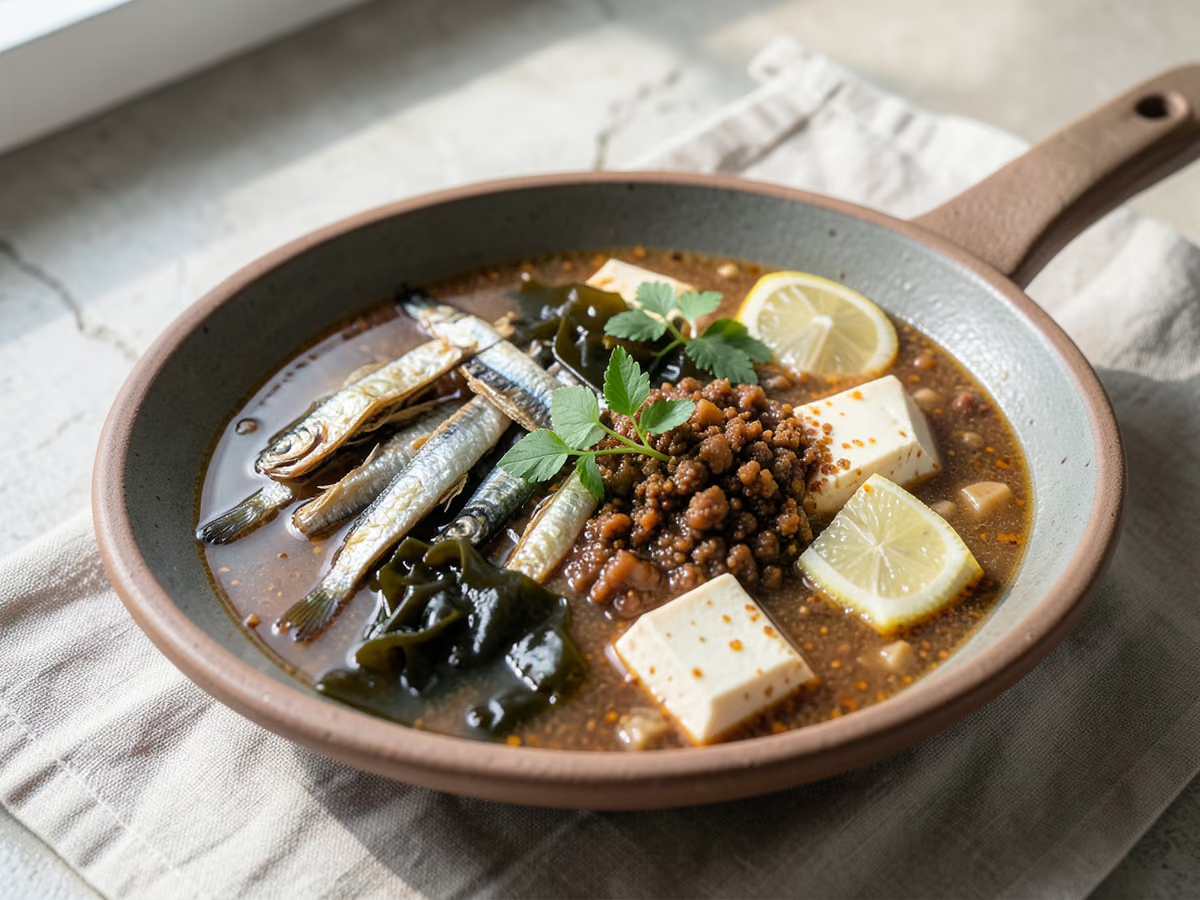
Make the broth: combine 1200 ml water, 10 dried anchovies, and 10 g dried kelp in a medium pot. Bring to a boil over medium heat, then reduce heat to low and simmer for 10 minutes. Remove the kelp after 10 minutes to avoid bitterness; keep simmering the anchovies for another 5 minutes, then strain the broth and discard the solids.
Return the strained broth to the pot and bring to a gentle simmer over medium heat. Add 3 tbsp doenjang and 1 tsp gochugaru (if using). Stir well until the paste is fully dissolved.
Add 1 medium potato (cut into 1 cm cubes) and 1 small onion (sliced). Simmer for 5 minutes until the potato is just tender.
Add 1 medium zucchini (cut into 1 cm half-moons) and 2 cloves garlic (minced). Simmer for 3 minutes.
Gently add 300 g firm tofu (cut into 2 cm cubes) and simmer for 5 minutes, being careful not to break the tofu.
Taste the stew. If it needs more depth, stir in an extra 1 tsp doenjang. Add 2 scallions (cut into 3 cm lengths) and simmer for 1 minute. Turn off the heat and drizzle with 1 tsp sesame oil, if using.
Ladle into bowls and serve hot with cooked short-grain rice, if desired.
Kitchen notes
Kitchen notes
- The most common mistake is boiling the stew too hard after adding doenjang; keep it at a gentle simmer so the paste does not scorch or turn bitter.
- Soak the dried kelp in the water for 10 minutes before heating if you want a clearer, sweeter broth; do not boil kelp for more than 10 minutes or the broth becomes slimy.
- Potato and zucchini release starch and water that thicken and sweeten the stew; cut them uniformly so they cook at the same rate.
- Doenjang brands vary in saltiness; start with 3 tbsp and add more only after tasting at the end.
Substitutions
- dried anchovies→1 tbsp soy sauce or 1 tsp mushroom seasoning for a vegetarian broth
- dried kelp→1 piece of dried shiitake mushroom for umami
- firm tofu→tempeh or extra-firm tofu
- gochugaru→1 tsp paprika plus a pinch of cayenne for mild heat
Storage & reheating
Cool the stew completely, then transfer to an airtight container and refrigerate for up to 3 days. The flavor deepens overnight. To reheat, place in a pot over medium heat until bubbling, about 5 minutes, or microwave covered for 2-3 minutes, stirring once. Freezing is not recommended because tofu becomes spongy and zucchini turns mushy.
FAQ
The questions we get asked most
Why is my doenjang jjigae bland or watery?
The broth was likely too weak or the doenjang was added without enough simmering time. Use a proper anchovy-kelp broth and let the stew simmer for at least 10 minutes after adding the paste so the flavors meld. If it still tastes thin, add another teaspoon of doenjang and simmer 2 more minutes.
Can I make doenjang jjigae without anchovies or kelp?
Yes. For a vegetarian version, replace the anchovy-kelp broth with 1200 ml water plus 1 tablespoon soy sauce and 1 teaspoon mushroom seasoning, or use vegetable stock. The stew will be lighter but still savory from the doenjang.
How do I keep the tofu from breaking apart?
Use firm or extra-firm tofu and add it after the vegetables are nearly cooked. Simmer gently, never boil hard, and stir only once or twice with a spoon pushed against the side of the pot. Pressing the tofu for 10 minutes before cutting also helps it hold its shape.
Can I add meat or seafood to this stew?
Yes. Thinly sliced beef or pork is traditional, but for a halal version use beef. Add 100 g thinly sliced beef after the onion and cook until no longer pink, then proceed. For seafood, add 100 g clams or shrimp in the last 5 minutes of simmering.
How spicy is doenjang jjigae with gochugaru?
One teaspoon of gochugaru gives a mild, warm heat that most people find gentle. For a spicier stew, add up to 1 tablespoon, or include 1 sliced fresh chili. If you omit gochugaru entirely, the stew is not spicy at all.
Can I use other vegetables in doenjang jjigae?
Yes. Mushrooms, radish, cabbage, and spinach all work well. Add firm vegetables like radish with the potato, and leafy greens like spinach in the last minute of cooking. Avoid watery vegetables like cucumber, which dilute the broth.
How do I know when doenjang jjigae is done?
The stew is done when the potato is fully tender when pierced with a knife and the tofu is heated through, about 15-20 minutes total simmering. The broth should be bubbling gently and taste savory and balanced. If the potato is still firm, simmer 3-5 more minutes.
Ask KitchenMind about this recipe
Tell it what’s different tonight — it works within the actual recipe.