- Prep
- 15 min
- Cook
- 25 min
- Total
- 40 min
- Serves
- 2
Ingredients
What you’ll need — tap to tick off as you go
- 1 slice
- 600 ml
- 350 g
- 1 ½ tbsp
- 1 tbsp
- 2 cloves
- 100 g
- 80 g
- 1 tbsp
Process
Timers built in · swap anything · ask as you cook
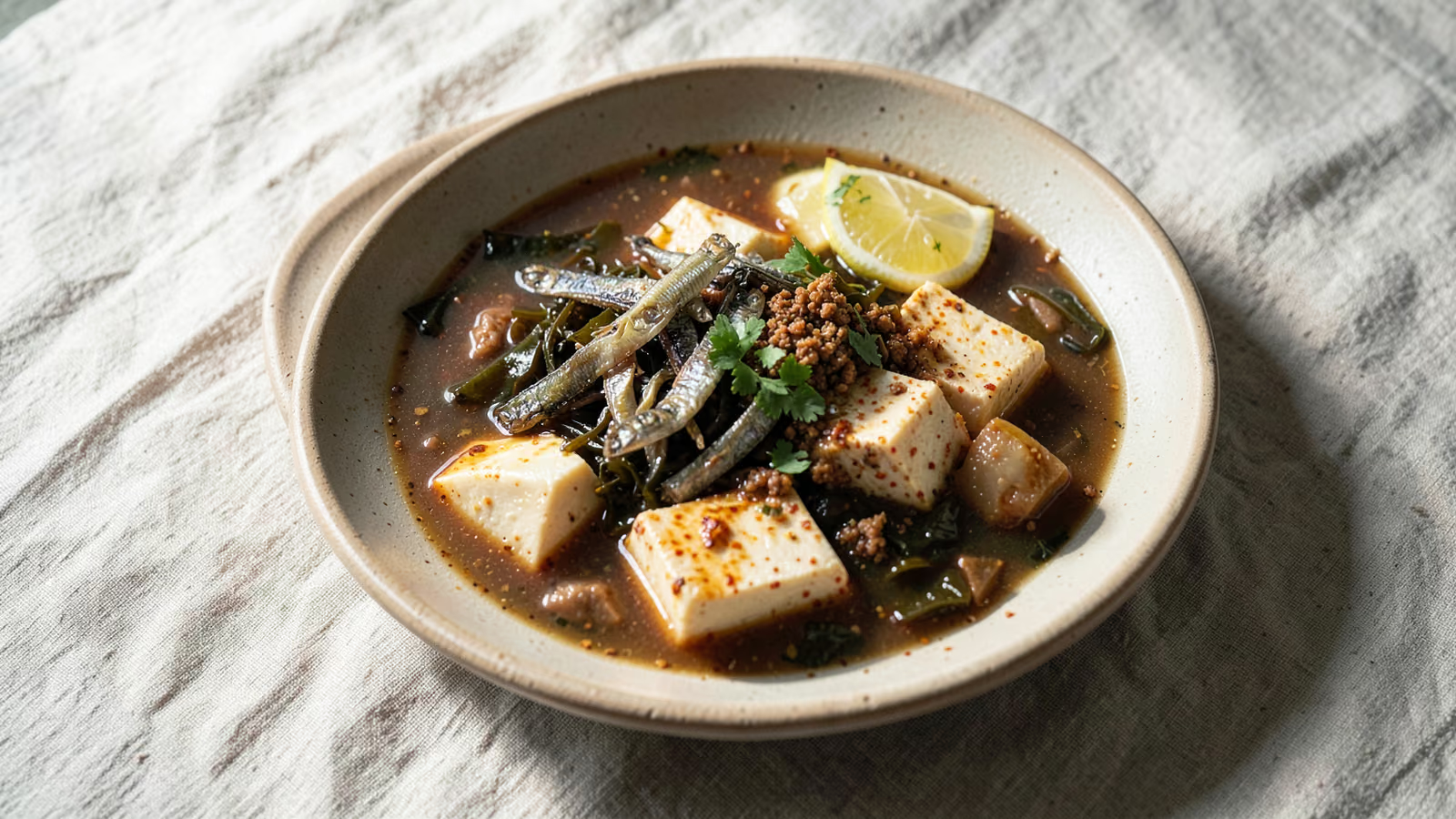
Make the broth: combine dried anchovies, dried kelp, and water in a medium pot. Bring to a boil over medium heat, then reduce heat to low and simmer for 10 minutes. Strain and discard solids. Set broth aside.
Heat sesame oil in a clay pot or heavy-bottomed pot over medium heat. Add garlic and onion, and cook for 2 minutes until fragrant and softened.
Add gochugaru and stir constantly for 30 seconds to bloom the chili flakes, then pour in the strained broth. Bring to a simmer.
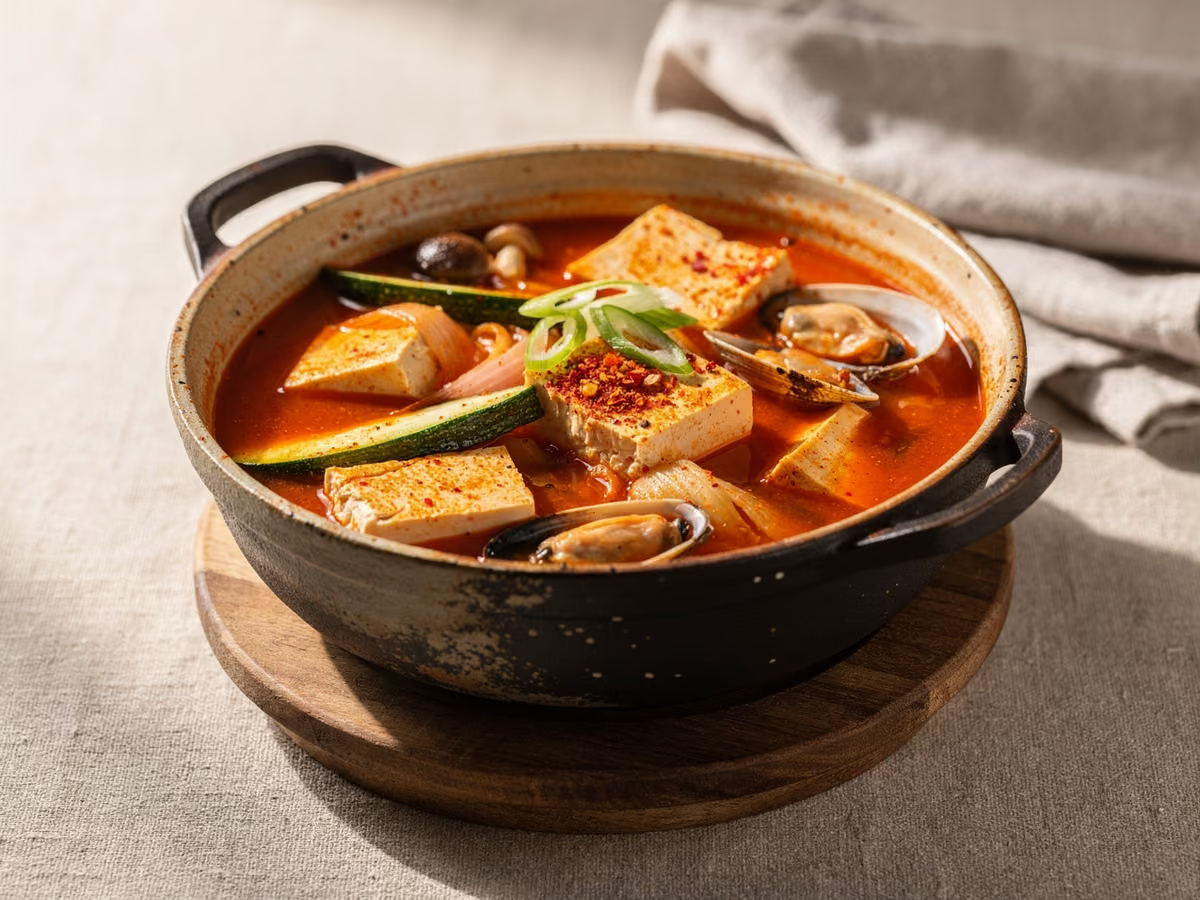
Add zucchini and shiitake mushrooms. Simmer for 5 minutes until vegetables are just tender.
Gently add soft tofu by spooning large chunks into the pot. Do not stir vigorously; press tofu lightly with the back of a spoon to break into bite-sized pieces. Simmer for 5 minutes.
Stir in soy sauce. Taste and adjust seasoning if needed.
Crack the egg directly on top of the stew. Cover and cook for 2 minutes for a runny yolk, or 3 minutes for a firmer yolk.
Garnish with green onion and serve immediately, ideally with steamed rice.
Kitchen notes
Kitchen notes
- The most common mistake is stirring the tofu too much, which makes the stew cloudy and broken. Add tofu gently and avoid vigorous stirring.
- The stew is done when the egg white is just set but the yolk is still soft, and the broth is bubbling vigorously. If you prefer a fully cooked egg, cook for 4 minutes.
- Using a clay pot (ttukbaegi) keeps the stew hot at the table and gives a slightly caramelized bottom. If you do not have one, a heavy saucepan works but reduce the heat slightly to prevent scorching.
- For a deeper flavor, you can add a piece of kombu to the broth and remove it just before boiling to avoid slimy texture.
Substitutions
- dried anchovies→dried shiitake mushrooms for a vegetarian version
- soft tofu→silken tofu or medium-firm tofu
- shiitake mushrooms→white button mushrooms or oyster mushrooms
- gochugaru→Aleppo pepper or a mix of paprika and cayenne
Storage & reheating
Store leftovers in an airtight container in the refrigerator for up to 2 days. The tofu will release water, so the stew may become thinner; reheat gently in a pot over medium-low heat until bubbling, about 5 minutes. Do not microwave as it can cause the tofu to break apart. Freezing is not recommended because the tofu becomes spongy and the egg changes texture.
FAQ
The questions we get asked most
Can I make sundubu jjigae without anchovies?
Yes. For a vegetarian version, replace the anchovies and kelp with 600 ml vegetable broth and 2 dried shiitake mushrooms. Simmer the mushrooms in the broth for 10 minutes, then strain. The flavor will be lighter but still savory.
Why is my sundubu jjigae bland?
Blandness usually comes from a weak broth or not enough gochugaru. Make sure to simmer the anchovies and kelp for at least 10 minutes to extract flavor. Also, bloom the gochugaru in oil before adding liquid; this releases its color and aroma. Finally, season with soy sauce at the end, as saltiness can fade during simmering.
Can I add meat or seafood to this stew?
Yes. Thinly sliced beef or pork (if halal) can be added with the garlic and onion and cooked until browned. For seafood, add shrimp or clams after the vegetables and simmer until they open or turn pink, about 3-4 minutes. Adjust soy sauce accordingly.
How do I keep the tofu from breaking apart?
Use a spoon to scoop large, irregular chunks of soft tofu directly into the pot rather than cutting it. Do not stir after adding; instead, gently push the tofu down with the back of a spoon. Simmer without boiling vigorously.
Can I use firm tofu instead of soft tofu?
Yes, but the texture will be different. Firm tofu holds its shape better but does not give the same creamy, custardy consistency. If using firm tofu, cut it into cubes and add it earlier, simmering for 10 minutes to absorb flavor.
How spicy is sundubu jjigae?
The spiciness depends on the gochugaru. One and a half tablespoons of gochugaru gives a medium-hot stew. For mild, use 1 tablespoon; for very spicy, use 2 tablespoons. You can also add a teaspoon of gochujang for a deeper heat, but note it may contain gluten.
Can I make this stew ahead of time?
The broth can be made up to 3 days ahead and refrigerated. However, the stew is best assembled and cooked fresh because the tofu and egg do not reheat well. If you must make it ahead, cook without the egg, refrigerate for up to 2 days, and add a fresh egg when reheating.
Ask KitchenMind about this recipe
Tell it what’s different tonight — it works within the actual recipe.