Saltah Yemeni Stew
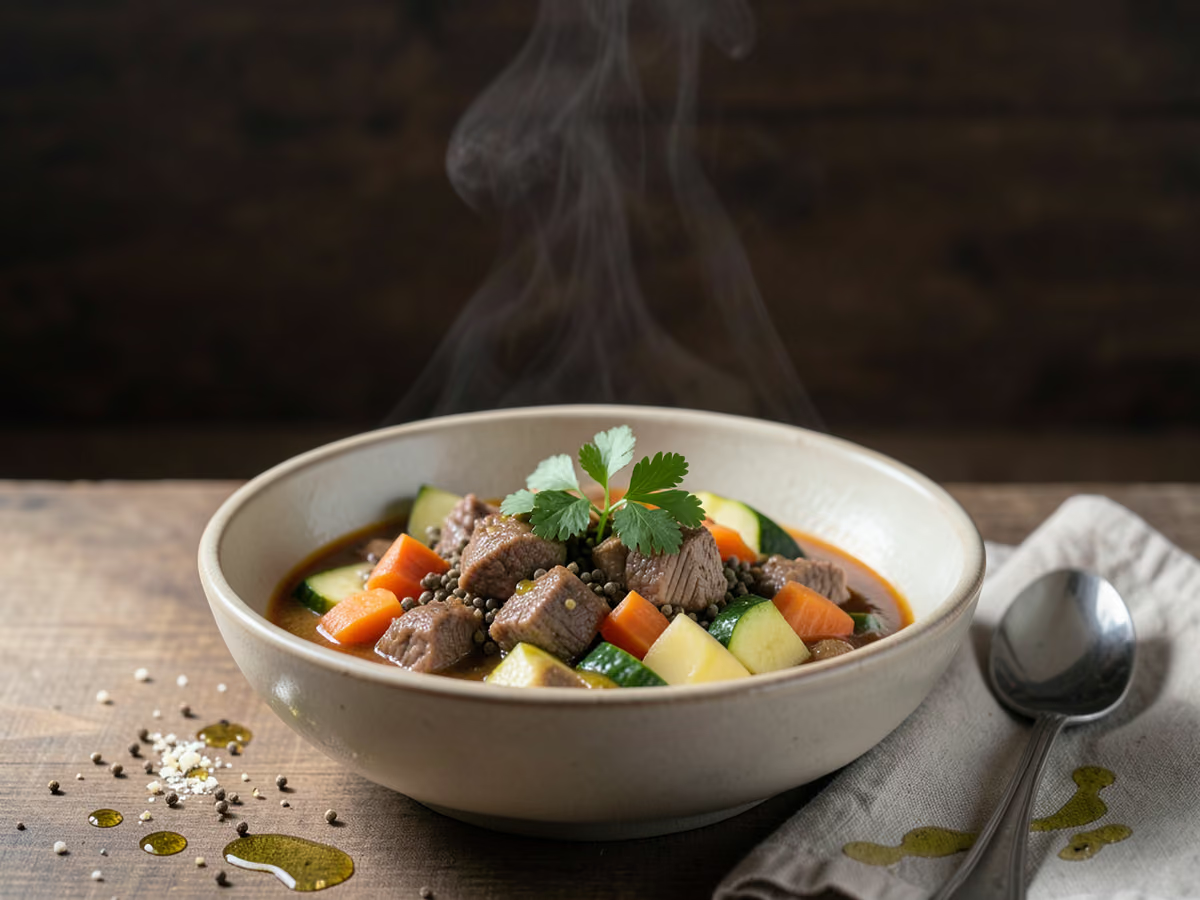
A Yemeni beef stew with potato, carrot and zucchini, simmered 90 minutes and finished with fenugreek and green chili. Serve it with flatbread for four.
- Prep
- 20 min
- Cook
- 90 min
- Total
- 110 min
- Serves
- 4
Ingredients
What you’ll need — tap to tick off as you go
- 600 g
- 4 cloves
- 2 tbsp
- 1 tsp
- 1 tsp
- ½ tsp
- 1 tsp
- ½ tsp
- 2 tbsp
- 800 ml
- 2 tbsp
- 1 cup
Process
Timers built in · swap anything · ask as you cook
Soak the fenugreek seeds in cold water overnight, then drain and set aside.
Heat the vegetable oil in a large pot over medium heat. Add the onion and cook until soft and golden, about 5 minutes.
Add the garlic, ground cumin, ground coriander, ground turmeric, salt, and black pepper. Stir for 30 seconds until fragrant.
Add the beef chuck cubes and cook, turning occasionally, until browned on all sides, about 6 minutes.
Stir in the tomato paste and chopped tomato. Cook for 2 minutes, then pour in the beef broth. Bring to a boil, then reduce heat to low, cover, and simmer for 45 minutes.
Add the potato, carrot, and zucchini. Continue simmering, covered, until the beef is tender and the vegetables are cooked through, about 25 minutes more.
While the stew simmers, make the sahawiq: blend the green chili, cilantro, and a pinch of salt in a food processor until coarsely chopped. Set aside.
For the fenugreek foam, blend the soaked fenugreek seeds with 60 ml cold water until pale and frothy, about 2 minutes.
Ladle the hot stew into deep bowls. Spoon the fenugreek foam over the top and serve with sahawiq and flatbread on the side.
Kitchen notes
Kitchen notes
- Do not skip soaking the fenugreek seeds overnight; unsoaked seeds stay bitter and hard, and the foam will not whip properly.
- Brown the beef in batches if needed to avoid steaming; a good sear builds the deep flavor that defines saltah.
- The stew is done when the beef shreds easily with a fork and the potatoes are tender but not falling apart.
- Warm the flatbread directly over a gas flame or in a dry skillet so it stays pliable for scooping.
Substitutions
- beef chuck→lamb shoulder
- beef broth→vegetable broth
- green chili→jalapeño
- cilantro→parsley
Storage & reheating
Store leftover saltah in an airtight container in the refrigerator for up to 3 days. The fenugreek foam is best fresh; store it separately for up to 1 day. Reheat the stew gently on the stovetop over medium-low heat until steaming, about 8 minutes, or in the microwave at 70% power. Freeze the stew without the foam for up to 2 months; thaw overnight in the fridge before reheating.
FAQ
The questions we get asked most
Why is my fenugreek foam bitter?
Bitterness comes from not soaking the seeds long enough or using too much water. Soak the fenugreek seeds at least 8 hours or overnight, drain well, then blend with just 60 ml cold water. If it still tastes sharp, add a pinch of salt and a squeeze of lemon.
Can I make saltah ahead of time?
Yes, the stew actually improves overnight as the spices meld. Cook it fully, cool quickly, and refrigerate for up to 3 days. Reheat gently on the stovetop and whip the fenugreek foam fresh just before serving.
How do I know when the beef is tender enough?
The beef should shred easily when pressed with a fork and offer no resistance when pierced. If it still feels tough after the initial 45 minutes, add a splash more broth and simmer another 15 to 20 minutes. Chuck needs low, slow heat to break down.
Can I use a different cut of meat?
Yes, lamb shoulder works well and is traditional in some regions. Avoid lean cuts like sirloin or breast, which dry out during the long simmer. If using lamb, reduce the initial simmer to 35 minutes before adding the vegetables.
What if I cannot find fenugreek seeds?
Fenugreek is essential for the signature foam, but you can substitute 2 tablespoons of ground fenugreek mixed with 60 ml water and whipped. The texture will be less airy but the flavor will still be close. Do not use maple syrup or other sweeteners as a substitute.
Can I add other vegetables to saltah?
Yes, green beans, peas, or chopped bell pepper can be added in the last 15 minutes of cooking. Avoid starchy vegetables like corn or extra potatoes, which can thicken the stew too much. Adjust salt after adding any new vegetable.
How spicy is sahawiq and can I tone it down?
Sahawiq is quite spicy, but you control the heat by removing the chili seeds and membranes before blending. For a milder version, use half a chili or substitute a mild green pepper. Taste and adjust before serving.
Ask KitchenMind about this recipe
Tell it what’s different tonight — it works within the actual recipe.