- Prep
- 15 min
- Cook
- 25 min
- Total
- 40 min
- Serves
- 4
Ingredients
What you’ll need — tap to tick off as you go
- 600 g
- 800 ml
- 4 tbsp
- 2 tbsp
- 1 ½ tbsp
- 60 g
- 20 g
- 300 g
- 2 tbsp
Process
Timers built in · swap anything · ask as you cook
Cook the jasmine rice according to package instructions. While it cooks, prepare the curry.
In a large skillet or wok, heat the vegetable oil over medium heat. Add the panang curry paste and fry for 1–2 minutes until fragrant and slightly darkened.
Pour in 200 ml of the coconut milk and stir constantly for 2–3 minutes until the paste dissolves and the mixture thickens and shines.
Add the chicken thigh pieces and cook for 5 minutes, stirring to coat them in the sauce.
Pour in the remaining 600 ml coconut milk, add the fish sauce and palm sugar, and bring to a gentle simmer. Cook for 10–12 minutes, stirring occasionally, until the chicken is cooked through and the sauce has reduced slightly.
Stir in the ground roasted peanuts and half of the sliced kaffir lime leaves. Simmer for 2 more minutes.
Add the red bell pepper strips and cook for 2–3 minutes until just tender but still crisp.
Taste and adjust seasoning with more fish sauce or palm sugar if needed. The curry should be rich, mildly sweet, and salty.
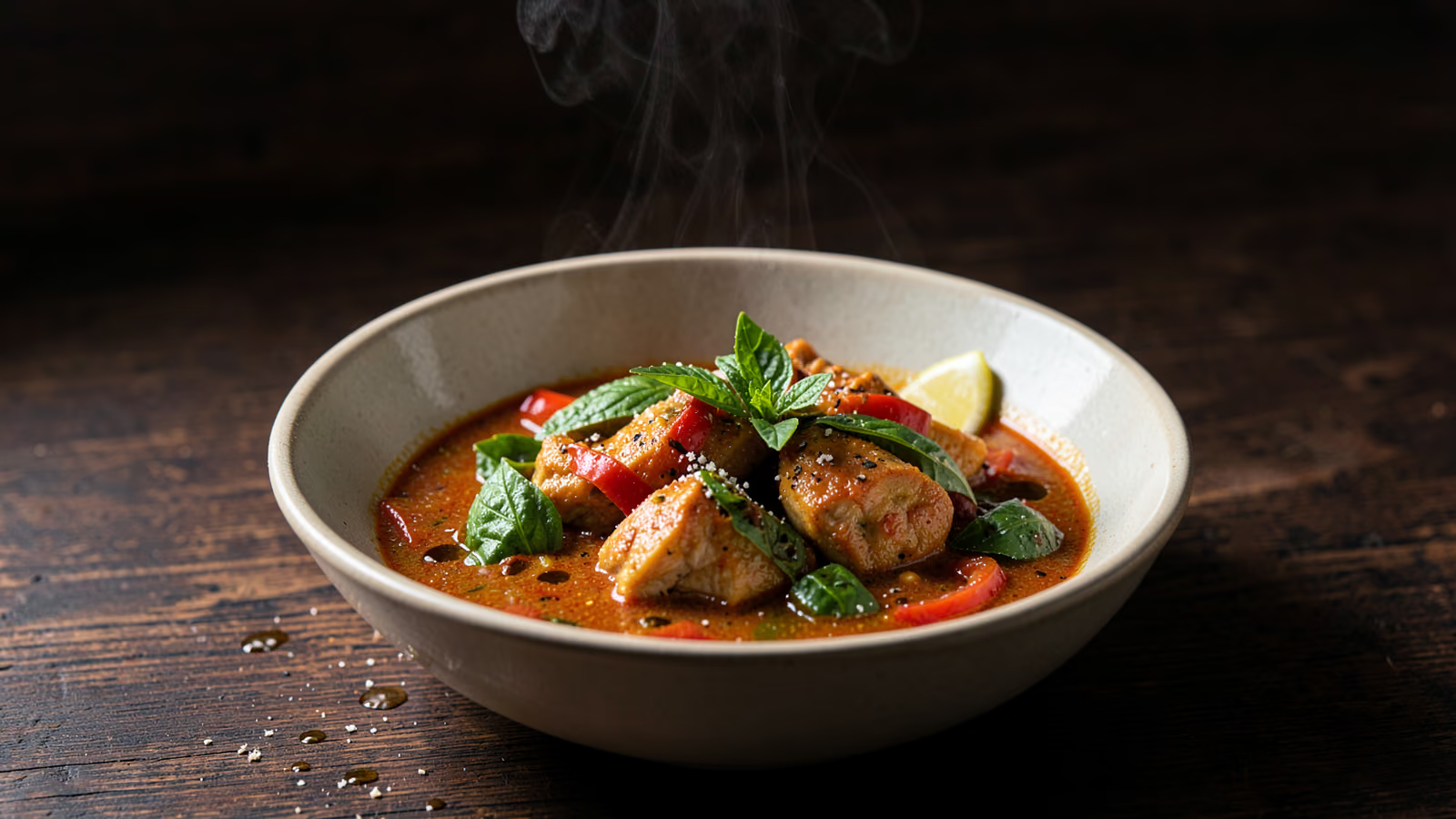
Serve hot over jasmine rice, garnished with the remaining kaffir lime leaves, extra ground peanuts, and fresh Thai basil if using.
Kitchen notes
Kitchen notes
- Fry the curry paste in oil before adding liquid: this blooms the spices and removes the raw paste taste, which is the most common mistake.
- Use full-fat coconut milk and do not boil hard after adding it, or the sauce may split. A gentle simmer keeps it smooth and glossy.
- The curry is done when the chicken reaches 74°C internally and the sauce coats the back of a spoon. If it is too thin, simmer uncovered for a few more minutes.
- Ground roasted peanuts thicken the sauce and add authentic panang flavor. Grind them finely but leave a little texture for garnish.
Substitutions
- chicken thighs→firm tofu or shrimp (adjust cooking time)
- palm sugar→brown sugar or coconut sugar
- fish sauce→soy sauce (for a vegetarian version)
- red bell pepper→sliced bamboo shoots or green beans
Storage & reheating
Store leftovers in an airtight container in the refrigerator for up to 3 days. To reheat, gently warm in a saucepan over medium-low heat, adding a splash of coconut milk or water if the sauce has thickened. Do not microwave on high, as it can cause the coconut milk to split. Freeze for up to 2 months in a freezer-safe container; thaw overnight in the refrigerator before reheating.
FAQ
The questions we get asked most
Why did my panang curry turn out watery?
Watery curry usually happens when you use light coconut milk or skip the initial frying of the paste. Full-fat coconut milk and frying the paste in oil before adding liquid help create a thick, rich sauce. Also, simmer uncovered after adding the coconut milk to allow excess liquid to evaporate.
Can I make panang curry ahead of time?
Yes, you can make it up to 2 days ahead. Cool it completely, then store in an airtight container in the refrigerator. The flavors deepen overnight. Reheat gently on the stovetop, adding a little coconut milk if needed.
How do I know when the chicken is fully cooked?
The chicken is done when it reaches an internal temperature of 74°C and the pieces are opaque and firm to the touch. If you do not have a thermometer, cut a piece in half; there should be no pink inside.
Can I use a different protein instead of chicken?
Yes, you can substitute shrimp, beef, pork, or tofu. For shrimp, add them in the last 3-4 minutes of cooking. For beef, slice it thinly and simmer until tender. For tofu, use firm tofu and pan-fry it separately before adding to the sauce.
Is panang curry very spicy?
Panang curry is generally milder and sweeter than red or green curry. The paste contains dried red chilies, but the coconut milk and palm sugar balance the heat. You can adjust the amount of paste to make it milder or spicier.
What can I use instead of kaffir lime leaves?
If you cannot find kaffir lime leaves, you can substitute with a teaspoon of lime zest and a bay leaf. The flavor will be slightly different but still aromatic. Fresh or frozen leaves are best; dried ones are less potent.
Can I freeze panang curry?
Yes, panang curry freezes well. Store it in a freezer-safe container for up to 2 months. Thaw overnight in the refrigerator and reheat gently on the stovetop. The texture of the vegetables may soften slightly after freezing.
Ask KitchenMind about this recipe
Tell it what’s different tonight — it works within the actual recipe.