Beef Bibimbap
Beef bibimbap is Korea's great rice bowl: 400 g of warm short-grain rice ringed with marinated sirloin, seasoned vegetable toppings and a runny fried egg, brought together at the table by a spoonful of gochujang sauce. The name means mixed rice, and the whole method is about keeping each element distinct until the first stir. Prep takes 30 minutes while the stove work runs about 20, most of it quiet: the beef marinates for 15 minutes while the rice cooks and the vegetables are blanched.
- Prep
- 30 min
- Cook
- 20 min
- Total
- 65 min
- Additional time
- 15 min
- Serves
- 4
Ingredients
What you’ll need — tap to tick off as you go
- 400 g
- 300 g
- 4 tbsp
- 2 tbsp
- 1 tbsp
- 3 cloves
- 200 g
- 150 g
- 100 g
- 4 tbsp
- 2 tbsp
- 1 pinch
- 1 pinch
- 1 tbsp
Process
Timers built in · swap anything · ask as you cook
Cook the 400 g of short-grain rice in a rice cooker or a covered pot, using a little less water than the package directs so the grains stay separate and slightly dry. Keep it covered and warm while you prepare the toppings: bibimbap rice is meant to be drier than usual, because the gochujang sauce and the egg yolk will loosen everything as you mix.
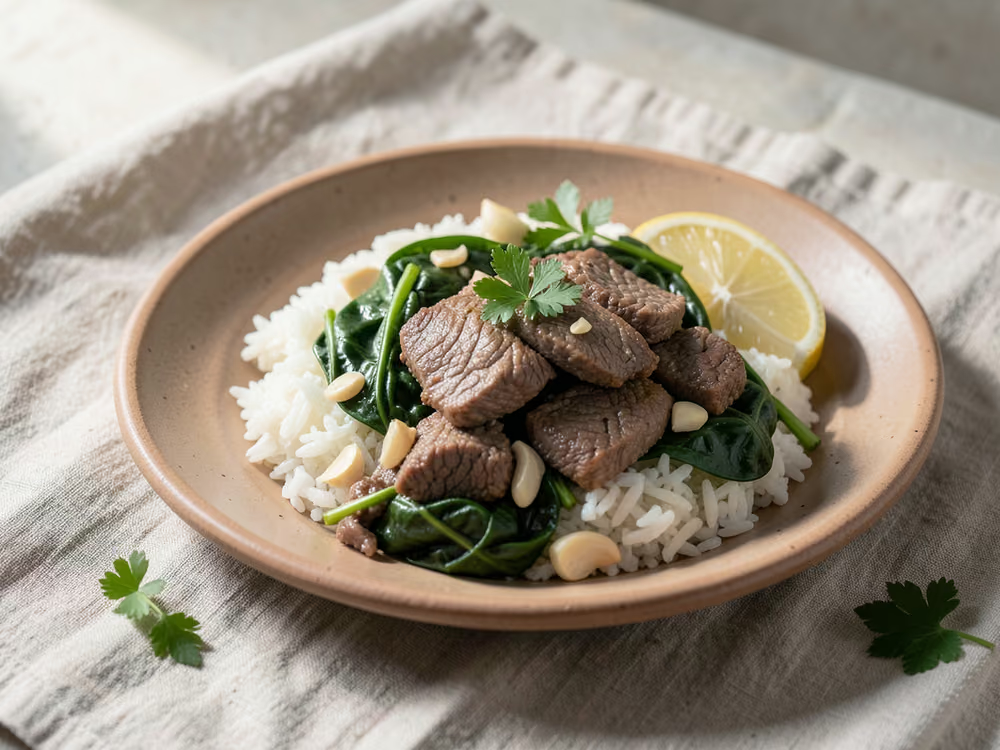
In a bowl, combine the 300 g sliced beef sirloin with 2 tbsp of the soy sauce, 1 tbsp of the sesame oil, the 1 tbsp brown sugar and half of the 3 minced garlic cloves. Mix until every slice is coated, then leave to marinate for at least 15 minutes while you blanch the vegetables; thin slices season quickly, and the sugar is what will caramelise their edges in the pan.
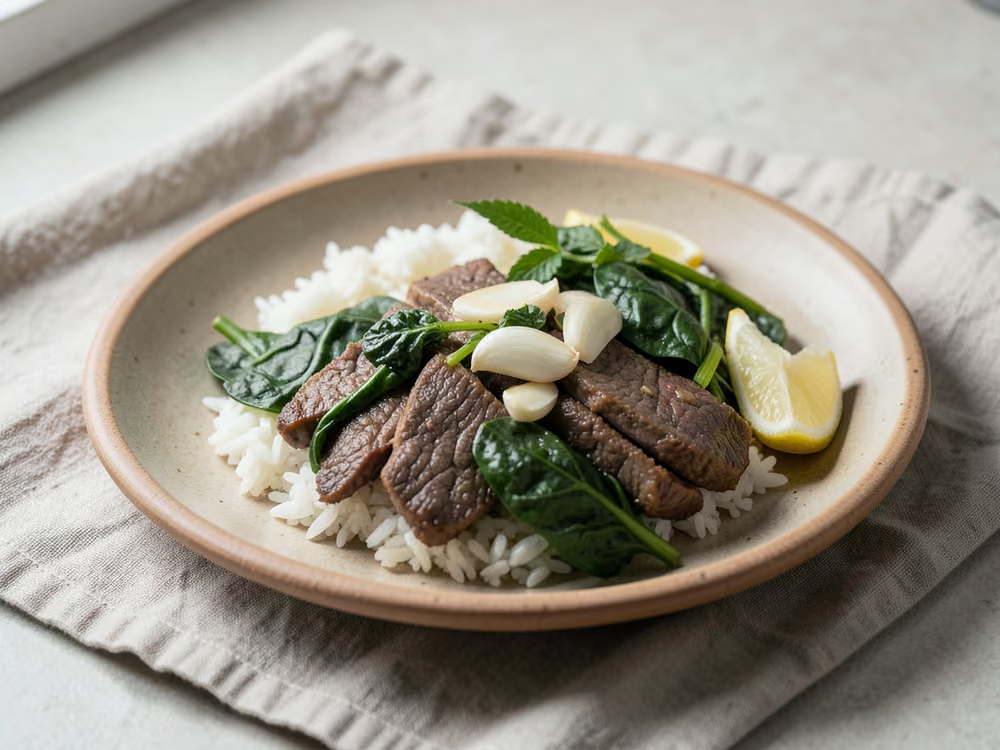
Blanch the 200 g spinach in boiling water for exactly 30 seconds, then drain it and rinse under cold water until cooled. Squeeze it in a clean towel until barely damp, then toss with 1 tbsp soy sauce, 1 tsp sesame oil and a pinch of salt. The cold rinse stops the cooking and locks in the green; the squeeze protects the rice below.
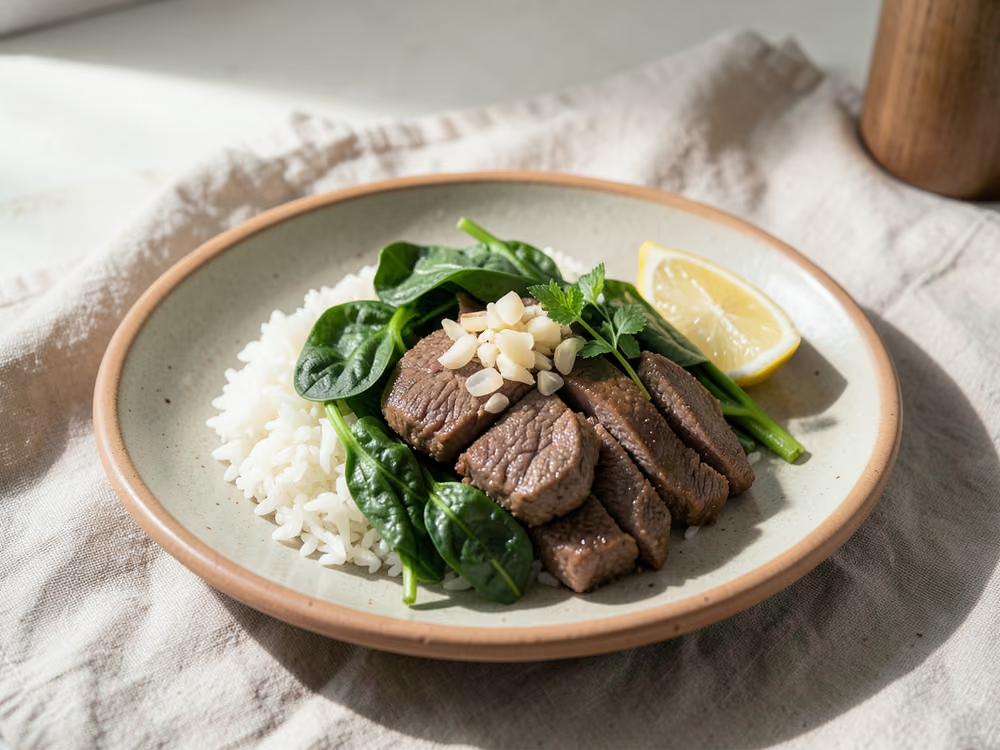
Blanch the 150 g bean sprouts in the same boiling water for 2 minutes, drain, and rinse cold until they stop steaming. Drain thoroughly, then season with 1 tsp sesame oil and a pinch of salt. Two minutes is the sweet spot: long enough to tame the raw bite, short enough that the stems keep their snap.
Warm a large skillet over medium heat with 1 tbsp of the vegetable oil, add the julienned carrot and zucchini and stir-fry for 2 to 3 minutes until just tender, seasoning with a pinch of salt and pepper. Keep them glossy and firm rather than browned; their mild sweetness is part of what balances the chili heat later.
Add the remaining 1 tbsp vegetable oil to the same skillet, then the 100 g sliced shiitake and the rest of the minced garlic. Sauté for 3 to 4 minutes until the mushrooms are soft, glistening and no longer smell raw, then season with a pinch of salt and pepper and move them to the plate with the vegetables.
Raise the heat to medium-high, add the marinated beef in a single layer and leave it undisturbed for the first minute so it colours instead of steaming. Sear for 3 to 4 minutes in total, turning once, until the slices are browned and no pink remains in the centre (71°C on an instant-read thermometer). Cook in two batches if the pan is crowded.
Stir the 4 tbsp gochujang with 1 tbsp water and the last 1 tsp sesame oil until it pours in a thick ribbon. Straight from the tub, gochujang is too tight to spread over rice; the water loosens it and the sesame oil rounds the heat into something glossy and spoonable.
Fry the 4 eggs in a lightly oiled non-stick skillet over medium heat, sunny-side up or over easy, and pull them the moment the whites are just set while the yolks still wobble; season with a pinch of salt and pepper. The yolk is the sauce, so a firm one costs the dish its silk.
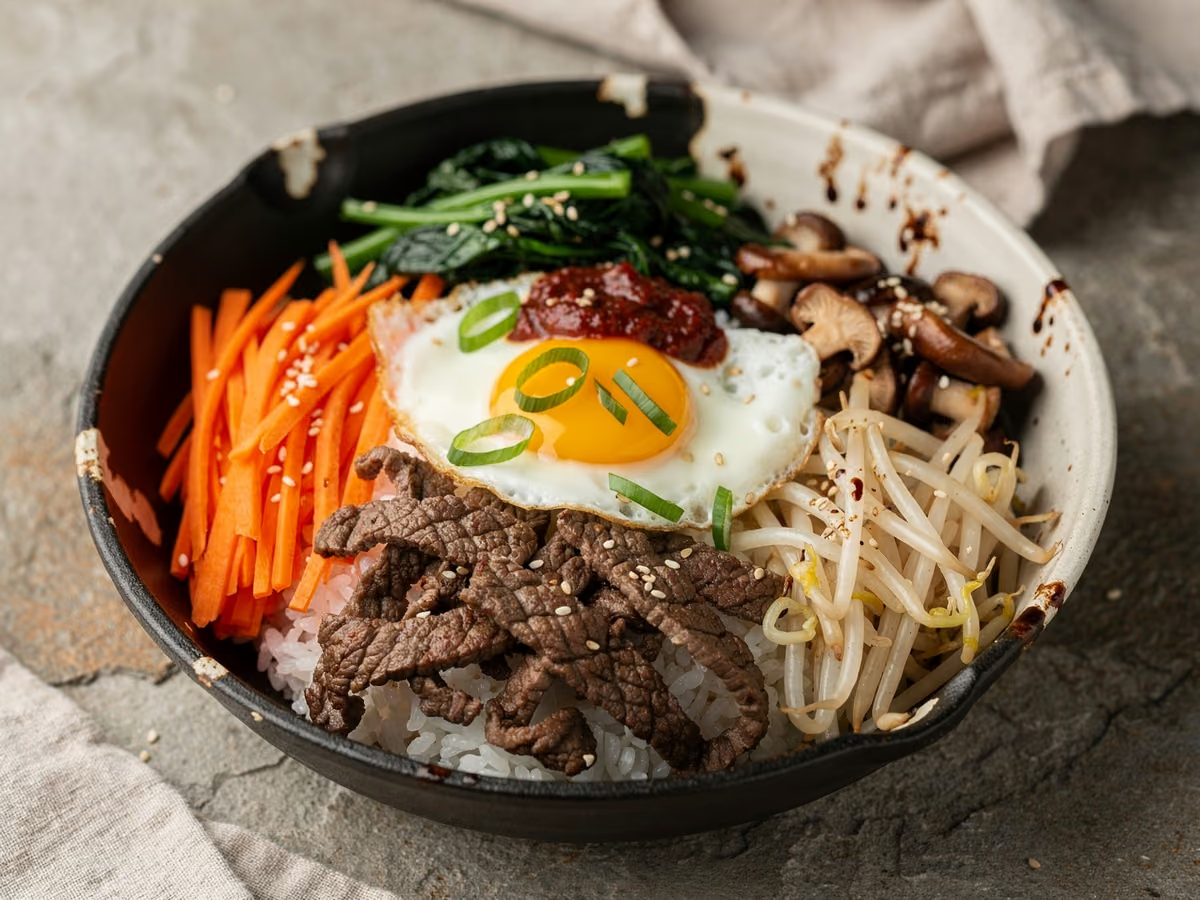
Divide the warm rice among four shallow bowls and arrange the beef, spinach, sprouts, carrot-zucchini and mushrooms in sections over it. Set a fried egg on each bowl, drizzle over the gochujang sauce and scatter the toasted sesame seeds. Everything should still be warm, so it mixes into one glossy whole at the table.
Why this recipe works
The technique is separate cooking, and it is what makes the bowl: spinach is blanched for 30 seconds and cooled fast so it stays green and firm, bean sprouts get 2 minutes so their snap survives, and the carrot, zucchini and mushrooms are stir-fried one after another so each keeps its own flavour. Squeezing the blanched greens dry matters more than it sounds, because water pooled in the bowl steams the rice and dilutes the sauce. The beef marinade does two jobs at once: soy and salt season the thin slices through, while the brown sugar caramelises their edges over medium-high heat. Finally, the runny yolk and the loosened gochujang act as the dressing once everything is stirred together.
Equipment
- Rice cooker or a heavy pot with a tight-fitting lid
- Large non-stick skillet or a well-seasoned carbon-steel pan
- Medium pot for blanching
- Colander and a clean kitchen towel
- Small bowls to hold each seasoned topping
- Four wide, shallow serving bowls
- Chef's knife and cutting board
- Instant-read thermometer
Kitchen notes
Kitchen notes
- Line up each finished topping on one big platter as it is seasoned; Korean home cooks prep bibimbap exactly this way, and it turns the final assembly into a two-minute job with nothing left to think about.
- Chill the sirloin in the freezer until the outside is firm but the centre still gives, then slice: firm meat cuts into the thin, even slices this bowl is built on.
- Scatter the sesame seeds last, after the sauce, and crush a few between your fingers as they fall; the seeds stay on top where you can taste them and their oils wake up against the warm rice.
- Warm the serving bowls with hot water and a quick wipe, or rest them in the pot the rice cooked in; warm bowls keep the rice from cooling before the mixing starts.
- Use the marinade as your timer: start the beef, then blanch and stir-fry the vegetables while it works, and everything lands hot and ready at almost the same moment.
Common mistakes
- Soggy bibimbap: the greens or sprouts still held water, or the rice was cooked too wet. Squeeze the spinach in a towel, drain the sprouts in a colander, cook the rice a touch drier, and assemble in dry bowls so nothing steams underneath.
- Grey, steamed beef: the pan was not hot enough, or the slices were piled up instead of laid in a single layer. Heat the skillet properly, give the meat room, and leave it alone for the first minute so the edges brown.
- One-note, flat vegetables: everything cooked together in one batch. Take the carrot and zucchini out before the mushrooms go in, and season each lightly on its own; the separate cooking is what keeps every bite a little different.
- Limp spinach and mushy sprouts: blanched well past their time. Spinach needs 30 seconds and sprouts 2 minutes in water at a full boil, then a cold rinse straight away; beyond that they collapse and lose their colour.
- A cold bowl on hot rice: the toppings sat while the eggs were fried. Reheat any cooled vegetables quickly in the skillet, or time the eggs to finish last, so everything meets the rice warm and mixes as one dish.
- Clumpy gochujang that will not spread: the sauce was used straight from the tub. Loosen it with the 1 tbsp water and the last 1 tsp sesame oil, stirring until it falls off the spoon in a ribbon.
Serving suggestions
- Serve in four warm, wide bowls with one egg each, and carry the gochujang sauce to the table so every diner decides how fiery their bowl gets.
- Mix before eating: a few firm stirs with a spoon so the yolk, sauce and toppings thread through the rice; bibimbap means mixed rice, and the first stir is part of the ritual.
- Keep the drinks clean and cold: barley tea, iced tea or sparkling water is the classic counterpoint to the chili paste.
- A cool cucumber or radish salad and a dish of kimchi round out the table the Korean way, both crisp and sharp against the warm, sweet-savoury rice.
- A full serving is one bowl each as written, and smaller appetites can take a half bowl with extra banchan on the side.
Variations
- Dolsot-style, a different serving: heat a stone or heavy earthenware bowl with a little sesame oil, add the rice and toppings, and let it sit over the heat for a few minutes until the rice crackles against the base; the reward is the crisp golden layer you scrape up at the end.
- Seasonal vegetable bibimbap, a different build: keep the beef and swap or add among cucumber, zucchini, radish salad, sautéed onion or other greens; any four or five namul-style toppings work, each seasoned on its own.
- Banchan bibimbap, a different build: the dish is traditionally a way to use up the small side dishes already in the fridge; leftover seasoned vegetables can stand in beside the fresh ones, which makes it a fast weeknight assembly rather than a full cook.
Refrigerator
- RefrigeratorCool leftovers within 2 hours, then refrigerate in an airtight container for up to 3 days; keep the egg separate if you can, because it does not reheat well. For the best texture, eat within 2 days and expect the vegetables to soften as they sit.
- ReheatingReheat the rice and toppings in a covered microwave-safe dish on high for 2 to 3 minutes, stirring halfway, until steaming hot throughout and 74°C in the centre, or warm them through in a skillet. Fry a fresh egg to serve.
- FreezingPortion the rice and toppings, without the egg, into freezer-safe containers and freeze for up to 2 months. Thaw overnight in the fridge; the vegetables come back softer and the colours muted, but the flavour holds.
- Make aheadEvery component can be cooked up to 2 days ahead and refrigerated separately; reheat until steaming and fry the eggs at the last minute. From scratch the 30 minutes of prep is mostly hands-off waiting, and the stove work is about 20 minutes.
Updated:
How this recipe was developed
- Korean Bapsang bibimbap (classic vegetables and bulgogi-style beef, rice cooked slightly drier than usual, gochujang sauce loosened with water and sesame oil, squeezed-dry blanched greens, dolsot version)
- Maangchi bibimbap (namul vegetables seasoned individually with garlic, sesame oil and salt; beef marinated in soy and sesame; mixing before eating; dolsot-bibimbap for the crisp rice layer)
- USDA FSIS safe minimum internal temperatures (whole cuts of beef 63°C with a 3-minute rest; leftovers reheated to 74°C)
- USDA FSIS leftovers and food safety guidance (refrigerate within 2 hours; 3 to 4 days in the fridge; freeze for longer storage)
Editorial references are kept internally for verification. This page makes no claim of external certification or professional testing.
Gallery
FAQ
The questions we get asked most
Why did my bibimbap turn out soggy?
Almost always water hiding in the toppings or the rice. Squeeze the blanched spinach in a towel until barely damp, drain the sprouts well after their cold rinse, and cook the rice with a little less water than usual. Assemble only when everything is drained, and the bowl stays glossy rather than watery.
Can I make this with chicken or tofu instead of beef?
Yes. Thinly sliced chicken breast needs about 5 to 6 minutes and should read 74°C at the centre; firm tofu takes 3 to 4 minutes per side after a good press, until golden. Both take the same marinade, and the bowl comes out lighter, so taste the sauce before it goes over.
How do I know when the beef is cooked?
It is ready when the slices are browned at the edges with no pink in the centre, firm but still slightly springy; the recipe targets 71°C, above the 63°C minimum USDA FSIS sets for whole cuts of beef, so pull it at that point rather than cooking further, because sirloin dries out well past it.
Can I prepare bibimbap ahead of time?
Yes, every component can be made up to 2 days ahead and stored separately in the fridge. Reheat the rice, beef and vegetables until steaming, and fry the eggs fresh just before serving so the yolks stay runny.
How long do leftovers last?
Up to 3 days in an airtight container in the fridge, with the best texture inside the first 2. Keep the fried egg out of the leftovers if you can, refrigerate within 2 hours of cooking, and reheat until the centre reads 74°C.
Can I use frozen vegetables?
Yes, though they release more water than fresh ones. Thaw them fully, drain, and squeeze out the excess before seasoning, and shorten the cooking slightly, because frozen vegetables soften faster than raw.
Do I have to mix the bowl before eating?
That is the dish: bibimbap means mixed rice, and the customary move at the table is a few firm stirs so the yolk, sauce and toppings thread through the rice. Work gently enough that some pieces stay intact, and keep the sauce on the side for anyone who wants a milder bowl.
Ask KitchenMind about this recipe
Tell it what’s different tonight — it works within the actual recipe.