- Prep
- 20 min
- Cook
- 10 min
- Total
- 30 min
- Serves
- 4
Ingredients
What you’ll need — tap to tick off as you go
- 450 g
- 4 tbsp
- 2 tbsp
- 1 tbsp
- 3 cloves
- 1 tbsp
- 1 tbsp
- 4 cups
- 200 g
- 1 tbsp
Process
Timers built in · swap anything · ask as you cook
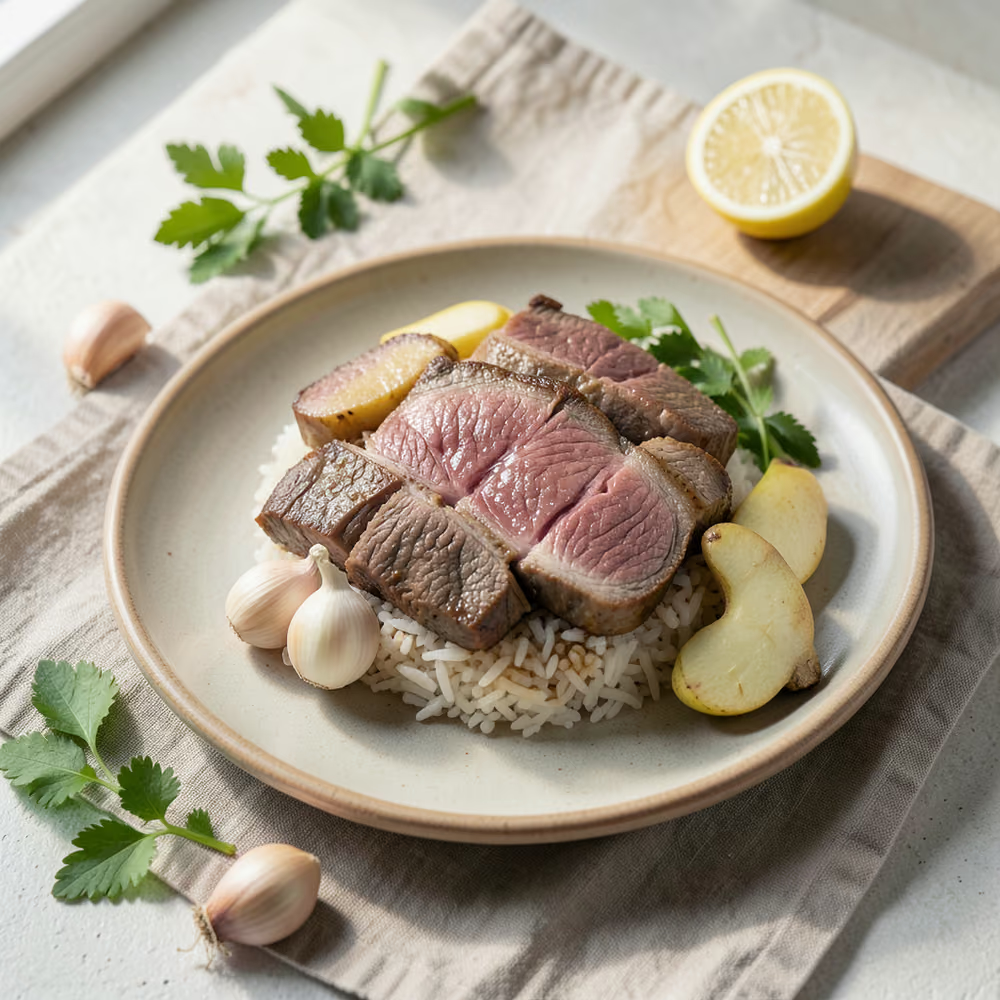
In a bowl, combine soy sauce, brown sugar, sesame oil, minced garlic, grated ginger, and grated pear. Mix well.
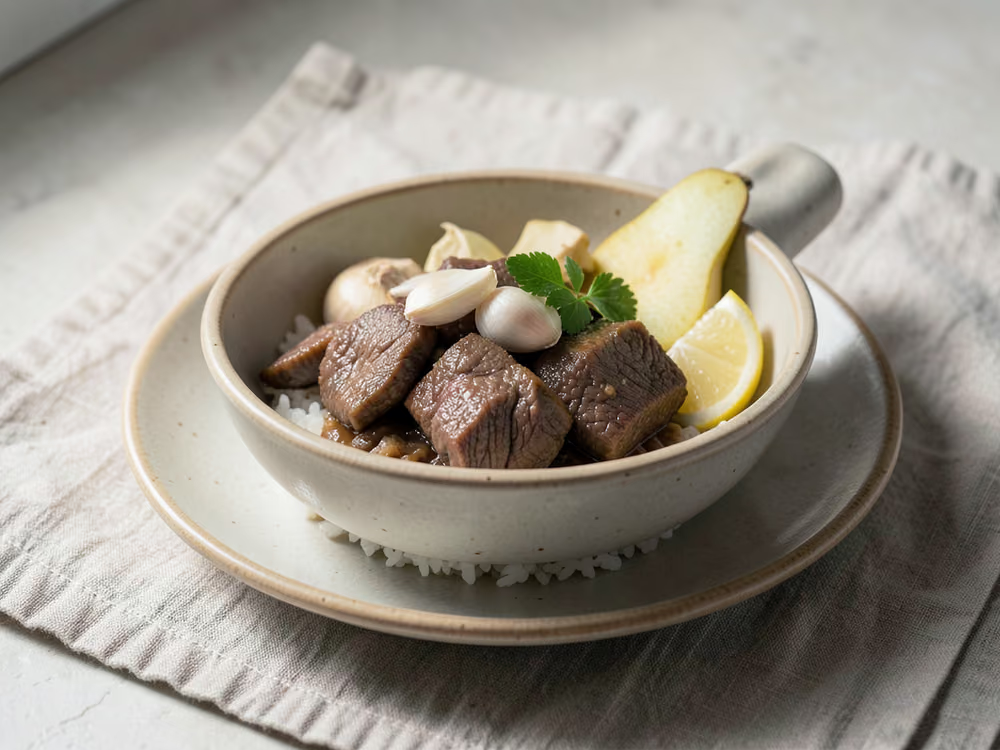
Add the thinly sliced beef to the marinade, ensuring each piece is coated. Let it marinate for at least 15 minutes, or up to 30 minutes.
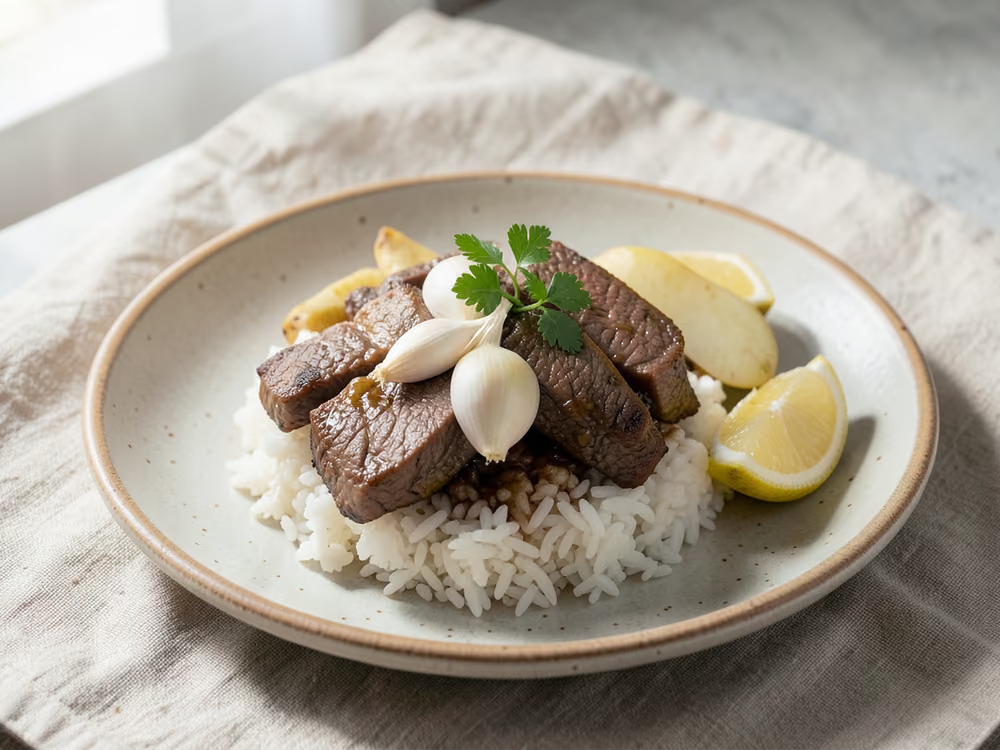
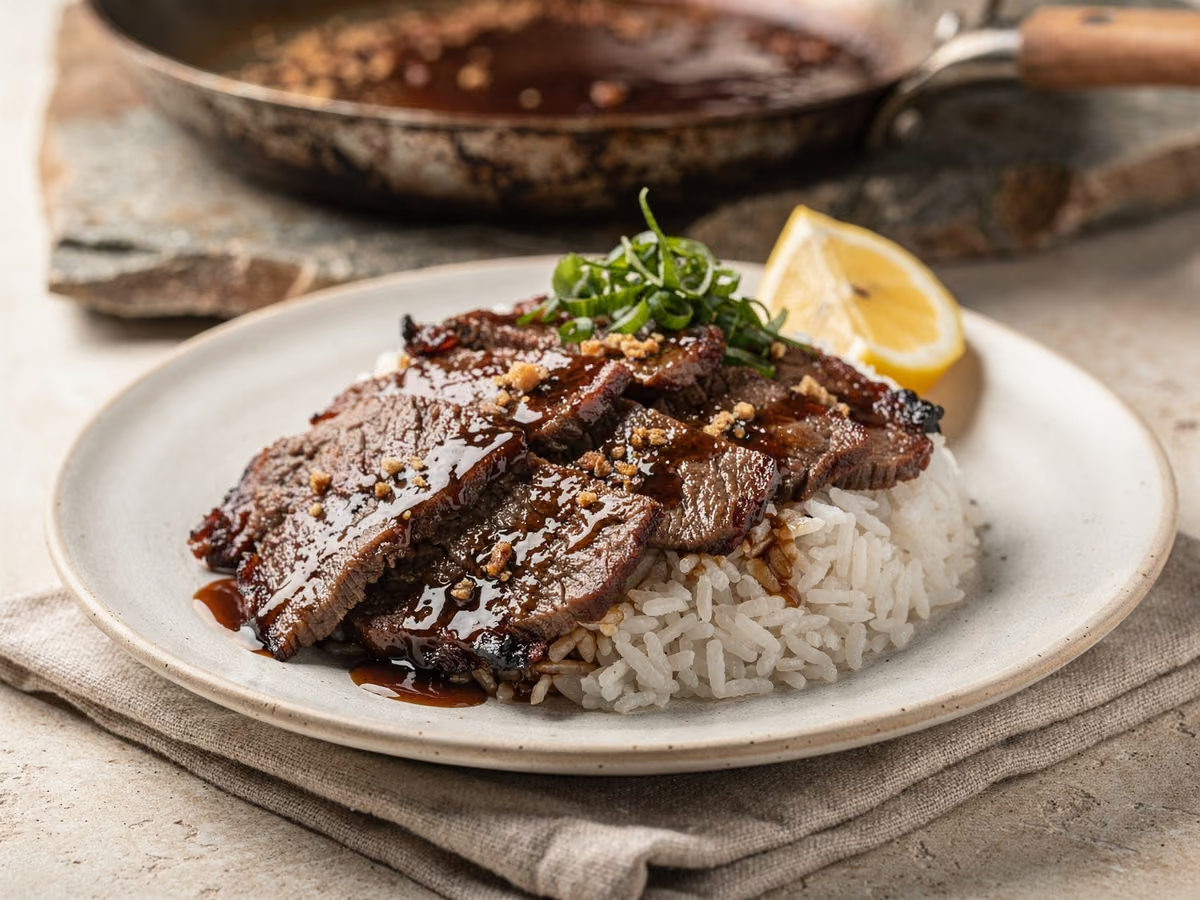
Heat vegetable oil in a large skillet or wok over high heat. Add the beef in a single layer (work in batches if needed) and cook for 2–3 minutes per side until caramelized and cooked through.
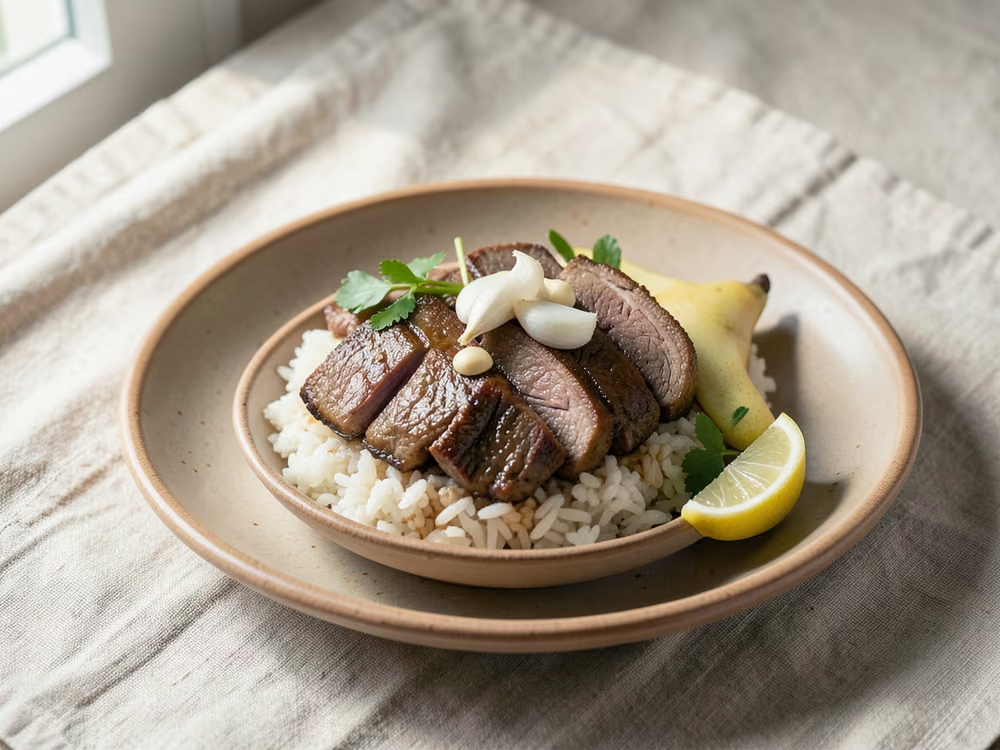
Remove the beef from the skillet and set aside. If there are any pan juices, you can drizzle them over the beef.
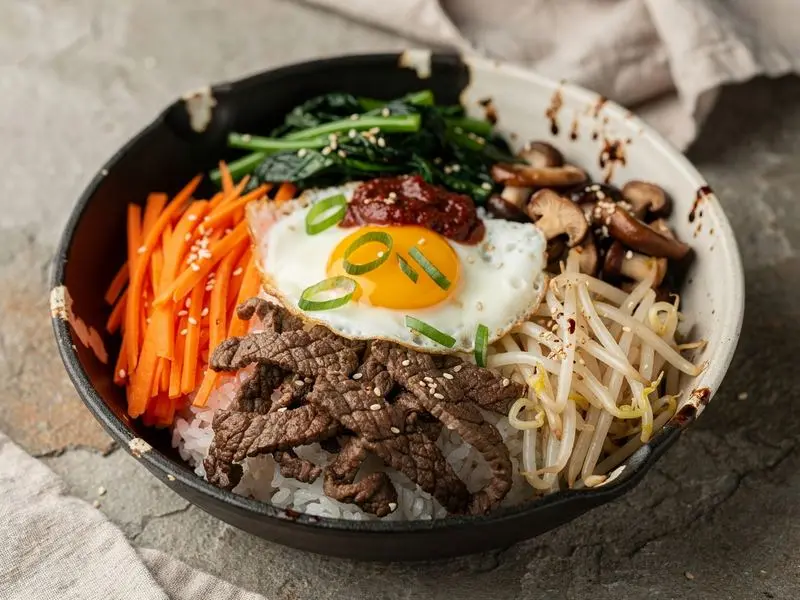
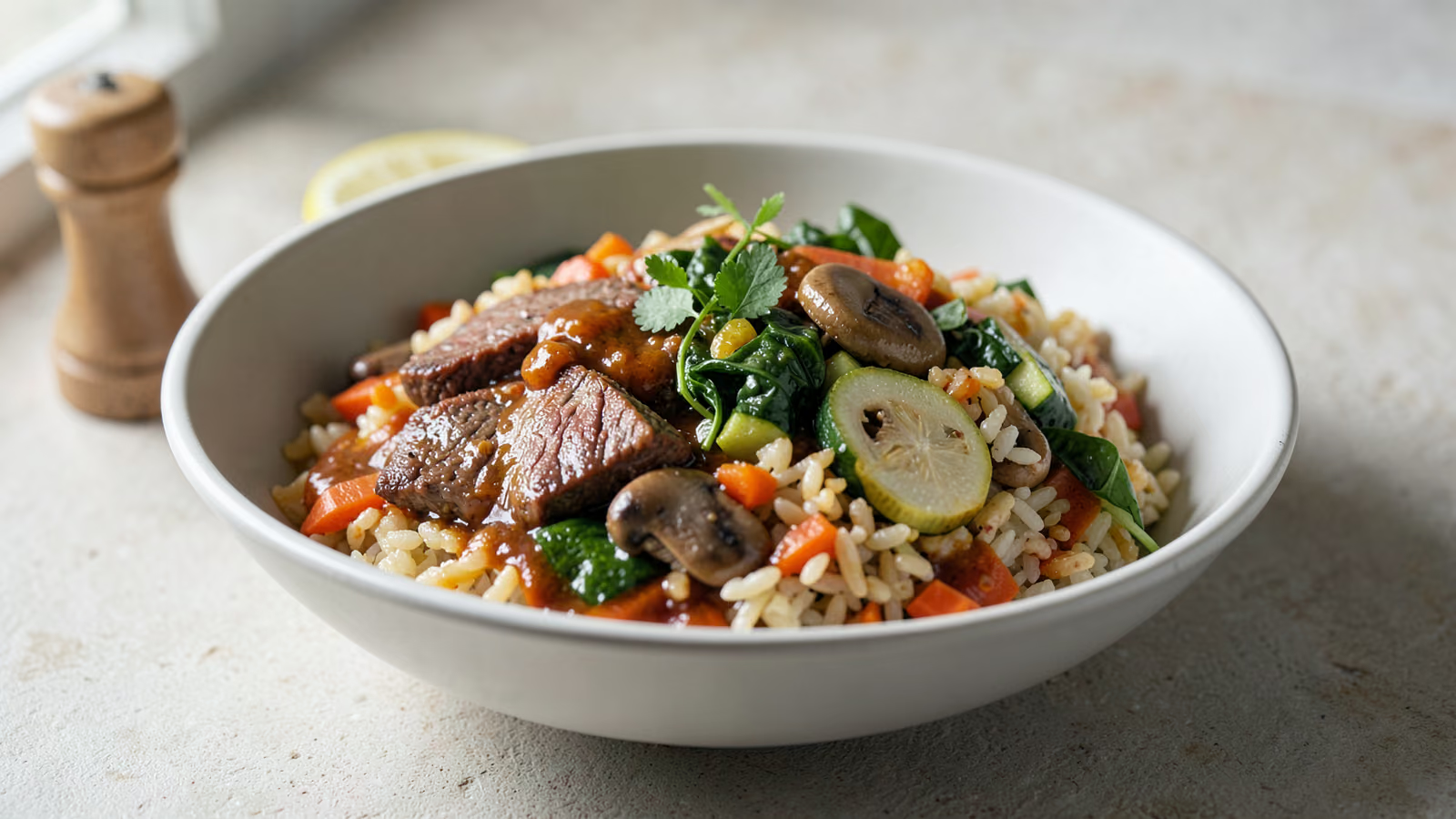
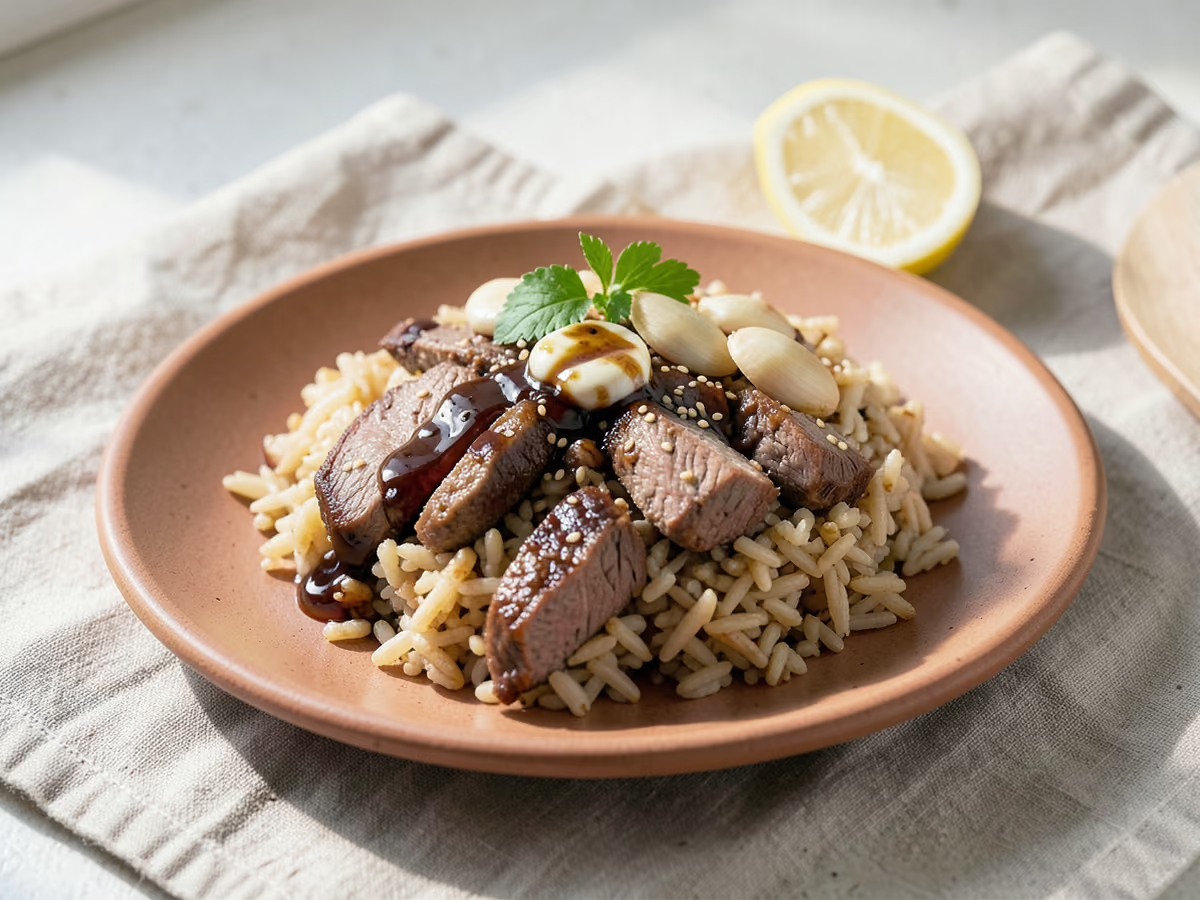
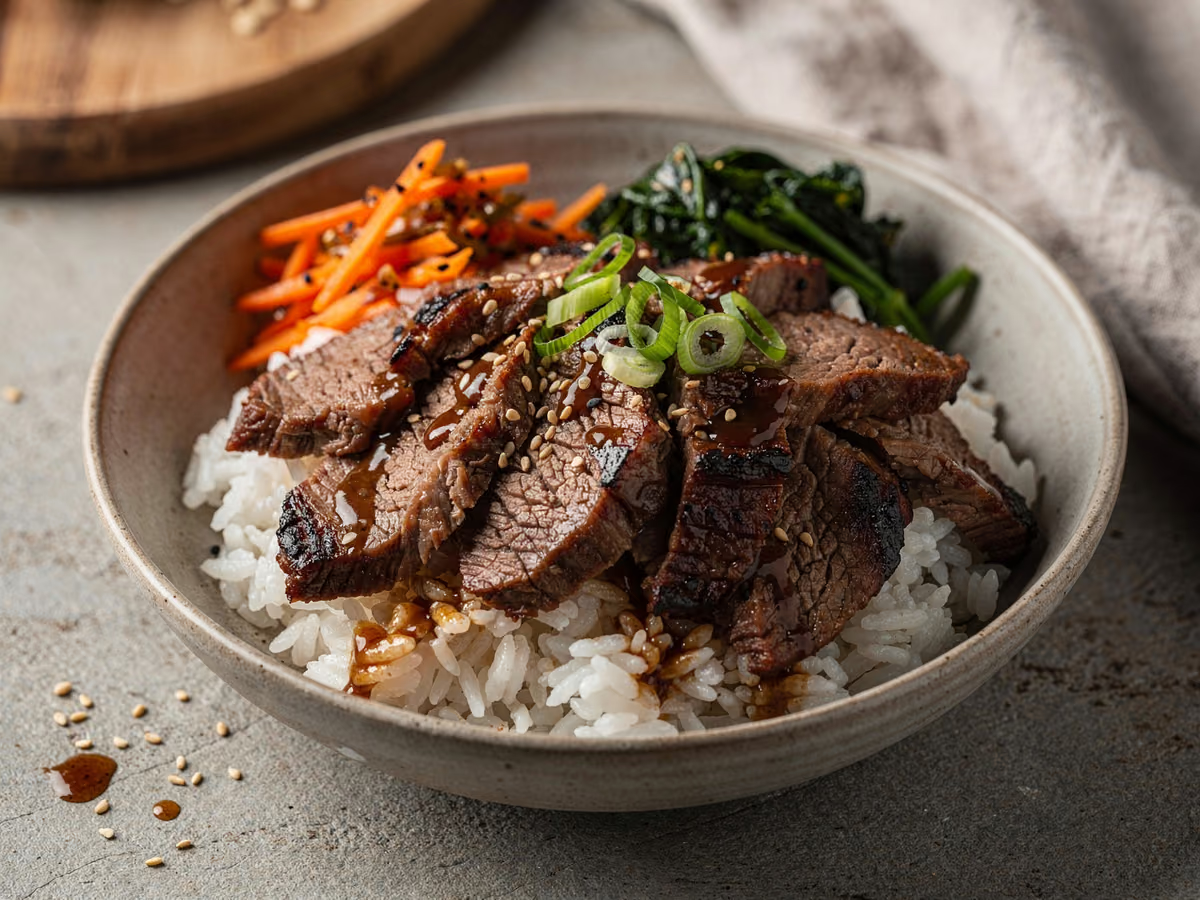
To serve, divide the cooked rice among four bowls. Top with the cooked bulgogi, blanched spinach, julienned carrot, and cucumber.
Garnish with sliced green onions and toasted sesame seeds. Serve immediately.
Kitchen notes
Kitchen notes
- The biggest mistake is crowding the pan: with 450 g of beef, cook in two batches so each piece sits in a single layer and browns instead of steaming.
- Watch for the doneness marker: the beef is ready when the edges turn deep brown and the marinade coating looks glossy and caramelized, about 2-3 minutes per side; it should be just cooked through, not gray and watery.
- Grate the pear on the fine side of a box grater and include its juice, since its enzymes tenderize the sirloin; if you skip it, the marinade is less effective and the beef can taste flat.
- Do not marinate longer than 30 minutes: the sugar and soy will start to cure the meat and make it firm, and the pear enzymes can turn the surface mushy.
Substitutions
- beef-sirloin→beef ribeye or flank steak, sliced thinly against the grain
- pear→grated Asian pear or 1 tbsp of applesauce plus 1 tsp of rice vinegar
- brown-sugar→white sugar or honey, using the same 2 tbsp amount
- spinach→blanched bok choy or baby kale, squeezed dry after blanching
Storage & reheating
Store leftovers in an airtight container in the refrigerator for up to 3 days, keeping the beef, rice, and vegetables in separate compartments if possible so the rice does not get soggy. For freezing, freeze only the cooked beef and its pan juices in a freezer-safe bag or container for up to 2 months; do not freeze the rice or fresh vegetables. Reheat the beef in a covered skillet over medium heat for 3-4 minutes, or in the microwave at 70 percent power for 1-2 minutes until steaming, and reheat rice separately with a splash of water.
Gallery
FAQ
The questions we get asked most
Why did my bulgogi turn out tough and dry?
The beef was likely sliced too thick or cooked too long over high heat. Freeze the sirloin for 20 minutes before slicing so you can cut it paper-thin against the grain, and cook each batch only 2-3 minutes per side until just browned. Overcooking past that point squeezes out moisture and makes the meat chewy.
Can I use a different cut of beef for this recipe?
Yes, ribeye, flank steak, or top round all work if you slice them thinly against the grain. Ribeye is the most tender and forgiving, while flank and top round need the full 30-minute marinade to soften. Avoid stewing beef, which stays tough no matter how long you marinate it.
Can I make this beef bulgogi ahead of time?
You can marinate the beef in the refrigerator for up to 24 hours, though 30 minutes is enough and longer than 30 minutes can firm up the texture. For a full make-ahead meal, cook the beef and blanch the vegetables up to 1 day in advance, then reheat the beef in a skillet and assemble the bowls just before serving.
How long does beef bulgogi rice bowl last in the fridge?
Leftovers keep for up to 3 days in an airtight container in the refrigerator. Keep the rice, beef, and vegetables separate if you can, because the cucumber and spinach release water and will make the rice soggy. Reheat only what you plan to eat.
Can I freeze the cooked bulgogi beef?
Yes, freeze the cooked beef with its pan juices in a freezer-safe container for up to 2 months. Thaw overnight in the refrigerator, then reheat in a covered skillet over medium heat for 3-4 minutes until steaming. Do not refreeze once thawed, and do not freeze the rice or fresh cucumber.
How do I know when the beef is fully cooked?
The beef is done when the outside is caramelized and deep brown and the inside is no longer pink, which takes about 2-3 minutes per side for thin slices. If you are unsure, cut the thickest piece open; it should be just barely cooked through with a glossy, not dry, surface. The residual heat will finish cooking it as it rests.
Ask KitchenMind about this recipe
Tell it what’s different tonight — it works within the actual recipe.