Tteokbokki Spicy Rice Cakes
Tteokbokki is Korea's best-known street food: 350 g of dense, chewy rice cakes and 100 g of fish cakes simmered in a sweet-spicy gochujang sauce built on 400 ml of water, gochugaru, soy sauce, sugar and garlic. The sauce comes together in the pan in one step and the rice cakes need no separate cooking, so the dish is about 10 minutes of prep and 20 minutes on the stove for 2 generous portions. It is as quick as a packet of instant noodles and far better, which is exactly why it is worth cooking at home.
- Prep
- 10 min
- Cook
- 20 min
- Total
- 30 min
- Serves
- 2
Ingredients
What you’ll need — tap to tick off as you go
- 350 g
- 100 g
- 2 tbsp
- 1 tbsp
- 1 tbsp
- 1 tbsp
- 2 cloves
- 400 ml
- 1 tsp
Process
Timers built in · swap anything · ask as you cook
If your rice cakes are frozen or refrigerated, soak them in warm water for 10 minutes, or up to 20 if they still feel rigid, so their centres soften evenly in the sauce instead of staying chalky. Fresh rice cakes are already soft and can skip this; drain the soaked ones well before they go in.
In a wide pan, combine the 400 ml water, 2 tbsp gochujang, 1 tbsp gochugaru, 1 tbsp soy sauce, 1 tbsp sugar and 2 minced garlic cloves. Stir until the gochujang dissolves completely before the pan goes on the heat; a clump left whole will sit under the rice cakes as a pocket of raw, sharp paste.
Bring the sauce to a boil over medium-high heat, then drop to medium-low and simmer for 2 minutes to meld the flavours and take the raw edge off the chili flakes. Keep an eye on it, because the sauce is sweet with sugar and gochujang and catches quickly if it boils hard.
Add the 350 g rice cakes and the 100 g fish cakes, cut into bite-sized pieces if yours come as sheets, and stir gently to coat every piece. Keep them as close to a single layer as the pan allows; piled deep, the cakes underneath press together and soften unevenly.
Simmer over medium heat for 8 to 10 minutes, stirring occasionally at first and then frequently through the last 5 minutes, as the released starch makes the sauce sticky and prone to catching. The rice cakes are ready when they are soft and chewy all the way through and the sauce has thickened enough to coat them; if it tightens too fast, add water 1 tbsp at a time rather than more gochujang.
Bite into one rice cake: if it still has a firm core, simmer another 2 to 3 minutes with a splash of water. Taste the sauce and balance it: a pinch more sugar if it tastes harsh, a few drops of soy if it tastes flat, more gochugaru for heat. Remember it thickens as it stands, so leave it looser than you want it in the bowl.
Pull the pan off the heat and scatter over the 2 sliced green onions and the 1 tsp sesame seeds, if using. Serve straight away in warm bowls: the sauce tightens as it cools and the cakes keep drinking it, so tteokbokki is at its glossiest and softest in the first minutes out of the pan.
Why this recipe works
Rice cakes are pounded rice flour, and that dense starch is the whole story of the dish. Soaking frozen or refrigerated cakes in warm water first rehydrates them, so the centre softens in step with the outside instead of staying chalky. In the simmering sauce the starch gelatinises: the cakes turn soft and springy, and their surface starch washes into the liquid, thickening it into a glossy glaze that clings to every piece rather than pooling at the bottom. That same starch is why the pan needs stirring, why the sauce tightens as it cools, and why a splash of water, not more sauce, is the fix when the pan gets too thick.
Equipment
- Wide shallow pan or medium pot, 26 to 28 cm across, so the rice cakes sit in a single layer
- Large bowl for soaking the rice cakes
- Small bowl and spoon for mixing the sauce
- Wooden spoon or silicone spatula, for stirring without crushing the cakes
- Measuring spoons and a measuring jug
- Instant-read thermometer, for reheating leftovers to 74°C
- Warm serving bowls
Kitchen notes
Kitchen notes
- Dissolve the gochujang in the measured water before the pan goes on the heat: it blends instantly into cold liquid and stubbornly once hot, and this is a sauce where a hidden lump is very obvious in the bowl.
- Keep the rice cakes in essentially one layer. A 26 to 28 cm pan is the difference between cakes that soften evenly and a pile that steams to glue; if yours is smaller, cook two smaller batches rather than one deep one.
- Toast the sesame seeds in the dry pan for about 1 minute before you start and tip them out: warm, toasted seeds smell nuttier, and the pan is already hot for the sauce.
- Build extra heat with gochugaru rather than more gochujang. Once the rice cakes are in, any more paste also adds salt and sugar and unbalances the pan, while flakes adjust heat alone.
- Judge the sauce by the trail a spoon leaves: it is ready when the line fills back slowly, not instantly. That tells you more than the clock, because rice cakes vary from one brand and batch to the next.
Common mistakes
- Hard, chalky centres: frozen rice cakes went in without soaking, or the pan came off the heat too early. Soak for the full 10 minutes, or up to 20 if the cakes are very hard, and simmer the whole 8 to 10 minutes before you bite one to check.
- Rice cakes glued to the pan and scorched: they sat unstirred while their starch settled and caught on the base. Stir from the bottom and into the corners every minute or two, and keep the heat at a steady medium; in the last 5 minutes the sauce is sticky enough to catch in seconds.
- Sauce so thick the cakes clump together: it boiled hard, or it sat too long off the heat, where it keeps tightening as it cools. Simmer gently, loosen with water 1 tbsp at a time, and serve the moment it is done.
- Dull, one-note sauce: it was never tasted and balanced before the rice cakes went in. Taste after the 2-minute simmer and adjust salt, sweetness and heat then, because once the cakes are in, the sauce thickens and there is less room to fix it.
- Mushy, blown-out rice cakes: a fast boil or a long overcook dissolved them into the sauce. Keep the pan at a steady simmer and start checking at 8 minutes; a rice cake should give like a soft gummy sweet, not collapse.
- A burnt, bitter-sweet taste at the bottom of the pan: sugar in the sauce, high heat and no stirring. Stay at medium, scrape the base, and if it does catch, do not stir the burnt layer through; start again rather than serving it.
Serving suggestions
- Serve in warm bowls as 2 portions, with the pan kept on low heat and a little hot water at the side, because the sauce tightens quickly and a splash brings it back to a pour.
- Toppings are the street-stall way: more sliced green onions, toasted sesame seeds, and a halved boiled egg per person to turn the snack into a full meal.
- Sliced kimchi or quick-pickled radish on the side, and a simple cucumber salad dressed with rice vinegar and sesame, if you want crunch against all that chew.
- Cold barley tea, iced tea or sparkling water alongside; the sauce is sweet and spicy enough that a clean, cold drink does more than anything rich.
Variations
- Cheese tteokbokki: in the last 2 minutes of the simmer, scatter 100 g of shredded mozzarella over the pan, cover, and let it melt into the sauce, or slide the pan under a hot grill. The cheese softens the heat and turns the glaze creamy.
- Vegetable-loaded: add 100 g of shredded cabbage and 1 sliced onion with the rice cakes, plus 100 ml more water to keep the pan loose; they soften in the same 8 to 10 minutes and stretch the dish to 3 smaller portions.
- Milder, lighter balance: use 1 tbsp of gochujang and leave out the gochugaru, then round the sauce with a pinch more sugar; the pan is gentle and savoury-sweet rather than spicy, which is a recognisably different dish.
Refrigerator
- RefrigeratorCool the pan within 2 hours of cooking, then refrigerate in an airtight container for up to 3 days. Leftovers firm up in the fridge; the cakes go dense and the sauce sets, but gentle reheating brings most of it back.
- ReheatingReheat in a saucepan over medium-low heat with a splash of water, covered, for 5 to 7 minutes, stirring occasionally, until piping hot; USDA FSIS advises bringing leftovers to 74°C. Add water 1 tbsp at a time if the sauce tightens while it warms.
- FreezingNot recommended. The rice cakes turn mushy once thawed and the sauce loses its gloss; keep leftovers in the fridge and reheat them within 3 days instead.
- Make aheadThe sauce can be mixed up to 2 days ahead and kept covered in the fridge; cook the rice cakes fresh, since chilling hardens them. If you must cook the whole dish ahead, leave the cakes slightly underdone and reheat gently with a splash of water.
Updated:
How this recipe was developed
- Korean Bapsang, tteokbokki (soak hardened rice cakes for about 20 minutes; boil until very soft and the sauce thickens, about 8 to 10 minutes, stirring frequently so they do not stick)
- Maangchi, tteokbokki (thaw and soak frozen rice cakes before cooking; simmer 10 to 15 minutes, stirring, until the rice cakes turn soft and the sauce thickens and looks shiny; best eaten right away)
- USDA FSIS safe minimum internal temperature chart (leftovers reheated to 74°C)
- USDA FSIS leftovers and food safety guidance (refrigerate within 2 hours; 3 to 4 days in the fridge)
Editorial references are kept internally for verification. This page makes no claim of external certification or professional testing.
Gallery
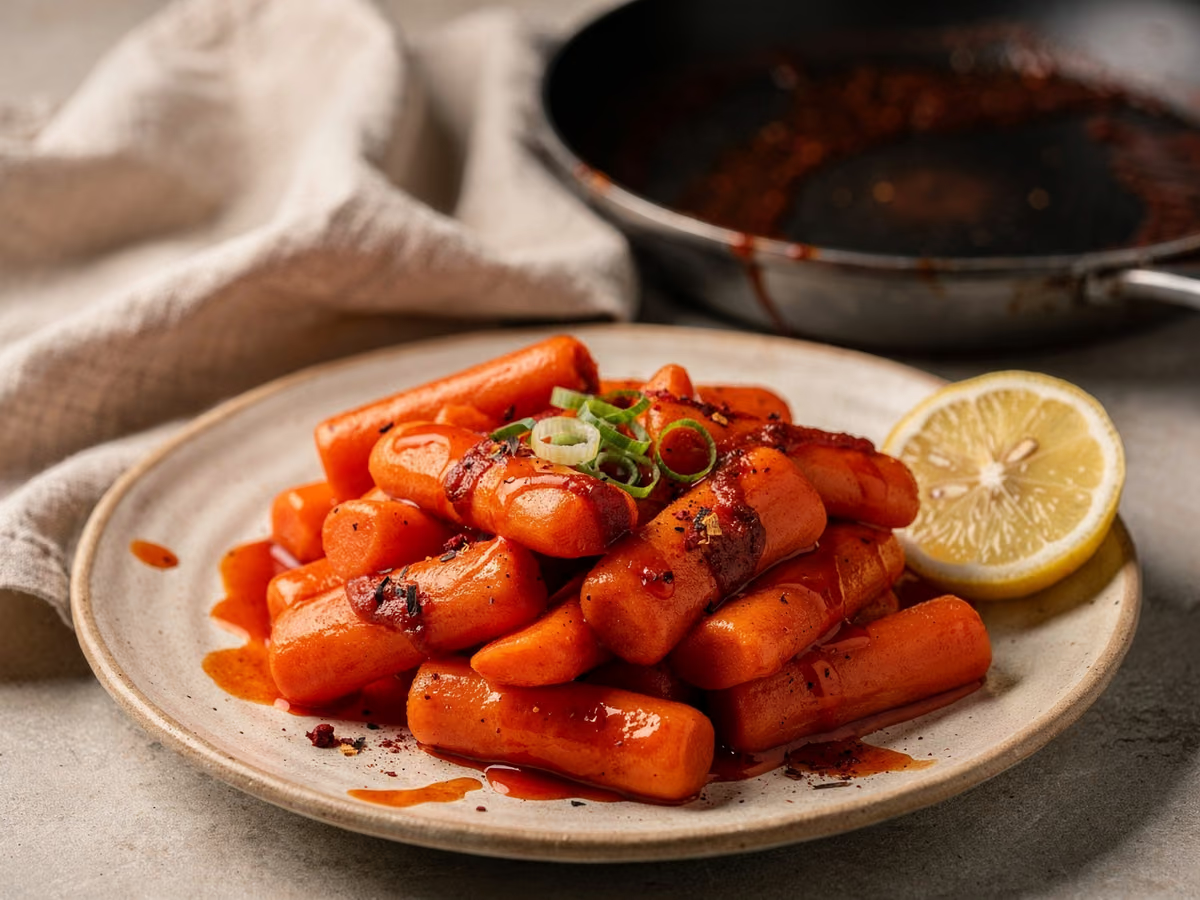
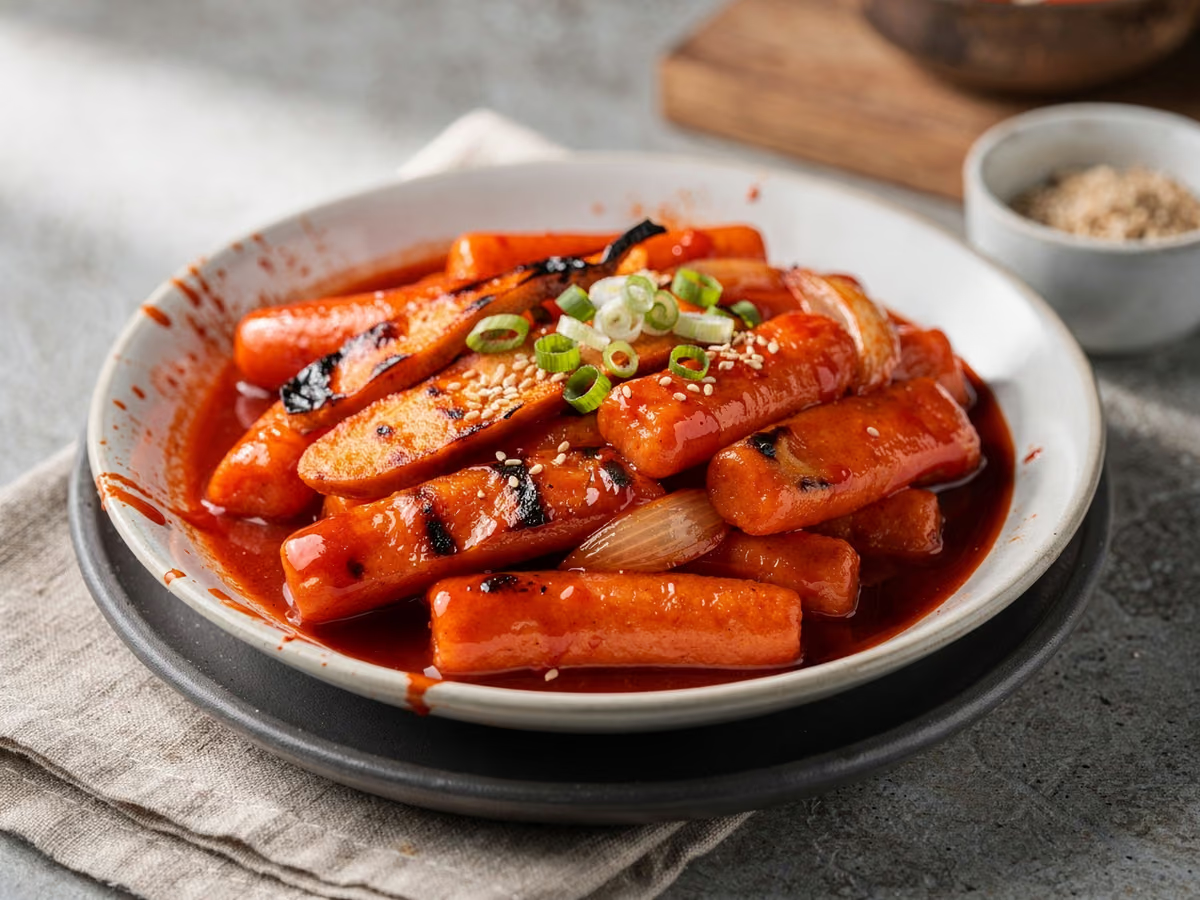
FAQ
The questions we get asked most
Why did my rice cakes turn out hard in the middle?
Almost always under-soaked or under-simmered. Frozen rice cakes need at least 10 minutes in warm water, up to 20 if they are very hard, and then a full 8 to 10 minutes in the sauce, because their centres soften last. Bite one before serving; if it is still firm, add a splash of water and simmer 2 to 3 minutes more.
Can I leave out the fish cakes, or use something else?
Yes. Swap in the same 100 g of firm tofu or tempeh, sliced, added with the rice cakes; the dish becomes vegetarian if your gochujang is plant-based, and softer, losing the bouncy fish-cake bite. Fish cakes typically contain fish, wheat and egg, so read the pack if allergies matter to you.
How do I make tteokbokki less spicy?
Reduce the gochugaru to 1 tsp or leave it out, and use just 1 tbsp of gochujang; choosing a mild gochujang does more than any other single swap. A little extra sugar or a splash of soy sauce rounds off the heat that remains, and a cheese topping mellows each bite.
Can I make tteokbokki ahead of time?
Mix the sauce up to 2 days ahead and keep it in the fridge, then cook the rice cakes fresh just before serving, because they firm up when chilled and never quite come back. If you must cook the whole dish ahead, leave the cakes slightly underdone and reheat gently with a splash of water.
Why is my tteokbokki sauce too thick or too thin?
The rice cakes keep releasing starch as they cook, so the sauce thickens from below. If it gets heavy, add water 1 tbsp at a time until it pours; if it is thin, simmer uncovered for a few minutes more. It sets further as it cools, so serve it slightly looser than you want it in the bowl.
How do I know when the rice cakes are fully cooked?
They should be soft and chewy all the way through, with no hard core; bite one to check, because texture tells you more than the clock. The sauce should coat the back of a spoon. They keep softening a little in the hot sauce, so pull the pan when a cake is just tender rather than waiting for mushy.
Is tteokbokki gluten-free or vegetarian?
Not as written: fish cakes contain fish and usually wheat, and most gochujang and soy sauce contain wheat, so the dish is neither gluten-free nor vegetarian by default. Tofu or tempeh in place of the fish cakes makes it vegetarian if your gochujang is plant-based, and gluten-free versions of both sauces exist if you need them.
Ask KitchenMind about this recipe
Tell it what’s different tonight — it works within the actual recipe.