Pancit Noodles
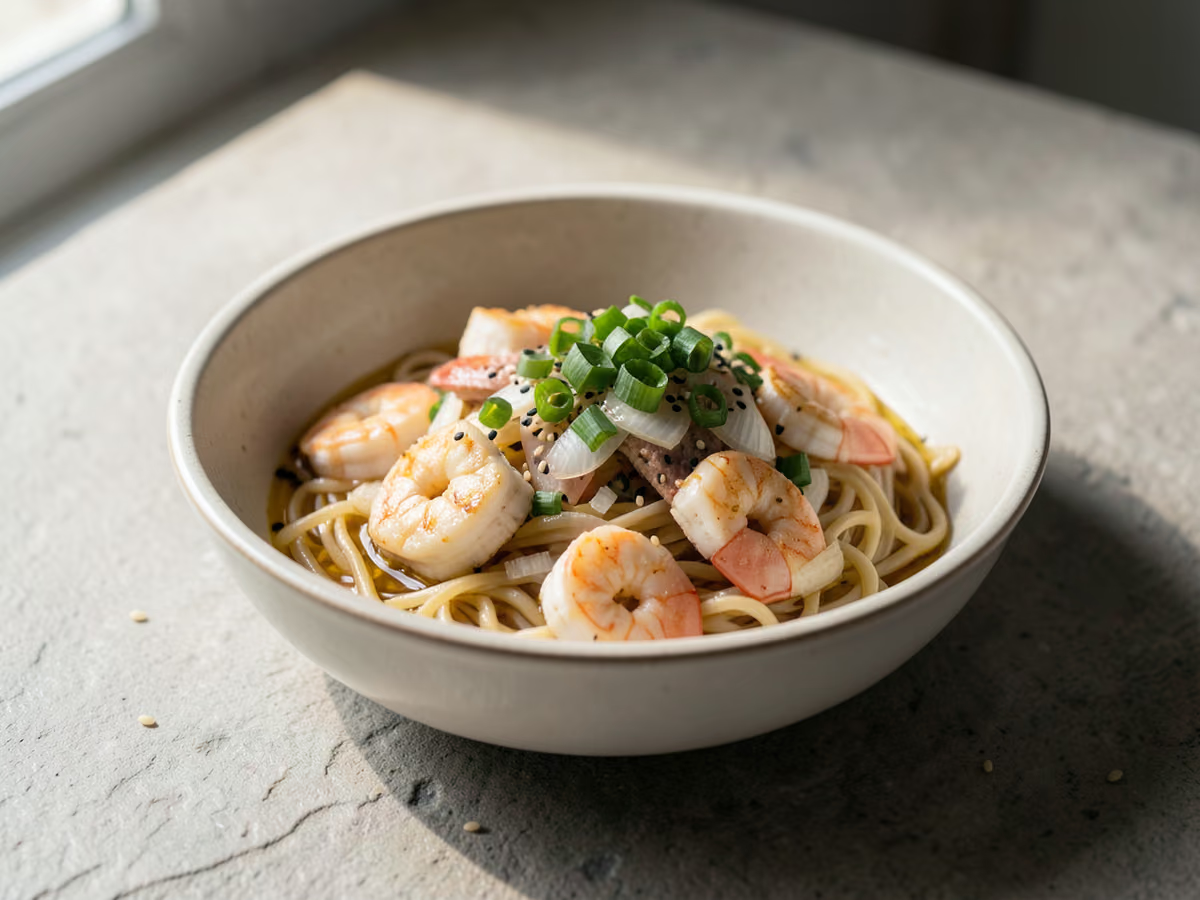
Pancit bihon is the Filipino noodle stir-fry that anchors every birthday table: thin rice vermicelli tossed with chicken, shrimp, cabbage and carrot in a savory soy, fish sauce and calamansi sauce until each strand drinks it up. This version soaks the noodles instead of boiling them, the way the dish is made at home, so they stay springy rather than gluey, and the whole thing cooks in one wok. Prep runs about 15 minutes, the stir-fry itself 15 minutes more, and it serves four.
- Prep
- 15 min
- Cook
- 15 min
- Total
- 30 min
- Serves
- 4
Ingredients
What you’ll need — tap to tick off as you go
- 250 g
- 300 g
- 200 g
- 2 tbsp
- 3 cloves
- 200 g
- 3 tbsp
- 1 tbsp
- 2 tbsp
- 250 ml
- 1 tsp
- ½ tsp
Process
Timers built in · swap anything · ask as you cook
Soak the 250 g rice noodles in warm water for 10 minutes, just until they bend without snapping and still feel firm at the center; drain them well and shake the colander dry. Soaked past this point they lose the capacity to absorb the sauce and turn soft in the wok, and left wet they steam instead of drinking the broth.
In a small bowl, stir the 3 tbsp soy sauce, 1 tbsp fish sauce, 2 tbsp calamansi juice, 1 tsp sugar and 0.5 tsp black pepper until the sugar dissolves. Taste a few drops: it should read salty, savory and sour in balance, because this is the seasoning the noodles will absorb from the broth.
Heat the 2 tbsp vegetable oil in a large wok or wide skillet over medium-high heat until it shimmers. Add the 3 minced garlic cloves and the sliced onion and stir for 1 minute, until the onion softens at the edges and the garlic smells sweet; burnt garlic turns the entire plate bitter, so keep everything moving.
Add the 300 g chicken strips and cook for 4 to 5 minutes, until they are no longer pink and have just cooked through. Scatter in the 200 g shrimp and cook for 2 minutes more, until they are pink and opaque; a minute past that and they turn rubbery, so watch the pan closely.
Add the julienned carrot and the 200 g shredded cabbage, and stir-fry for 2 minutes, until the carrot gives slightly but still has bite and the cabbage softens at the edges. They finish cooking while the noodles do, so pull them from the pan crisp-tender rather than fully tender.
Pour in the sauce mixture and the 250 ml chicken broth and bring it to a simmer, scraping the base of the pan as it comes up. The liquid is now the seasoning the noodles absorb, so it should taste a touch strong: the strands take up salt, sourness and color from it.
Add the drained noodles and toss them continuously with tongs for 3 to 4 minutes, lifting and folding so the strands drink the liquid instead of sitting in it. They are ready when they are tender but still chewy and most of the liquid is gone; if the pan runs dry before they soften, add a splash more hot broth, not water.
Taste and adjust the seasoning, adding a final squeeze of calamansi for brightness or a little more fish sauce for depth. Scatter over the 2 sliced green onions if you like, and serve hot straight from the wok while the noodles are springy.
Why this recipe works
Soaking hydrates the rice vermicelli just enough to work with: the strands go into the wok pliable but still firm, so they keep the capacity to absorb the seasoned broth, which is how the flavor ends up inside the noodle rather than in a sauce poured over the top. Boiling ahead would gelatinize the surface starch and leave nothing to soak up. The sauce is built in the same pan, so the garlic, chicken and shrimp season the liquid the noodles take on. Tossing with tongs over high heat keeps the strands separate and moving; left to sit in liquid, they soften and clump.
Equipment
- Large wok or wide, heavy skillet with room to toss 250 g of noodles
- Large bowl for soaking the rice noodles
- Colander for draining them
- Tongs, kept in one hand for tossing the noodles
- Small bowl for mixing the sauce
- Chef's knife and cutting board for slicing and shredding
- Measuring spoons and a measuring jug
- Serving platter, warmed, or four warm bowls
Kitchen notes
Kitchen notes
- Set out everything before the wok heats: drained noodles, the sauce bowl, the vegetables and a warm platter within arm's reach. The last stretch runs from pan to plate in a few minutes, and rice vermicelli gives you no pause to chop.
- Tongs are the tool for the noodles. Lift and fold from the base of the pan so the strands stay long and whole; a hard spoon breaks the vermicelli into short pieces, and long strands are the point of the dish at a birthday table.
- Read the pan by ear: a steady sizzle means the noodles are frying, a wet hiss means they are steaming. If it hisses, raise the heat or spread the noodles wider; nothing good happens to pancit in a pan that is too cool.
- Brands of rice vermicelli differ in how much liquid they drink. Trust the cues over the clock — tender strands with a slight chew and little liquid left in the pan — and top up with a splash of hot broth rather than cold water, which dilutes the seasoning.
- Pull the noodles a shade firmer than you want to eat them. They carry over in the hot pan and on the platter, so a plate that seems a minute short of done at the stove arrives at the table right.
Common mistakes
- Mushy, broken noodles: over-soaked rice vermicelli has no absorption capacity left and collapses as it cooks. Soak only until the strands bend without snapping and still feel firm at the center, drain them thoroughly, and stop tossing the moment they are tender, because they keep softening off the heat.
- Dry pancit: the noodles drank every drop of broth before they were tender, or they sat after cooking and kept absorbing. Keep the full 250 ml measure, add hot broth rather than water if the pan runs dry, and serve as soon as the noodles are done.
- Soft, pale vegetables: the carrot and cabbage went in too early, or they kept cooking while the noodles finished. Give them the 2-minute head start only, cut them to even sizes, and remember the pan keeps working on them after the noodles land.
- Clumped, sticky strands: wet noodles in a crowded pan steam in a heap instead of frying. Shake the colander dry, use the widest pan you own, and lift and fold with tongs rather than stirring hard, which snaps the strands.
- Bitter, singed garlic: thin pieces caught in oil that was too hot, or the aromatics sat still in the pan. Add them to shimmering, not smoking, oil, keep them moving through their 1 minute, and let the chicken go in before anything darkens.
- Flat, one-note flavor: the sauce went in without its sour note, or everything was seasoned once at the start. Balance at the end — a squeeze of calamansi for brightness, a little more fish sauce for depth — and taste a noodle, not just the sauce.
Serving suggestions
- Serve hot, straight from the wok, with calamansi or lime wedges for squeezing over each portion at the table.
- Pancit shares a Filipino table with steamed rice, pandesal rolls or puto; as a one-plate meal it needs nothing more than a spoon and fork.
- At birthdays the dish is the centerpiece: the long strands stand for a long life, and the noodles are never cut before they are served.
- Day-two pancit is a quiet pleasure: chilled overnight, the noodles firm up slightly, and the leftovers make an easy lunch, straight from the fridge or rewarmed in a pan.
Variations
- Canton-style variation: swap the rice vermicelli for 250 g of dried wheat-and-egg canton noodles and skip the soak; that is a different noodle dish with a heavier, chewier bite, cooked to its own package time rather than the 10-minute soak.
- Tofu version, for a meatless pan: 300 g of firm tofu, pressed and seared golden, in place of the chicken; it is a different dish with the same noodle-and-sauce logic, since tofu brings no juices of its own.
- Seafood variation: 400 g of shrimp and sliced squid in place of the chicken, with the squid added at the end so it stays tender.
- Gluten-free version: the rice noodles are already gluten-free, so the swap is in the sauces — a tamari-style soy and a fish sauce with a clean label; check both, and the plate stays the same.
Refrigerator
- RefrigeratorCool within 2 hours, then refrigerate in an airtight container for up to 3 days. The noodles soften a little each day, so reheat only what you plan to eat.
- ReheatingA hot skillet with a splash of broth, or the microwave covered in short bursts until piping hot all through, 74°C by the USDA FSIS leftover guidance. Stir between bursts so the strands heat evenly.
- FreezingNot recommended: rice vermicelli turns softer still and the cabbage releases water on thawing, so the texture flattens. If you must freeze a portion, do it the day it is cooked, in an airtight container for up to 1 month, and thaw it overnight in the fridge, expecting a softer result.
- Make aheadPrep everything up to a day ahead — shred, julienne, slice and mix the sauce — keeping each part in its own container in the fridge. Soak and drain the noodles just before cooking; the stir-fry itself takes about 15 minutes. Cooked pancit also keeps and reheats well, though the noodles soften.
Updated:
How this recipe was developed
- Panlasang Pinoy, pancit guide — what pancit is in Filipino cooking, the Hokkien name meaning 'something cooked fast', the garlic-onion-protein-vegetable-noodle rhythm, and the calamansi finish
- Pancit.com, Pancit Bihon recipe — the warm-water soak until pliable but still firm, chicken 4 to 5 minutes and shrimp 2 minutes, broth added as the noodles absorb, mushy bihon as the most common mistake, and up to 3 days in the fridge
- Kawaling Pinoy, Pancit Bihon Guisado — high-heat stir-frying so nothing stews in steam, tongs to keep the noodles intact, vegetables slightly underdone, and leftovers up to 3 days
- USDA FSIS safe minimum internal temperatures and leftovers guidance — poultry 74°C, shellfish pearly and opaque, refrigerate within 2 hours, reheat to 74°C
Editorial references are kept internally for verification. This page makes no claim of external certification or professional testing.
FAQ
The questions we get asked most
Why did my pancit noodles turn out mushy?
Almost always one of three causes: the noodles soaked past pliable, they stewed in too much liquid in the pan, or the pan was too small and trapped steam. Keep the soak to 10 minutes, check that a strand bends without snapping but still has a firm center, drain thoroughly, and stir-fry over high heat with room to toss. Rice vermicelli also keeps softening after it leaves the pan, so stop as soon as it is tender.
Why is my pancit dry?
Rice vermicelli keeps drinking after it is cooked, so a plate tightens up if it sits — and if the noodles run out of liquid before they are tender, they stop softening and start firming. Add a little hot broth to a dry pan and toss for another minute; water works in a pinch but thins the flavor. Next time, use the full 250 ml and keep a splash back for exactly this.
What kind of noodles should I use for pancit?
For this bihon-style pancit, 250 g of thin, dried rice vermicelli, also sold as rice sticks: it rehydrates in warm water in about 10 minutes and then absorbs the seasoned broth. The wheat-and-egg noodles used for canton and the glass noodles used for sotanghon are different noodles for different dishes; check that the packet is plain rice vermicelli rather than a flavored instant pack.
What is the difference between pancit and pancit canton?
Pancit is the umbrella name for Filipino noodle dishes, and the word after it names the noodle: bihon, the style cooked here, is thin rice vermicelli that absorbs a light, savory broth; canton is the wheat-and-egg noodle, thicker and chewier and finished glossier. Both are stir-fried the same way with garlic, onion and vegetables; the noodle swap changes the whole texture of the plate.
What can I use instead of calamansi juice?
Fresh lime or lemon juice, the same 2 tbsp. Calamansi is sharper and more floral than lemon, so lime gets you closer; in either case stir the juice into the sauce and taste, because its job is a clean sour note against the salty soy and fish sauce.
Can I add other vegetables to pancit?
Yes. Snow peas, green beans, bell pepper or bok choy all work; keep the total weight near the 200 g of cabbage so the noodles still have room in the pan, slice everything to a similar size, and give quick-cooking additions the same 2-minute stage as the carrot.
Can I make pancit ahead of time?
Prep it ahead, cook it fresh. Slice, shred and mix the sauce up to a day in advance, storing each part separately in the fridge; soak and drain the noodles only when the wok is about to go on. Fully cooked pancit is fine too: it keeps up to 3 days and reheats well, though the noodles soften a little more with every warming.
Ask KitchenMind about this recipe
Tell it what’s different tonight — it works within the actual recipe.