- Prep
- 15 min
- Cook
- 35 min
- Total
- 50 min
- Serves
- 4
Ingredients
What you’ll need — tap to tick off as you go
- 480 g
- 150 g
- 3 tbsp
- 3 cloves
- 1 tbsp
- 1 tsp
- 1 l
- 1 tsp
- ½ tsp
- 30 g
Process
Timers built in · swap anything · ask as you cook
Heat the olive oil in a large pot over medium heat. Add the onion, carrot and celery and cook for 6 to 8 minutes until soft and lightly golden.
Add the garlic and rosemary and cook for 1 minute until fragrant, then stir in the tomato paste and cook for another minute.
Add the drained chickpeas and stir to coat. Pour in about three quarters of the hot vegetable broth and bring to a gentle simmer.
Simmer for 15 minutes, then mash roughly one third of the chickpeas against the side of the pot with a wooden spoon to thicken the broth.
Stir in the small pasta and the salt. Cook at a gentle simmer for 8 to 10 minutes, stirring often, until the pasta is al dente.
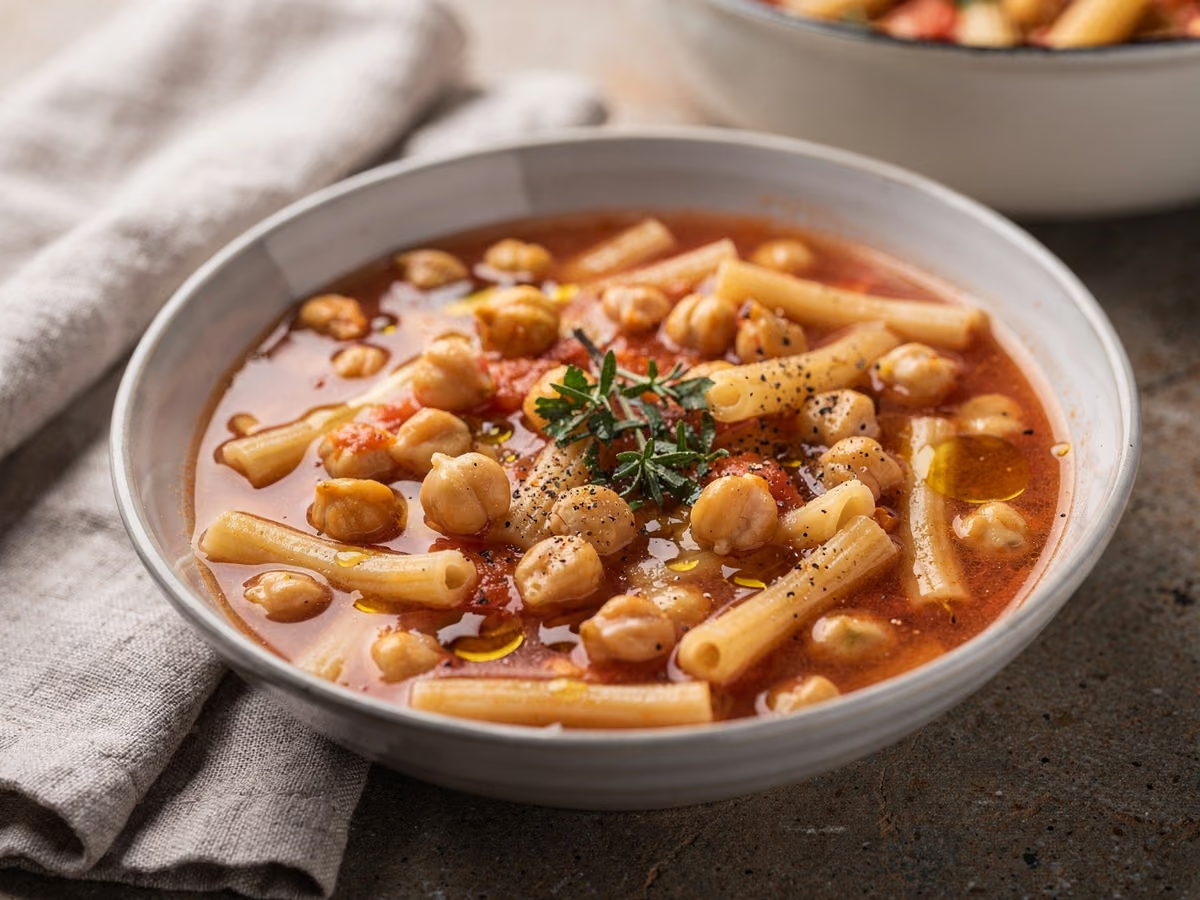
Add the remaining hot broth a little at a time if the stew becomes too thick. It should be loose and creamy, not dry.
Season with black pepper, taste and adjust salt. Serve in warm bowls with a drizzle of olive oil and grated parmesan if using.
Kitchen notes
Kitchen notes
- The most common mistake is letting the pasta absorb all the liquid and turn the dish into a dry mound. Keep extra hot broth on hand and stir it in whenever the stew looks tight; it should flow slowly when you tilt the pot.
- Mashing part of the chickpeas is what gives pasta e ceci its creamy body without cream. Do not skip this step, and leave some whole chickpeas for texture.
- Stir the pot often once the pasta goes in. The starch from the pasta thickens the broth quickly and it can catch on the bottom of the pot in under a minute.
- If you use dried chickpeas, soak 200 g overnight, simmer until tender in unsalted water, and use the cooking liquid as part of the broth for deeper flavour.
Substitutions
- canned chickpeas→cooked dried chickpeas (200 g dry weight)
- vegetable broth→chickpea cooking liquid or water with an extra pinch of salt
- small pasta→short gluten-free pasta for a gluten-free version
- parmesan→nutritional yeast or omit for a dairy-free version
- rosemary→fresh thyme or a small bay leaf
Storage & reheating
Cool leftovers within 1 hour and store in an airtight container in the fridge for up to 3 days. The pasta will absorb liquid, so reheat gently on the stovetop over low heat with a splash of water or broth, stirring until loose and hot; do not boil hard or the pasta will break down. It can be frozen for up to 2 months, but the pasta softens considerably, so freeze only if you do not mind a softer texture; thaw overnight in the fridge and reheat the same way.
FAQ
The questions we get asked most
Why did my pasta e ceci turn out dry and clumpy?
The pasta absorbed all the broth while it cooked and sat in the pot. Cook it looser than you think it should be and keep hot broth nearby, adding a splash whenever it looks thick. Serve it as soon as the pasta is al dente, because it tightens further as it cools.
Can I use dried chickpeas instead of canned?
Yes. Soak 200 g dried chickpeas overnight, drain, then simmer in unsalted water for 60 to 90 minutes until completely tender. Reserve the cooking liquid and use it as part of the vegetable broth, since it adds body and flavour.
How do I make it creamy without cream?
Mash about one third of the chickpeas against the side of the pot once they are soft, and stir the starchy pasta cooking liquid into the broth. The combination of crushed chickpeas and pasta starch gives a naturally creamy texture. A final drizzle of olive oil rounds it out.
Can I make pasta e ceci ahead of time?
You can make the chickpea base up to 2 days ahead and refrigerate it. Cook the pasta fresh when you want to serve, or reheat the base and add pasta cooked separately, because pasta stored in the stew keeps swelling and softening.
How long does pasta e ceci keep in the fridge?
Store it in an airtight container for up to 3 days. Reheat on the stovetop over low heat with a splash of water or broth, stirring gently until hot. Avoid the microwave on high, which can make the pasta mushy and unevenly hot.
Can I freeze pasta e ceci?
It freezes for up to 2 months, but the pasta becomes quite soft after thawing. If you plan to freeze it, undercook the pasta by 2 minutes and freeze the stew without the parmesan. Thaw overnight in the fridge and reheat gently with extra broth.
Which pasta shape works best for pasta e ceci?
Small shapes that hold their bite are ideal: ditalini, small shells, tubetti or broken spaghetti. Avoid long thin pasta, which turns gluey, and avoid large shapes that stay firm while the chickpeas overcook.
Ask KitchenMind about this recipe
Tell it what’s different tonight — it works within the actual recipe.