- Prep
- 15 min
- Cook
- 45 min
- Total
- 60 min
- Serves
- 4
Ingredients
What you’ll need — tap to tick off as you go
- 1 ¼ kg
- 120 ml
- 120 ml
- 120 ml
- 8 cloves
- 1 tsp
- 1 tbsp
- 1 tbsp
- 1 pinch
Process
Timers built in · swap anything · ask as you cook
Pat the chicken thighs dry with paper towels and season lightly with salt if using. Heat the neutral oil in a wide heavy pot or Dutch oven over medium-high heat.
Place the chicken thighs skin-side down in the pot and sear without moving for 5–6 minutes until the skin is deep golden brown. Turn and sear the other side for 3 minutes, then transfer the chicken to a plate.
Pour off all but about 1 tbsp of rendered fat. Add the smashed garlic cloves and cook over medium heat for 1 minute until fragrant, scraping up the browned bits.
Return the chicken to the pot. Add the soy sauce, cane vinegar, water, bay leaves, cracked black peppercorns, and sugar. Bring to a gentle simmer over medium heat.
Cover and simmer on low for 25 minutes, turning the chicken once halfway through, until the meat is tender and cooked through.
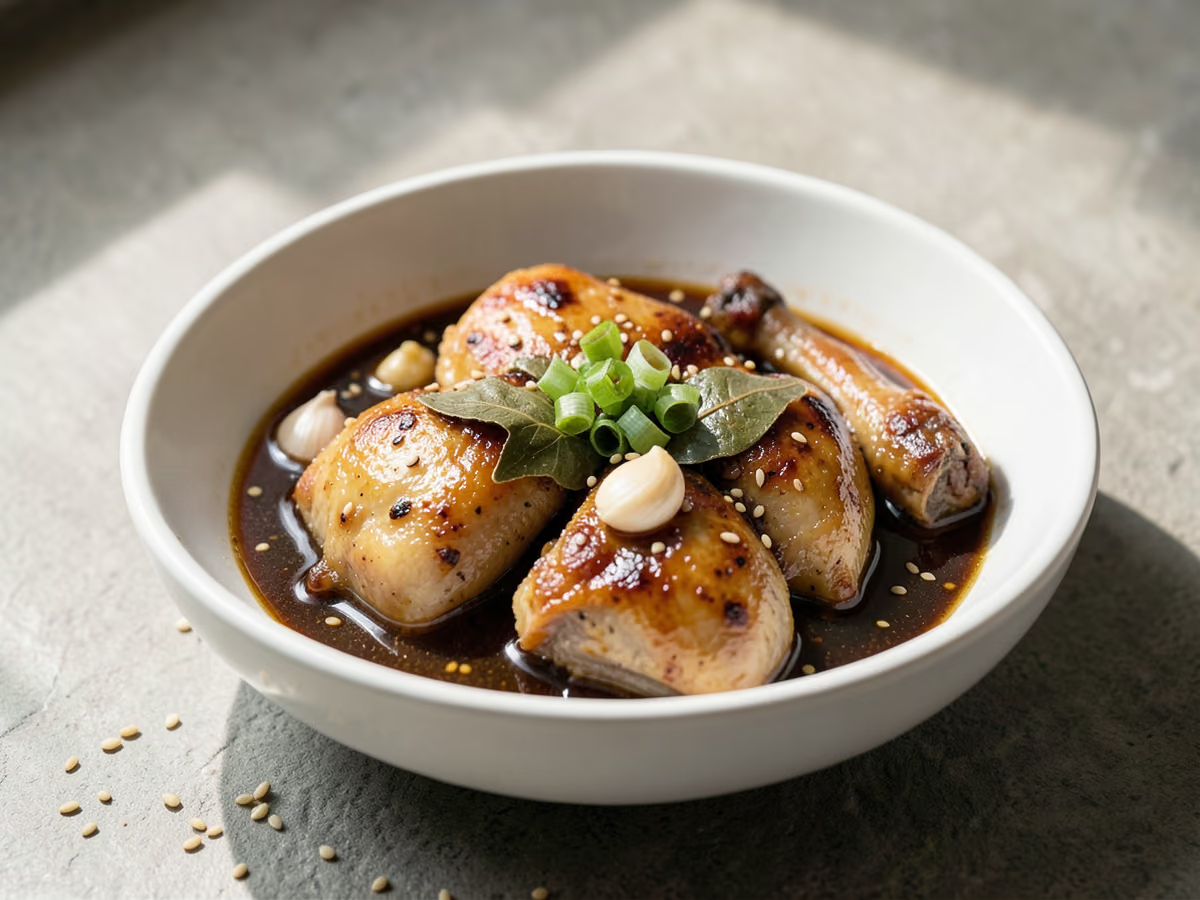
Uncover, increase the heat to medium, and simmer for 10–12 minutes, spooning the sauce over the chicken occasionally, until the liquid reduces to a glossy, slightly syrupy sauce that coats the back of a spoon.
Taste the sauce and add a pinch of salt only if needed. Discard the bay leaves. Serve the chicken hot with the sauce spooned over steamed rice.
Kitchen notes
Kitchen notes
- The most common mistake is boiling the adobo instead of simmering it. Keep the heat low once the liquids go in, or the vinegar turns harsh and the chicken toughens.
- Do not stir the pot constantly while the vinegar is reducing. Let it bubble gently so the raw vinegar bite cooks off and the sauce mellows.
- The sauce is ready when it coats a spoon and leaves a clear trail across the bottom of the pot. If it is still thin, keep simmering uncovered; if it gets too thick, add a splash of water.
- For deeper flavor, marinate the chicken in the soy sauce, vinegar, garlic, and peppercorns in the fridge for 2 hours before cooking, then proceed with the recipe.
Substitutions
- cane vinegar→distilled white vinegar or apple cider vinegar
- chicken thighs→bone-in chicken drumsticks or a mix of thighs and drumsticks
- soy sauce→coconut aminos for a gluten-free option
- sugar→honey or palm sugar
Storage & reheating
Store chicken adobo in an airtight container in the refrigerator for up to 4 days; the flavor deepens overnight. To freeze, cool completely, transfer to a freezer-safe container with the sauce, and freeze for up to 2 months. Thaw overnight in the refrigerator. Reheat gently in a covered saucepan over medium-low heat for 8-10 minutes, adding 1-2 tbsp water if the sauce is too thick, until the chicken is steaming hot throughout.
FAQ
The questions we get asked most
Why did my chicken adobo turn out sour and harsh?
The vinegar was not given enough time to mellow. Add the vinegar with the other liquids and let the pot simmer gently for at least 25 minutes before reducing. Boiling hard or adding vinegar at the end keeps the sharp raw bite.
Can I use chicken breast instead of thighs?
Yes, but breast meat dries out quickly. Use bone-in, skin-on breasts if possible, sear them the same way, and reduce the covered simmering time to 15-18 minutes. Check for doneness at 74°C in the thickest part.
How do I know when the adobo sauce is reduced enough?
The sauce should coat the back of a spoon and leave a clear trail when you drag a spoon across the bottom of the pot. It will look glossy, not watery. This usually takes 10-12 minutes of uncovered simmering after the chicken is tender.
Can I make chicken adobo ahead of time?
Yes, adobo tastes even better the next day. Cook it completely, cool it quickly, and refrigerate for up to 4 days. Reheat gently on the stovetop with a splash of water, or in the microwave covered at medium power.
Can I freeze chicken adobo?
Yes. Freeze the chicken and sauce together in a freezer-safe container for up to 2 months. Thaw overnight in the fridge, then reheat in a covered pan over medium-low heat until steaming. The sauce may look separated after freezing; stir it back together as it warms.
Why is my adobo sauce too salty?
Soy sauce brands vary a lot in saltiness. If the sauce tastes too salty, add 60 ml water and a pinch of sugar, then simmer uncovered for 5 minutes. Next time use light soy sauce or reduce the soy sauce to 90 ml.
Can I add potatoes or other vegetables to chicken adobo?
Yes. Add 300 g quartered waxy potatoes during the last 20 minutes of covered simmering so they cook through without turning mushy. Hard vegetables like carrots work too; leafy greens should go in during the final 3 minutes.
Ask KitchenMind about this recipe
Tell it what’s different tonight — it works within the actual recipe.