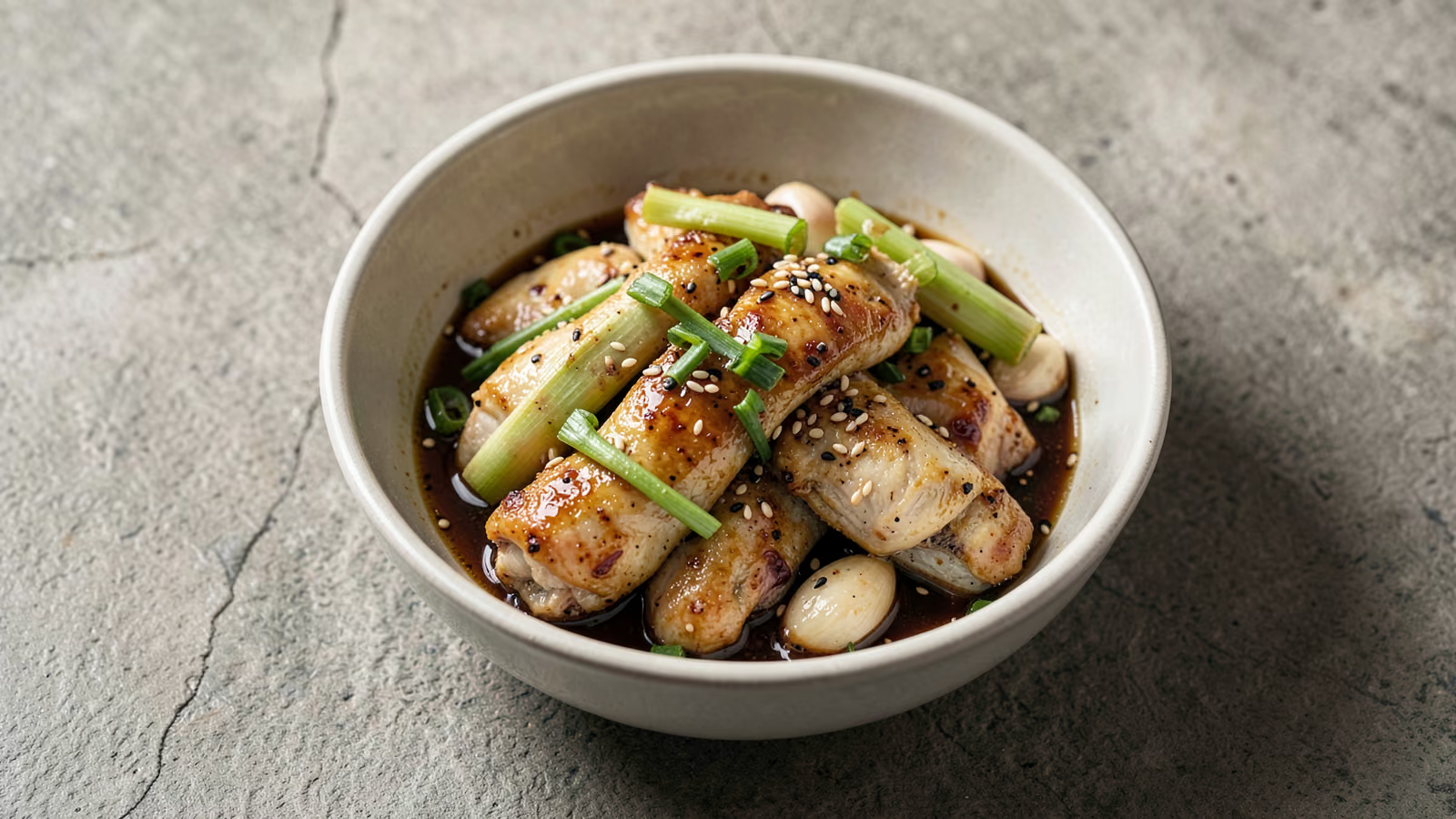
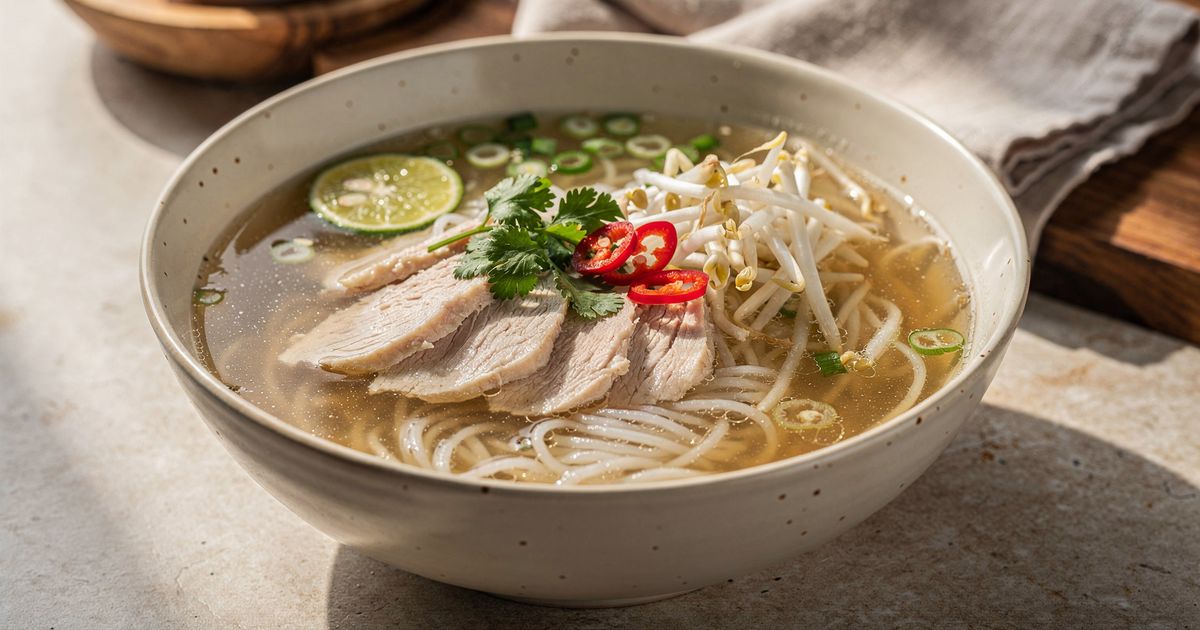
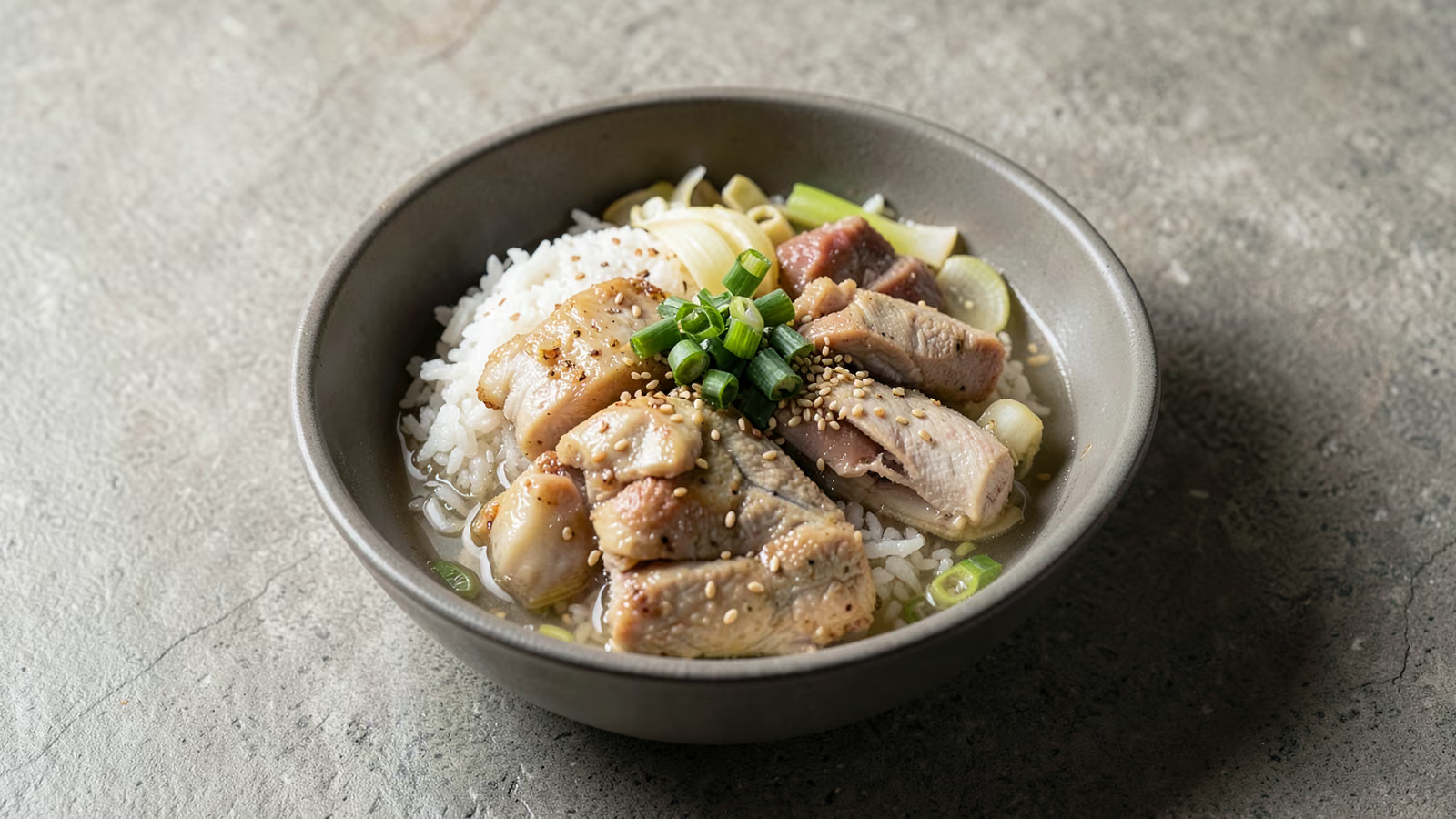
- Prep
- 15 min
- Cook
- 50 min
- Total
- 65 min
- Serves
- 4
Ingredients
What you’ll need — tap to tick off as you go
- 600 g
- 180 g
- 30 g
- 6 cloves
- 2 tbsp
- 1 ½ l
- 2 tbsp
- 1 tsp
- 1 tsp
Process
Timers built in · swap anything · ask as you cook
Rinse the jasmine rice in cold water 3 times until the water runs mostly clear, then drain well and set aside.
Heat 1 tbsp vegetable oil in a heavy pot over medium heat. Add the chicken thighs skin-side down and cook 4–5 minutes per side until lightly browned. Remove the chicken and set aside; leave the rendered fat in the pot.
Add the diced yellow onion to the pot and cook over medium heat for 3 minutes until soft. Add the minced garlic (4 cloves) and the julienned ginger and cook 1 minute until fragrant, not browned.
Stir in the drained jasmine rice and cook for 1 minute, coating the grains in the oil and aromatics.
Return the chicken to the pot, pour in the chicken broth and fish sauce, and add the ground black pepper. Bring to a boil, then lower the heat and simmer uncovered for 35–40 minutes, stirring every 5 minutes so the rice does not stick to the bottom.
While the porridge simmers, heat the remaining 1 tbsp vegetable oil in a small pan over medium-low heat. Fry the sliced garlic (2 cloves) for 2–3 minutes until golden and crisp, then drain on paper towel.
The arroz caldo is done when the rice has broken down into a thick, creamy porridge and the chicken pulls apart easily with a spoon. If it is too thick, stir in 100–200 ml hot water. Taste and add the optional salt only if needed.
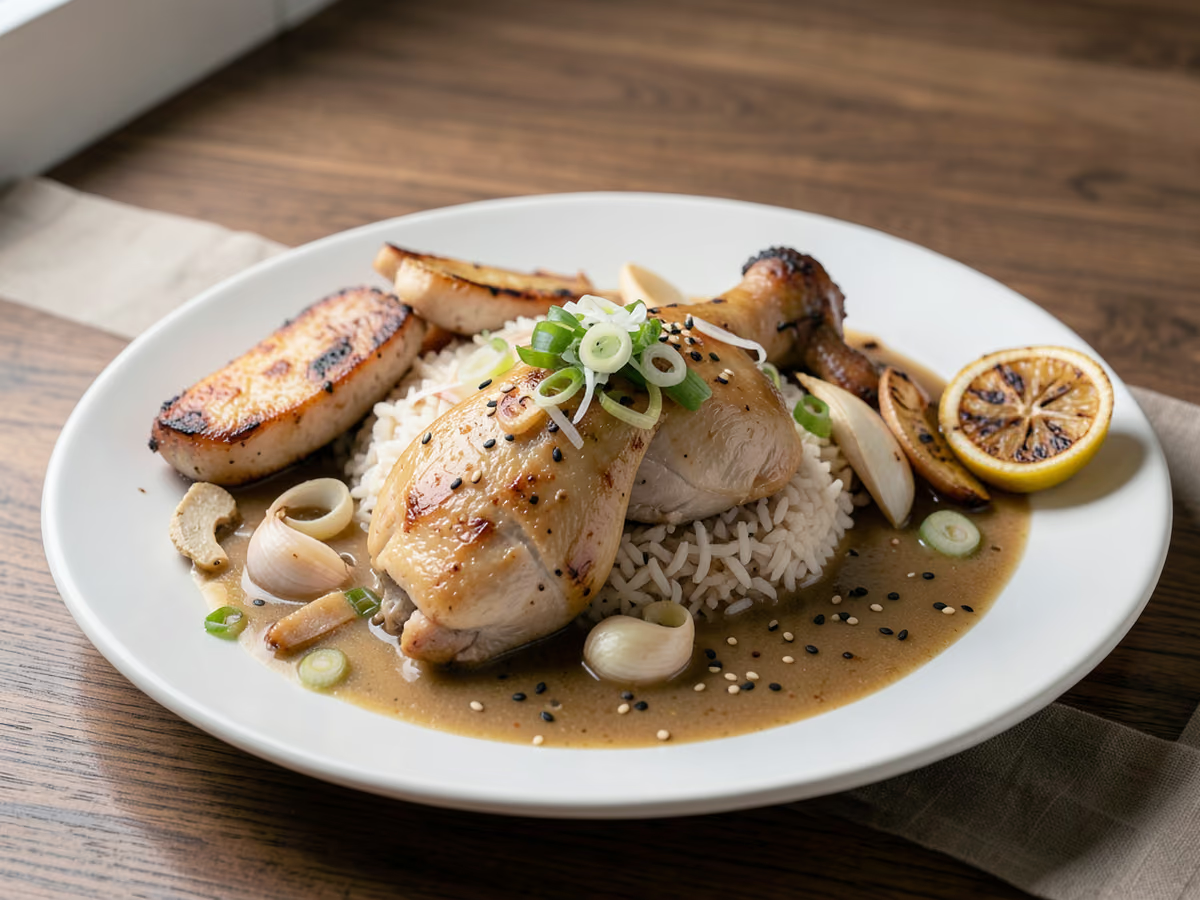
Ladle into bowls and top with the fried garlic, sliced spring onions and a squeeze of calamansi or lime. Serve extra fish sauce on the side.
Kitchen notes
Kitchen notes
- The most common mistake is not stirring: arroz caldo catches and burns on the bottom within minutes. Stir every 5 minutes and use a heavy-bottomed pot.
- Bone-in skin-on thighs give the broth its body. If you use boneless breast, shorten the simmer to 20 minutes and add 1 tbsp oil so the porridge is not thin.
- The porridge thickens dramatically as it sits. Keep it looser than you want in the bowl, since it will tighten while you ladle it out.
- Do not brown the garlic for the topping past pale gold; it turns bitter in seconds once it darkens.
Substitutions
- jasmine rice→any short or medium grain white rice
- fish sauce→soy sauce plus a pinch of salt
- calamansi→lime or lemon wedges
- chicken thighs→chicken drumsticks or a whole chicken cut into pieces
Storage & reheating
Cool the arroz caldo within 1 hour, then store in an airtight container in the fridge for up to 3 days. It will set into a thick gel; reheat on the stovetop over medium-low heat with 100-150 ml water or broth per portion, stirring until loose and steaming, or microwave covered in 1-minute bursts. Freeze for up to 2 months in portioned containers, thaw overnight in the fridge and reheat the same way; the rice texture softens further after freezing.
FAQ
The questions we get asked most
Why did my arroz caldo turn out gluey and thick?
The rice kept absorbing liquid after it was cooked, especially if you used more rice than the recipe calls for. Stir in hot water or broth 100 ml at a time until it flows like a loose porridge, and remember it thickens again as it cools. Next time measure the rice by weight rather than by eye.
Can I make arroz caldo ahead of time for a party?
Yes, it is actually better made a few hours ahead because the flavors deepen. Cook it to a slightly looser consistency than you want, cool it quickly and refrigerate for up to 3 days. Reheat gently with extra broth, then add the fried garlic and spring onions just before serving so they stay crisp.
How do I know when the chicken is fully cooked?
The chicken is done when it shreds easily with a spoon and the meat near the bone is opaque with no pink. If you have a thermometer, the thickest part should read 75°C. Since the pieces simmer for 35-40 minutes, they are usually well past that point by the time the rice breaks down.
Can I use leftover cooked rice instead of raw rice?
You can, but the result is looser and less creamy because cooked rice will not release starch the same way. Add about 400 g cooked rice in step 4 and simmer only 10-15 minutes, using 1 l broth instead of 1.5 l. The porridge will not thicken as much, so reduce the liquid if you prefer it dense.
Is arroz caldo supposed to be this salty?
Fish sauce is the main seasoning, so the salt level depends on your brand and your broth. If it tastes too salty, add 200 ml unsalted water or a peeled diced potato and simmer 10 minutes, then remove the potato. Next time start with 1 tbsp fish sauce and add the rest at the table.
Can I freeze arroz caldo without ruining the rice?
Freezing works but the rice grains soften further and the porridge may separate slightly on thawing. Freeze in portioned containers for up to 2 months, thaw overnight in the fridge, then reheat over medium-low heat with a splash of broth, stirring until smooth. The fried garlic topping should always be made fresh.
What can I use instead of calamansi?
Lime or lemon wedges are the closest everyday substitute, and a teaspoon of rice vinegar per bowl also works in a pinch. The acid is not optional for balance: it cuts the richness of the chicken and ginger. Add it at the table so each person can adjust their own bowl.
Ask KitchenMind about this recipe
Tell it what’s different tonight — it works within the actual recipe.