Crispy Air Fryer Chicken Wings
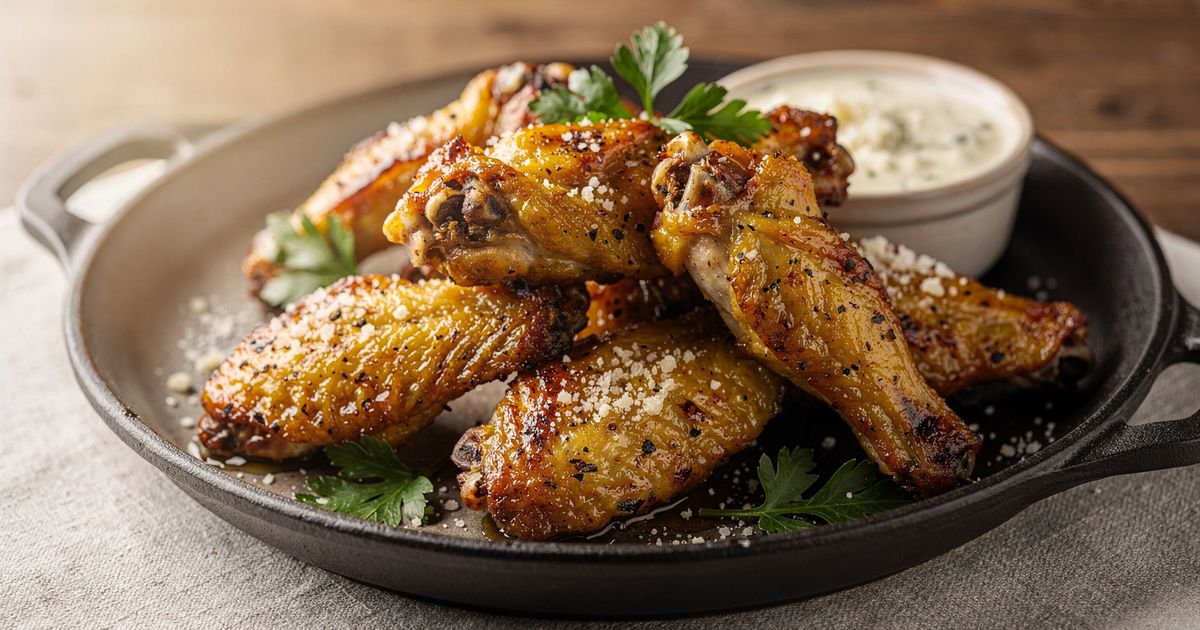
Crispy air fryer chicken wings get their crunch from 2 tbsp of baking powder and a two-stage cook, not from a fryer full of oil. The wings are dried, tossed in a baking powder, salt, pepper, smoked paprika and garlic powder rub, then cooked at 120°C while the fat renders and the skin dries, and at 200°C until the skin blisters and browns. Budget 15 minutes of hands-on work and about 25 minutes of cooking, most of it unattended, and the basket does the rest.
- Prep
- 15 min
- Cook
- 25 min
- Total
- 40 min
- Serves
- 4
Ingredients
What you’ll need — tap to tick off as you go
- 1000 g
- 2 tbsp
- 1 ½ tsp
- ½ tsp
- 1 tsp
- 1 tsp
- 1 tbsp
- 60 ml
Process
Timers built in · swap anything · ask as you cook
Pat the 1000 g of wings completely dry with paper towels, working over the sink and changing the towels when they stop absorbing. Any water left on the skin turns to steam in the basket and steams the wings instead of crisping them.
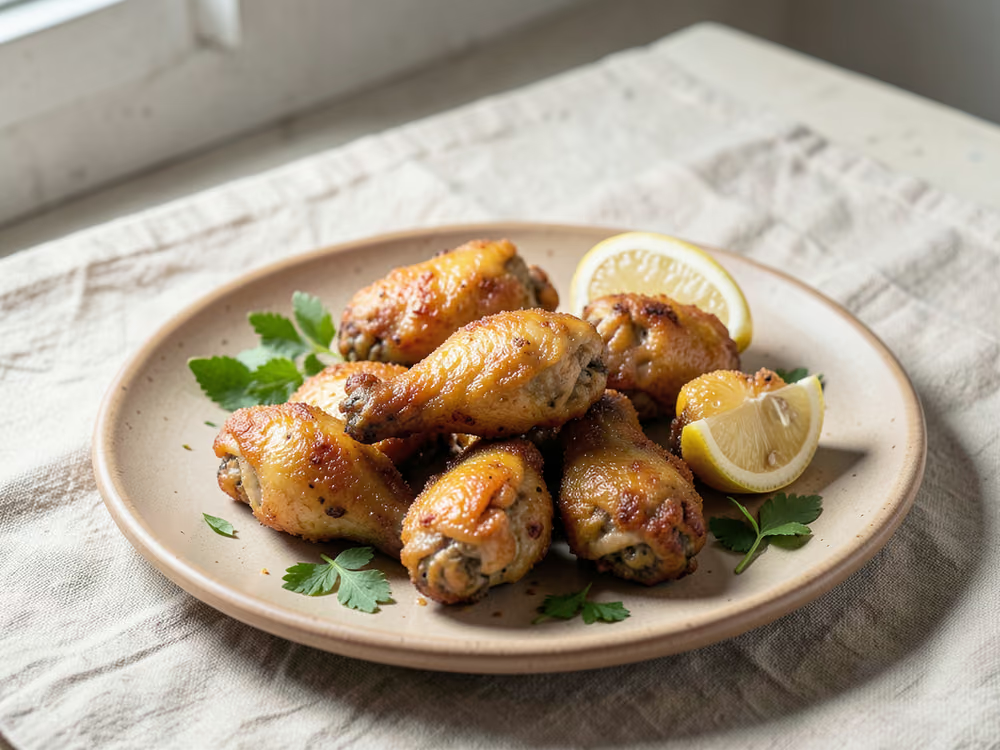
Whisk 2 tbsp baking powder, 1.5 tsp kosher salt, 0.5 tsp black pepper, 1 tsp smoked paprika and 1 tsp garlic powder together in a large bowl until no lumps remain. Mixing the dry rub first keeps the coating even; a clump of baking powder tastes bitter and chemical.
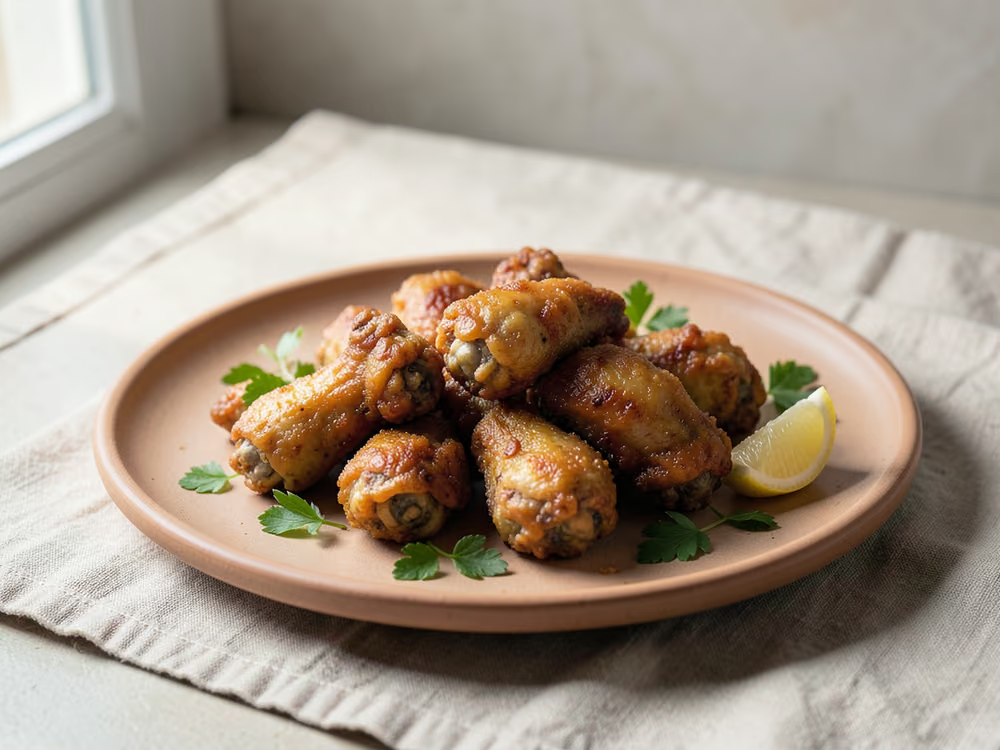
Add the wings to the bowl and toss until every piece is coated, then drizzle over 1 tbsp olive oil and toss again. The oil helps the powder cling to the skin, so stop as soon as the pieces look evenly dusted rather than wet.
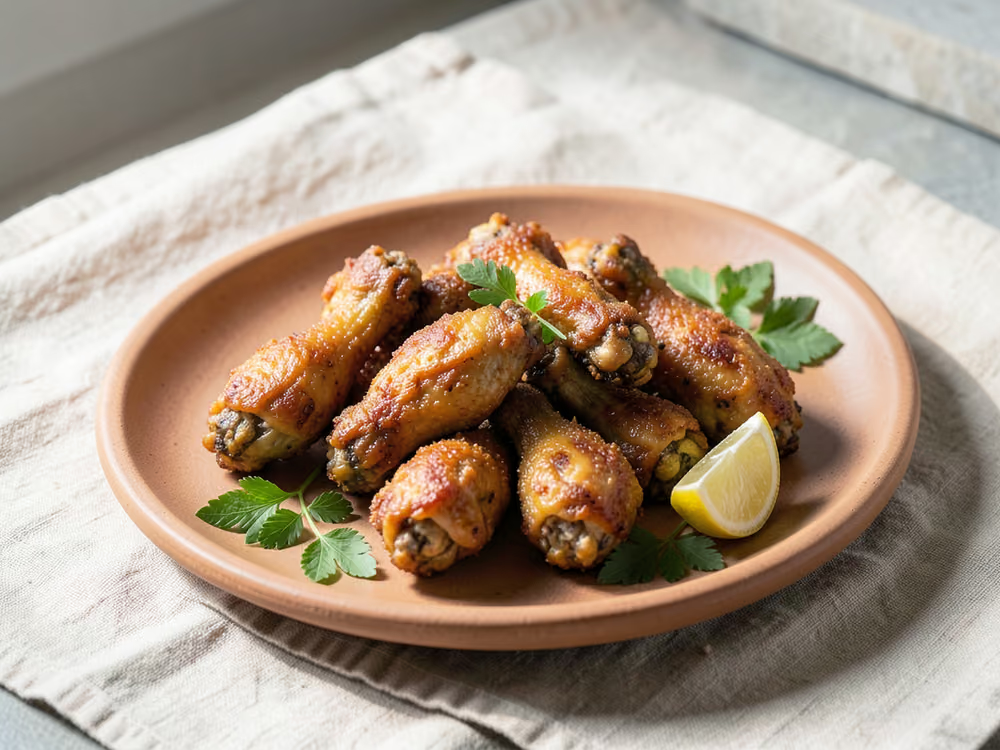
Arrange the wings in a single layer in the air fryer basket, skin side up, leaving a little space between pieces. Air has to move around each wing; touching or stacked pieces trap steam and come out patchy and soft, so use two batches if the basket is small.
Set the air fryer to 120°C and cook for 12 minutes. This quiet first stage warms the meat, melts the fat under the skin and drives surface moisture off, all without browning the coating; skip it and the skin darkens at 200°C before the fat beneath has rendered.
Raise the temperature to 200°C and cook for 5 to 6 minutes, then pull the basket and flip each wing with tongs. The flip evens out the side that faced the base, where rendered fat collects; both sides need the same exposure to the fan.
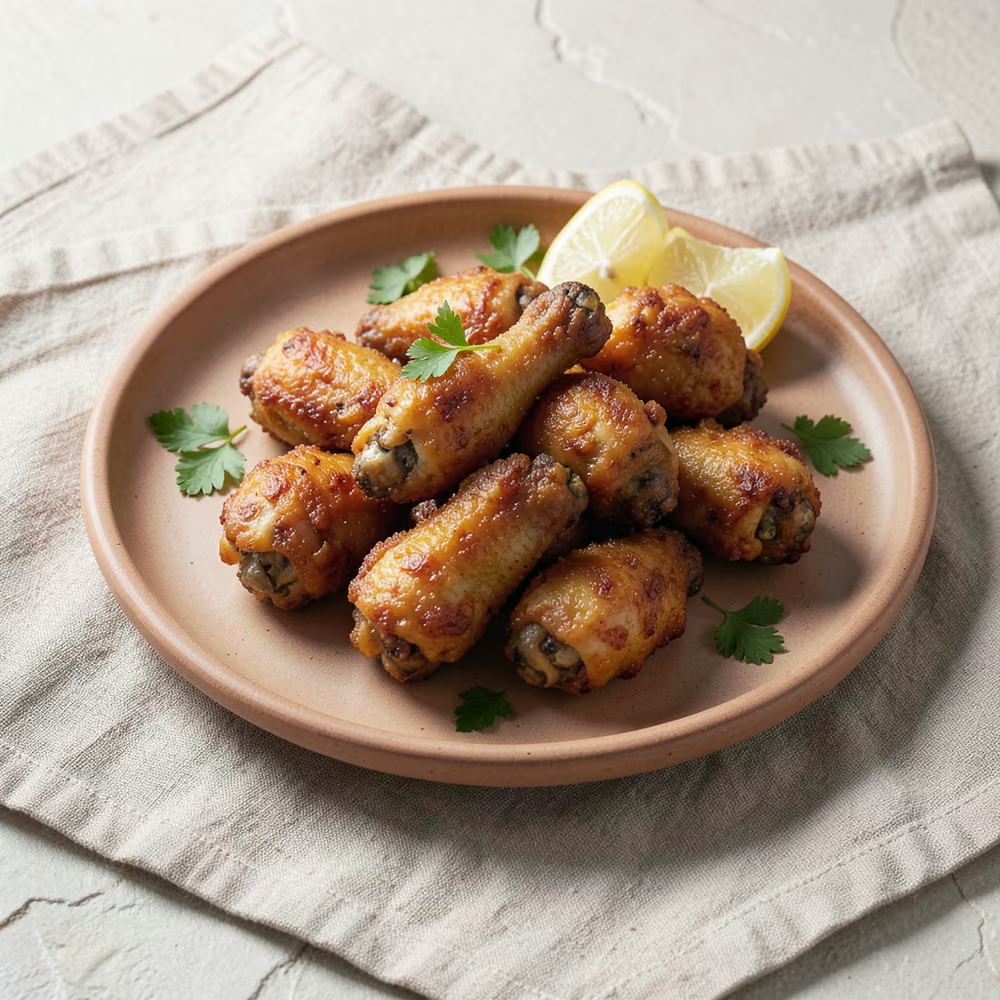
Continue at 200°C for another 5 to 7 minutes, until the skin is deep golden brown, blistered and crisp when you tap a wing with the tongs. The high stage should run 10 to 13 minutes in total; blistered skin is the signal, not the clock.
Check the thickest drumette with an instant-read thermometer, holding the probe in the meat just off the bone, which reads hotter than the flesh and lies. The target is 74°C; if the wings are short of it, cook them 2 to 3 minutes more at 200°C and check again.
Tip the wings onto a platter straight away and serve hot, with the 60 ml hot sauce on the side for dipping. Do not leave them sitting in the basket: the closed, steamy interior softens the crust within minutes, which undoes the whole two-stage cook.
Why this recipe works
Two things make the skin crisp. Baking powder is mildly alkaline, so it raises the pH of the skin: browning reactions speed up, the protein bonds that would tighten into a leathery sheet weaken, and the powder reacts with the chicken's own juices to release carbon dioxide, blowing the skin into tiny blisters that harden as they cook and multiply its surface area. The two-stage cook then separates jobs that fight each other at one temperature. At 120°C the wings lose surface moisture and the subcutaneous fat melts away slowly without the exterior darkening; at 200°C, with the water gone, the skin browns fast and stays crisp instead of steaming soft.
Equipment
- Air fryer with a 5.5–6 litre basket (a smaller model works, but the 1000 g of wings must go in as two batches)
- Instant-read thermometer
- Paper towels
- Large mixing bowl
- Small bowl and a whisk or fork
- Tongs
- Serving platter or a second large bowl
Kitchen notes
Kitchen notes
- Dry-brine ahead: toss the wings with the baking powder and salt rub, set them on a rack over a tray, and leave them uncovered in the fridge for up to 24 hours. The skin dehydrates further and the salt seasons the meat, though the rub can also go on just before cooking with little difference in browning.
- Tip the rendered fat out of the basket when you flip the wings, holding it at an angle over the sink. Less fat pooling in the base means the underside roasts in moving hot air instead of sitting in a puddle.
- Air fryers vary in wattage and basket size, so treat the two-stage structure as the recipe and the numbers as a starting point: a model that runs hot will need 190°C and 2 to 3 more minutes in the second stage.
- Check the temperature in the flesh beside the bone, never against it. Bone conducts heat faster than meat and reads several degrees high, which is how wings get pulled early and still look pink at the joint.
- Keep the 60 ml hot sauce on the side, or toss the wings in it only seconds before they reach the table; liquid starts migrating into the crust immediately and the crackle fades within a few minutes of saucing.
Common mistakes
- Soggy, pale skin: the wings went in damp, the basket was crowded, or the low stage was skipped. Pat the skin dead dry, keep one layer with space around each piece, and always run the full 12 minutes at 120°C before the heat goes up.
- Dark, tough skin with underdone meat: your air fryer runs hotter than the dial suggests, so the coating browns before the meat cooks. Drop the high stage to 190°C and extend it, flip at the halfway point, and trust the thermometer rather than the timer.
- A bitter, metallic taste: baking soda was used instead of baking powder, or the powder contains aluminum. Use 2 tbsp of aluminum-free baking powder; baking soda is far stronger and leaves a soapy edge that no amount of hot sauce hides.
- Dry, tight meat: the wings cooked past 74°C. Push the high stage only until the skin blisters and the thermometer reads 74°C; every minute after that dries the meat without improving the crust.
- Patchy seasoning and white patches of powder: the rub met wet skin, or the mix was not whisked smooth before tossing. Dry the wings first, whisk the powder, and toss until the coating looks like an even dust.
Serving suggestions
- Serve hot from the basket with the hot sauce on the side, plus celery and carrot sticks and a pot of blue cheese or ranch for dipping if dairy is not a concern.
- Four servings works out at about 250 g of wings each: generous as an appetiser, and about right as a main with rice or a sharp salad alongside.
- Cold drinks with acid and fizz — sparkling water with lime, or a dry sparkling apple soda — cut the richness of the skin better than anything sweet.
- For a crowd, run the 120°C stage in advance, hold the wings on a tray, and blast them at 200°C in batches just before serving.
Variations
- Buffalo-style finish: toss the hot wings in the 60 ml hot sauce with an equal volume of melted butter. The crust softens slightly and the dish is no longer dairy-free, but the flavour is the classic one.
- Cook from frozen: spread frozen wings in the basket and run 120°C for 15 minutes, then 200°C for 15 to 20 minutes, flipping halfway. The rub does not cling to frozen skin, so for the best result thaw the wings first, dry them and follow the recipe as written.
- Extra-spicy: add 0.5 tsp cayenne pepper to the dry rub, keeping the baking powder, salt and oil exactly as they are. The coating darkens slightly faster, so watch the last two minutes.
Refrigerator
- RefrigeratorCool the wings uncovered for a few minutes so steam escapes, then refrigerate them in an airtight container for up to 4 days; USDA guidance for cooked poultry leftovers is 3 to 4 days, and this is the outer edge of that range.
- ReheatingAir fryer at 180°C for 4 to 5 minutes, which re-crisps the skin while the meat comes back up to temperature; the USDA reheat target for leftovers is 74°C. Do not microwave them, which leaves the skin rubbery within seconds.
- FreezingFreeze the cooled wings in a single layer on a tray, then transfer them to a bag; they keep up to 2 months. Reheat from frozen at 180°C for 8 to 10 minutes, until piping hot at 74°C; the coating is a little softer than fresh but still crisp.
- Make aheadSeason the wings with the baking powder rub up to 24 hours ahead and rest them uncovered in the fridge, which deepens the seasoning and dries the skin further. You can also run the whole 120°C stage early, hold the wings, and finish them at 200°C when you are ready to eat.
Updated:
How this recipe was developed
- USDA FSIS / FoodSafety.gov safe minimum internal temperatures and cold storage guidance (poultry, including wings, 74°C; leftover poultry reheated to 74°C; cooked leftovers 3 to 4 days refrigerated, 2 to 6 months frozen)
- Serious Eats, The Best Oven-Fried Chicken Wings — baking powder raises skin pH, promotes browning and CO2 blistering, and dry-brining dehydrates the skin for crispness
- Serious Eats, Air-Fryer Buffalo Wings — single-layer spacing, batching in smaller baskets, and seasoning ahead with refrigeration up to 24 hours
- The Kitchn, The Best Air Fryer Chicken Wings — two-stage air-fryer cooking: render the fat at a lower temperature, then crisp the skin at high heat
Editorial references are kept internally for verification. This page makes no claim of external certification or professional testing.
FAQ
The questions we get asked most
Why are my air fryer chicken wings not crispy?
Almost always moisture or crowding. Wet skin steams before it can brown, and touching pieces trap that steam in the basket, so pat the wings dead dry, arrange them in one layer with space around each piece, and batch them if the basket is small. Skipping the 12 minutes at 120°C has the same effect: the skin darkens at 200°C before the fat underneath has rendered.
Can I use baking soda instead of baking powder?
No. Baking soda is many times stronger than baking powder and leaves a bitter, soapy, metallic taste that no sauce covers. Use 2 tbsp of aluminum-free baking powder; if you do not have any, 1 tbsp of cornstarch gives a decent crunch with paler colour, but it does not blister the skin the way baking powder does.
How do I know when air fryer chicken wings are done?
An instant-read thermometer in the thickest drumette, held just off the bone, should read 74°C, the USDA minimum for poultry, and the juices should run clear. The skin should be deep golden brown and blistered. If the wings are short of 74°C, give them 2 to 3 minutes more at 200°C and check again.
Can I make these wings ahead of time?
Yes, in two ways. Season them with the baking powder rub up to 24 hours ahead and rest them uncovered in the fridge for deeper seasoning and drier skin. Or run the full 120°C stage early, hold the wings on a tray, and finish them at 200°C for 10 to 13 minutes just before serving.
How long do air fryer chicken wings last in the fridge?
Up to 4 days in an airtight container once cooled, which is the outer limit of the 3 to 4 days USDA gives cooked poultry leftovers. Reheat them in the air fryer at 180°C for 4 to 5 minutes to bring the crust back; a microwave makes them rubbery.
Can I cook frozen chicken wings in the air fryer?
Yes, but they need longer: 120°C for 15 minutes, then 200°C for 15 to 20 minutes, flipping halfway. The baking powder coating does not adhere to frozen skin, though, so thaw them first, dry them thoroughly and season if you want the crackly, blistered skin the method is built around.
Do all 1000 g of wings fit in one basket?
In a 5.5–6 litre air fryer, yes, in a single layer. Anything smaller means cooking in two batches, which is worth the extra time: a crowded basket steams the wings and they come out soft and patchy instead of blistered.
Ask KitchenMind about this recipe
Tell it what’s different tonight — it works within the actual recipe.