Lemon Herb Roast Chicken
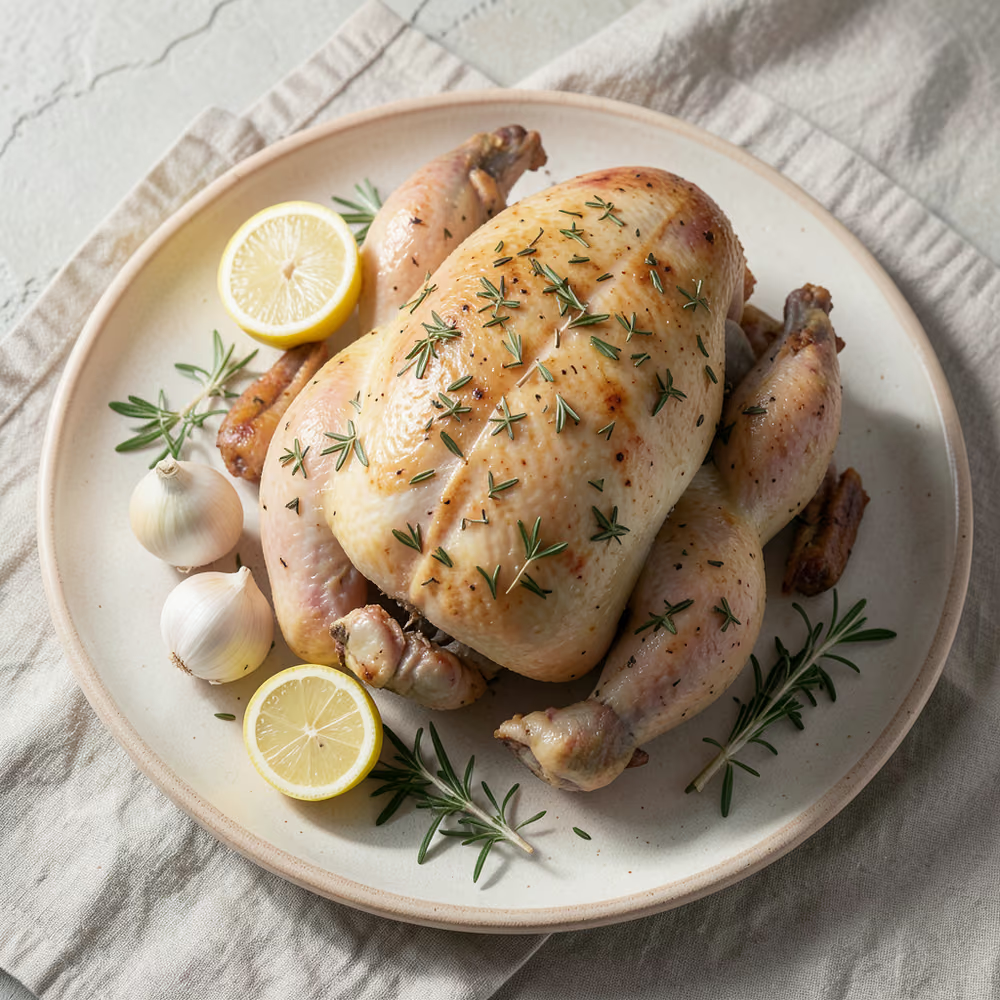
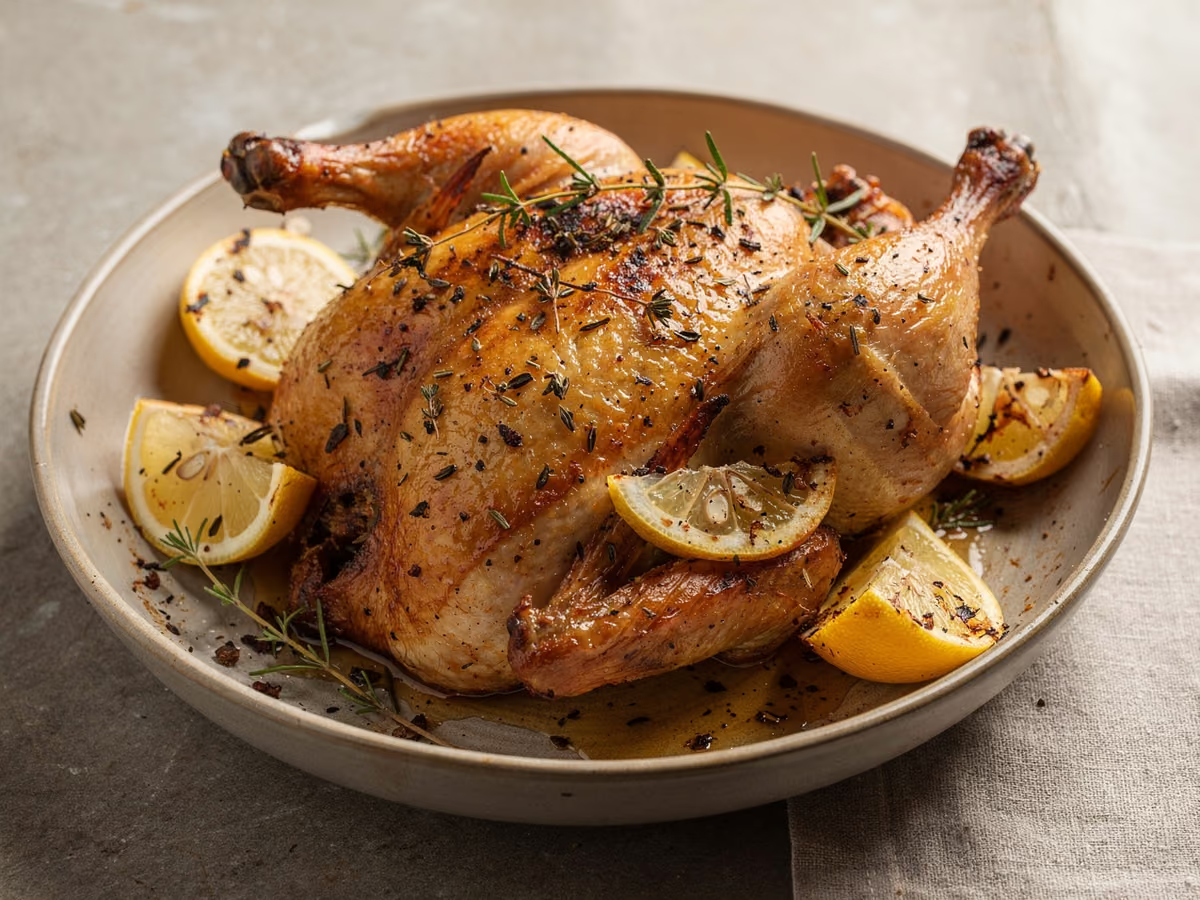
Lemon Herb Roast Chicken is the Sunday-dinner centerpiece built around one 1.6 kg whole chicken: a lemon-zest and herb paste worked under and over the skin, a bed of onion and carrot catching every drip, and a 200°C oven that crisps the skin while the meat below stays juicy. Most of the work is hands-off, about 20 minutes of prep and then 1 hour 20 minutes in the oven with a single baste halfway through. Let it rest 15 minutes, then carve.
- Prep
- 20 min
- Cook
- 80 min
- Total
- 115 min
- Additional time
- 15 min
- Serves
- 4
Ingredients
What you’ll need — tap to tick off as you go
- 1 ⅝ kg
- 2 tbsp
- 2 tbsp
- 4 cloves
- 3 tbsp
- 2 tsp
- 1 tsp
Process
Timers built in · swap anything · ask as you cook
Heat the oven to 200°C (fan 180°C) with a rack in the middle. Pat the 1.6 kg chicken dry inside and out with paper towels, then season the cavity with a pinch of the sea salt and black pepper. A dry surface is what lets the skin crisp later, and a fully heated oven keeps the timing predictable.
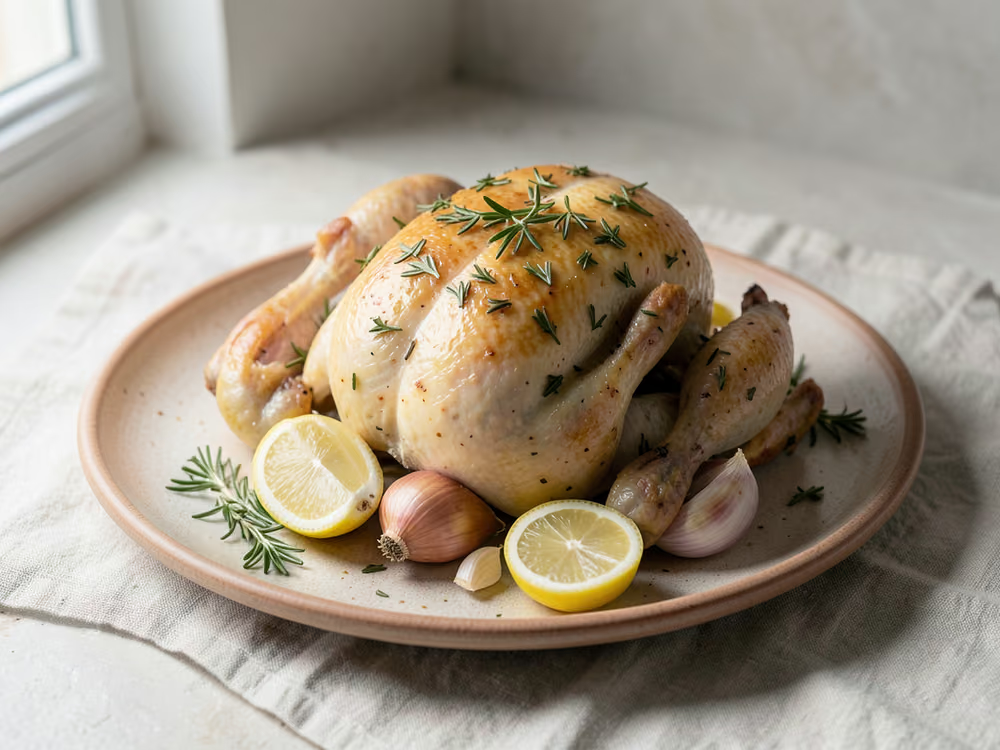
In a small bowl, mash the zest of the lemon with the 2 tbsp chopped rosemary, 2 tbsp chopped thyme, 3 minced garlic cloves, 2 tbsp olive oil, 1 tsp sea salt and 1 tsp black pepper into a rough paste. Letting the zest and herbs sit in the oil for a minute or two draws out their oils so the flavor spreads evenly.
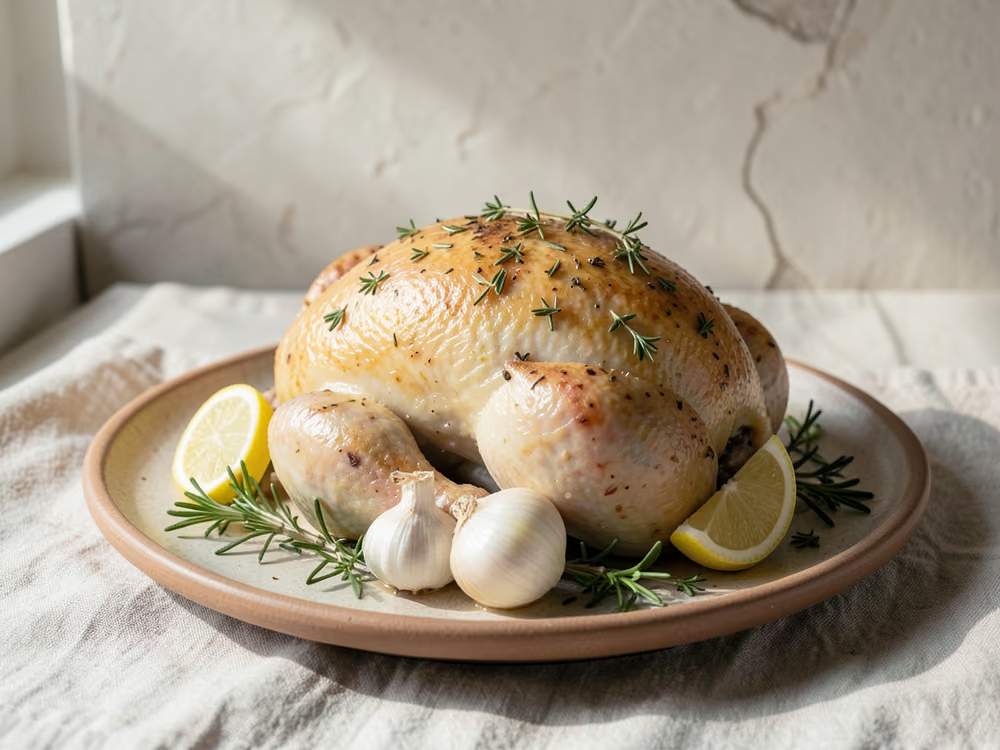
Loosen the skin over the breasts by sliding your fingers between skin and flesh from the neck end, working gently so it does not tear. Spread half the paste directly over the breast meat under the skin, then rub the rest over the outside of the bird, covering the legs and back as well. The under-skin half flavors the meat; the outside half seasons the skin.
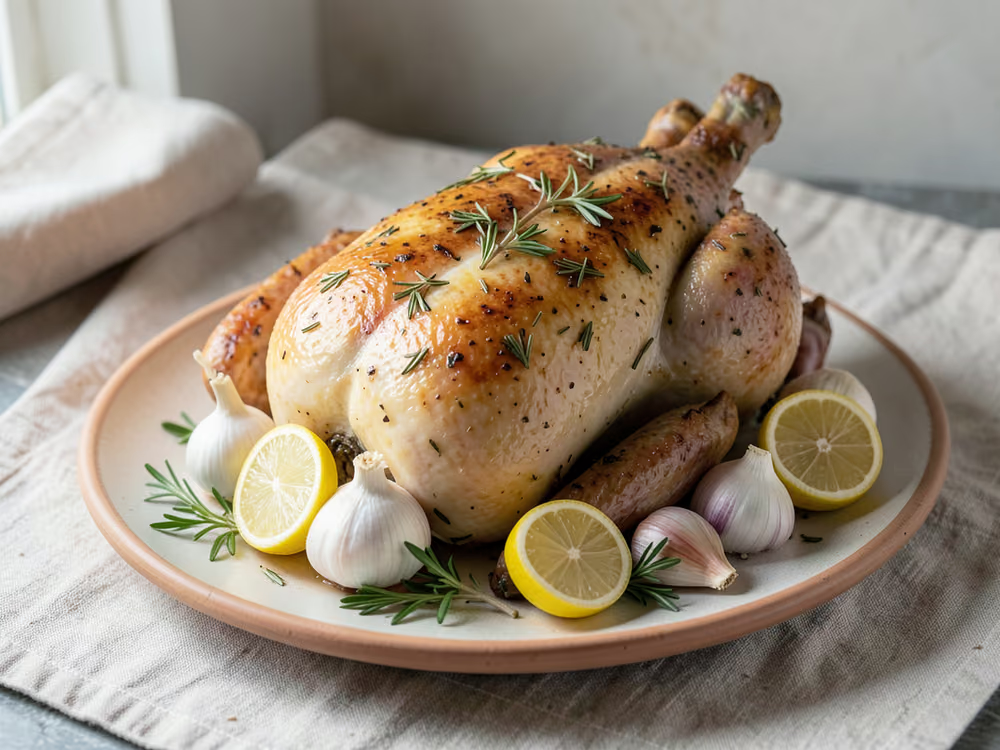
Push the two lemon halves and the halved garlic clove into the cavity, then tie the legs loosely with kitchen twine if you like a tidy shape. Trussing is optional: leaving the legs free lets heat reach the thigh joints a little faster, so either way the thermometer decides when the bird is done.
Scatter the quartered onion and the 2 carrots, cut into 3 cm chunks, in a roasting tin large enough to spread them in one layer. Drizzle with the remaining 1 tbsp olive oil, toss to coat, and sit the chicken on top. The vegetables act as a rack, lifting the bird so hot air circulates underneath while the drippings collect below.
Roast for 1 hour 20 minutes, spooning the pan juices over the bird once at the halfway mark. The chicken is ready when the juices at the thickest part of the thigh run clear and an instant-read thermometer reads 75°C without touching bone; begin checking a little before the full time, since every oven runs differently. If the top browns too fast, tent it loosely with foil.
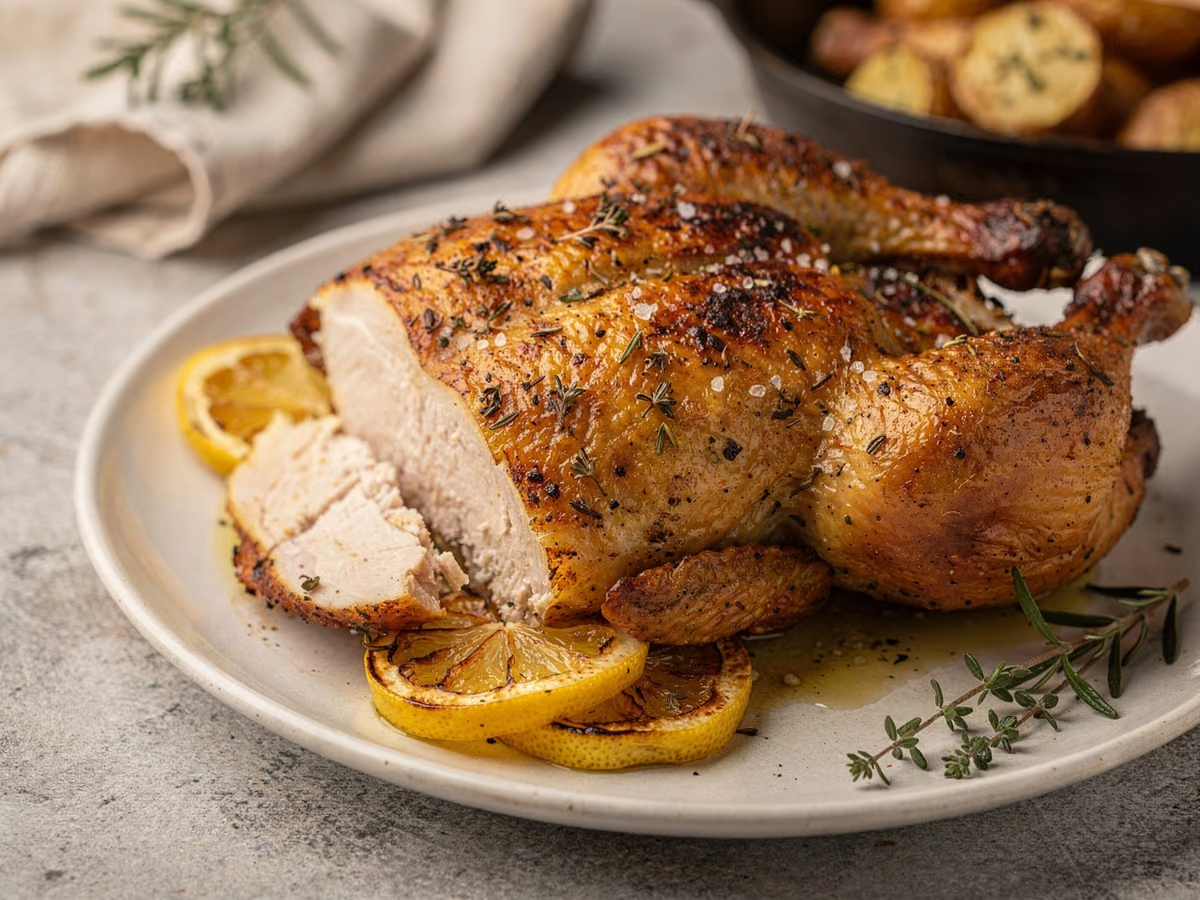
Lift the chicken onto a warm platter and rest it for 15 minutes, loosely covered with foil, leaving a gap so the skin stays crisp. Discard the lemon and garlic from the cavity, carve the legs and breasts, and serve with the roasted onion, carrot and spoonfuls of the pan juices. Resting lets the juices settle back into the meat instead of running out on the board.
Why this recipe works
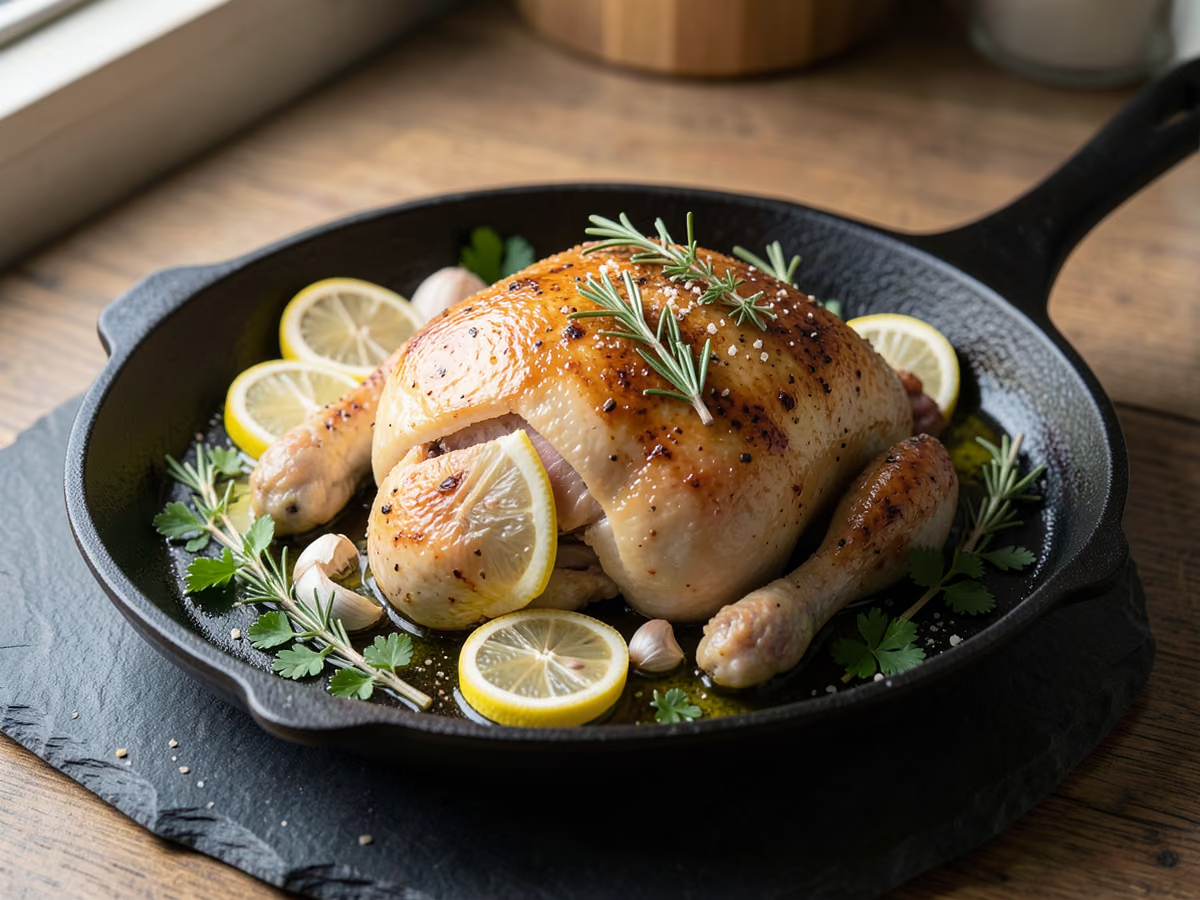
Three details decide the result. A dry surface: moisture on the skin must evaporate before browning can start, so patting the bird thoroughly and rubbing it with oil lets the skin crisp almost immediately at 200°C instead of steaming. The paste itself is pushed under the skin as well as over it, putting lemon zest and chopped herbs in direct contact with the meat while the skin crisps above. The vegetable bed lifts the bird slightly, so heat circulates underneath and the onion and carrot caramelize in the drippings. Finally, a 15-minute rest lets the juices redistribute before the knife arrives.
Equipment
- Roasting tin, about 35 x 25 cm, deep enough to hold the bird and vegetables with room around the sides
- Instant-read thermometer
- Small bowl for the herb paste
- Fine zester or rasp grater
- Kitchen twine (optional, for tying the legs)
- Chef's knife and cutting board
- Paper towels
- Aluminum foil (for tenting and resting)
Kitchen notes
Kitchen notes
- Air-dry the bird: after patting it dry, leave it uncovered on a fridge shelf, where 30 minutes helps and a few hours is better. Less surface water means faster browning, and it costs nothing but fridge space.
- Slide the thermometer into the thigh from the side, parallel to the bird, until the tip sits in the thickest meat but not on bone; bone reads hot and tells you the bird is done too early. For a second reading, check where the thigh meets the breast.
- At the halfway baste, spoon the pan juices over the legs and the underside; the breast sits higher and finishes first, so it needs less help. Keep basting to that single pass: test-kitchen comparisons show repeated basting mostly adds oven-door time.
- Pour the pan juices into a jug and let them settle for a few minutes; the clear fat rises to the top, and the defatted juices beneath make the sauce. Squeeze the roasted lemon halves over the carved meat for a second hit of citrus.
- Warm the platter and carve on it: take the legs off first, then each breast in one piece, sliced across into two or three portions. A board with a trench or a lipped platter catches the juices so none of the rest is wasted.
Common mistakes
- Dry, stringy meat: the bird went past 75°C, and the lean breast dries first. Pull it when the thermometer reads 75°C in the thickest thigh meat, away from bone, and rest 15 minutes; the temperature keeps climbing after the oven, so stopping early is safer than catching up.
- Limp, pale skin: the bird went in wet, or spent time under cover. Pat it bone-dry inside and out, keep the tin uncovered at 200°C, and only lay foil over the breast if it is browning too fast, because a tented bird steams its own skin soft.
- Scorched garlic and zest on the crown: exposed bits of paste can burn before the thigh is done. Keep half the paste under the skin, and if the top darkens early, lay a loose foil tent over just the breast; the thigh sets the timing, not the breast.
- Vegetables collapsed or uneven: the pieces were cut too small or piled too deep, so they steamed instead of roasting. Cut the carrot into even 3 cm chunks, spread everything in a single layer, and skip added water, since the drippings are moisture enough.
- The board floods with juice: the bird was carved straight from the oven. Rest it a full 15 minutes, loosely covered, and carve on a platter with a lip so anything that does run can be poured back over the meat.
Serving suggestions
- Carve at the table so every plate gets a mix of light and dark meat, a spoonful of the roasted onion and carrot, and pan juices from the jug.
- Rice pilaf or small pasta tossed in the pan juices turns the drippings into a side dish; keep the starch plain enough to let the lemon and herbs lead.
- A sharp, fresh counterpoint: steamed green beans, watercress with lemon, or a cucumber and red onion salad.
- Keep the table drinks simple, like sparkling water with a slice of lemon or iced tea.
Variations
- Spatchcocked version: remove the backbone, press the bird flat, and roast it at 230°C on a rimmed baking sheet to catch the drippings; a flattened 1.6 kg bird is done in about 45 minutes, so it is a faster route to crisp skin. Check the thigh for 75°C.
- One-tin dinner: add parsnips, baby potatoes or celeriac to the onion and carrot, keeping every piece around 3 cm and in a single layer so it finishes with the chicken; a fuller tin means more to soak up the drippings.
- Breast-down start: roast the bird breast-side down for the first 30 minutes, then turn it breast-side up for the remaining 50; the back browns while the breast sits in the juices. Turn carefully, because hot juices will shift when the bird moves.
Refrigerator
- RefrigeratorCool the chicken within 2 hours of roasting, then refrigerate it in a covered container for up to 3 days; keep the meat on the bone until you are ready to use it so it stays moist.
- ReheatingReheat gently in a 160°C oven for 15-20 minutes with a splash of water or broth, covered, until hot throughout and 74°C at the center; the microwave works on medium power in a pinch but softens the skin fastest.
- FreezingFreeze carved meat, wrapped tightly, for up to 4 months; thaw overnight in the refrigerator. The skin never regains its crispness, so plan to use the thawed meat in sandwiches, salads or soups.
- Make aheadRub the bird with the paste and refrigerate it uncovered for up to 12 hours ahead: the salt seasons the meat and the dry air helps the skin, and you can take it straight to the oven after 20 minutes on the counter.
Updated:
How this recipe was developed
- USDA FSIS Safe Minimum Internal Temperature Chart (all poultry, including whole birds, cooked to 74°C; leftovers reheated to 74°C)
- USDA FSIS, Chicken from Farm to Table (whole-bird roasting times; cooked leftover chicken keeps 3 to 4 days refrigerated and 4 months frozen)
- J. Kenji López-Alt, The Food Lab - lemon-herb paste worked under the skin, pan drippings brushed over the bird at the halfway point, and a 15-minute rest before carving
- America's Test Kitchen basting tests (a single baste improves even browning; repeated basting adds oven time without a measurable moisture gain)
Editorial references are kept internally for verification. This page makes no claim of external certification or professional testing.
Gallery
FAQ
The questions we get asked most
Why did my roast chicken turn out dry?
Overcooking is almost always the cause, and the breast dries first. Roast until a thermometer in the thickest thigh meat, not against bone, reads 75°C, then rest the bird 15 minutes so the juices redistribute. Seasoning the bird early also helps the salt do its work below the surface instead of sitting on top.
How do I know when the chicken is fully cooked?
Use a thermometer: the USDA minimum for poultry is 74°C measured in the thigh, and this recipe pulls the bird at 75°C for a margin. Check the thickest part of the thigh and the spot where the thigh meets the body, always away from bone, and confirm the juices run clear. A probe resting on bone can read hot while the meat nearby is under, so move it and recheck.
Why did my chicken skin not get crispy?
Water is the enemy: a wet bird, a covered tin, or a low oven all steam the skin instead of crisping it. Pat the chicken bone-dry, rest it uncovered in the fridge if you have time, roast uncovered at 200°C, and keep the foil for the rest. Basting more will not fix it, because that is a moisture problem rather than a fat problem.
Can I use dried herbs instead of fresh?
Yes. Dried herbs are about three times as concentrated, so use 2 tsp dried rosemary and 2 tsp dried thyme in place of the 2 tbsp each of fresh. Crush them between your fingers as you add them to open up the oils. Dried rosemary keeps its character best; dried thyme is a little more hay-like, so taste the paste before it goes on.
Can I roast vegetables alongside the chicken?
Yes, the recipe already roasts onion and carrot under the bird, and they come out glazed in the drippings. Keep new additions to sturdy roots about 3 cm thick, such as parsnip, potato or celeriac, spread them in a single layer, and toss them in the 1 tbsp oil so they roast rather than stew. Avoid soft, watery vegetables, which collapse over the 80 minutes.
Can I make this recipe with chicken pieces instead of a whole chicken?
Yes. Use about 1.6 kg of bone-in, skin-on pieces and work the paste under and over the skin as written; roast at 200°C, where thighs take about 35-45 minutes and breasts 25-30. Start checking early, pull each piece when its thickest part reads 75°C, and rest them a shorter time before serving, since pieces lose heat faster than a whole bird.
How long does leftover roast chicken keep in the fridge?
Cooled chicken keeps up to 3 days in an airtight container in the fridge, or up to 4 months frozen, and it should be refrigerated within 2 hours of roasting. Reheat gently with a splash of broth in a covered dish at 160°C for 15-20 minutes, or on medium power in the microwave, until hot throughout at 74°C.
Ask KitchenMind about this recipe
Tell it what’s different tonight — it works within the actual recipe.