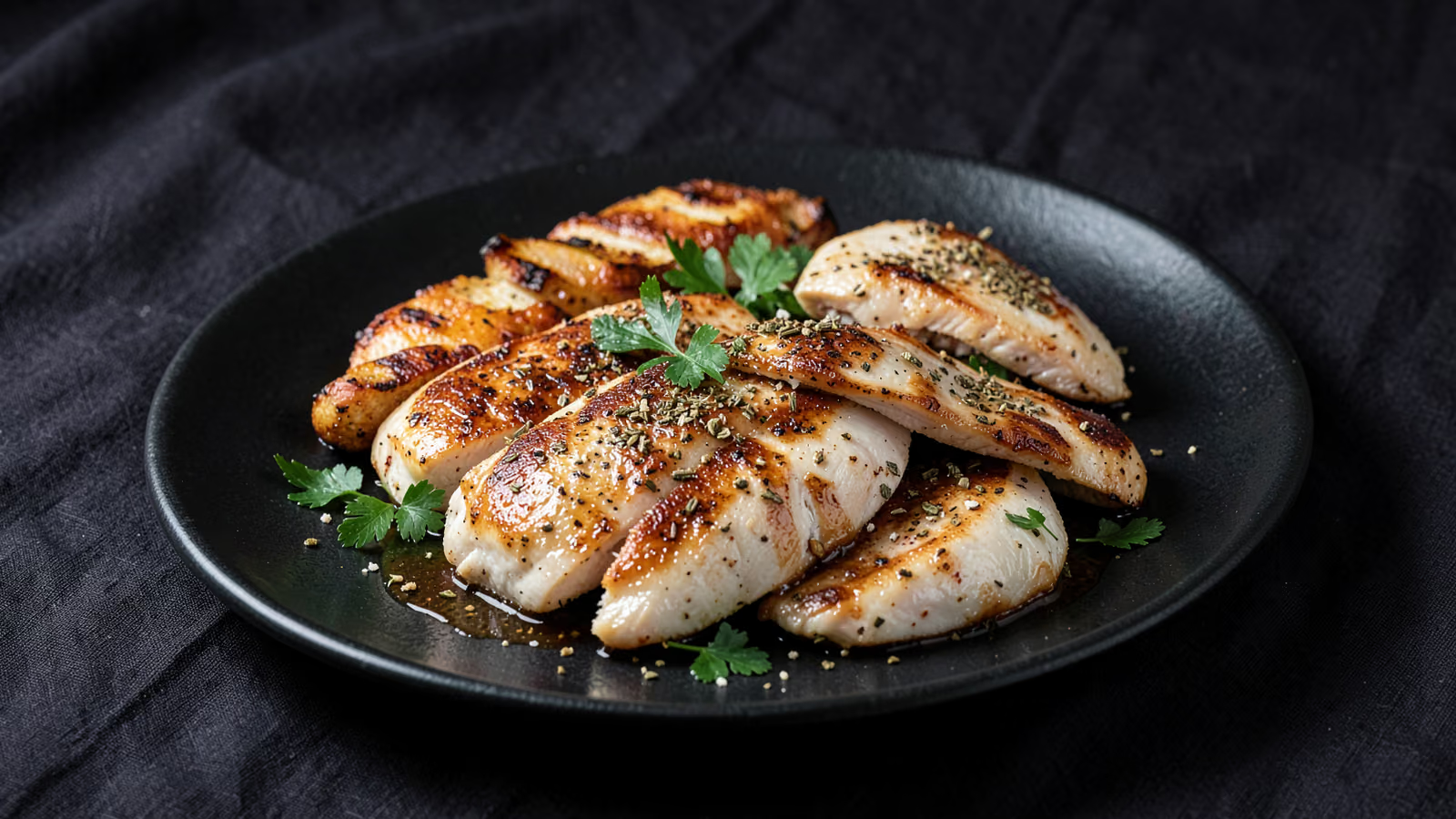
Air Fryer Chicken Breast
Twelve minutes in moving hot air can wreck your chicken breast. Two 200 g pieces, little fat to spare, and little margin between cooked and chalky: that is the problem this recipe solves. A ten-minute soak in 500 ml water and 1 tbsp fine salt widens that margin, because salt works its way into the muscle and helps your meat hold moisture through the heat. The window is narrow. Then 1 tsp each of smoked paprika and garlic powder, 1 tbsp of oil, and a 190°C basket do the rest. Pull at 74°C, rest briefly, and serve.
- Prep
- 10 min
- Cook
- 18 min
- Total
- 28 min
- Serves
- 2
Ingredients
What you’ll need — tap to tick off as you go
- 500 ml
- 1 tbsp
- 1 tbsp
- 1 tsp
- 1 tsp
- ½ tsp
Process
Timers built in · swap anything · ask as you cook
Stir 500 ml cold water with 1 tbsp fine salt in a shallow dish until no crystals remain, then lower in the 2 breasts and leave them for 10 minutes at room temperature. The soak seasons the meat all the way through and loosens the muscle enough to hold water, which is your only insurance against the dry heat of the basket and the narrow line between juicy and chalky. That is the whole trick.
While the chicken soaks, stir 1 tsp of smoked paprika, 1 tsp of garlic powder, and 0.5 tsp of black pepper together in a small bowl. Blending the spices first, rather than dusting them on one by one, spreads the smoke and heat evenly and keeps the pepper from landing in one bitter patch. Even coating, even flavor.
Lift the breasts out, pat every surface dry with paper towels (paper towels, not a damp cloth), and pour the brine away. Dry means brown. Air fryers color the meat through contact between a dry surface and fast-moving hot air, so any film of water left on the chicken steams your crust pale instead of letting it brown.
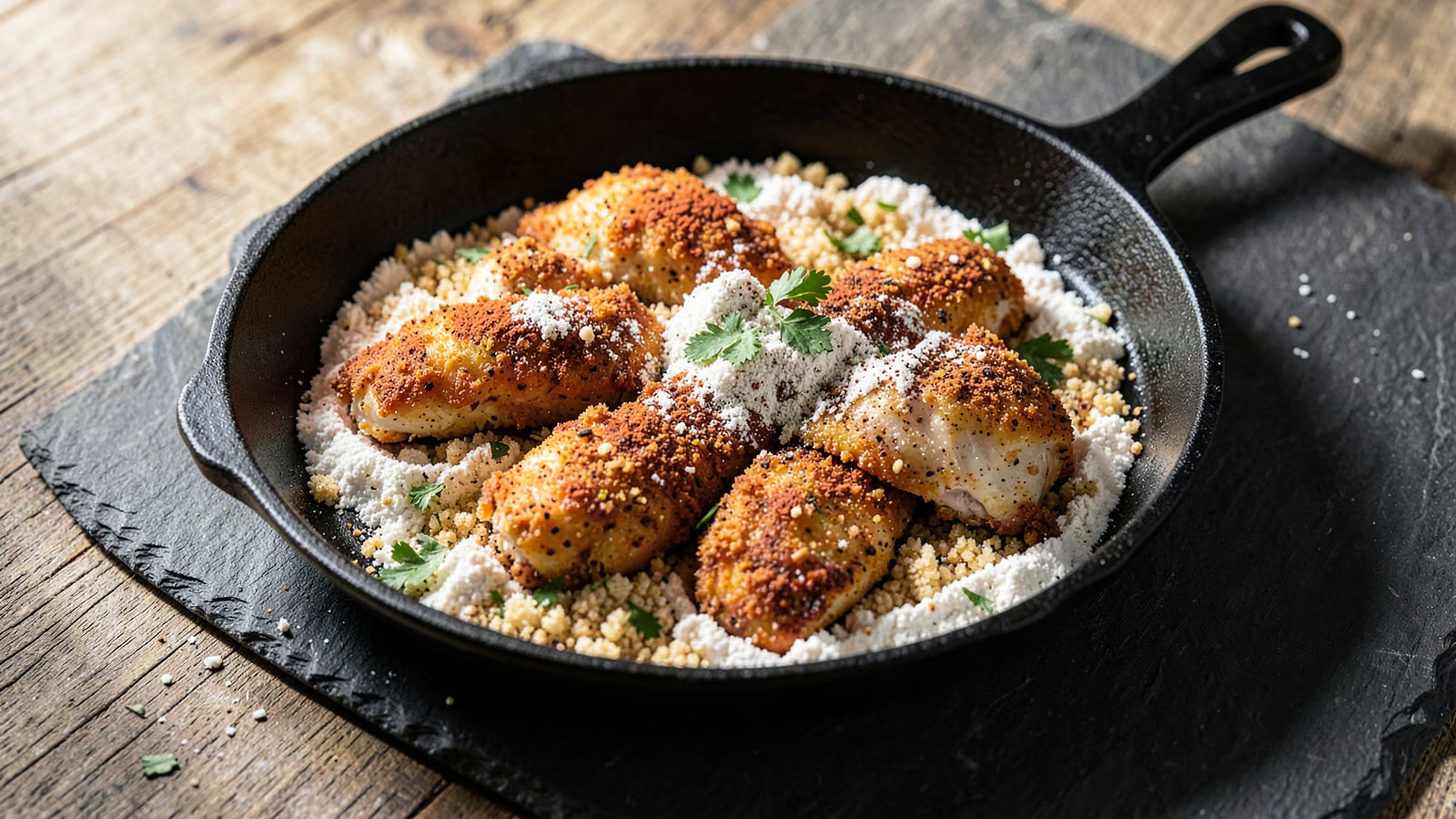
Rub 1 tbsp olive oil over both breasts, front and back, then press on the spice blend until the coating is complete. The oil keeps the lean meat from drying out and gives the paprika something to hold on to, so the crust stays on the chicken instead of collecting in the basket. Every surface, no gaps.
Preheat the basket to 190°C for 3 minutes. Heat first, meat second. A hot basket starts the crust on contact and makes the 12 minutes that follow predictable, while a cold one spends that time only driving off surface moisture and leaves you with a pale finish.
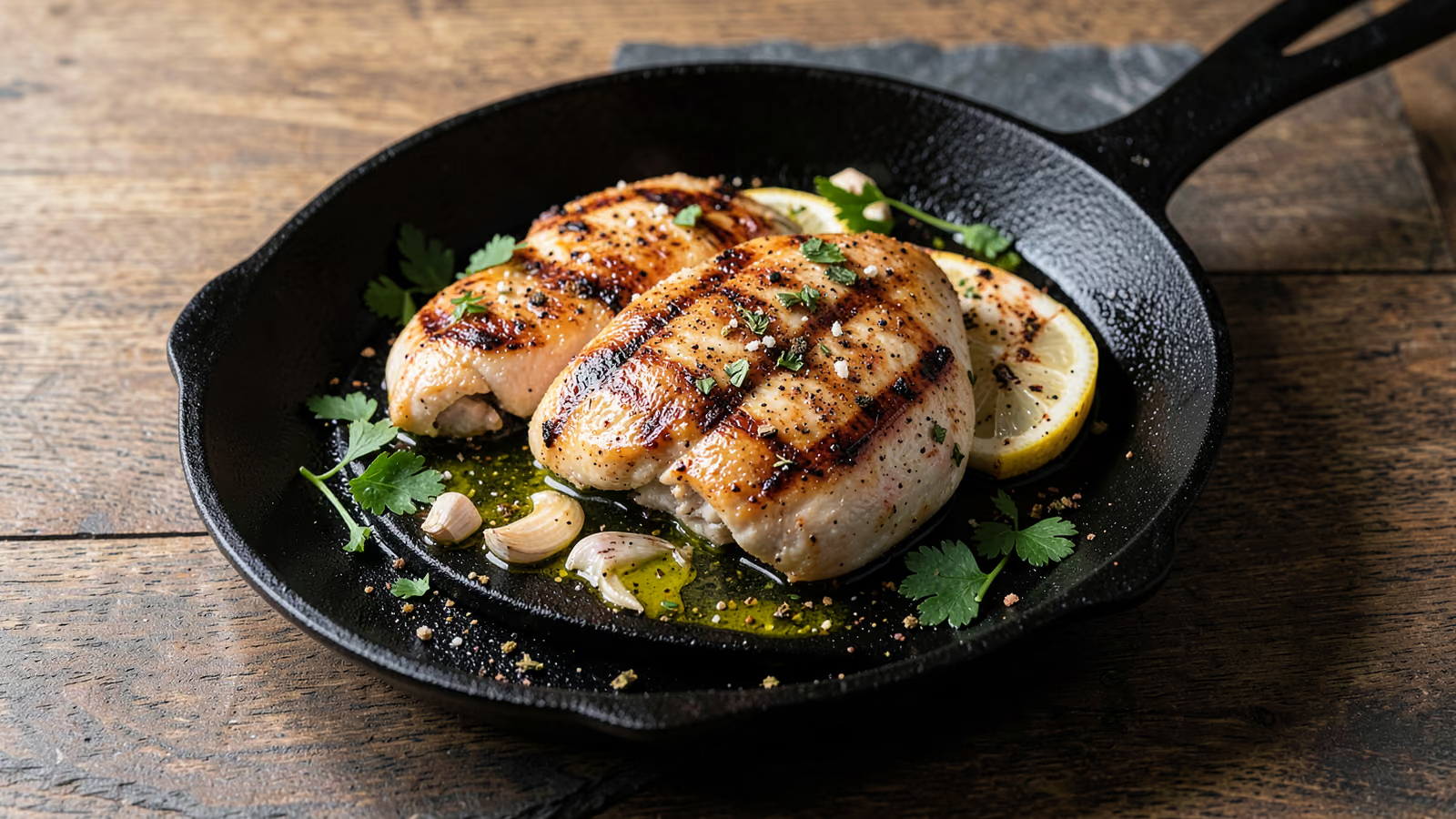
Lay both breasts in the basket in a single layer with a finger of space between them, then cook for 12 minutes at 190°C. Crowding traps steam in the middle of the basket, and steamed meat turns gray and soft instead of bronzed. Give every piece room. Airflow does the work.
Flip the breasts with tongs and cook at 190°C for 4 to 6 minutes more, then check the thickest point. Trust the thermometer. The center should read 74°C on an instant-read thermometer, the USDA minimum for poultry. If your machine runs hot, pull anyway, because the temperature inside keeps climbing for a minute or two after the basket.
Move the chicken to a cutting board and let it rest for 5 minutes before you slice. Resting gives the juices that the heat drove inward time to spread back through the meat, so they stay in the slices; cut too early and the board takes the best of your moisture instead.
Why this recipe works
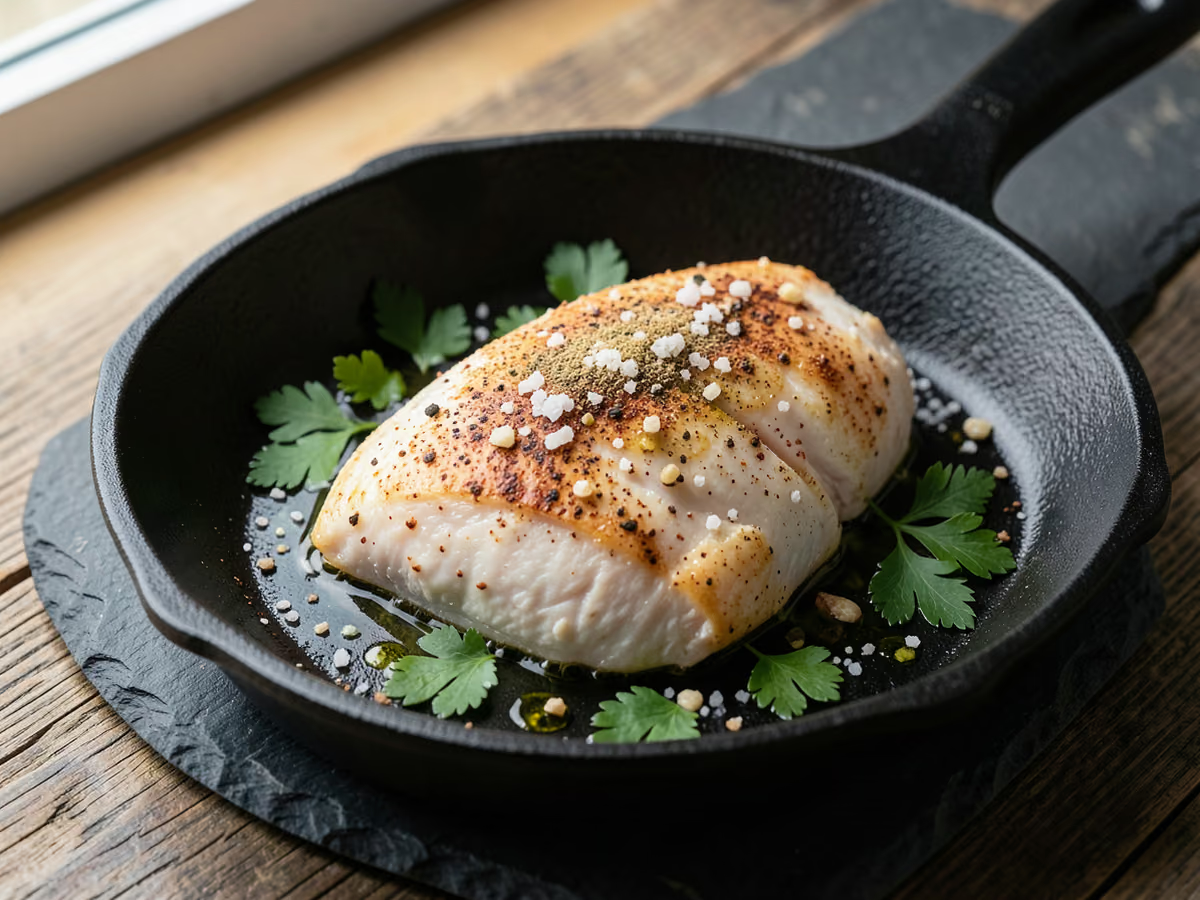
Salt does more than season. Given ten minutes, it works into the muscle, loosens the protein structure, and helps the flesh hold on to water as the meat heats, which is the margin a lean cut never has. Lean meat needs every advantage. That is the difference between a breast that stays juicy and one that goes chalky the second it passes 74°C. Why dry a surface you are about to oil? Because a wet breast steams, and steam blocks browning. The oil also carries the paprika and garlic so they toast against the meat, while five minutes of rest lets the juices drift back out from the center before your knife releases them onto the board.
Equipment
- Air fryer with a basket wide enough to hold both breasts in one layer
- Instant-read thermometer
- Shallow dish that fits the breasts flat
- Small bowl for the spice blend
- Paper towels
- Tongs
- Cutting board and a sharp knife
Kitchen notes
Kitchen notes
- Slide the probe in from the side, parallel to the board, until it reaches the middle of the thickest part. (Read at the center, not near the surface.) Aim for the middle.
- Start the 3-minute preheat while the breasts brine, so the basket is hot the second the chicken is coated.
- Worried the coating will scorch before the middle catches up? It rarely does at 190°C, and a stray dark edge is flavor rather than a fault.
- Skip the foil and parchment here; they block the airflow under the meat that does the crisping, and the basket washes clean in seconds.
- Smell the paprika before you commit, because if it has gone dusty and flat your crust will taste like nothing. Fresh spice wins.
Common mistakes
- Dry, stringy meat: the breasts cooked past 74°C. Chicken breast carries almost no fat, so the margin between juicy and chalky is only a couple of degrees, and a clock cannot see it; your thermometer can. Pull on temperature, not time.
- Pale, soft crust: the surface went in wet. Steam blocks browning, so dry the breasts after the brine and go with a single layer in the basket, where each piece gets its share of the airflow.
- One end dry, the other underdone: the breast tapered from thick to thin. Pound the thick end flat, or slice the piece horizontally so it cooks as one even slab. Even slabs cook evenly.
- Raw or scorched spice flavor: the blend hit the meat unevenly. Stir the spices together in a bowl and coat the oiled surface completely instead of shaking them on from above.
- Rubbery at the right temperature: the chicken was still part-frozen when it went in. A cold center stalls while the surface races ahead, so a partially frozen breast can read 74°C at the edge while the middle is still chilled; thaw fully and brine afterward.
Serving suggestions
- Steamed rice or a lemony grain bowl, so the juices from the board have somewhere to land.
- Roasted broccoli or green beans, which cook in the oven while the air fryer runs and land hot at the same time.
- A cool tomato and cucumber salad, sharp enough to balance the smoked paprika. Acid cuts smoke.
- Leftover slices, eaten cold, make a fast sandwich with mustard and a handful of greens. It slices clean cold.
- Slice one warm, spoon the board juices back over it, and share it while the crust still crackles.
Variations
- Smoky heat: keep the 1 tsp smoked paprika as written and work a pinch of cayenne into the blend before the oil goes on. Same heat, sharper edge.
- Lemon lift: grate a lemon's zest into the spice blend for a bright edge that survives the heat. Zest, not juice.
- Two-batch dinner: cook 4 breasts in two rounds rather than one crowded basket, because the second batch starts in an already-hot machine.
Refrigerator
- RefrigeratorCool the chicken within 2 hours of cooking, then tuck it into a sealed container in the fridge, where it keeps up to 4 days.
- ReheatingThe air fryer is your best bet: 3 to 4 minutes at 160°C brings the crust back without drying out the meat, and the center should read 74°C, the USDA mark for reheated poultry. Dress or sauce after, never before.
- FreezingFreeze the cooled breasts for up to 3 months, each one wrapped tight; thaw overnight in the refrigerator and reheat as above. Label the date.
- Make aheadBest eaten straight from the board, but a cook-ahead plate works: chill the cooked, cooled breasts and slice them cold over greens, where they stay juicy without a reheating pass. Do not worry about serving them cold.
Updated:
How this recipe was developed
- USDA FSIS, Safe Minimum Internal Temperature Chart (all poultry, including breasts, cooked to 74°C; leftovers reheated to 74°C)
- USDA FSIS, Poultry: Basting, Brining, and Marinating (salt brine dissolves muscle protein, and salt plus protein reduce moisture loss, making poultry juicier and more tender)
- USDA FSIS, Leftovers and Food Safety (refrigerate cooked food within 2 hours, keep 3 to 4 days, freeze 3 to 4 months, reheat to 74°C)
- UK Food Standards Agency, Cooking your food (poultry is done when steaming hot throughout, with no pink meat and clear juices)
Editorial references are kept internally for verification. This page makes no claim of external certification or professional testing.
FAQ
The questions we get asked most
Why is my air fryer chicken breast dry and rubbery?
Almost always the temperature ran past 74°C. Breast meat has little fat, so a minute or two of extra cooking is the difference between tender and tight. The brine buys you some margin, but the thermometer is what decides; pull at the 74°C mark and rest before you slice. A minute matters.
How do I know it is cooked without a thermometer?
No thermometer? Cut into the thickest point of one breast: the meat should be white with no pink, the juices should run clear, and steam should rise from the cut. Those cues work as a backup, but only a thermometer gives you the number: 74°C.
Can I skip the brine?
You can, and the chicken will still be safe at 74°C, but it dries out sooner once it passes that mark. If you are short on time, oil and season the breasts as usual and start checking the temperature a minute or two before the 12-minute point. Ten minutes is plenty here.
Can I cook the chicken straight from frozen?
Yes, with two changes. Skip the brine, since seasoning slides off a frozen surface, and cook at 180°C for 20 to 25 minutes (a flip at the midpoint counts). A frozen center also takes longer to reach 74°C, so keep the thermometer handy and check before serving.
Why was my chicken tough even at 74°C?
Uneven thickness is the usual culprit: while the thin end cooked through, the thick end lagged, and the extra heat in the thin part turned it stringy. Pound breasts thicker than 2.5 cm to an even profile, or split them, and rest the meat for 5 minutes so the juices settle back out of the center. Even thickness wins.
Can I make it ahead for meal prep?
It works well. Cook and cool the breasts within 2 hours, refrigerate up to 4 days, and reheat them for 3 to 4 minutes at 160°C in the air fryer. The leftovers are also excellent cold, sliced over greens with olive oil and lemon rather than dressed in advance, which keeps them from going soggy.
Why did my spice crust stay pale?
Wet surface or a packed basket. Both leave the meat steaming, and steaming does not brown. Dry the breasts properly after the brine, coat them with the full 1 tbsp of oil, and keep them in one layer with space between.
Ask KitchenMind about this recipe
Tell it what’s different tonight — it works within the actual recipe.