- Prep
- 20 min
- Cook
- 90 min
- Total
- 110 min
- Serves
- 4
Ingredients
What you’ll need — tap to tick off as you go
- 2 ½ l
- 40 g
- 3 tbsp
- 1 tsp
- 1 tsp
- 300 g
- 300 g
- 20 g
- ¼ tsp
Process
Timers built in · swap anything · ask as you cook
Pat the duck legs dry with kitchen paper. Place them skin-side down in a cold heavy pot and set over medium heat. Cook for 8–10 minutes until the skin is deep golden and a good layer of fat has rendered out.
Pour off all but about 1 tbsp of the rendered duck fat. Add the sliced ginger, the 2 halved spring onions, star anise and cinnamon stick and stir for 30 seconds until fragrant.
Pour in the water and light soy sauce, add the sugar, and bring to a gentle simmer. Skim off any foam that rises, then cover partly and simmer on low for 60–70 minutes, until the duck meat is tender and pulls away from the bone easily.
Lift the duck legs out with tongs and set aside until cool enough to handle. Strain the broth through a fine sieve into a clean pot, discarding the ginger, spring onion, star anise and cinnamon. Skim excess fat from the surface, then taste and add salt and white pepper as needed.
Shred the duck meat, discarding the skin, bones and any large pieces of fat. Return the shredded meat to the strained broth and keep it warm over low heat.
Bring a separate large pot of water to a boil. Cook the wheat noodles according to the packet instructions until just tender, then drain and divide between 4 deep bowls.
Blanch the bok choy in the same boiling water for 60–90 seconds until the stems are crisp-tender, then drain and add to the bowls.
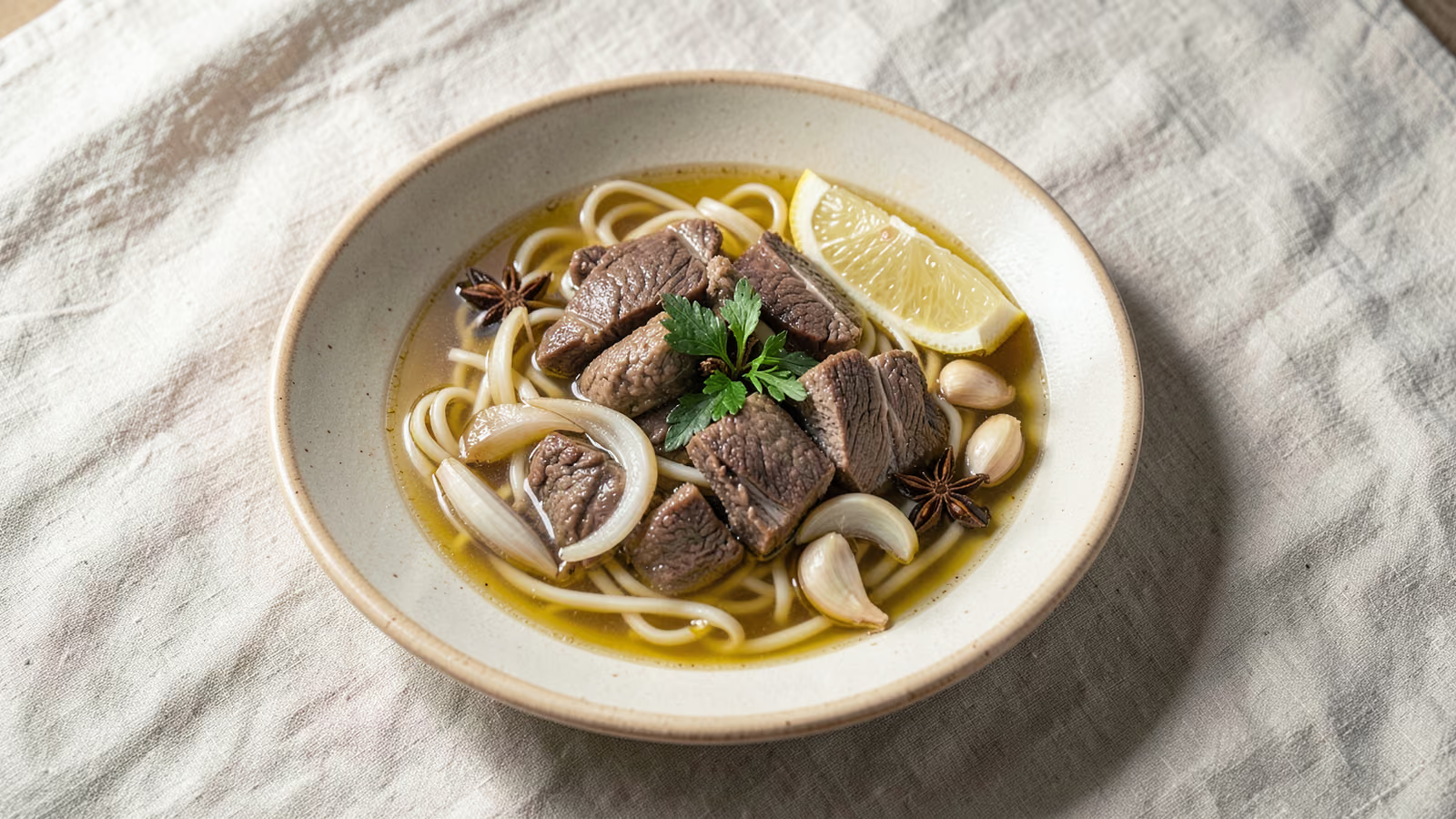
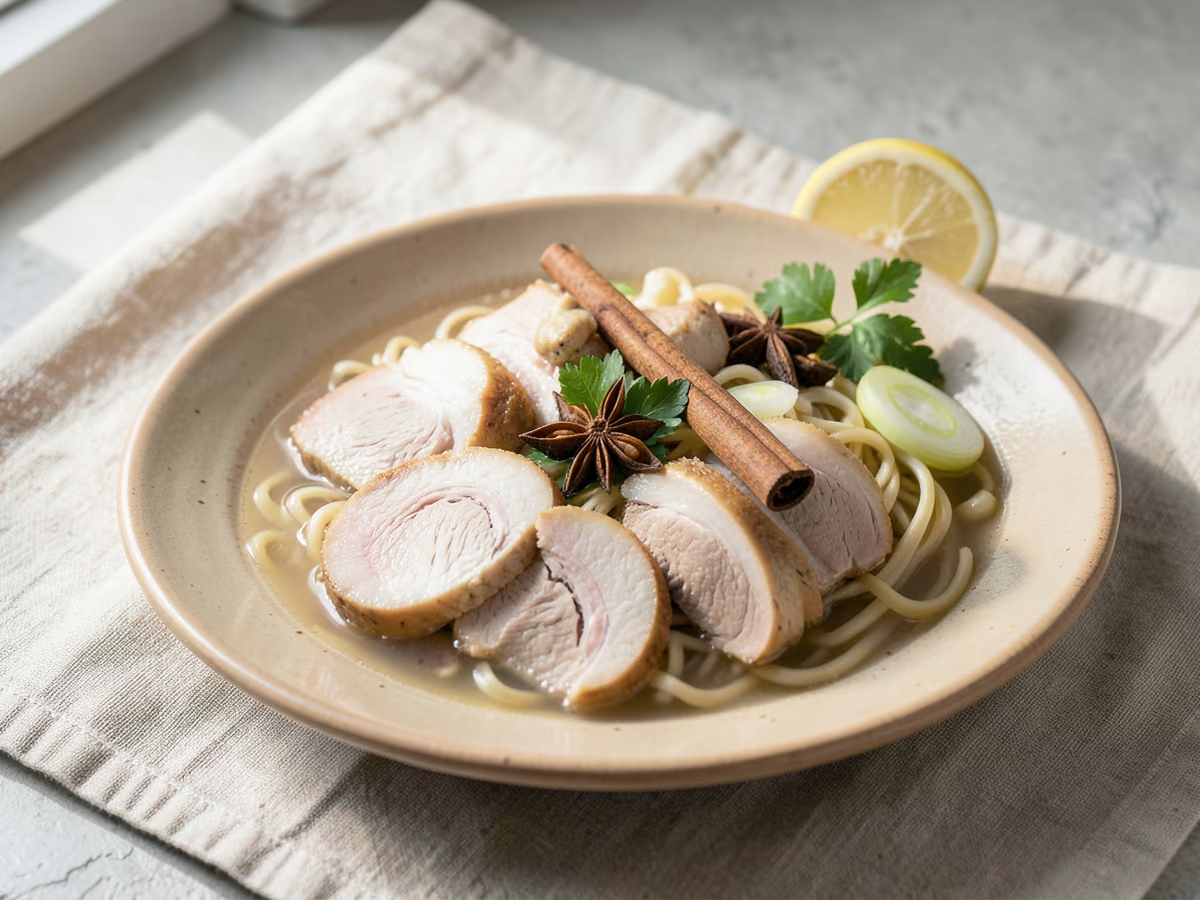
Ladle the hot broth and shredded duck generously over the noodles and bok choy. Scatter with the sliced spring onions and coriander and serve immediately.
Kitchen notes
Kitchen notes
- The most common mistake is boiling the broth hard: a rolling boil emulsifies the fat and turns the broth cloudy and greasy. Keep it at a bare simmer with the lid partly on.
- Rendering the duck skin slowly in a cold pan is what gives the broth its flavour base; if you skip this and just boil the legs, the soup tastes flat and watery.
- The duck is done when the meat shreds easily with two forks and the juices run clear, not pink, at the thickest part of the leg, usually after 60-70 minutes of simmering.
- Cook the noodles in a separate pot of water. Cooking them in the broth releases starch that makes the soup thick and gluey.
Substitutions
- duck legs→duck breasts, simmered for 35-40 minutes instead of 60-70
- bok choy→pak choi, gai lan or spinach added in the last 30 seconds of blanching
- wheat noodles→rice noodles for a gluten-free version, cooked according to packet instructions
- light soy sauce→tamari for a gluten-free version
Storage & reheating
Cool the soup completely, then store the broth with the shredded duck in a sealed container in the fridge for up to 3 days. Keep the cooked noodles and bok choy separately, as they turn soft in the broth; they keep for up to 2 days. To reheat, bring the broth and duck to a gentle simmer in a pot over medium heat for 5 minutes, then add fresh or reheated noodles. The broth freezes well for up to 2 months in a freezer-safe container; thaw overnight in the fridge before reheating.
FAQ
The questions we get asked most
Why is my duck noodle soup cloudy and greasy?
A hard boil emulsifies the rendered duck fat into the broth, making it cloudy and coating your mouth with grease. Keep the pot at a bare simmer, skim the foam and fat regularly, and strain the broth through a fine sieve before serving. Chilling the broth and lifting off the solid fat is the most reliable fix if it has already turned greasy.
Can I use a whole duck instead of duck legs?
Yes, but a whole duck needs a longer simmer of about 90 minutes to become tender, and you should skim more fat because there is more skin. Joint the duck first so the meat cooks evenly, and strain the broth well. The flavour will be slightly richer but less concentrated than with legs alone.
How do I know when the duck is cooked through?
The meat should pull away from the bone with almost no resistance and shred easily with two forks, and the juices at the thickest part of the leg should run clear, not pink. If the meat still clings to the bone, simmer it for another 10 minutes and test again. Overcooking past that point makes the meat stringy, so check every 10 minutes after the first hour.
Can I make this duck noodle soup ahead of time?
Yes. Cook the broth and shred the duck up to 3 days ahead, cool it quickly and refrigerate in a sealed container. Reheat the broth to a gentle simmer, then cook the noodles and blanch the bok choy fresh just before serving. This keeps the noodles firm and the bok choy crisp rather than soggy.
Can I freeze the broth and duck?
The broth with shredded duck freezes well for up to 2 months in a freezer-safe container, but leave 2-3 cm of headspace because it expands. Thaw overnight in the fridge, then reheat gently on the stove. Do not freeze the cooked noodles or bok choy, as they turn mushy on thawing.
What can I use instead of bok choy?
Pak choi, gai lan, choy sum or even baby spinach work well. Blanch sturdy greens like gai lan for 2 minutes and tender greens like spinach for just 20-30 seconds. Add them straight to the bowls so they stay bright and crisp against the hot broth.
Why did my broth lose its flavour?
The usual causes are too much water, not enough aromatics, or skimming away too much of the flavourful fat. Use the full 2.5 litres of water for two duck legs, and taste the broth after straining before adding salt. If it still tastes weak, simmer it uncovered for 15-20 minutes to concentrate the flavour.
Ask KitchenMind about this recipe
Tell it what’s different tonight — it works within the actual recipe.