- Prep
- 15 min
- Cook
- 15 min
- Total
- 30 min
- Serves
- 4
Ingredients
What you’ll need — tap to tick off as you go
- 1 tbsp
- 150 g
- ½ tsp
- 1 pinch
- 1 tbsp
- 2 tbsp
- 1 tbsp
Process
Timers built in · swap anything · ask as you cook
Make the hollandaise: In a heatproof bowl, whisk 3 egg yolks and 1 tbsp lemon juice. Set over a pot of barely simmering water (do not let bowl touch water). Whisk constantly until thickened and pale, about 3–4 minutes. The mixture should coat the back of a spoon and a trail should hold briefly.
Remove bowl from heat. Slowly drizzle in 150 g melted warm butter, whisking constantly, until fully incorporated and glossy. Whisk in 0.5 tsp salt and a pinch of cayenne. Cover and keep warm (not hot) while poaching eggs.
Poach the eggs: Fill a wide saucepan with water, add 1 tbsp white vinegar, and bring to a gentle simmer (small bubbles, not rolling). Crack each of the 8 eggs into a small cup. Gently slide eggs into water, 2–3 at a time. Poach 3–4 minutes until whites are set but yolks still runny. Lift out with a slotted spoon and drain on paper towels.
Toast the muffins: Split 4 English muffins and toast until golden and crisp. If desired, spread with a little butter.
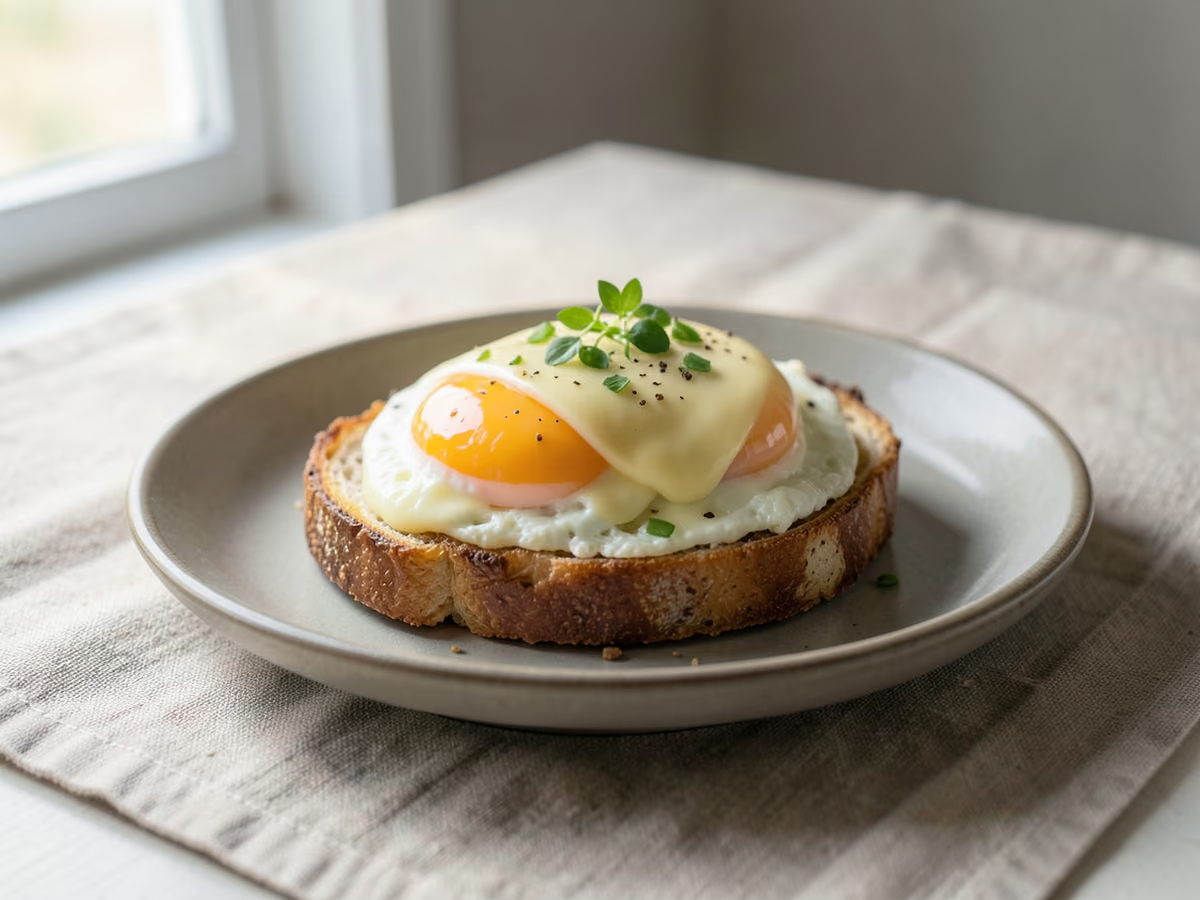
Assemble: Place two muffin halves on each plate. Top each with a poached egg. Spoon hollandaise generously over eggs. Garnish with chopped chives if using. Serve immediately.
Kitchen notes
Kitchen notes
- The most common mistake is overheating the hollandaise, which causes it to curdle. Keep the bowl over barely simmering water and whisk constantly; if it starts to look grainy, remove from heat and whisk in a teaspoon of cold water.
- For perfectly poached eggs, use the freshest eggs possible and add vinegar to the water. A gentle simmer (not a boil) keeps the whites intact. Poach in batches to avoid crowding.
- Hollandaise can be made up to 1 hour ahead and kept warm in a thermos or a bowl set over warm (not hot) water. Whisk briefly before serving.
- To test hollandaise doneness: it should be thick enough to coat the back of a spoon and hold a ribbon when drizzled.
Substitutions
- English muffins→toasted sourdough bread or gluten-free English muffins
- white vinegar→lemon juice or apple cider vinegar
- unsalted butter→clarified butter or ghee for a richer flavor
- chives→fresh dill or parsley
Storage & reheating
Store leftover hollandaise in an airtight container in the fridge for up to 2 days. Reheat gently in a double boiler over low heat, whisking constantly; do not microwave. Poached eggs are best fresh; if needed, store in cold water in the fridge for up to 1 day, then reheat in simmering water for 1 minute. Assembled eggs Benedict does not keep well and should be eaten immediately.
FAQ
The questions we get asked most
Why did my hollandaise sauce curdle?
Curdling happens when the sauce gets too hot or the butter is added too quickly. If it curdles, remove from heat and whisk in 1 tsp cold water. To prevent, keep the bowl over barely simmering water and add butter in a slow, steady stream while whisking constantly.
Can I make hollandaise ahead of time?
Yes, you can make it up to 1 hour ahead. Keep it warm in a thermos or a bowl set over warm water, whisking occasionally. For longer storage, refrigerate for up to 2 days and reheat gently over a double boiler, whisking constantly.
How do I poach eggs without them spreading?
Use the freshest eggs and add 1 tbsp vinegar to the poaching water. Bring water to a gentle simmer, not a boil. Crack each egg into a small cup and slide it in close to the water surface. Poach 2-3 at a time to avoid crowding.
Can I use a blender to make hollandaise?
Yes, a blender method works: blend egg yolks and lemon juice, then slowly stream in hot melted butter while blending. However, the traditional whisk method gives better control and a silkier texture. If using a blender, ensure the butter is hot but not boiling.
How do I know when the poached eggs are done?
Poached eggs are done when the whites are fully set and opaque, but the yolks still feel soft when gently pressed. This takes about 3-4 minutes at a gentle simmer. Lift one out with a slotted spoon and gently press the yolk; it should give slightly.
Can I freeze hollandaise sauce?
Freezing hollandaise is not recommended because the emulsion breaks upon thawing, resulting in a grainy texture. It is best made fresh or stored in the fridge for up to 2 days. If you must freeze, thaw overnight in the fridge and re-emulsify by whisking over gentle heat with a splash of water.
What can I use instead of English muffins?
You can use toasted sourdough bread, brioche, or gluten-free English muffins. For a lower-carb option, try portobello mushroom caps or thick slices of toasted sweet potato. Just ensure the base is sturdy enough to hold the egg and sauce.
Ask KitchenMind about this recipe
Tell it what’s different tonight — it works within the actual recipe.