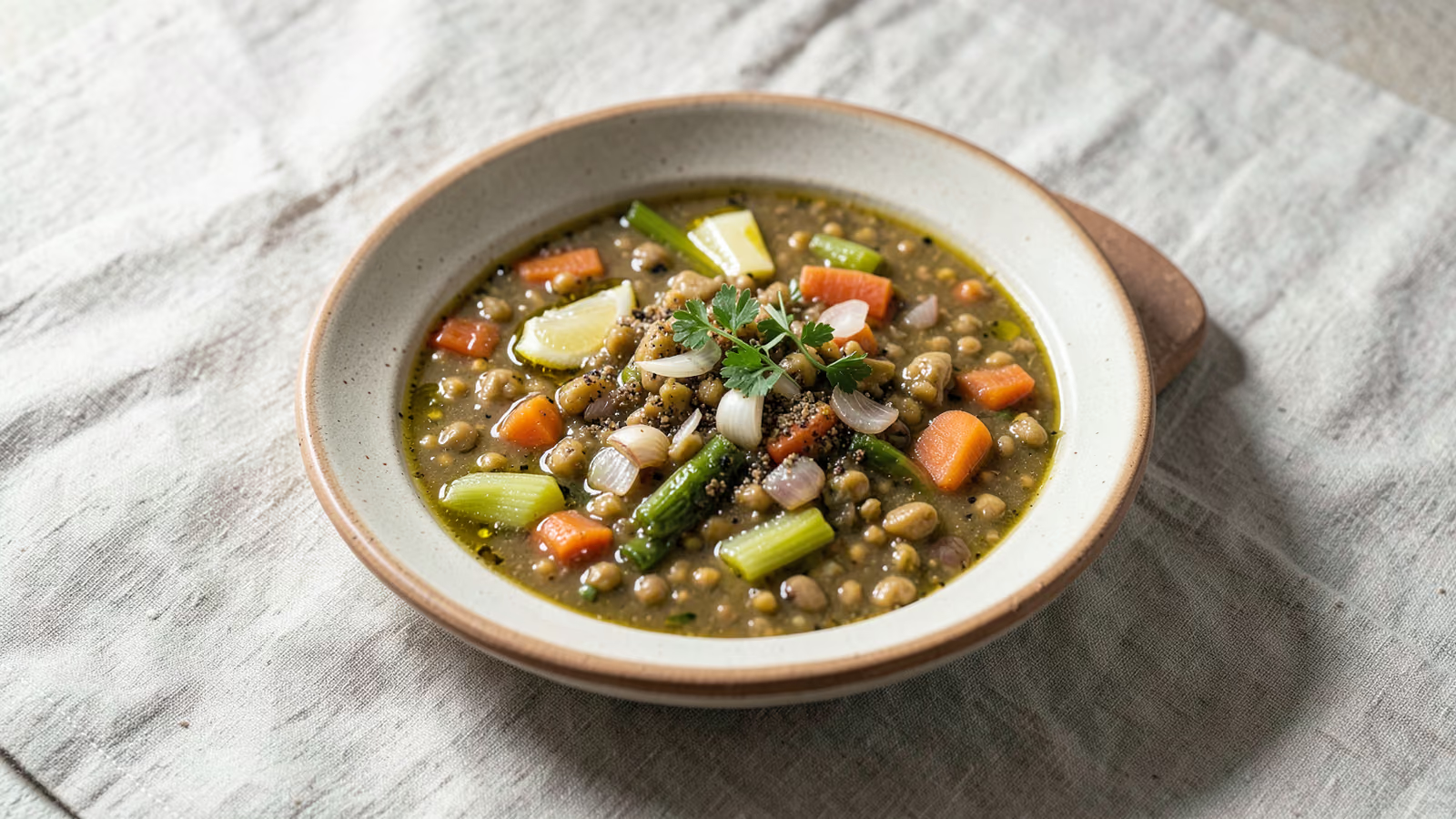
Ethiopian Lentil Stew
Lentils, onion, garlic and ginger go soft in a spiced berbere and tomato broth, then get a squeeze of lemon at the end. 10 minutes to prep, 35 to cook, four bowls.
- Prep
- 10 min
- Cook
- 35 min
- Total
- 45 min
- Serves
- 4
Ingredients
What you’ll need — tap to tick off as you go
- 200 g
- 3 cloves
- 1 tbsp
- 2 tbsp
- 2 tbsp
- 800 ml
- 2 tbsp
- ½ tsp
- ¼ tsp
- 1 tbsp
Process
Timers built in · swap anything · ask as you cook
Rinse the red lentils under cold water until the water runs clear, then drain well.
Heat olive oil in a large pot over medium heat. Add the chopped onion and cook for 5 minutes until soft and translucent.
Add the minced garlic and grated ginger; cook for 1 minute until fragrant.
Stir in the berbere spice blend and tomato paste. Cook for 1–2 minutes, stirring constantly, to toast the spices.
Add the rinsed red lentils and vegetable broth. Bring to a boil, then reduce heat to low, cover, and simmer for 25–30 minutes until the lentils are tender and the stew is thick.
Season with salt and black pepper. Stir in the lemon juice if using. Adjust consistency with a little extra broth or water if needed.
Serve hot with injera or rice.
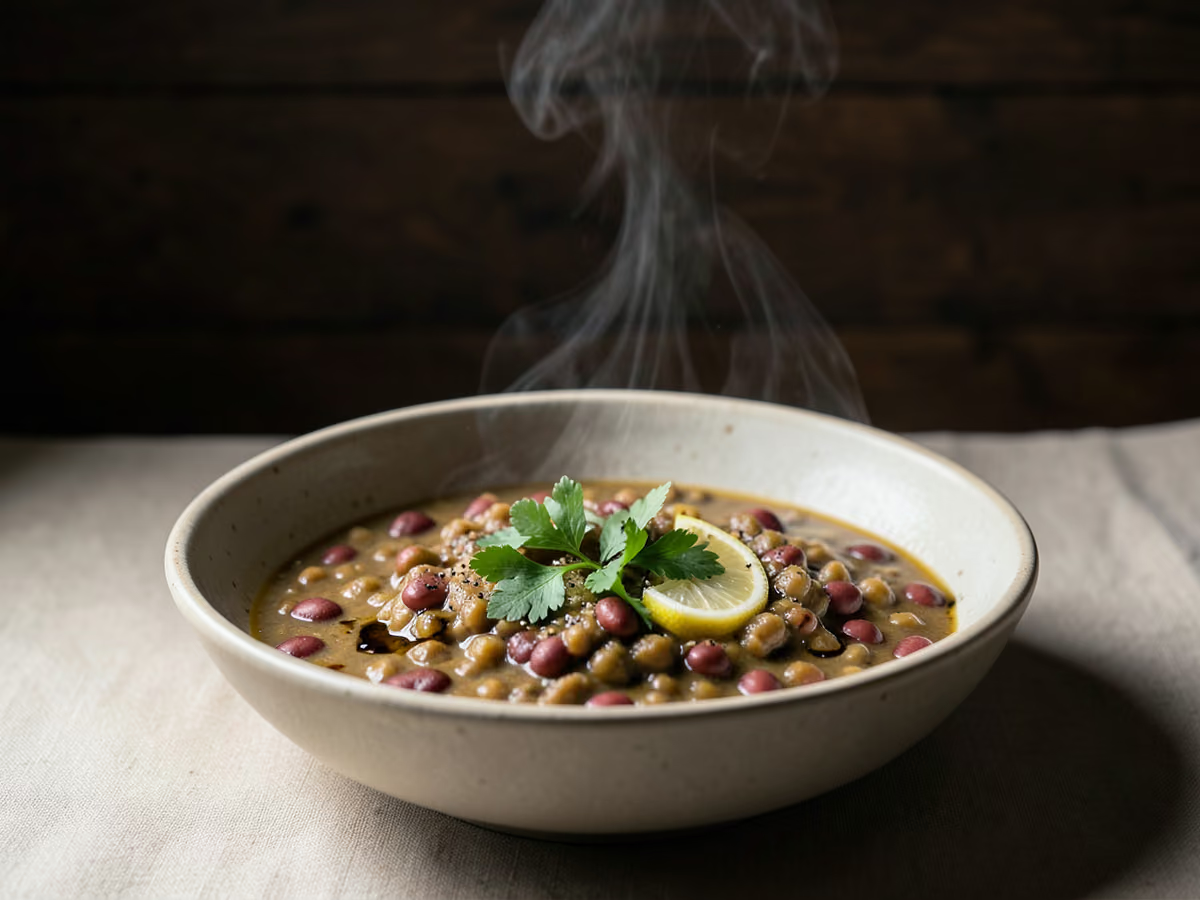
Kitchen notes
Kitchen notes
- The most common mistake is not toasting the berbere and tomato paste; this step deepens the flavor and prevents a raw spice taste.
- Red lentils break down completely, so the stew thickens as it sits. If it becomes too thick, stir in a splash of broth or water.
- Taste and adjust the berbere after cooking, as its heat level varies by brand. Start with less if unsure.
- For a smoother texture, blend a portion of the stew with an immersion blender.
Substitutions
- red lentils→brown or green lentils (increase cooking time by 10-15 minutes)
- vegetable broth→water
- berbere spice blend→a mix of paprika, cayenne, and ground cumin
Storage & reheating
Store in an airtight container in the refrigerator for up to 4 days. Reheat gently on the stovetop over low heat, adding a splash of water or broth if needed. Freeze for up to 3 months; thaw overnight in the refrigerator before reheating.
FAQ
The questions we get asked most
Why is my lentil stew bland?
Blandness usually comes from under-seasoning or not toasting the spices. Make sure you cook the berbere and tomato paste for 1-2 minutes until fragrant, and add salt gradually, tasting as you go. A squeeze of lemon juice at the end brightens the flavors.
Can I use brown or green lentils instead of red?
Yes, but they hold their shape and take longer to cook. Increase the simmering time by 10-15 minutes and add extra broth if needed. The texture will be chunkier rather than creamy.
How do I make it less spicy?
Reduce the amount of berbere to 1 tablespoon or use a mild berbere blend. You can also add a tablespoon of tomato paste or a splash of coconut milk to mellow the heat.
Can I make this stew ahead of time?
Yes, it tastes even better the next day. Cool completely, then refrigerate for up to 4 days. Reheat on the stovetop over low heat, adding water or broth to loosen it.
Can I freeze Ethiopian lentil stew?
Yes, freeze in an airtight container for up to 3 months. Thaw overnight in the refrigerator, then reheat gently on the stovetop. The texture may become slightly softer after freezing.
What can I serve with Ethiopian lentil stew?
Traditionally it is served with injera, a sour fermented flatbread. If you do not have injera, serve with rice, flatbread, or quinoa. A side of sautéed greens or a simple salad works well.
How do I know when the lentils are done?
The lentils should be completely tender and broken down, creating a thick, creamy stew. Taste a spoonful; if the lentils still have a slight bite, simmer for another 5 minutes. The stew will thicken further as it cools.
Ask KitchenMind about this recipe
Tell it what’s different tonight — it works within the actual recipe.