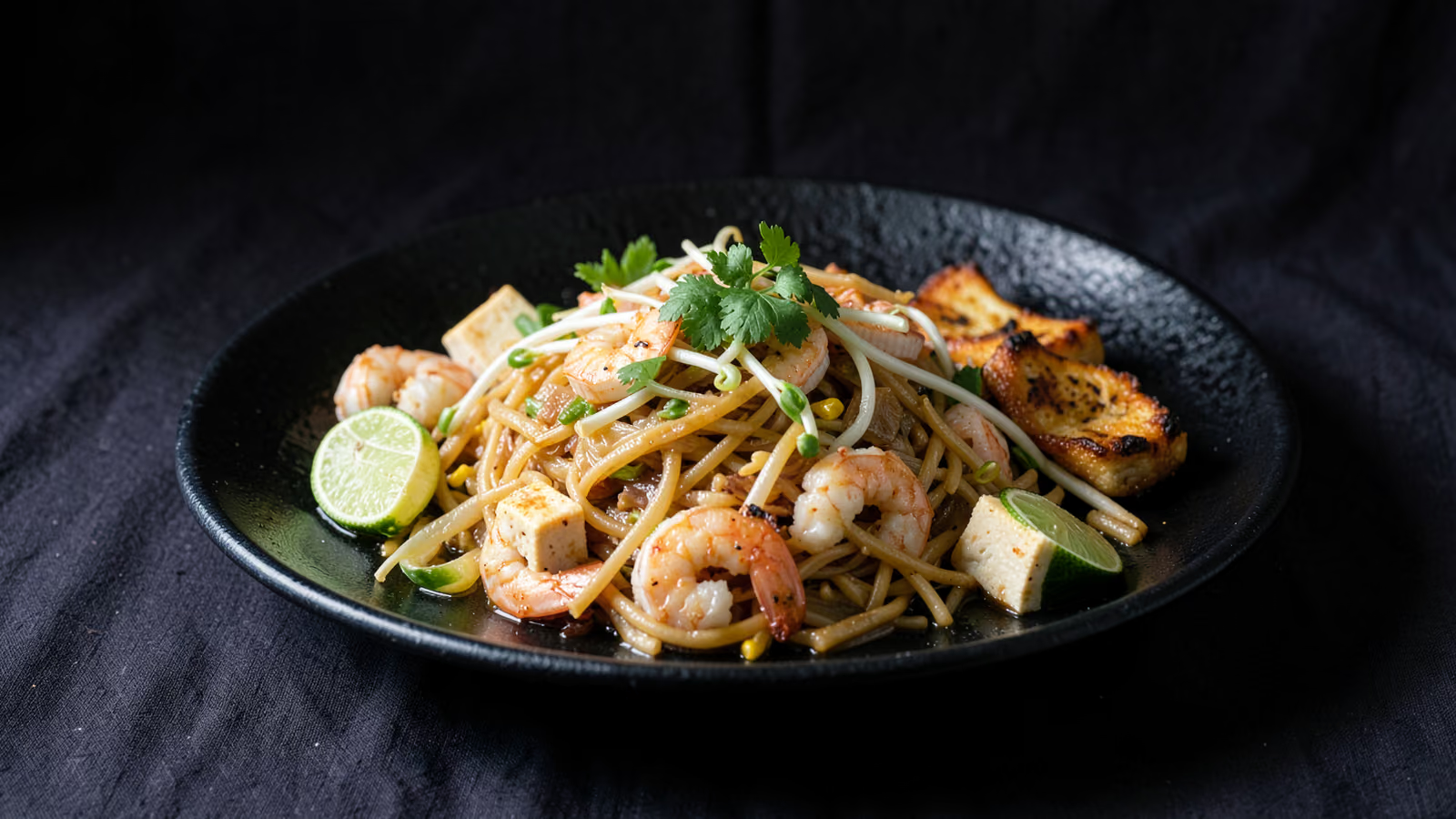
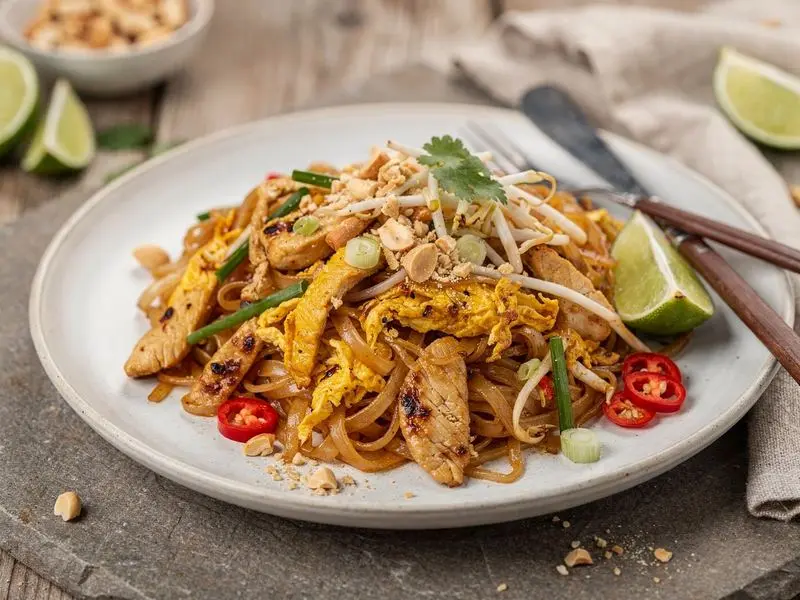
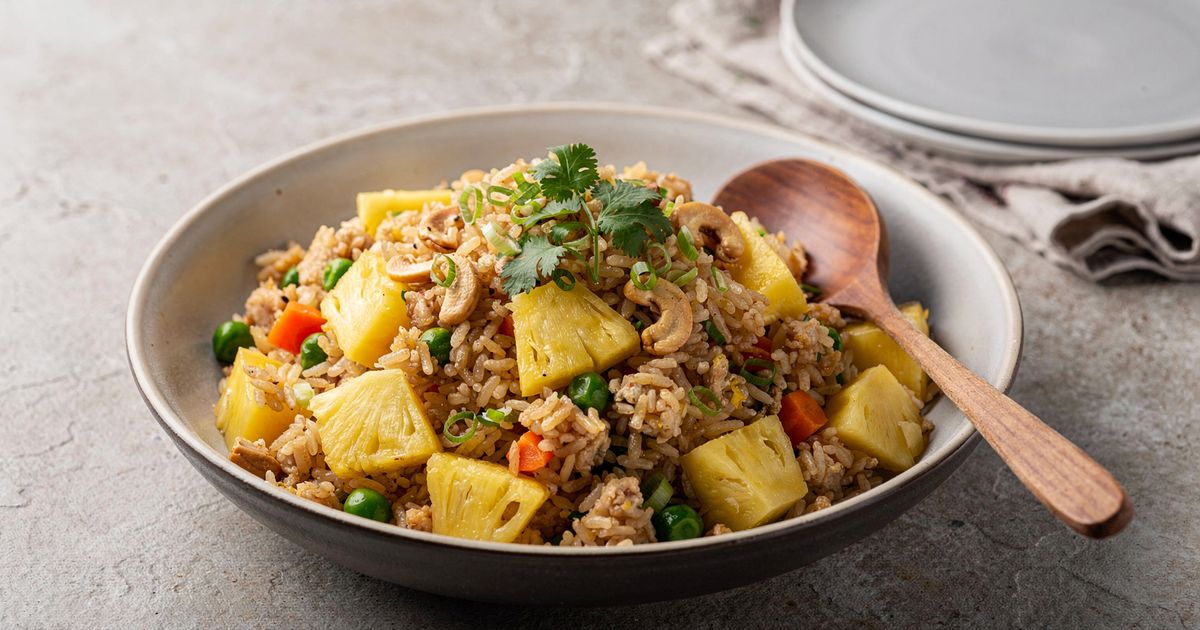
Vegetable Pad Thai
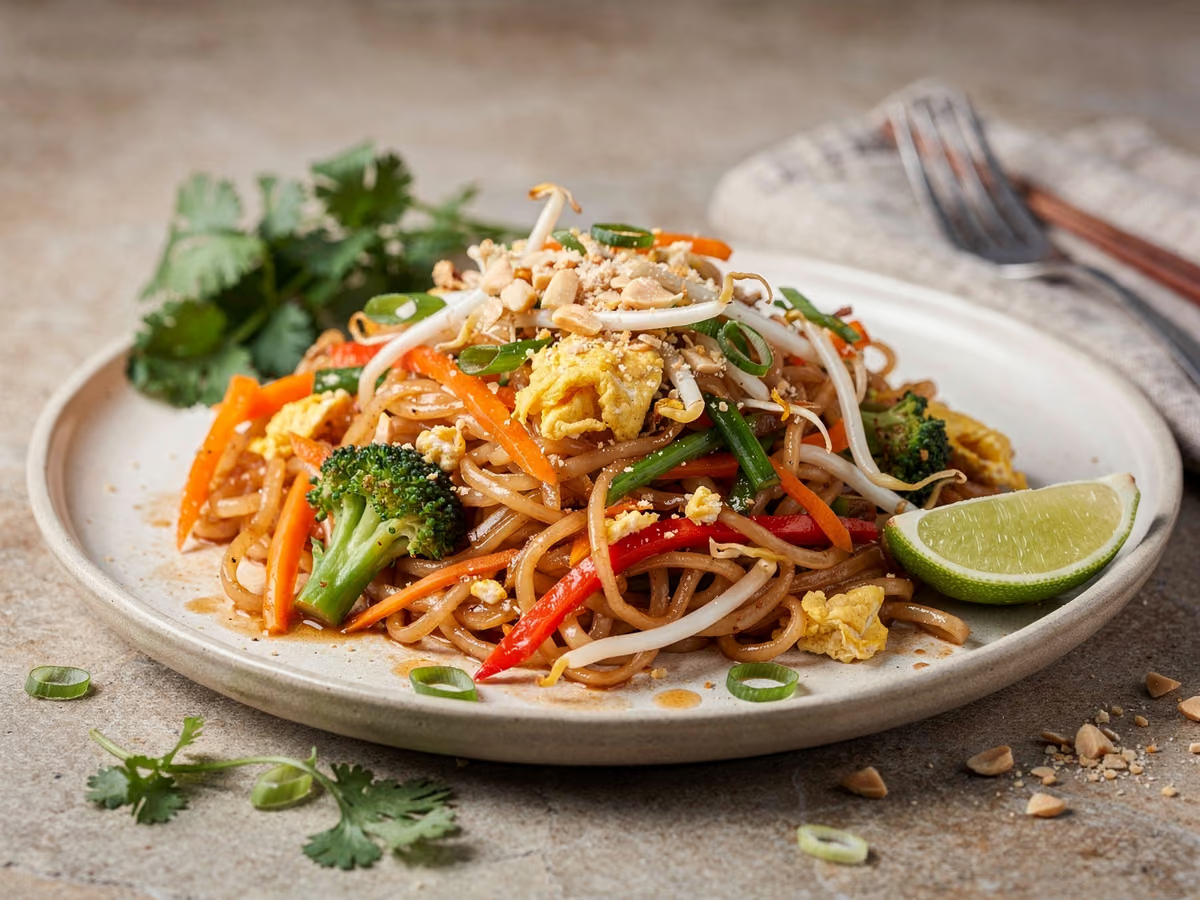
Vegetable Pad Thai is a vegetarian, vegetable-first stir-fry of flat rice noodles in a tangy tamarind-soy sauce balanced with palm sugar and lime, tossed with carrot, red bell pepper, green beans, fresh bean sprouts, scrambled egg and crushed peanuts. The noodles soak for 20 hands-off minutes while you whisk the sauce and cut the vegetables, and the stir-fry itself takes about 15 minutes at the stove: a 30-minute dinner for 4, meat-free and dairy-free by design, and easy to make vegan with one swap.
- Prep
- 15 min
- Cook
- 15 min
- Total
- 50 min
- Additional time
- 20 min
- Serves
- 4
Ingredients
What you’ll need — tap to tick off as you go
- 200 g
- 2 tbsp
- 3 tbsp
- 2 tbsp
- 2 tbsp
- 2 tbsp
- 3 cloves
- 100 g
- 150 g
- 50 g
Process
Timers built in · swap anything · ask as you cook
Tip the 200 g rice noodles into a large bowl, cover with warm water and soak for 20 minutes, until pliable but still firm. Start checking at 15 minutes: a strand should bend without snapping but still feel firm at the core, and waterlogged noodles collapse in the wok. Drain well and let them drip dry while you make the sauce; surface water is what turns the stir-fry to steam.
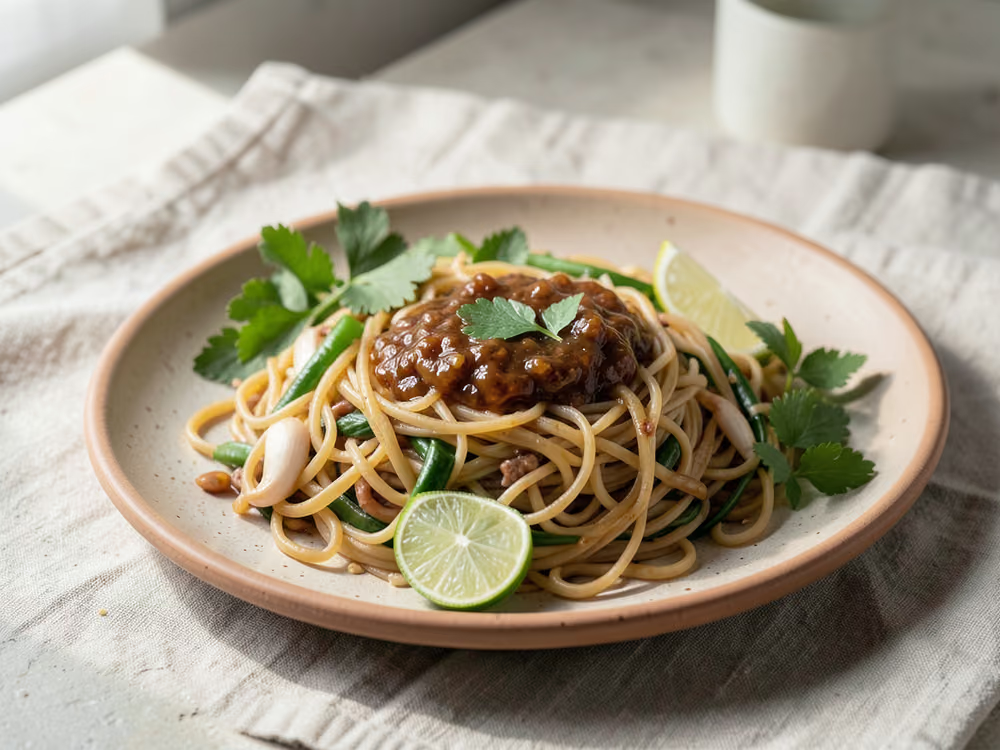
Whisk the 2 tbsp tamarind paste, 3 tbsp soy sauce, 2 tbsp palm sugar and 2 tbsp lime juice in a small bowl until the sugar dissolves completely and the sauce turns smooth and glossy. Rub a drop between your fingers: it should feel slick, not gritty. Undissolved sugar sinks and scorches in the hot wok, and tasting now lets you nudge the balance before the noodles depend on it.
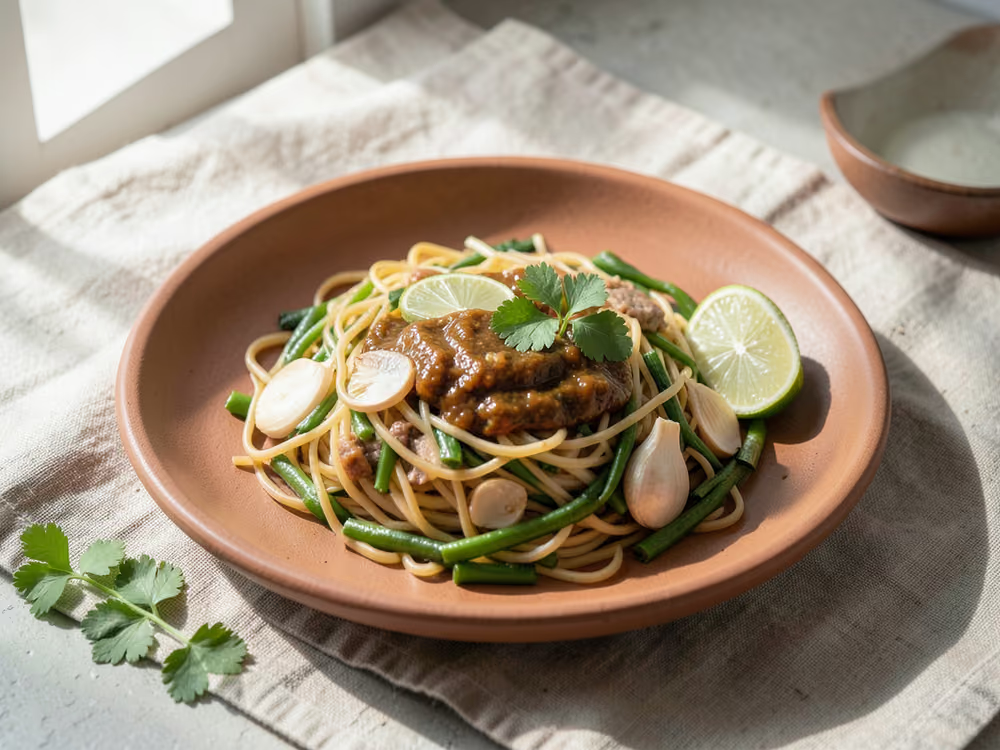
Heat the 2 tbsp vegetable oil in a wok or large skillet over medium-high heat until it shimmers and slides easily, then add the 3 minced garlic cloves. Stir-fry for 15 seconds, just until the garlic smells sweet and sizzles but stays pale; it burns in the time it takes to look away, and burnt garlic is bitter enough to ruin the whole wok.
Add the julienned carrot, the sliced red bell pepper and the 100 g green beans cut into 2 cm pieces. Stir-fry for 2–3 minutes, keeping everything moving so it fries in the oil rather than steams; the vegetables are ready when the carrot is just tender but the pepper and beans still resist a bite. They stay crisp from here, because nothing softens them again.
Push the vegetables to one side of the wok, pour the 2 lightly beaten eggs into the clear space and let them set for a few seconds before scrambling, about 1 minute in total, until set with no runny patches left. Fold them through the vegetables. The hot empty metal sets the egg into soft curds, and cooking it before the noodles go in keeps the pan dry.
Add the drained noodles and pour the sauce over them. Toss constantly for 2–3 minutes, lifting and folding from the bottom with tongs or two spoons; the noodles are ready when they are tender, glossy and have taken up most of the sauce. If the pan looks dry or the strands stay stiff, add a splash of water and keep tossing, because constant motion is what keeps them separate.
Add the 150 g bean sprouts and the 3 sliced spring onions and toss for 1 minute, just until the sprouts are hot and barely wilted but still squeak when bitten. This is a texture step, not a cooking step: any longer and they soften and release water that thins the glaze you have just built.
Take the wok off the heat and serve straight away in warm bowls, scattering the 50 g crushed peanuts over the top and setting the lime wedges, 4 in total, on the side for squeezing at the table. Everything is at its best in these first minutes: the noodles firm and clump as they cool, and the peanuts stay crisp only until they meet the steam.
Why this recipe works
Two decisions carry this dish. The noodles soak in warm water instead of boiling: slow hydration brings them to pliable but still firm, with their surface starch intact, so they finish cooking in the wok and take on sauce rather than shedding starch and gluing into a clump. Then the wok itself: medium-high heat and constant motion flash moisture off the strands so the sauce glazes them instead of steeping them. The sauce is a three-way balance of sour tamarind and lime, salty soy and sweet palm sugar, and every part of it stays adjustable until the moment it hits the pan. Bean sprouts, spring onions and peanuts arrive last so they stay crisp.
Equipment
- Wok or large heavy skillet, wide enough to toss 200 g of noodles without crowding
- Large heatproof bowl for soaking the noodles
- Colander for draining
- Small bowl and whisk or fork for the sauce
- Chef's knife and cutting board
- Measuring spoons
- Heatproof spatula, tongs or two long spoons for tossing
Kitchen notes
Kitchen notes
- Work with the dried flat rice sticks you already have: 3 to 5 mm is the forgiving width for this stir-fry, and thinner strands simply soak faster, so check them early. Fresh vacuum-packed rice noodles are already hydrated and collapse in the wok, so keep them for another dish.
- If the drained noodles feel chalky or the soaking water was very cloudy, rinse them briefly under cold water and drain again: that wash removes loose surface starch before it can act as glue in the pan. A few drops of the vegetable oil tossed through keeps them loose while you finish prepping.
- Match the batch to the pan. This recipe serves 4, and if your wok or skillet is small or your hob modest, stir-fry in two batches so the noodles fry rather than steam; a crowded pan drops in temperature the moment the noodles land.
- Shave or grate hard palm sugar before it goes into the sauce. Solid lumps dissolve slowly against thick tamarind, and any that survive the mixing bowl will scorch against the wok.
- Line everything up before the wok goes on: from garlic to plating is one unbroken stretch of fast work, and the dish gives you no time to chop once the oil is hot. A stir-fry is a sprint, not a simmer.
- Give the noodles 30 seconds alone in the hot pan before the sauce follows. A brief sear dries their surface, which gives the sauce something to grab onto and helps the strands stay separate when it pours in.
Common mistakes
- Mushy, waterlogged noodles: the soak ran long or the water was too hot, so the strands soften past pliable before they ever reach the wok. Soak only until a strand bends without snapping but still feels firm at the core, then drain well; once they are waterlogged, nothing later in the recipe can undo it.
- A sticky brick of noodles: excess surface starch meeting a wok that is not hot enough, so the strands steam and weld together instead of frying. Get the oil properly hot before the garlic, pour the sauce over noodles that are already moving, and keep tossing from the bottom of the pan without long pauses.
- Scorched, bitter garlic: three finely minced cloves catch in seconds over medium-high heat. Give the garlic just 15 seconds, take it only to fragrant and pale, and have the vegetables measured and within reach before it goes in.
- Soggy vegetables and limp sprouts: a crowded pan drops in temperature, and sprouts left in too long give up their water. Keep the firm vegetables to their 2-3 minutes, add the sprouts for the final minute, and if your wok is small, stir-fry in two batches.
- A sauce that is too sour or too flat: tamarind strength swings between brands, and sugar that never fully dissolved hides at the bottom of the bowl. Whisk until no grit remains and taste before the sauce goes in; more palm sugar softens sharp tamarind, and another squeeze of lime lifts a flat mix.
- Noodles that stay stiff and dry: they were under-soaked, or the pan gave up its moisture before the strands turned tender. Add water a splash at a time and toss for another minute; all at once, the same water turns the dish mushy.
Serving suggestions
- Serve straight from the wok into 4 warm bowls, with the crushed peanuts scattered over and the lime wedges on the table rather than squeezed in the kitchen, so each person can sharpen their own bowl.
- Something cool and crisp alongside works better than another hot dish: cucumber slices, a simple cabbage slaw, or a handful of raw bean sprouts piled on the plate.
- Keep the drinks unsweetened and cold, such as iced tea, barley tea or sparkling water with a wedge of lime; the sauce is already sweet-sour and a sweet drink flattens it.
- In a larger spread, cook this last and carry it straight to the table. The noodles lose their gloss within minutes, so it should never be the dish that waits.
Variations
- Vegan version: replace the 2 eggs with about 200 g of firm tofu, crumbled and browned in the empty side of the wok until golden, then fold it through like the egg. The tamarind-soy sauce is already plant-based, so nothing else changes and the plate is vegan rather than the egg version.
- Vegetable-swap version: keep the carrot and bell pepper and trade the 100 g green beans for the same 100 g of snap peas or small broccoli florets; they take the same 2-3 minutes and keep the dish's crunch.
- Hot version: add dried chili flakes or a sliced red chili to the garlic for its last few seconds in the oil, keeping the rest of the dish exactly as written; add heat by the pinch, because the sweet-sour balance is tuned and chili is the only thing that should change.
Refrigerator
- RefrigeratorCool it fast, spread out in a shallow container so it is chilled within the hour, then keep it airtight in the fridge and eat it within 24 hours. Because the dish is built on rice noodles, follow the same caution as cooked rice: a day is the limit here, not the three to four days you might give other leftovers.
- ReheatingReheat only once, until steaming hot all the way through, which is 74°C (165°F) on a food thermometer, in a hot skillet with a splash of water or covered in the microwave, stirring for even heat. Cold rice noodles tighten into a clump, and the pan and splash of water loosen them without turning them to paste.
- FreezingNot recommended. The noodles break down to mush and the crisp vegetables surrender entirely on thawing, so this is one dish that eats better the day it is made; cook what you will finish within 24 hours instead.
- Make aheadMake the sauce and cut the vegetables up to 1 day ahead and keep both covered in the fridge, then soak the noodles and stir-fry fresh at dinner time; that last part cannot be done early. The finished dish itself is not a good make-ahead, because the noodles cling together as they cool and the sprouts lose their snap.
Updated:
How this recipe was developed
- NHS / UK Food Standards Agency home food fact checker on cooked rice: cool within 1 hour, refrigerate, eat within 24 hours, reheat only once and only until steaming hot
- USDA FSIS Leftovers and Food Safety: refrigerate within 2 hours, keep 3-4 days refrigerated or 3-4 months frozen, reheat to 74°C (165°F)
- USDA FSIS Safe Minimum Internal Temperature chart: egg dishes 71°C (160°F)
- BBC Good Food Perfect pad Thai technique guide: soak rice noodles only until bendy but firm, since the wok finishes them, and stir-fry fast, in batches, to keep the pan hot
Editorial references are kept internally for verification. This page makes no claim of external certification or professional testing.
FAQ
The questions we get asked most
Is vegetable pad thai vegan, and can I make it vegan?
As written it is vegetarian, not vegan, because the 2 eggs are scrambled into the wok. The sauce itself is already plant-based, made from tamarind, soy sauce, palm sugar and lime, so to make the dish vegan, leave the eggs out and crumble about 200 g of firm tofu into the empty side of the wok, browning it until golden before you fold it through.
What sauce is used in vegetable pad thai?
This version uses a vegetarian tamarind-soy sauce: 2 tbsp tamarind paste, 3 tbsp soy sauce, 2 tbsp palm sugar and 2 tbsp lime juice, whisked together with no fish sauce. The tamarind carries the sourness, soy the salt, palm sugar the caramel roundness, and lime keeps the whole thing bright; taste it before it goes in, because tamarind brands vary in strength.
What vegetables go in vegetable pad thai?
Here the wok holds 1 julienned carrot, 1 thinly sliced red bell pepper, 100 g green beans cut into 2 cm pieces, 150 g fresh bean sprouts and 3 sliced spring onions. The carrot, pepper and beans stir-fry first because they need the full 2-3 minutes; the sprouts and spring onions go in for the final minute to stay crisp. Snap peas, broccoli florets or mushrooms can stand in for the green beans.
Why did my vegetable pad thai noodles turn out mushy or sticky?
Both faults come down to water and starch. Noodles soaked too long, or in water that was too hot, are waterlogged and shed surface starch that glues the strands together; and a wok that is not properly hot lets them steam instead of fry. Keep to the 20-minute warm soak, drain well, heat the wok before the oil goes in, and keep the noodles moving from the moment the sauce hits them.
Can I add tofu or eggs to vegetable pad thai?
The recipe already scrambles in the 2 eggs, so eggs are on the plate unless you are making it vegan. For a heartier dish, add firm tofu as well: crumble about 200 g into the wok after the garlic and fry it until golden before the vegetables follow, then continue with the recipe; the tofu takes the sauce beautifully, and the eggs can stay or go.
Can I make vegetable pad thai ahead of time?
Partly. The sauce can be whisked and the vegetables cut up to 1 day ahead and kept covered in the fridge; then the noodles soak and the whole thing stir-fries fresh in about 15 minutes at the end. The finished dish is not a good make-ahead, because the noodles clump as they cool, so if you reheat leftovers at all, do it once, until steaming hot.
Is vegetable pad thai gluten-free?
Not automatically, even though rice noodles are naturally gluten-free, because regular soy sauce is usually brewed with wheat. Swap the 3 tbsp soy sauce for tamari or a certified gluten-free soy sauce, and the dish becomes gluten-free; the remaining ingredients, tamarind, palm sugar, lime, vegetables, eggs and peanuts, are naturally gluten-free.
Ask KitchenMind about this recipe
Tell it what’s different tonight — it works within the actual recipe.