- Prep
- 20 min
- Cook
- 15 min
- Total
- 35 min
- Serves
- 2
Ingredients
What you’ll need — tap to tick off as you go
- 150 g
- 200 g
- 100 g
- 100 g
- 30 g
- 2 tbsp
- 2 tbsp
- 1 tbsp
- 1 tbsp
- 3 tbsp
- 2 cloves
- 1 tbsp
- 3 tbsp
- 1 tsp
Process
Timers built in · swap anything · ask as you cook
Soak the flat rice noodles in warm water for 30 minutes until pliable, then drain and set aside.
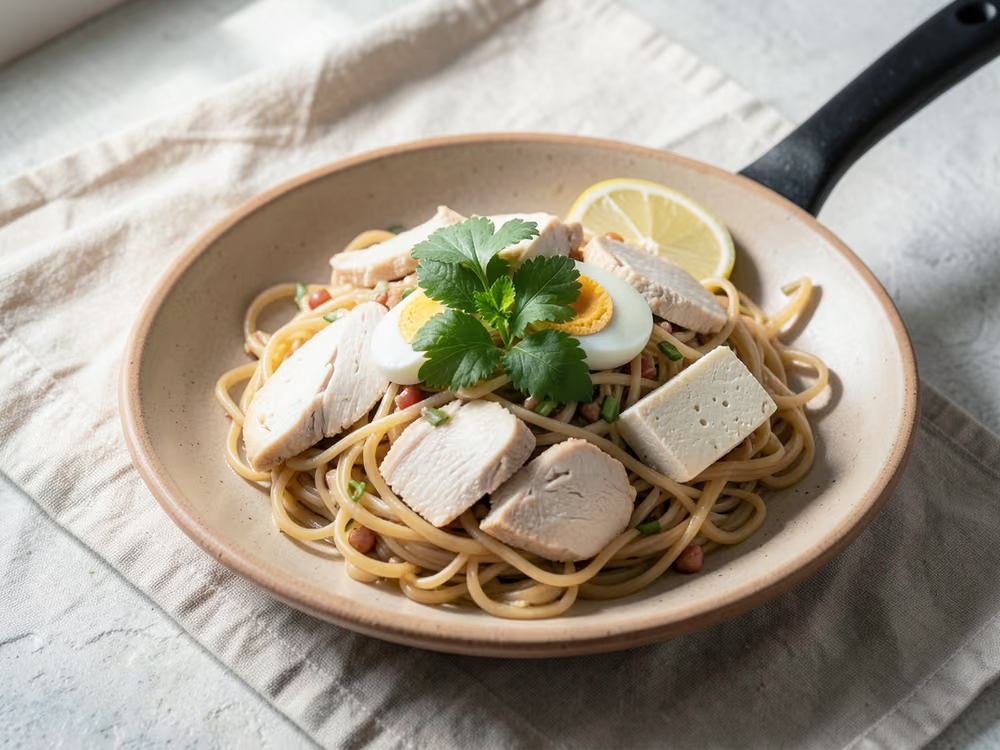
In a small bowl, mix the tamarind paste with 3 tbsp warm water, then add the fish sauce, palm sugar, and soy sauce. Stir until the sugar dissolves to make the sauce.
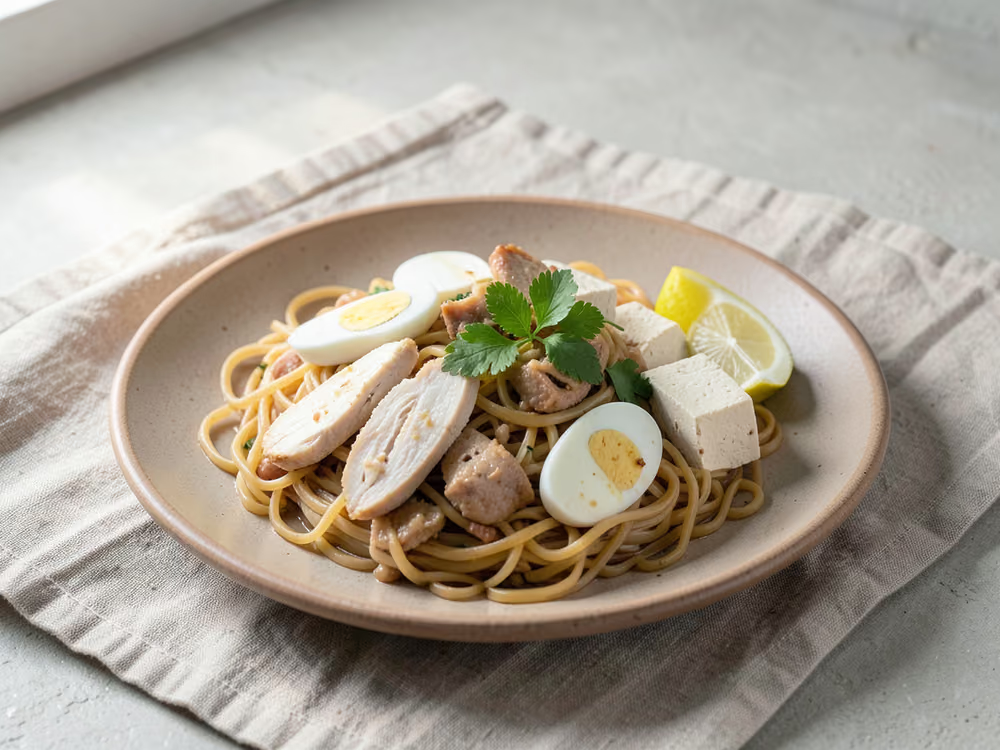
Heat 2 tbsp of vegetable oil in a wok or large skillet over high heat. Add the chicken breast strips and stir-fry until they are just cooked through, about 3 minutes. Remove the chicken from the wok and set aside.
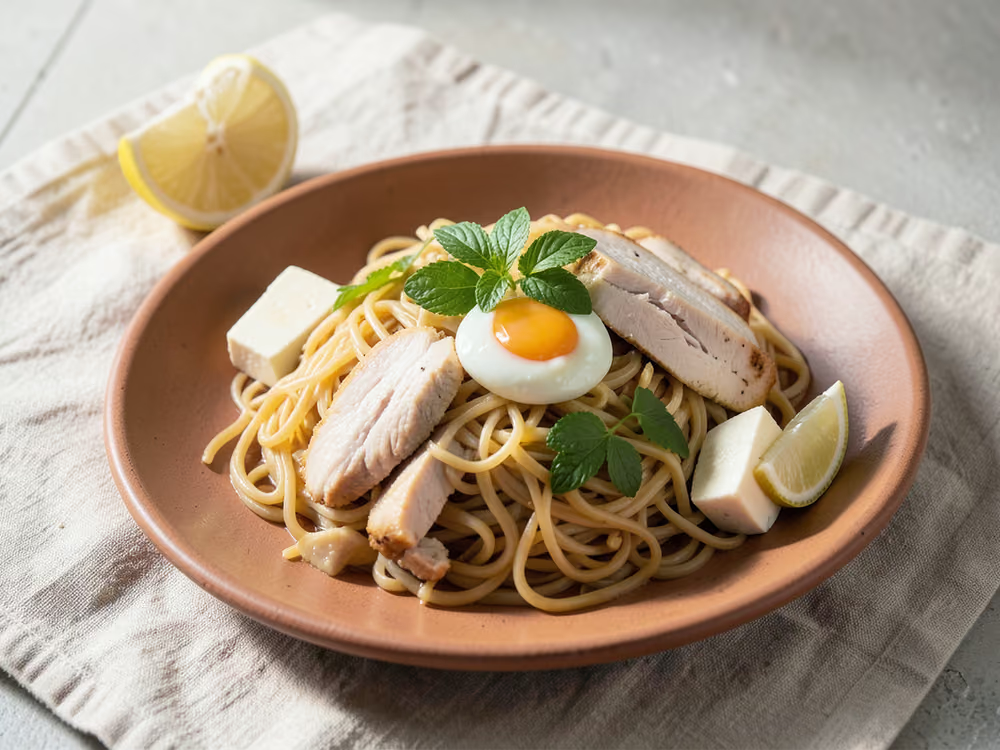
Add the remaining 1 tbsp of vegetable oil to the wok. Add the garlic and shallots, and stir-fry for 30 seconds until fragrant.
Push the garlic and shallots to one side of the wok. Crack the eggs into the empty space and scramble them quickly until they are just set.
Add the firm tofu cubes and dried shrimp (if using) to the wok, and stir-fry for 1 minute.
Add the drained rice noodles and the prepared sauce. Toss everything together over high heat, using a spatula to lift and turn the noodles until they are well coated and slightly charred, about 2 minutes.
Return the cooked chicken to the wok, along with the bean sprouts and garlic chives. Toss for another minute until the vegetables are slightly wilted but still crisp.
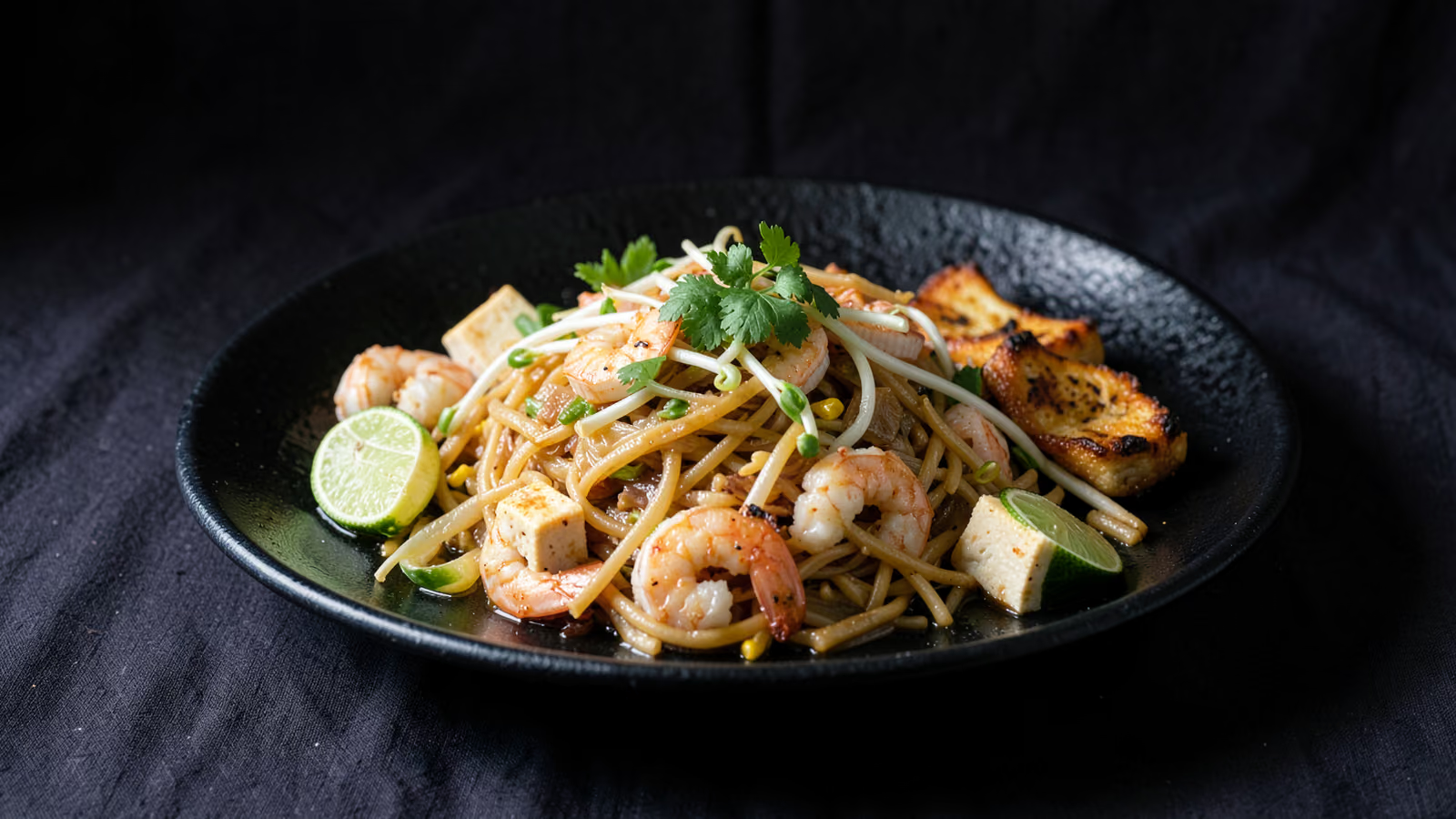
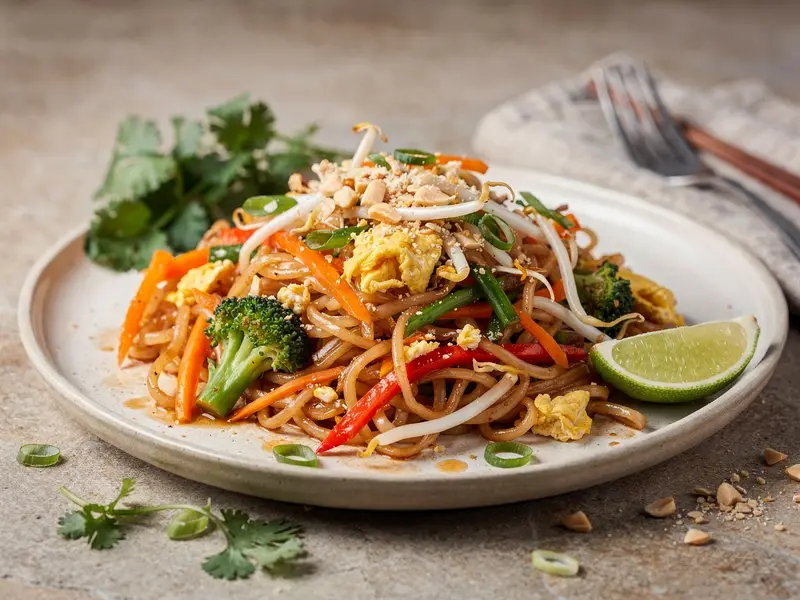
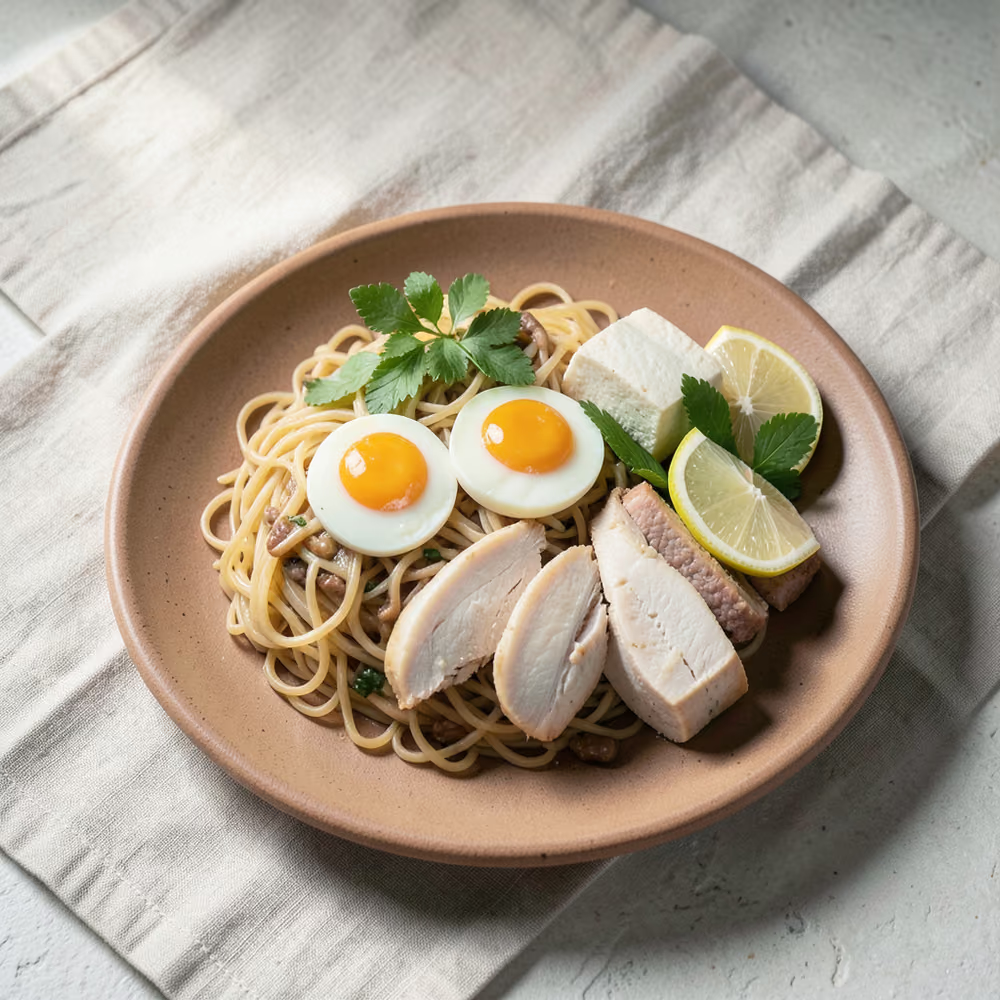
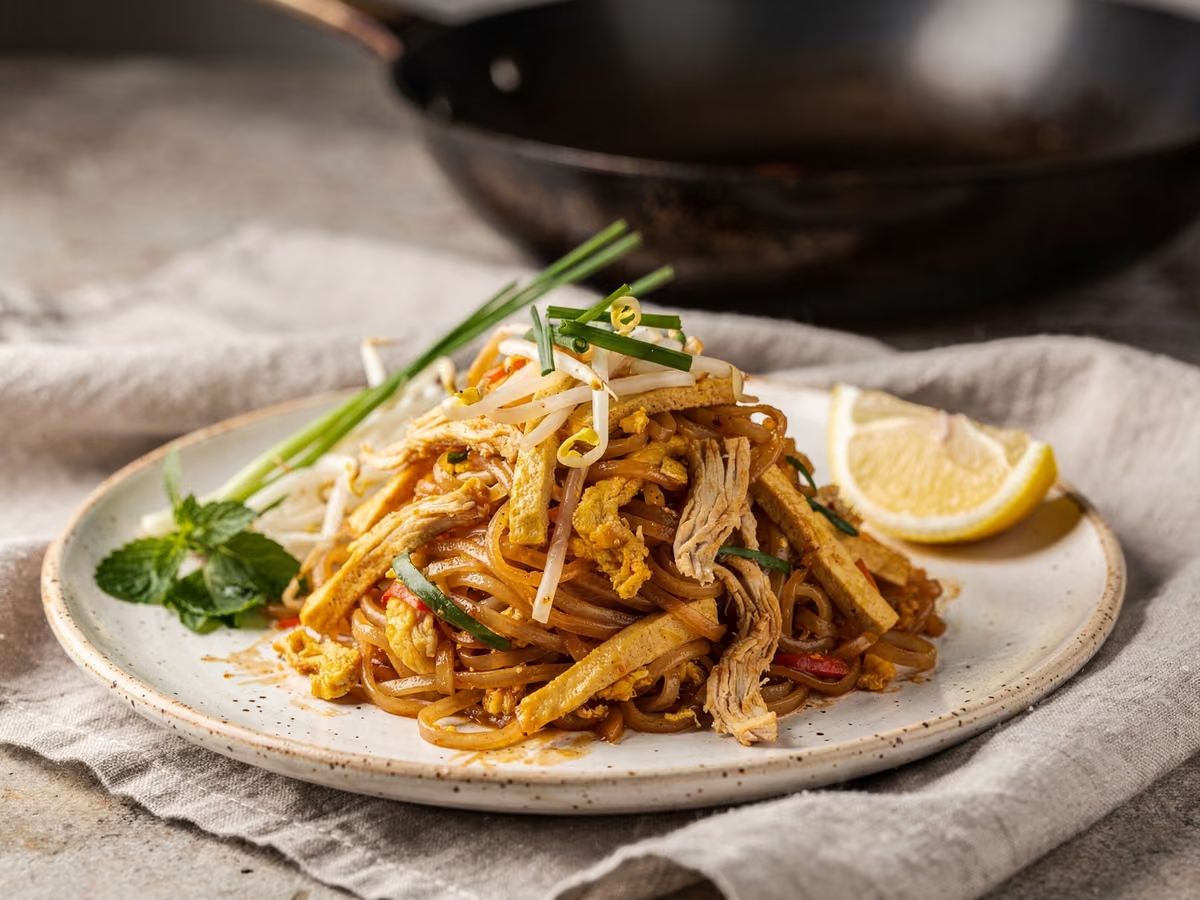
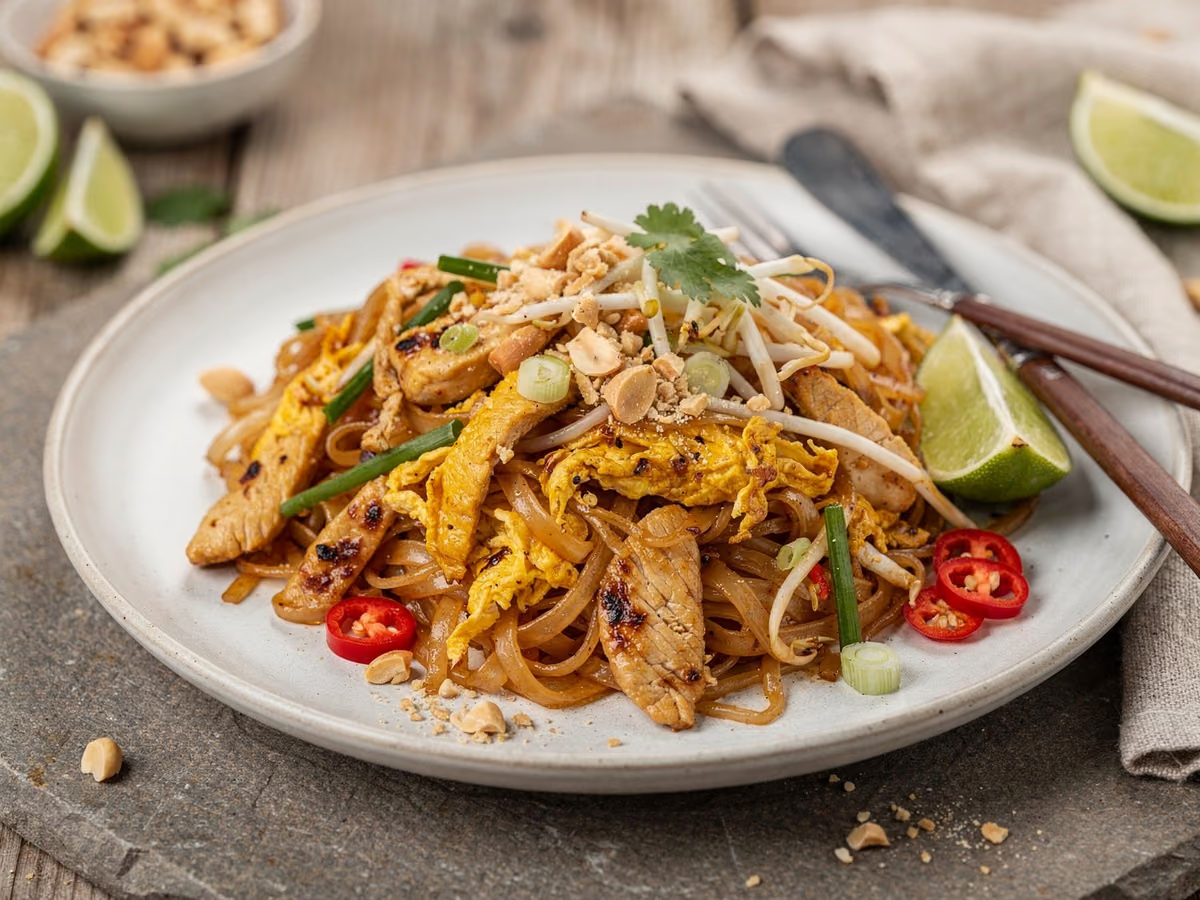
Transfer the pad thai to serving plates. Sprinkle with the roasted peanuts and serve immediately with lime wedges and chili flakes on the side.
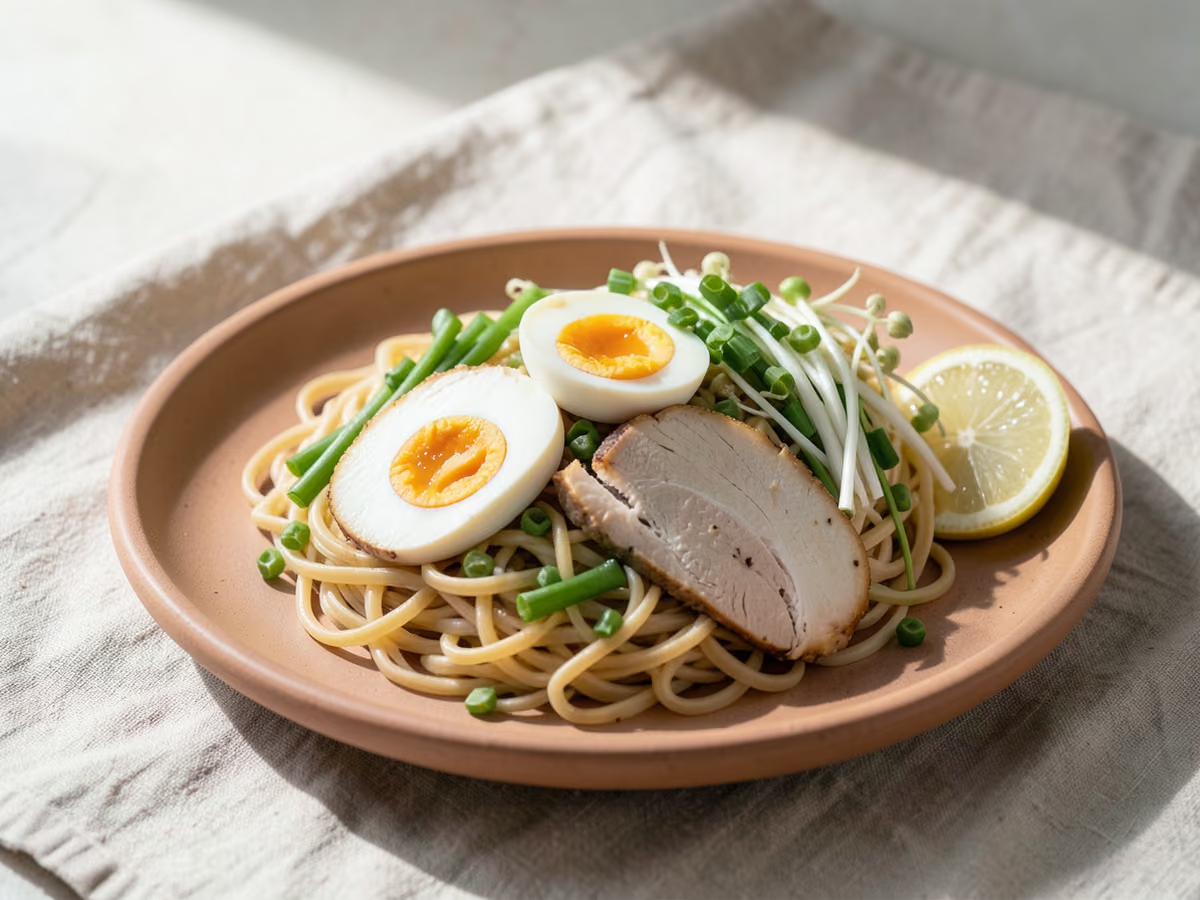
Kitchen notes
Kitchen notes
- The most common mistake is soaking the noodles too long or in hot water: 30 minutes in warm water only, until they bend without snapping but still have a firm core, or they turn to mush in the wok.
- Cook the noodles over the highest heat your stove gives and toss constantly for the full 2 minutes; the noodles are done when they are coated, glossy, and a few edges pick up light char, not when they are soft.
- Have every ingredient chopped, mixed, and within arm's reach before the wok goes on, because from the first garlic clove to serving is under 6 minutes and there is no time to chop mid-cook.
- Add the bean sprouts and garlic chives in the final minute only; if they sit in the wok longer they release water and make the noodles soggy instead of crisp-tender.
Substitutions
- tamarind paste→1.5 tbsp lime juice mixed with 1 tsp brown sugar
- fish sauce→light soy sauce plus a pinch of salt for a vegetarian version
- palm sugar→an equal amount of light brown sugar
- dried shrimp→an extra 50 g of firm tofu, or omit entirely
Storage & reheating
Keep leftovers in an airtight container in the fridge for up to 3 days; the noodles soften as they sit, so this dish is best eaten fresh. Freezing is not recommended because the rice noodles and bean sprouts turn mushy on thawing. To reheat, warm in a lightly oiled wok or skillet over medium-high heat for 3 to 4 minutes, tossing constantly, or microwave covered at 700 W for 90 seconds, adding a teaspoon of water to loosen the noodles.
Gallery
FAQ
The questions we get asked most
Why did my pad thai turn out mushy and sticky?
The noodles were almost certainly soaked too long or in water that was too hot, so they absorbed too much liquid before hitting the wok. Soak 30 minutes in warm water only, drain very well, and cook over high heat so the noodles fry rather than steam. Adding the sauce all at once to a cool wok also steams them, so let the wok get properly hot first.
Can I make pad thai ahead of time?
You can soak and drain the noodles, slice the chicken, and mix the tamarind sauce up to 24 hours ahead, storing each separately in the fridge. The actual stir-fry must be done just before serving, because it takes under 10 minutes and the noodles lose their texture quickly. Reheating a fully cooked batch is possible but the result is noticeably softer.
How do I know when the chicken and noodles are done?
The chicken strips are done when they are opaque all the way through and firm to the touch, about 3 minutes over high heat, with no pink at the centre. The noodles are done when they are pliable, glossy, and coated in sauce with a few lightly charred edges, after roughly 2 minutes of tossing. If the noodles still taste chalky in the middle, add a splash of water and toss another minute.
Can I use a different noodle if I do not have flat rice noodles?
Wide flat rice noodles are what make pad thai, so substitute another flat rice noodle of similar width rather than wheat noodles or spaghetti. If you only have thin rice vermicelli, soak them for just 10 to 15 minutes because they soften far faster. Do not use egg noodles, as they have a completely different chew and will not take on the tamarind sauce the same way.
Why is my pad thai dry or lacking flavour?
The sauce is probably under-seasoned or was not tossed through every strand; taste the mixed sauce before it goes in and adjust with a little more fish sauce for salt or palm sugar for balance. Dryness usually means too little sauce for the noodle volume or too long over high heat, so add 1 to 2 tbsp warm water with the sauce if the noodles look parched. Serve with lime wedges, since a squeeze of lime at the table lifts the whole dish.
Can I use canned or frozen ingredients for this recipe?
Frozen chicken breast works fine once fully thawed and patted dry, and frozen bean sprouts can be used but should be drained well and added only in the last 30 seconds. Canned bamboo or extra tofu is fine, but avoid canned bean sprouts because they are too soft and watery. Dried shrimp is already a pantry item and keeps for months in an airtight jar.
Ask KitchenMind about this recipe
Tell it what’s different tonight — it works within the actual recipe.