Thareed Bread Stew
Thareed — also spelled tharid — is an ancient dish of the Arabian Peninsula: a lamb, chickpea and vegetable stew ladled hot over torn flatbread until the bread drinks the broth and softens beneath it. The bread stays at the center of the plate, and the pot runs dairy-free as written. Lamb shoulder simmers to fork-tenderness in a spiced tomato broth; day-old flatbread is toasted crisp first so it soaks without collapsing. Expect 20 minutes of prep and 90 minutes of mostly unattended simmering for six ample servings.
- Prep
- 20 min
- Cook
- 90 min
- Total
- 110 min
- Serves
- 6
Ingredients
What you’ll need — tap to tick off as you go
- 800 g
- 4 cloves
- 2 tbsp
- 1 tsp
- 1 tsp
- ½ tsp
- ½ tsp
- 1 ½ tsp
- ½ tsp
- 400 g
- 400 g
- 1 l
- 2 tbsp
- 2 tbsp
Process
Timers built in · swap anything · ask as you cook
Warm the 2 tbsp olive oil in a wide, heavy pot over medium heat, add the chopped onion and cook for about 5 minutes, until soft and translucent with no color. Stir in the 4 minced garlic cloves for just 1 minute — garlic turns bitter fast at this heat. Keep the heat moderate: the onion is building sweetness for the tomato base, and browning now would darken the broth more than this dish wants.
Brown the 800 g lamb cubes in a single layer, turning each only when it releases on its own — about 6–8 minutes for all sides; work in batches when crowded, so every piece sears instead of steaming. Add the 2 tbsp tomato paste, then the spices — 1 tsp each of ground cumin and ground coriander, 0.5 tsp ground cinnamon, 0.5 tsp turmeric, 1.5 tsp salt and 0.5 tsp black pepper — and fry for 2 minutes, until the paste darkens and the spices toast.
Pour in the 400 g canned chopped tomatoes and the 1 l beef broth, then scrape the pot base to lift the browned bits. Bring to a boil, then drop the heat, cover, and let the pot bubble gently for 45 minutes, until a fork yields easily in the lamb and the cubes still hold their shape. The lid keeps the liquid from reducing away while the gentle heat softens the meat.
Add the 2 carrots, 2 potatoes and 1 zucchini, pressing them down into the broth, and simmer covered for 20 minutes, until a knife slides into the carrot and potato with no resistance and the zucchini is just tender. Keep the pieces as large as the recipe cuts them so nothing collapses into the sauce.
Stir in the 400 g drained and rinsed chickpeas and simmer for 5 minutes to heat them through, then taste and adjust the salt — canned chickpeas, tomatoes and a pot that has simmered down all bring salt of their own. The stew should look a touch thin at this stage; the bread will drink that broth and thicken the bowls.
While the stew simmers, toast the bread: the 4 large torn pieces go into a dry skillet set over medium heat, turning them until crisp and golden at the edges — or onto a baking sheet at 180°C for 5–7 minutes. Toasting drives off moisture, which is what lets the bread soak up broth later without turning to paste.
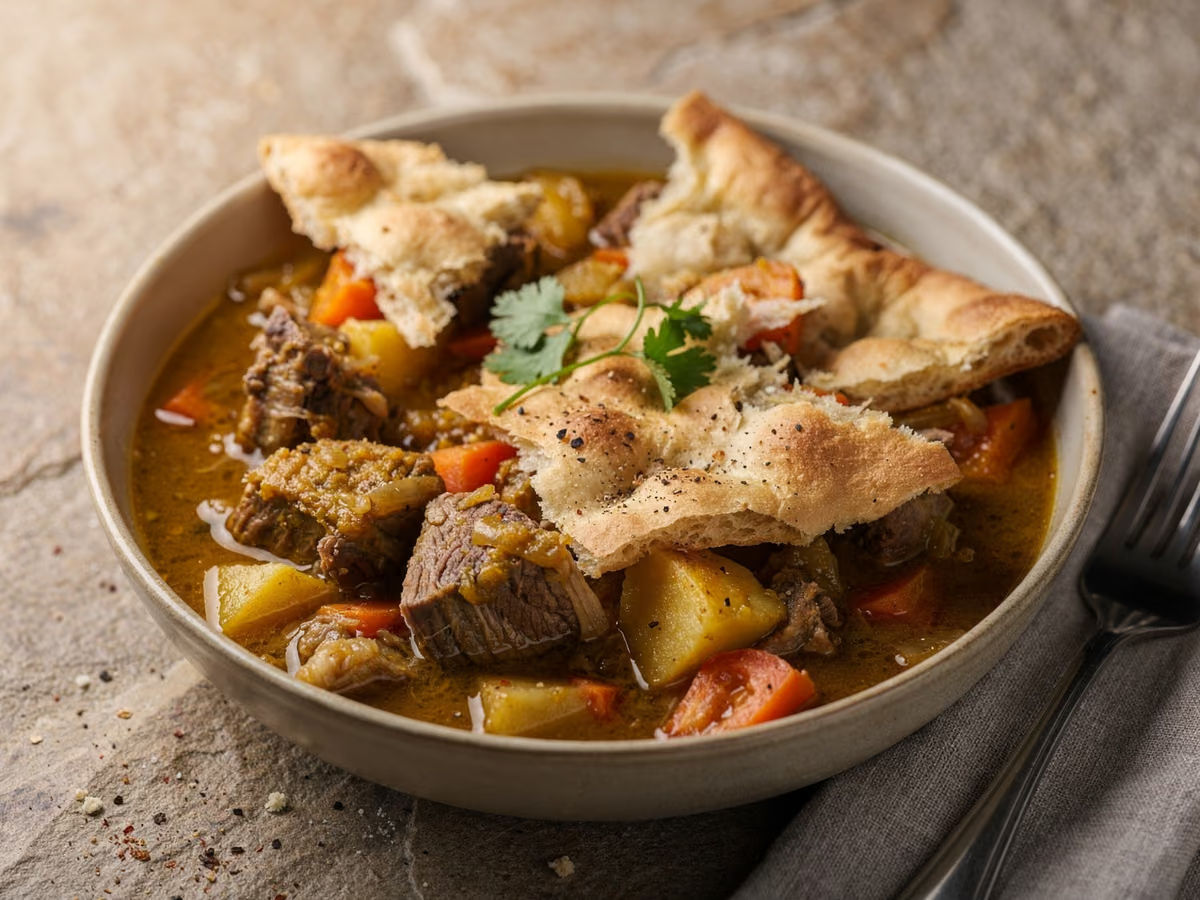
To serve, lay the toasted flatbread across the bottom of deep bowls and ladle the hot stew over it, making sure every piece of bread gets submerged in broth. Let the bowls stand for 2–3 minutes so the bread drinks and softens, then scatter over the chopped parsley, if using, and eat before the toast loses its remaining bite.
Why this recipe works
Three moves make thareed taste like thareed. Searing the lamb first builds the roasted base of the broth, and frying the tomato paste and the ground spices in hot fat for 2 minutes draws out the aromatics that water alone cannot. The covered simmer then does its quiet work: gentle heat converts the shoulder's collagen into gelatin, which gives the broth its body and the lamb its fork-tender texture; a rolling boil works against that, seizing the muscle instead. Finally, the bread: day-old flatbread toasted until crisp soaks up broth like a sponge without collapsing, and the starch it releases thickens the stew as it drinks.
Equipment
- Large heavy pot with a tight-fitting lid, 5 l or so
- Chef's knife and cutting board
- Sturdy spoon or spatula for the long simmer
- Dry skillet, for toasting the flatbread
- Rimmed baking sheet, if you toast the bread in the oven
- Colander, for rinsing the canned chickpeas
- Measuring jug and spoons
- Food thermometer, for reheating checks
Kitchen notes
Kitchen notes
- Give each lamb cube a full minute of stillness before turning it: the crust comes from contact with the hot pot, and cubes that are constantly moved never develop it.
- Toast the bread until it snaps when you break a piece, not merely until it colors; dryness buys the bread its soaking window, and color alone does not.
- Hold the salt until the chickpeas are in: they carry plenty of their own from the can, and seasoning early makes an oversalted pot hard to walk back.
- Assemble late: hold the toasted bread in a basket and the stew on a low flame, then build the bowls when everyone is seated — the toast-to-broth contact needs to be short.
- Warm the serving bowls before the bread goes in; a hot bowl keeps the first spoonful as steamy as the last.
Common mistakes
- Bread that slumps into paste: fresh bread, or a bowl put together too early, gives the toast no structure to hold. Use day-old flatbread toasted until crisp — the drier it starts, the longer it soaks before breaking down — and keep the bread out of the pot entirely.
- A pot that cooks down too far: the lid spent too long off, or the broth ran shy from the start, and there is nothing left for the bread to drink. Check the level before serving and loosen a tight stew with a splash of hot water; the stew should always look a little brothy.
- Lamb that stays tough at the 45-minute mark: a hard boil tightens the muscle fibers before the heat can soften them. Hold the pot at a lazy simmer, and if the fork still feels pushback, give the cubes another 10-15 minutes, then test again before the vegetables join the pot.
- Vegetables that fall apart: pieces cut too small for a 20-minute simmer dissolve into the broth. Keep the carrot rounds, potato chunks and zucchini as large as the recipe describes, and pull the pot off the heat as soon as a knife slides in with no pushback.
- A broth that tastes flat: the spices never got their 2 minutes in hot fat — unbloomed cumin and coriander stay dusty — or the salt went in too early for a pot that still had reducing to do. Toast the spices until they smell warm and nutty, and save the final seasoning for the end.
Serving suggestions
- Serve in deep individual bowls with the toasted bread down first and the stew ladled over; it is at its best in the first few minutes, while the broth is steaming and the toast still has some structure.
- Set the table with lemon wedges and a dish of sliced pickles — the sharp tang is what Gulf tables reach for against the lamb's richness — plus a jug of hot broth, since the bread keeps drinking as the meal goes on.
- This is a centerpiece dish, an iftar staple in the Gulf and a warming main anywhere; serve it as the main event rather than a side.
- Keep the drinks simple: hot mint tea or cardamom coffee to finish, or cold sparkling water with lime alongside.
Variations
- Layered platter for a crowd: build the soaked bread in two or three layers on one deep platter, moistening each with hot broth before the next goes down, then spoon the lamb and vegetables over the top.
- Extra vegetables: green beans, eggplant or bell peppers, cut to the same generous size. Add sturdy ones with the carrots and potatoes, and quick-cooking ones for the last 10 minutes.
- Dried lime accent: crack one or two dried limes and add them with the tomatoes and broth, the traditional Gulf way; fish them out before serving, or press one against the pot for a tangier broth.
- Chile heat: a chopped green chile or a dried red chile added with the garlic — a common home variation that leaves a warm hum behind the spices without overwhelming them.
Refrigerator
- RefrigeratorSpread the stew in shallow containers so it cools fast, then cover and chill for up to 3 days. Store the stew and the toasted bread separately when you can: bread that sits in the broth softens quickly, and both keep better apart.
- ReheatingSet it over medium-low heat and bring it back slowly to a steam, stirring in a little hot broth or water if it looks thick; it is ready when a food thermometer reads 74°C (the USDA FSIS reheat target for leftovers). Microwave single bowls, but the stovetop is kinder to the vegetables.
- FreezingThe finished dish does not freeze well: the bread turns mushy on thawing. Freeze the stew on its own, though — up to 2 months — cooling it fast, thawing overnight in the refrigerator, and toasting fresh bread when you reheat it.
- Make aheadThe stew can be made up to 2 days in advance: cool it quickly, refrigerate, then reheat gently and toast the bread only at the end, so the bowls get bread at its crispest. It also tastes deeper on day two, as the spices settle into the meat — no compromise, if the bread is fresh.
Updated:
How this recipe was developed
- USDA FSIS Safe Minimum Internal Temperature Chart (lamb steaks, chops and roasts to 63°C with a 3-minute rest; leftovers reheated to 74°C)
- USDA FSIS, Leftovers and Food Safety and Lamb From Farm to Table (refrigerate cooked food within 2 hours; eat cooked lamb within 3-4 days; ready-prepared lamb dishes freeze well for 2-3 months)
- The National (UAE) with Table Tales — chef Ali Al Neyadi's thareed recipe (regag is a thin, crisp cracker-like bread; thareed is a main dish at every Emirati Ramadan table; the moist bread and warm broth are the comfort of the dish)
- Anissa Helou, tharid features for Saveur and the Los Angeles Times (bread is a substantial part of the dish; thin flatbread toasted completely crisp then moistened in layers with plenty of broth; extra liquid served on the side)
Editorial references are kept internally for verification. This page makes no claim of external certification or professional testing.
FAQ
The questions we get asked most
Can I make thareed ahead of time?
Yes. The stew can be made up to 2 days ahead and refrigerated; reheat it gently with a splash of broth to loosen. Leave the bread until the last moment — toast it and build the bowls just before you eat, or the batch that waits will soak up the broth and go soft.
Why did my thareed turn out dry?
The bread drinks more broth than you expect, so the pot needs liquid to spare. Simmer covered with the full 1 l from the start, then bring extra hot broth to the table — a bowl that sits for ten minutes tightens as the bread keeps soaking.
How do I know when the lamb is tender?
Use a fork, not the clock. The cubes are ready when it slides in with almost no resistance and the meat still holds its shape on the prongs; at a gentle simmer, 2-inch shoulder cubes usually get there in about 45 minutes. For safety, lamb should pass 63°C at the center, which a simmering pot clears well before the meat turns tender.
Can I use a different type of meat?
Yes. Beef chuck is the usual stand-in for the 800 g of lamb and may need a little longer to turn tender; goat shoulder is traditional across the Gulf and behaves much like lamb. Keep the cubes at 2 inches and brown whichever meat you choose the same way — the spice line does not change.
What bread is best for thareed?
Thin and dry beats thick and fresh. Regag — the paper-thin Gulf flatbread — is the classic choice, and day-old pita, markouk or lavash all work when toasted until crisp: that dryness is what lets the bread absorb broth and soften without dissolving. Fresh or thick bread turns straight to paste in the bowl.
Is thareed gluten-free?
Not as written — the flatbread is wheat, and the soaked bread is what makes the dish thareed. For a gluten-free plate, toast a gluten-free flatbread, or ladle the stew over rice instead; that version eats well, but it is a spiced lamb stew rather than a bread-stew, so treat it as its own dish.
Can I freeze thareed?
Not with the bread in it: thawed flatbread turns mushy and drags the whole dish down. The stew on its own, though, keeps well in the freezer for up to 2 months, so freeze it before the bread goes in and toast fresh pieces when you reheat.
Ask KitchenMind about this recipe
Tell it what’s different tonight — it works within the actual recipe.