Basbousa Semolina Cake
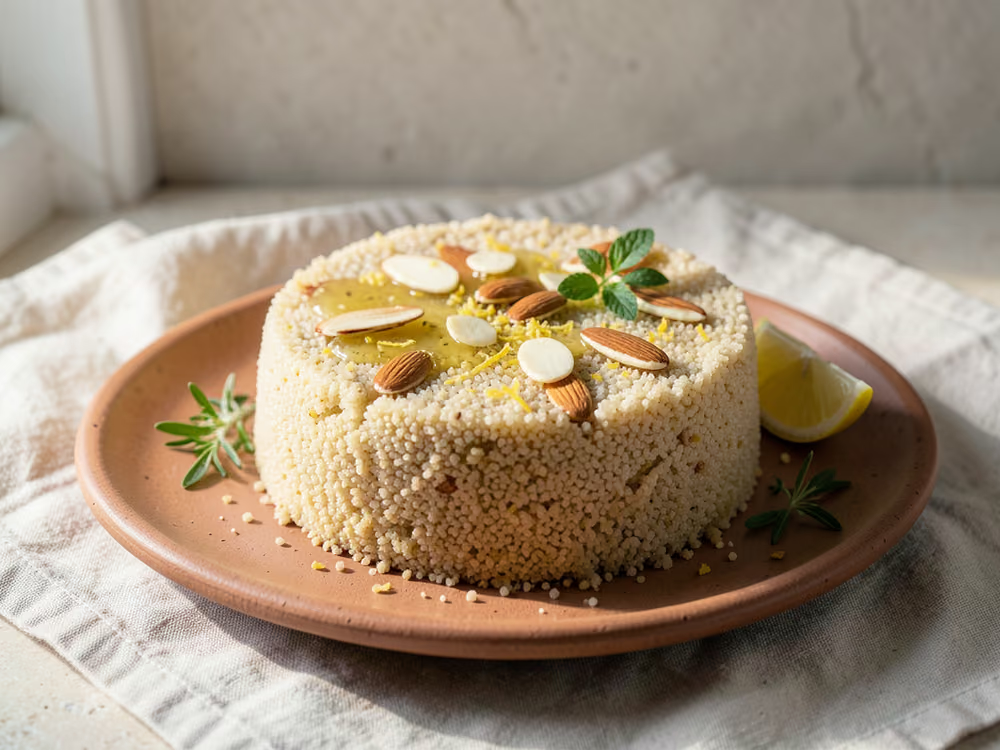
Warm syrup over a warm cake - that pairing is what makes basbousa, the Middle East's syrup-soaked semolina traybake scored into diamonds, each piece crowned with a blanched almond and drenched in light lemon syrup. This version builds on coconut milk (canned, full-fat, shaken well) and coconut oil, so it lands dairy-free without tasting like a compromise while keeping the faintly grainy bite that a flour cake cannot copy. Fifteen minutes of measuring and one bowl of folding get it into a 180°C oven. Then all it wants is patience: the cake needs half an hour to drink its syrup.
- Prep
- 15 min
- Cook
- 35 min
- Total
- 80 min
- Additional time
- 30 min
- Serves
- 12
Ingredients
What you’ll need — tap to tick off as you go
- 300 g
- 300 g
- 2 tsp
- ½ tsp
- 120 ml
- 240 ml
- 1 tbsp
- 1 tsp
- 200 ml
- 2 tbsp
Process
Timers built in · swap anything · ask as you cook
Heat the oven to 180°C with a rack in the middle position, then grease the 23 x 23 cm pan with a thin film of coconut oil, working into the corners. A fully preheated oven sets the crumb evenly, and a greased, unfloured pan lets the scored pieces slide out without tearing once the syrup has soaked in. (No need to line the pan with paper; the oil does all the work.)
In a large bowl, whisk 300 g semolina, 150 g granulated sugar, 2 tsp baking powder, and 0.5 tsp baking soda until evenly blended. Distribute them well (the leaveners sink into the corners), or your rise crowns in the middle.
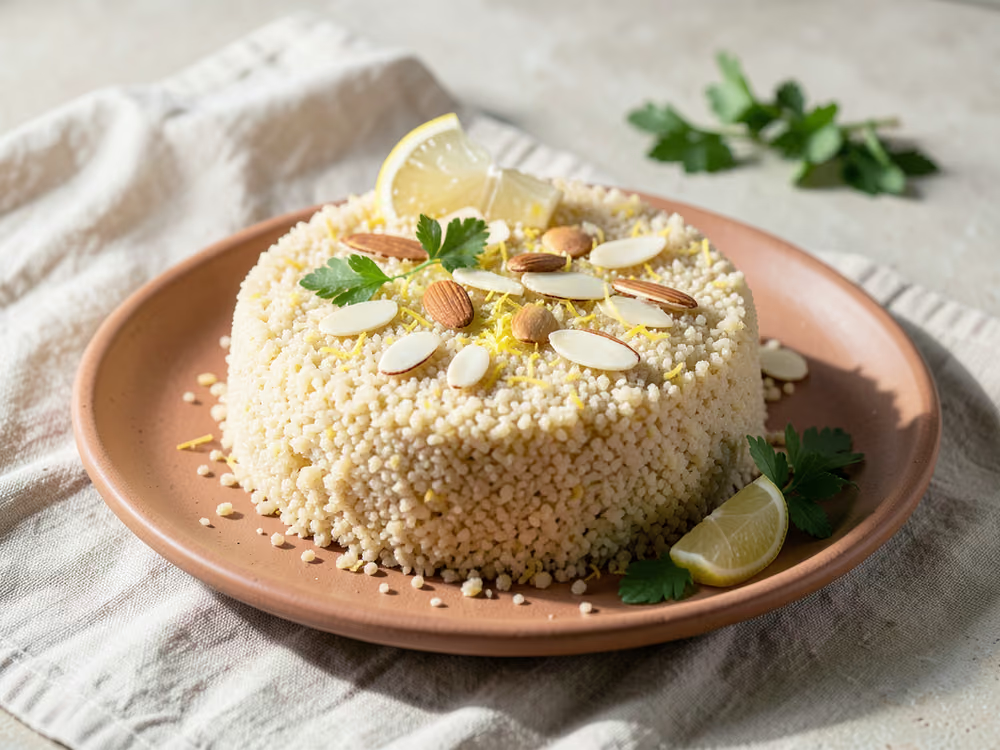
Add 120 ml melted coconut oil, 240 ml coconut milk, 1 tbsp finely grated lemon zest, and 1 tsp vanilla extract, then fold with a spatula until just combined and no dry pockets remain. Stop at combined. Your batter should look thick and slightly grainy. That texture is correct. Extra stirring builds gluten and bakes into a tough, dense cake. (A few small lumps are fine; they bake out.)
Spread your batter into the prepared pan with the back of a spoon, pressing it level into the corners. With a sharp knife, score the top into 24 even pieces, cutting square or diamond lines straight down, then press one blanched almond into the center of each piece. Why score before baking? The lines open channels for the syrup and stop the top cracking as it rises.
Bake for 30 to 35 minutes, until the top is an even golden brown, the edges pull slightly away from the pan, and a toothpick inserted into the center comes out clean. You will know it is ready by color as much as by the clock. A pale basbousa tastes raw and starchy even when fully set.
Make your syrup while the cake bakes: bring 200 ml water and 150 g granulated sugar to a boil in a small saucepan over medium heat, stirring only until the grains dissolve. Drop the heat to low, keep a bare simmer for 5 minutes, then stir in 2 tbsp lemon juice and take the pan off the burner while the syrup is still thin. Lemon added at the end keeps the syrup bright and fluid.
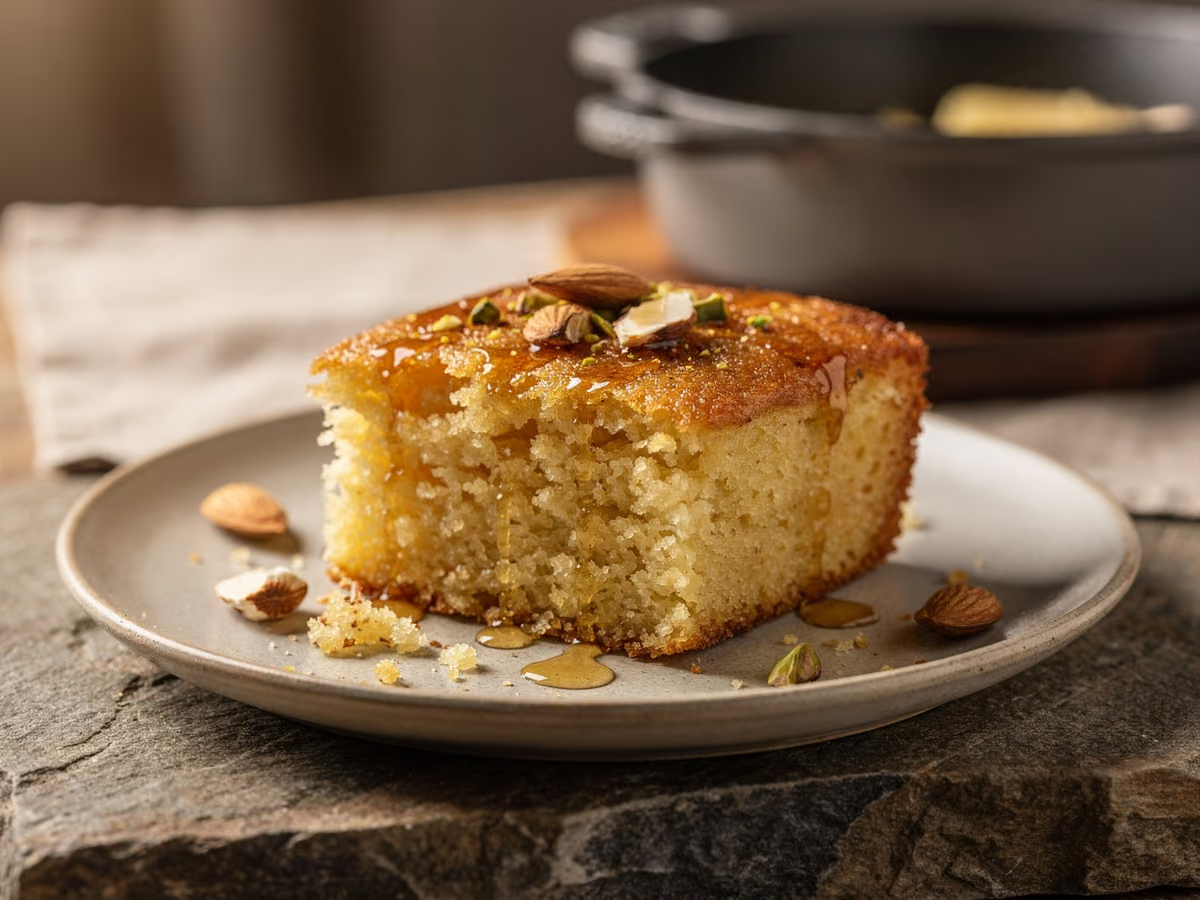
As soon as the cake leaves the oven, spoon the warm syrup evenly over the hot surface, working along the score lines and letting each addition sink in before the next. Do not worry if the cake looks alarmingly wet for a few minutes. Let it drink. Let your cake stand at least 30 minutes, until the pieces are glossy and nothing pools in the cuts.
Why this recipe works
Semolina and syrup timing do most of the work in basbousa. Durum semolina is high in gluten, so fold your batter only until the dry pockets vanish. Overworked, it bakes tough instead of crumbly. The leaveners open the crumb just enough to make it sponge-like; the hot cake leaves the oven with wide pores, and warm syrup sinks through the score lines to the base. Boiling syrup floods that open crumb and slumps it into mush, while syrup poured over a cooled cake beads on top and leaves a sticky surface with a dry middle. Warm cake, warm syrup. Sugar that settles into the semolina holds moisture, which keeps the cake soft for days.
Equipment
- 23 x 23 cm square baking pan
- Large mixing bowl
- Small saucepan
- Balloon whisk
- Rubber spatula
- Sharp paring knife for scoring
- Measuring cups and spoons
Kitchen notes
Kitchen notes
- Rest your batter 15 minutes before baking so the semolina can swell in the coconut milk; a sandy, gritty bite is almost always a batter that went straight from the bowl into a hot oven. Short on time? Bake it straight away; the crumb just turns out a shade grittier.
- Fold, do not beat. Durum semolina is naturally high in gluten. Stirring past the moment the dry pockets disappear works the batter tough and bread-like.
- Make the syrup first so it can cool while the cake bakes; syrup still bubbling when the pan comes out is the most common reason a basbousa slumps into a wet, heavy slab.
- Press each almond in firmly so it sits flush with the surface. A shallow set lets it drift off when the warm syrup is poured over the top. (Flush means level with the batter, not buried in it.)
- Spoon the syrup in stages along the score lines, starting at the center and working outward, so every piece drinks evenly instead of the middle taking the whole bath.
- Add the lemon juice off the heat. Simmered with the syrup it loses its lift, and its acid stops the syrup crystallizing as it cools.
Common mistakes
- Soggy, wet-topped pieces: the syrup was still at a rolling boil when it met the cake, or you poured far more on than the pan could hold. Let it fall to warm. Spoon along the score lines, and stop once the cuts pool and drink it in.
- Dry, crumbly squares: the cake baked past golden, or cooled before the syrup went on. Pull it at 30 to 35 minutes, while the top is an even gold. Syrup it straight from the oven. Got a dry batch anyway? Spoon a little warm syrup over the cuts and let the pieces drink it in.
- Gritty, sandy crumb: the batter went into the oven with no rest, so the semolina grains never softened; let the mixed batter stand 15 minutes before baking, in the pan if you like. Coarser semolina needs longer. If yours still comes out sandy, don't be alarmed - a longer rest is the fix, not a different recipe.
- Pieces that crumble when lifted: the cake was cut after baking instead of scored before, so score all 24 pieces straight down before the pan goes in. Wipe the knife between cuts so your lines stay clean.
- Syrup that turns grainy or thickens to candy: you stirred after the sugar dissolved, or simmered past 5 minutes. Stir only until the grains disappear. Keep the simmer at 5 minutes.
- Edges and almonds darkening before the center sets: the pan sits too close to the top element. An oven running hot does the same. Bake on the middle rack. Tent loosely with foil for the last few minutes if your almonds color too fast.
Serving suggestions
- Serve at room temperature, two pieces per person, cut cleanly along the score lines with a thin knife.
- Small glasses of sweet black tea or cardamom coffee alongside. The bitterness keeps the syrup from overwhelming.
- A spoonful of clotted cream or plain yogurt is the classic Levantine counterpoint to all that syrup. Serve it alongside. Leftover squares keep well, and a day-old one crumbled over the cream makes a quick second dessert.
- Scatter finely chopped pistachios over your platter for a fresh green note and a second texture against the almonds. A tray like this is made for sharing - set it in the middle of the table while the tea is still hot.
Variations
- Levantine tahini version: brush the pan with a generous layer of tahini before the batter goes in instead of the coconut oil. It keeps the base from sticking and adds a faint toasted sesame note under the syrup.
- Orange-blossom variation: stir a spoon of orange blossom or rose water into the syrup after it comes off the heat, and use orange zest in the batter for a more floral cake.
- Cream-topped style: spread a thin layer of clotted cream over the batter before it goes into the oven, so it sets into a pale band under the golden crust.
- Extra-coconut version: stir a handful of unsweetened shredded coconut into the semolina before the liquids for a chewier, coconut-forward crumb that drinks up even more syrup.
Refrigerator
- RefrigeratorCool completely, then keep airtight at a cool room temperature for up to 2 days or in the refrigerator for up to 4 days. Bring pieces back to room temperature before serving, because cold firms the crumb.
- ReheatingWarm whole pieces in a 150°C oven for 5 to 7 minutes, or give single pieces 20 to 30 seconds in the microwave; gentle heat loosens the syrup inside the crumb. Feel free to warm them uncovered; a bare piece heats through faster.
- FreezingFreezing is not recommended. The absorbed syrup freezes into ice that swells the scored pieces. Thawed basbousa turns wet and mushy at the base.
- Make aheadBake and syrup the cake up to 2 days ahead; it is at its best the following day, once the syrup has finished settling into the semolina. Cover once fully cool.
Updated:
How this recipe was developed
- Cleobuttera, Best Ever Pastry Shop-Style Basbousa (medium-grind semolina; a 15 to 20 minute batter rest so the grains hydrate; gentle folding to limit gluten development)
- AfriFoodNetwork, Basbousa, Egyptian Semolina Cake in Syrup (cooled syrup over hot cake; half-hour batter rest; cutting through the scores before syrupping)
- DishNomad, Basbousa, Sudanese Semolina Cake in Lemon Syrup (hot syrup on hot cake slumps the crumb; deep gold color as the doneness signal; tahini-greased pan)
- USDA FSIS, Leftovers and Food Safety (refrigerate leftovers within 2 hours; keep refrigerated 3 to 4 days)
Editorial references are kept internally for verification. This page makes no claim of external certification or professional testing.
Gallery
FAQ
The questions we get asked most
Why did my basbousa come out dry and crumbly?
Dryness is almost always syrup trouble rather than the bake itself: a syrup boiled down too thick cannot soak in, and syrup poured onto a cake that has already cooled beads on the surface. Keep the simmer at 5 minutes. Pour while the cake is still hot, and let it stand the full 30 minutes before you judge the texture.
Why did my basbousa turn soggy or mushy?
Sogginess starts with syrup still at a rolling boil when it hits the cake, because boiling syrup floods the open crumb and the surface slumps. Let your syrup settle to warm first. Spoon it along the score lines rather than dumping it all in the middle, and leave the cake uncovered as it cools so steam does not condense back onto the top.
Do I have to rest the batter before baking?
You can bake it straight away and the cake will still work. A 15 minute rest lets the semolina grains swell in the coconut milk before the heat sets them. That is what softens your crumb. It matters most with coarser semolina. The rest can happen in the pan while the oven finishes heating.
How do I know when basbousa is done?
Look for an even golden top, edges that pull a little from the pan, and a toothpick that comes out clean or with a few moist crumbs. Watch the color, not the clock. Your center should feel firm and springy under a light press. The cake keeps setting as it cools, so a pale one pulled early tastes raw and starchy.
Can I make basbousa ahead of time?
Yes, and it is arguably better that way: bake and syrup the cake up to 2 days in advance and the syrup keeps settling into the semolina overnight. Cover it once fully cool, and refrigerate if the room is warm. A few minutes in a 150°C oven brings back the just-baked softness.
Can I reduce the sugar in the syrup?
You can drop the syrup sugar to 100 g; the syrup turns thinner and less protective, so plan to eat the cake within a day or two instead of keeping it longer. Leave the 150 g in the batter alone. It drives both the crust color and the tender crumb.
Is basbousa gluten-free?
No. Semolina is milled from durum wheat, so classic basbousa contains gluten. Gluten-free semolina or fine cornmeal bakes into a similar cake. Expect a denser, more crumbly sponge with a shorter soak.
Ask KitchenMind about this recipe
Tell it what’s different tonight — it works within the actual recipe.