Sesame Halva
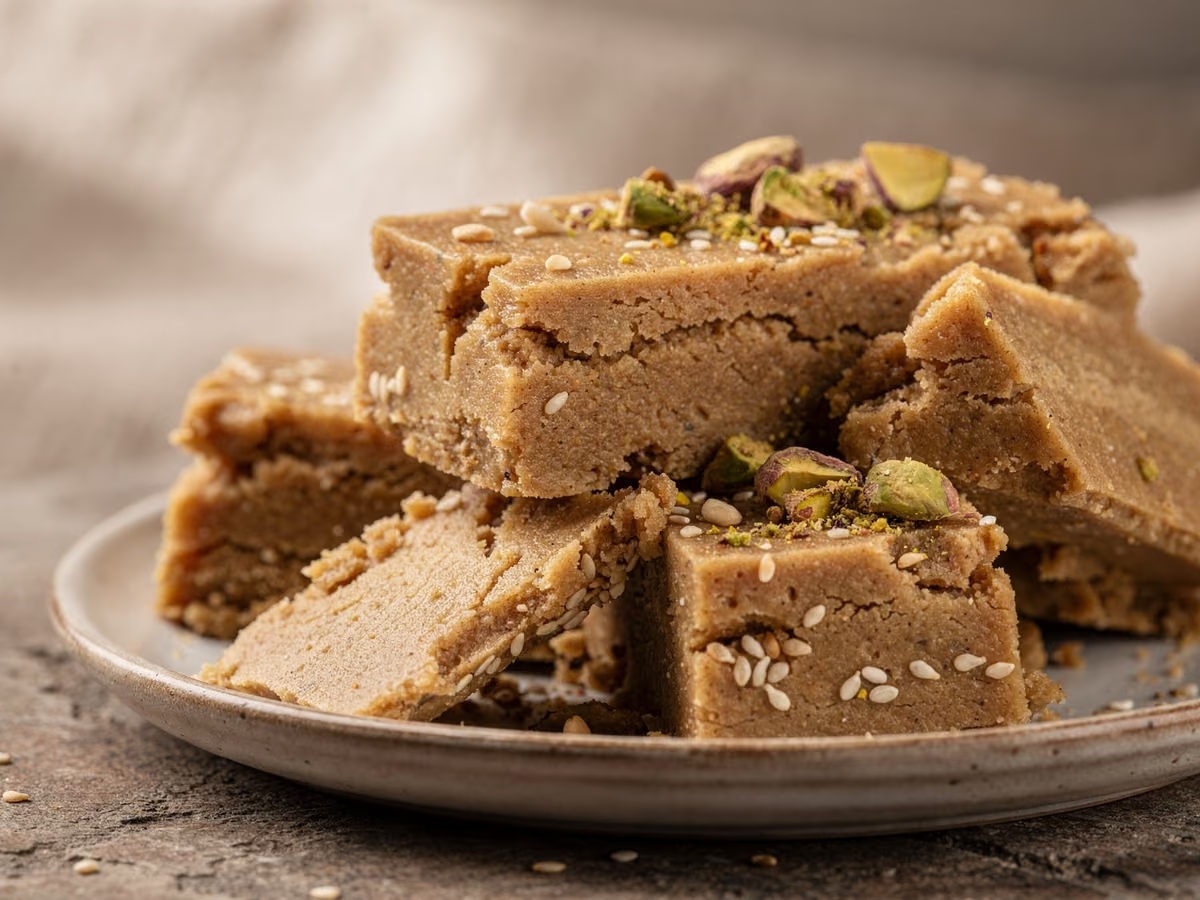
A dense, crumbly sesame confection made by folding glossy tahini into hot sugar syrup, set in a pan and sliced into sweet, nutty squares.
- Prep
- 15 min
- Cook
- 20 min
- Total
- 35 min
- Serves
- 12
Ingredients
What you’ll need — tap to tick off as you go
- 300 g
- 250 g
- 120 ml
- 1 tsp
- 1 pinch
- 2 tbsp
- 40 g
Process
Timers built in · swap anything · ask as you cook
Line a 20 x 20 cm square pan with parchment paper, leaving overhang on two sides for lifting the halva out later.
Put 300 g tahini in a medium heatproof bowl and stir until completely smooth and glossy. If it looks stiff or oily, stir longer until uniform.
Combine 250 g granulated sugar, 120 ml water and 1 pinch salt in a small saucepan. Heat over medium heat, stirring only until the sugar dissolves, then stop stirring.
Let the syrup bubble over medium heat until it reaches 120°C on a candy thermometer, about 8 to 10 minutes. Do not stir once it boils.
Remove the syrup from the heat and stir in 1 tsp vanilla extract if using.
Pour the hot syrup into the tahini in a thin steady stream while stirring constantly with a wooden spoon. The mixture will lighten and thicken as it emulsifies.
Keep stirring for 1 to 2 minutes until the halva is thick, slightly grainy and holds a soft shape when dropped from the spoon.
Scrape the mixture into the lined pan and spread it level with the back of a spoon or a small offset spatula.
Scatter 2 tbsp toasted sesame seeds and 40 g chopped pistachios over the top if using, pressing them gently into the surface.
Cool at room temperature for 2 hours until firm, then cover and let it set for at least 4 hours or overnight before slicing into 12 squares.
Kitchen notes
Kitchen notes
- The most common mistake is undercooking the syrup. If it does not reach 120°C, the halva will stay soft and sticky instead of setting into sliceable squares.
- Stir the tahini thoroughly before measuring. Oil that has separated at the top will make the halva greasy and prevent a smooth, even set.
- Pour the hot syrup in a thin stream while stirring constantly. Dumping it in all at once can cause the tahini to seize or split.
- The halva is ready to pan when it thickens and turns slightly matte. If it still looks thin and shiny after 2 minutes of stirring, keep stirring a little longer.
- For clean squares, chill the set halva for 30 minutes before slicing and wipe the knife between cuts.
Substitutions
- granulated sugar→light brown sugar for a deeper caramel note
- pistachios→blanched almonds or walnuts
- vanilla extract→1 tsp rose water or orange blossom water
Storage & reheating
Store the sliced halva in an airtight container at room temperature for up to 2 weeks, separating layers with parchment paper so the pieces do not stick. In hot or humid weather, keep it in the fridge for up to 3 weeks; let it sit at room temperature for 10 minutes before serving so it softens slightly. For longer storage, wrap pieces tightly and freeze for up to 3 months, then thaw at room temperature for 1 hour before eating. Do not reheat halva, as heat will melt the sugar structure and make it greasy.
FAQ
The questions we get asked most
Why is my sesame halva sticky and not setting?
The sugar syrup was most likely not cooked to 120°C, so there was too much water left in the mixture. Use a candy thermometer and let the syrup reach a full rolling boil at 120°C before pouring it into the tahini. If you already panned it, you can scrape it back into a bowl, warm it gently and stir in 1 to 2 tbsp of additional tahini to firm it up, but the texture will be softer.
Can I make sesame halva without a candy thermometer?
Yes, but you need to judge the syrup by eye. Cook it until the bubbles become smaller and slower and a drop placed in cold water forms a soft ball that flattens when pressed. This usually takes 8 to 10 minutes over medium heat. If in doubt, cook it 1 minute longer rather than less, because undercooked syrup is the main cause of sticky halva.
Why did my halva turn out greasy or oily?
The tahini was probably not stirred well enough before use, so separated oil went into the mixture. Always stir the entire jar until it is smooth and uniform, then measure. Adding the hot syrup too quickly can also cause splitting, so pour it in a thin stream while stirring constantly.
How long does sesame halva keep and where should I store it?
At room temperature in an airtight container it keeps for about 2 weeks. In warm or humid conditions, store it in the fridge for up to 3 weeks, though it will become firmer and slightly drier. Always separate layers with parchment paper to stop the pieces from sticking together.
Can I freeze sesame halva?
Yes. Wrap the set halva pieces tightly in parchment and then in a freezer bag or airtight container, and freeze for up to 3 months. Thaw at room temperature for about 1 hour before serving. Do not thaw in the microwave, because the sugar will melt and the halva will turn greasy.
Can I use a different nut butter instead of tahini?
Tahini is what gives halva its classic flavor and crumbly set, so replacing it entirely will change the result. You can swap up to half the tahini with smooth peanut butter or almond butter for a different flavor, but keep at least half tahini so the halva still sets properly. Nut butters with added sugar or oil may make the final texture softer.
Why is my halva crumbly and dry instead of smooth?
Overcooking the syrup past 120°C or stirring the tahini mixture too long after it thickens will make halva dry and crumbly. Pull the syrup off the heat as soon as it hits 120°C, and stop stirring once the mixture turns thick and matte. A slightly crumbly texture is normal for halva, but if it is excessively dry, serve it in thinner slices with tea.
Ask KitchenMind about this recipe
Tell it what’s different tonight — it works within the actual recipe.