- Prep
- 10 min
- Cook
- 20 min
- Total
- 30 min
- Serves
- 4
Ingredients
What you’ll need — tap to tick off as you go
- 100 g
- 400 ml
- 40 g
- 1 pinch
Process
Timers built in · swap anything · ask as you cook
Bring a large pot of water to a rolling boil. Add the 100 g small sago pearls and stir once so they do not stick to the bottom.
Boil the sago on medium heat for 12 to 15 minutes, stirring every 2 minutes, until the pearls turn almost fully translucent with only a tiny white dot in the centre.
Turn off the heat, cover the pot and let the sago sit for 5 minutes until completely translucent. Drain into a fine sieve and rinse under cold running water to stop the cooking and remove excess starch.
While the sago cooks, peel the 3 ripe mangoes. Cut about two thirds of the flesh into small cubes and set aside, then scoop the remaining flesh into a blender.
Add the 400 ml coconut milk, 40 g sugar, 1 pinch salt and the juice of half a lime to the blender and blend for 30 seconds until completely smooth.
Taste the mango coconut mixture and add a little more sugar if your mangoes are tart. Pour it into a large bowl.
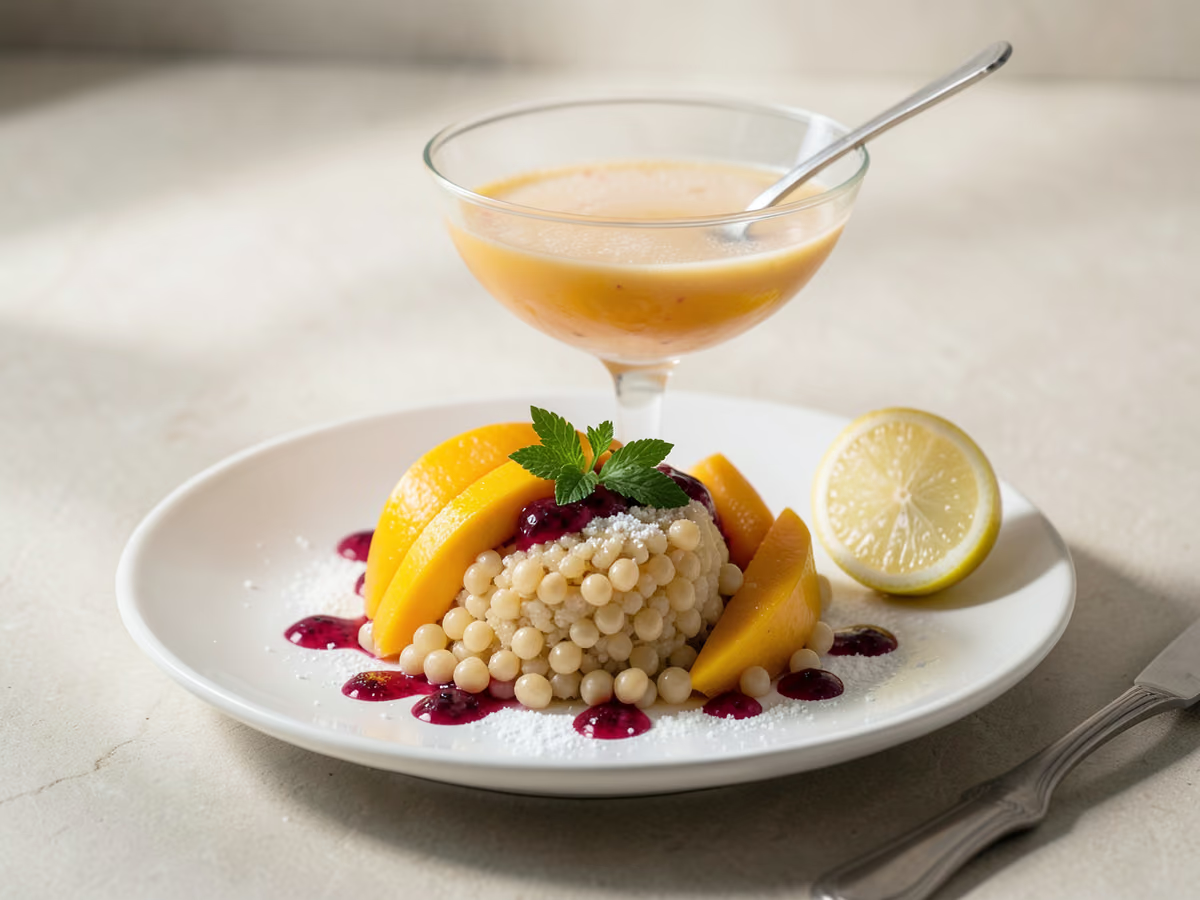
Add the drained sago pearls and the reserved mango cubes to the bowl and stir gently with a spoon until evenly combined.
Cover the bowl and refrigerate for at least 2 hours, or until thoroughly chilled. Stir once before serving, then ladle into small bowls or glasses.
Kitchen notes
Kitchen notes
- The most common mistake is undercooking the sago: a visible white pinhead in the centre means it will taste chalky. Let it sit covered off the heat for 5 minutes after boiling, which finishes the centre without turning the pearls to mush.
- Rinse the cooked sago under cold water until the water runs clear. Skipping this leaves a starchy, gluey film that thickens the coconut milk into paste.
- Mango quality decides the dessert. Use fruit that is deeply fragrant and gives slightly when pressed; firm, pale mangoes will need much more sugar and still taste flat.
- The mixture thickens as it chills because the sago keeps absorbing liquid. If it becomes too thick after chilling, loosen it with 2 to 3 tbsp coconut milk or cold water before serving.
Substitutions
- coconut milk→evaporated milk or oat milk for a lighter, less tropical version
- small sago pearls→tapioca pearls of the same size, cooked the same way
- sugar→condensed milk, using 30 g and reducing the coconut milk slightly
- lime juice→1 tsp lemon juice
Storage & reheating
Keep the mango sago in an airtight container in the fridge for up to 3 days; it is best on the first day, as the pearls soften and the mixture thickens over time. Stir in 2 to 3 tbsp coconut milk or cold water to loosen before serving. It does not freeze well because the sago turns spongy and the mango puree separates, so make only as much as you will eat in a few days. Serve cold straight from the fridge rather than reheating.
FAQ
The questions we get asked most
Why are my sago pearls still hard in the middle?
The pearls were not boiled long enough or the pot was too crowded. Boil them in plenty of water for 12 to 15 minutes until only a tiny white dot remains, then cover the pot, remove it from the heat and rest for 5 minutes. The residual heat finishes the centre without overcooking the outside.
Can I make mango sago ahead of time?
You can make it up to 24 hours ahead and it will still taste good, but the sago softens and the mixture thickens each day. If making it ahead, keep the cooked sago tossed with a little coconut milk in a separate container and fold it into the mango mixture just before serving for the best texture.
How do I know when the sago pearls are done?
They are ready when they look almost completely transparent with just a pinprick of white in the centre, and they taste soft with no chalky bite. After the 5-minute covered rest they should be fully translucent. If a few pearls still have a solid white core, simmer them for another 2 minutes.
Can I use canned or frozen mango instead of fresh?
Yes. Use about 700 g of thawed frozen mango or drained canned mango, but reduce the sugar to 20 g because both are already sweetened. Fresh ripe mango gives the best flavour and colour, so use canned or frozen only when fresh fruit is out of season.
Why did my mango sago turn out gluey or thick?
Starch from the sago is the cause. Rinse the cooked pearls under cold running water until the water runs clear before mixing them in, and do not boil them past the translucent stage. The mixture will still thicken in the fridge, so loosen it with a splash of coconut milk before serving.
Is mango sago supposed to be served cold or at room temperature?
It is a chilled dessert and tastes best served cold, around 4 to 6 °C straight from the fridge. Chilling for at least 2 hours also lets the mango flavour blend into the coconut milk. If you serve it warm, the coconut milk tastes flat and the sago feels slippery.
Can I make this dessert dairy-free or vegan?
It is already dairy-free and vegan as written, since it uses only coconut milk, mango, sugar, salt and lime. Check that your sago pearls are pure tapioca or starch and not a mixed product containing milk powder, which some instant pearl packets include.
Ask KitchenMind about this recipe
Tell it what’s different tonight — it works within the actual recipe.