- Prep
- 10 min
- Cook
- 15 min
- Total
- 25 min
- kcal
- 439.6
- protein
- 35.8 g
- Serves
- 4
Ingredients
What you’ll need — tap to tick off as you go
- 60 ml
- 2 tbsp
- 1 tbsp
- 1 tbsp
- 2 cloves
- 1 tsp
- 1 tbsp
- 1 tsp
- ½ tsp
Process
Timers built in · swap anything · ask as you cook
Pat the salmon fillets completely dry with paper towels and season both sides lightly with salt. Let them sit at room temperature for 10 minutes while you make the sauce.
In a small bowl, whisk together the soy sauce, honey, rice vinegar, grated ginger and grated garlic until the honey dissolves. Stir the cornstarch into 1 tbsp cold water in a separate cup, then whisk it into the soy mixture.
Heat the neutral oil in a large non-stick or cast-iron skillet over medium-high heat until it shimmers. Place the salmon fillets skin-side down and cook undisturbed for 4 to 5 minutes, until the skin is crisp and releases easily from the pan.
Flip the salmon with a thin spatula and cook for 2 to 3 minutes more, until the flesh is opaque on the outside but still slightly translucent at the thickest point. Transfer the salmon to a plate.
Reduce the heat to medium-low and pour the soy sauce mixture into the hot skillet. Simmer for 1 to 2 minutes, stirring constantly, until the sauce thickens enough to coat the back of a spoon.
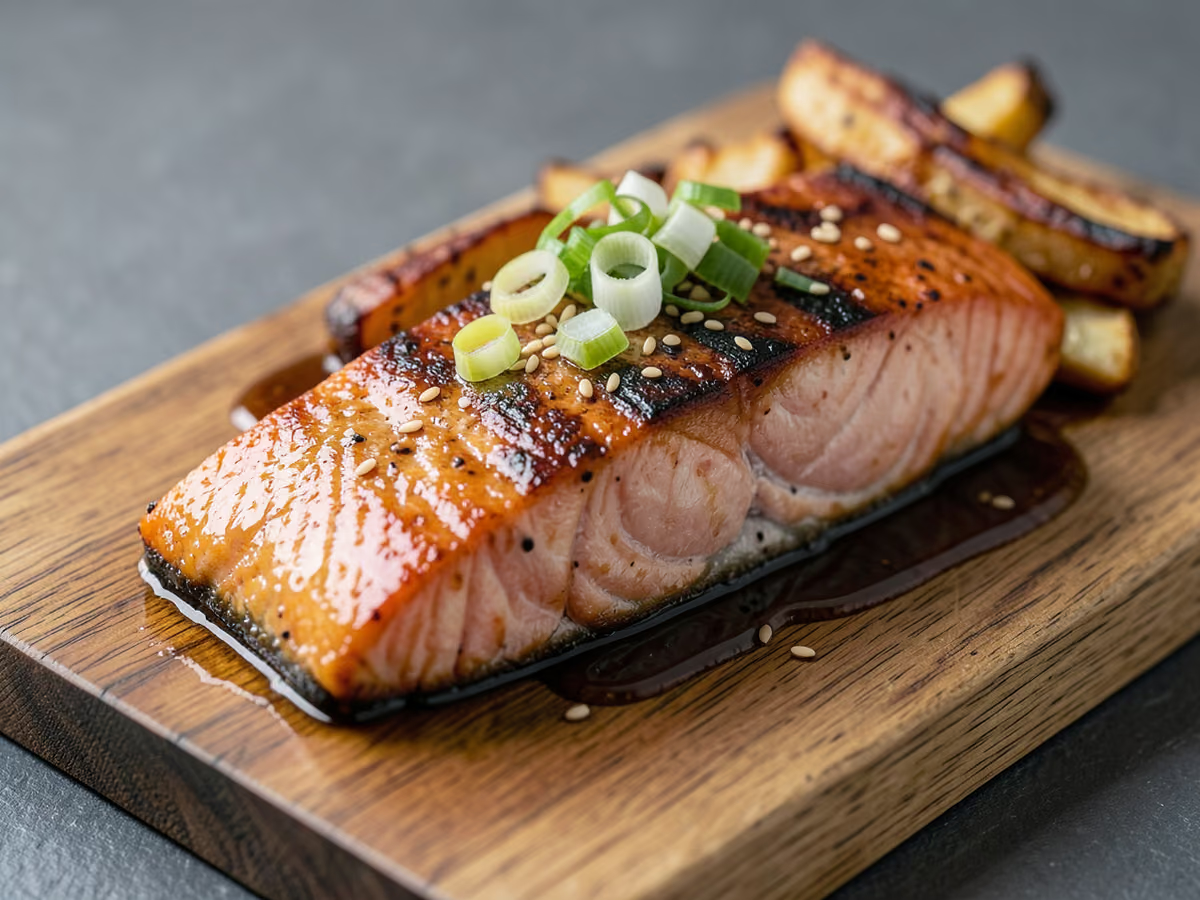
Return the salmon fillets to the pan, spoon the teriyaki glaze generously over each fillet and cook for 1 minute, basting, until the sauce clings and the salmon is just cooked through.
Serve immediately, sprinkled with toasted sesame seeds and sliced spring onions, with steamed rice and steamed broccoli or green beans on the side.
Kitchen notes
Kitchen notes
- The most common mistake is wet salmon: if the fillets are not patted bone-dry, they steam instead of sear and the skin never crisps. Dry them thoroughly and season just before cooking.
- Watch the glaze closely once it hits the pan. Honey and soy reduce fast, and in under a minute too long the sugars burn and turn bitter. Pull the pan off the heat the moment the sauce coats a spoon.
- For the best texture, aim for medium: the salmon is done when the thickest part flakes but still looks glossy inside, around 50 to 52°C on an instant-read thermometer. It will carry over and finish cooking off the heat.
- If your salmon fillets are thicker than 3 cm, sear them skin-side down for an extra minute and lower the heat slightly so the outside does not burn before the center cooks.
Substitutions
- honey→maple syrup or brown sugar
- rice vinegar→apple cider vinegar or lime juice
- salmon fillets→Arctic char or trout fillets
- neutral oil→light olive oil
Storage & reheating
Store leftover salmon in an airtight container in the refrigerator for up to 3 days. Keep the glaze and fish together so the salmon stays moist. Reheat gently in a covered skillet over low heat for 4 to 5 minutes, or in a 150°C oven for 8 to 10 minutes, until just warmed through; avoid the microwave, which toughens the fish. Cooked salmon does not freeze well because the texture becomes watery and mushy, so freeze only if necessary, wrapped tightly for up to 1 month, and thaw overnight in the fridge.
| Nutrient | Per serving |
|---|---|
| Calories | 439.6 kcal |
| Protein | 35.8 g |
| Carbohydrates | 11.9 g |
| Fat | 26.1 g |
| Saturated fat | 5.6 g |
| Fiber | 0.5 g |
| Sugar | 9 g |
| Sodium | 1267 mg |
| Cholesterol | 94 mg |
FAQ
The questions we get asked most
Why did my teriyaki sauce burn or turn bitter?
The honey and soy sauce reduce very quickly over high heat, and the sugars scorch in seconds. After removing the salmon, lower the heat to medium-low before adding the sauce, and stir constantly. If the sauce starts to darken too fast, pull the pan off the heat and whisk in a tablespoon of water.
Can I make salmon teriyaki ahead of time?
You can whisk the teriyaki sauce up to 5 days ahead and keep it covered in the fridge, which makes dinner fast. For the salmon itself, it is best cooked fresh, but you can sear the fillets up to a day ahead and glaze them just before serving. Reheat gently so the fish does not dry out.
How do I know when the salmon is cooked through?
The salmon is done when the thickest part flakes with a fork but still looks slightly glossy inside, and an instant-read thermometer reads 50 to 52°C for medium or 60°C for well done. The flesh should be opaque on the outside and pale pink at the center. If it looks chalky white all the way through, it is overcooked.
Can I use frozen salmon for this recipe?
Yes, but thaw it completely overnight in the refrigerator first. Frozen fillets release a lot of water, so pat them very dry before searing or they will steam and the skin will not crisp. Never cook salmon from frozen in this recipe, as the glaze will burn before the center thaws.
Is this teriyaki sauce gluten-free?
Not as written, because regular soy sauce contains wheat. To make it gluten-free, use tamari or a certified gluten-free soy sauce and check that your rice vinegar and cornstarch are gluten-free. The rest of the ingredients are naturally gluten-free.
Can I grill or bake the salmon instead of pan-searing?
Yes. To bake, place the glazed fillets on a lined tray and cook at 200°C for 10 to 12 minutes, brushing with more glaze halfway. To grill, cook skin-side down over medium heat for 4 to 5 minutes, flip, brush with glaze and cook 2 to 3 minutes more. Both methods work, but pan-searing gives the crispest skin.
Why is my salmon dry?
Dry salmon is almost always overcooked. Salmon continues cooking from residual heat after it leaves the pan, so pull it when the center is still slightly translucent. Also avoid thin fillets, which cook in half the time; if yours are thin, reduce the searing time by a minute per side.
Ask KitchenMind about this recipe
Tell it what’s different tonight — it works within the actual recipe.