Chicken Teriyaki
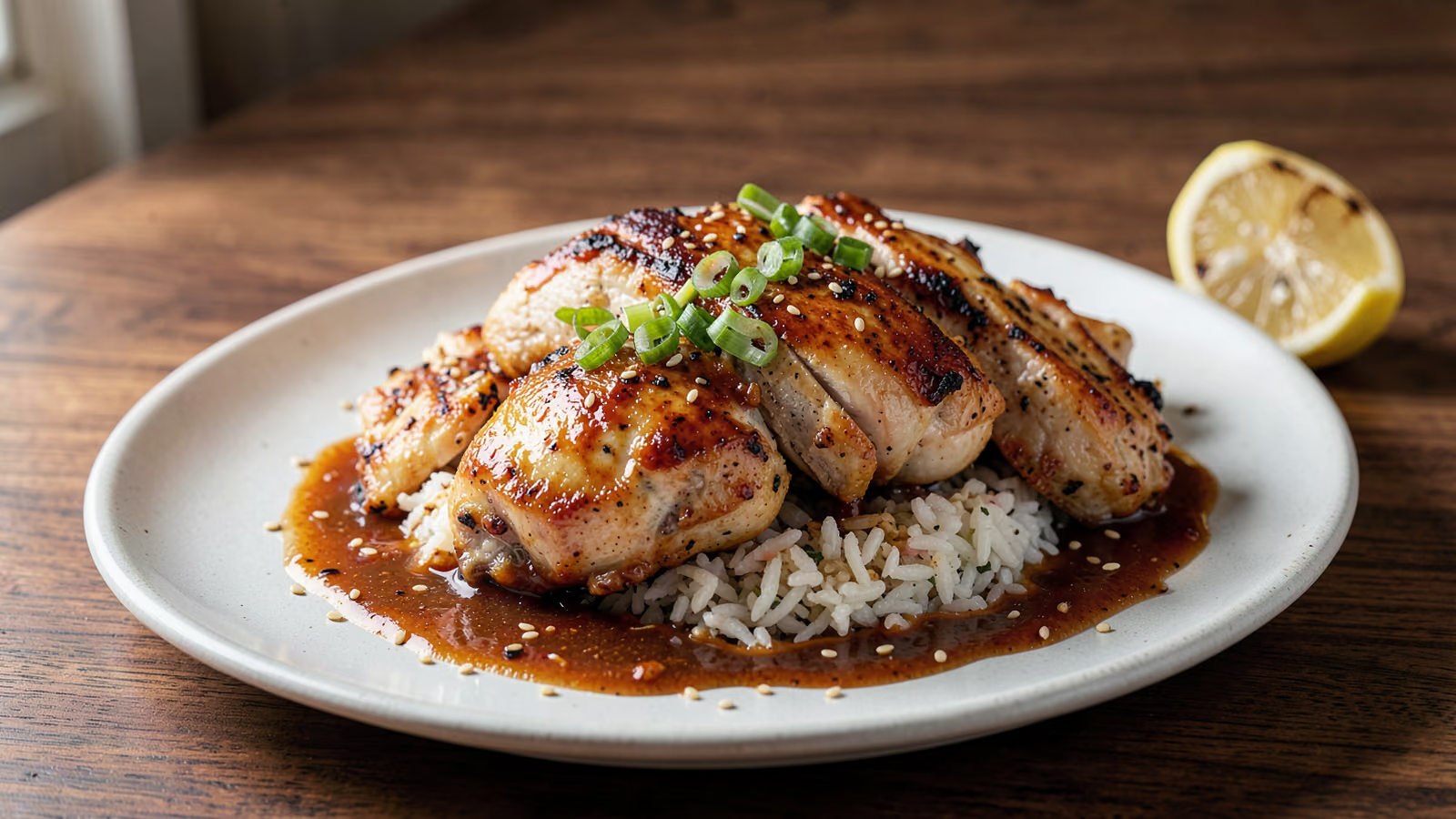
Chicken teriyaki is a pan dish at heart: 700 g of boneless thighs seared hard in a single layer, then finished in a glossy glaze of soy sauce, granulated sugar, rice vinegar, ginger and garlic that thickens in the same pan. The cornstarch slurry is the difference between a sauce that pools on the plate and one that clings to the meat. Fifteen minutes of prep, roughly 20 minutes at the stove, and 600 g of hot steamed rice waiting to catch the extra glaze.
- Prep
- 15 min
- Cook
- 20 min
- Total
- 35 min
- Serves
- 4
Ingredients
What you’ll need — tap to tick off as you go
- 700 g
- 80 ml
- 50 g
- 30 ml
- 15 g
- 2 cloves
- 1 tbsp
- 1 tbsp
- 1 tsp
- 600 g
Process
Timers built in · swap anything · ask as you cook
Pat the 700 g of thighs completely dry with paper towels and season both sides lightly with salt and pepper. Dry meat browns; surface water has to boil off first, and while it does the pan cools and the chicken steams grey instead of turning golden.
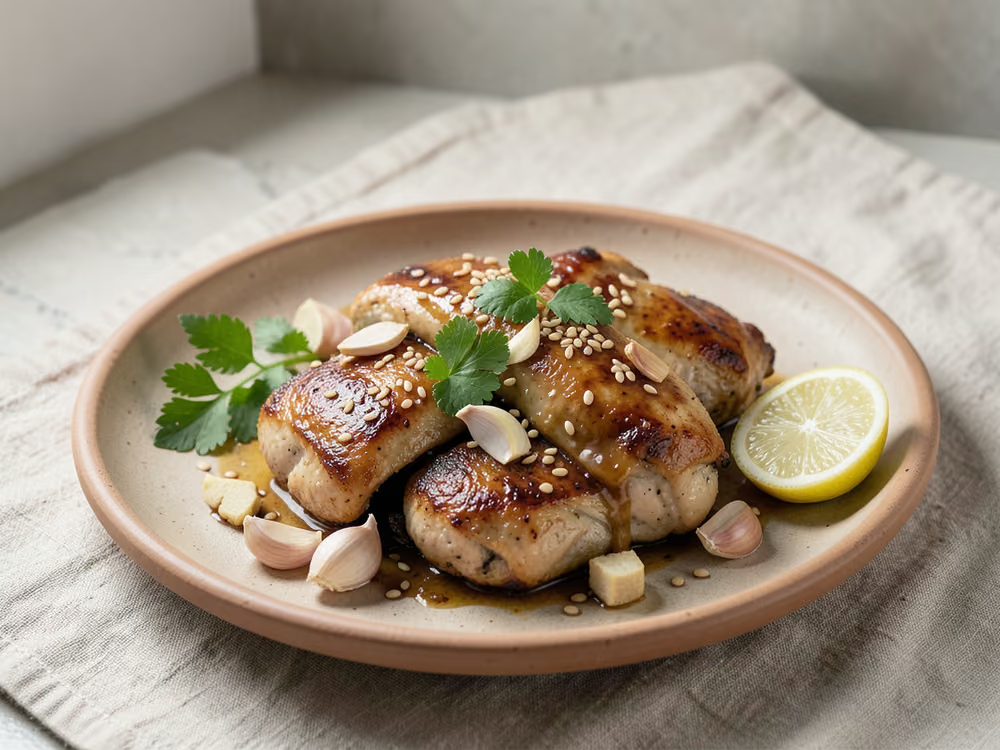
Whisk 80 ml soy sauce, 50 g granulated sugar, 30 ml rice vinegar, 15 g grated ginger and 2 grated garlic cloves in a small bowl until the sugar dissolves, then set it beside the stove. The sear moves fast, and undissolved sugar can catch and burn before the sauce comes together.
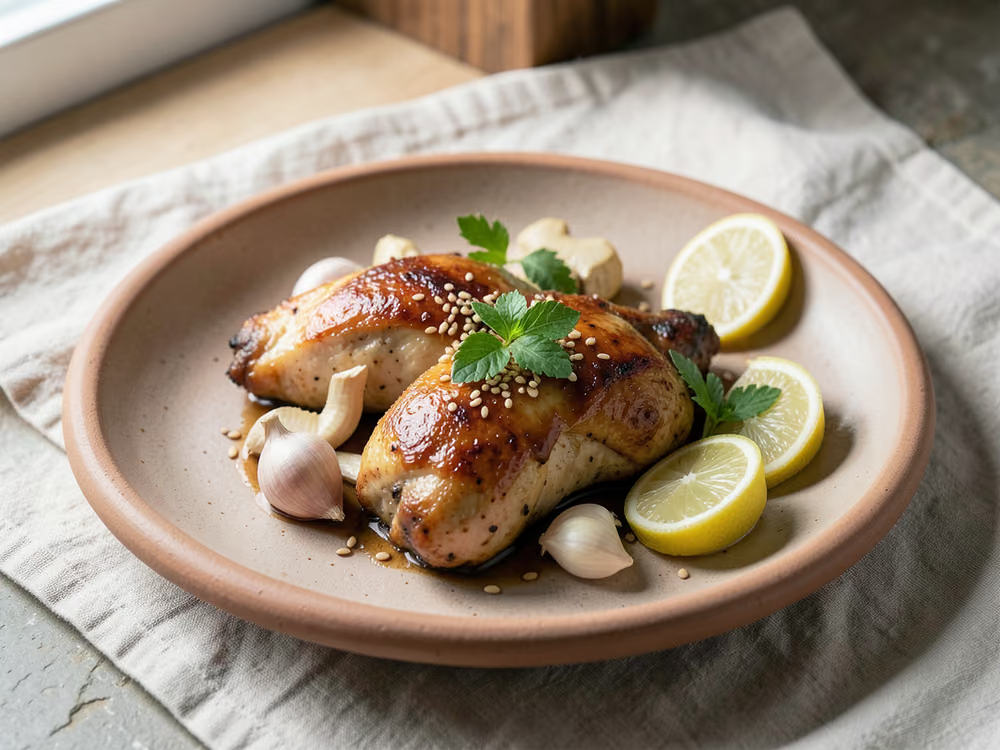
Heat 1 tbsp neutral oil in a large frying pan over medium-high heat until it shimmers, then lay the thighs smooth side down with space between them. Cook undisturbed for 5 to 6 minutes, until the underside is deep golden brown; moving the chicken early tears the crust before it has set.
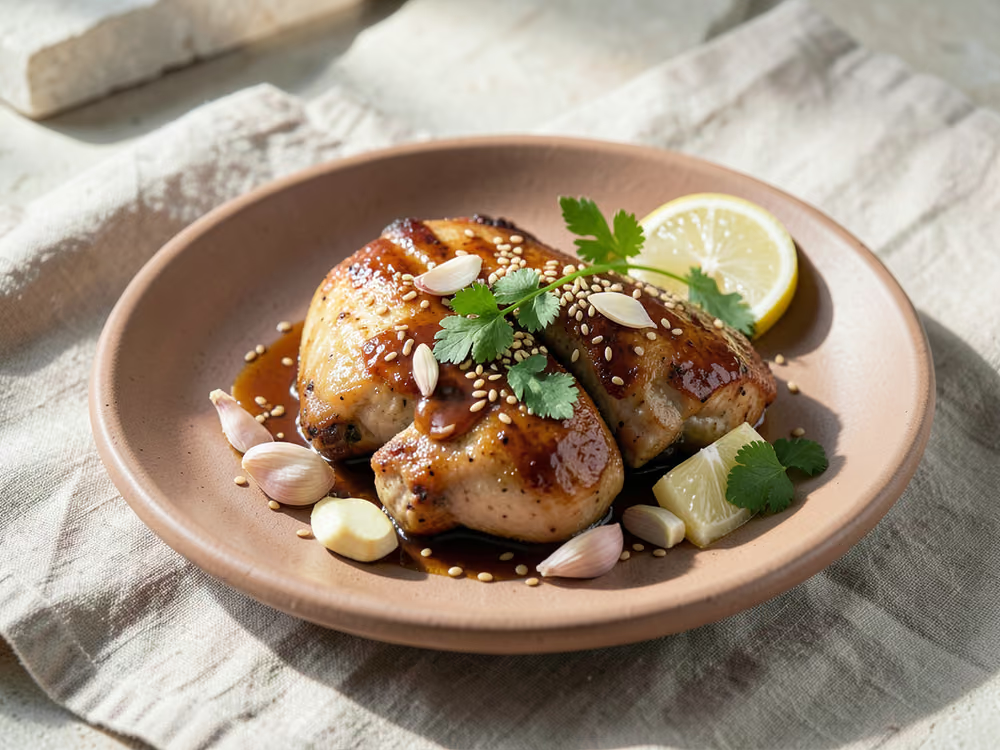
Flip the thighs and cook for another 4 to 5 minutes, until the second side is browned and the thickest part reads about 70°C. The chicken is deliberately not fully cooked at this point: it finishes in the sauce, and pulling it here is what keeps the meat juicy.
Lower the heat to medium and pour the sauce into the pan around the chicken rather than over the crust. Let it bubble and reduce for 2 to 3 minutes, spooning it over the thighs as it thickens; it should look slightly syrupy but still loose enough to run.
Stir the cornstarch slurry once more, then drizzle it into the simmering sauce, tilting the pan and stirring gently so it blends without knocking the chicken about. Simmer for 1 to 2 minutes, turning the chicken to coat, until the glaze is glossy and clings to the back of a spoon; if it tightens too far, loosen it with 1 tbsp water.
Move the chicken to a cutting board and let it rest for 3 minutes, then slice against the grain into 1 cm strips. The rest lets the juices settle back into the meat, and cutting across the fibres makes each strip tender rather than stringy.
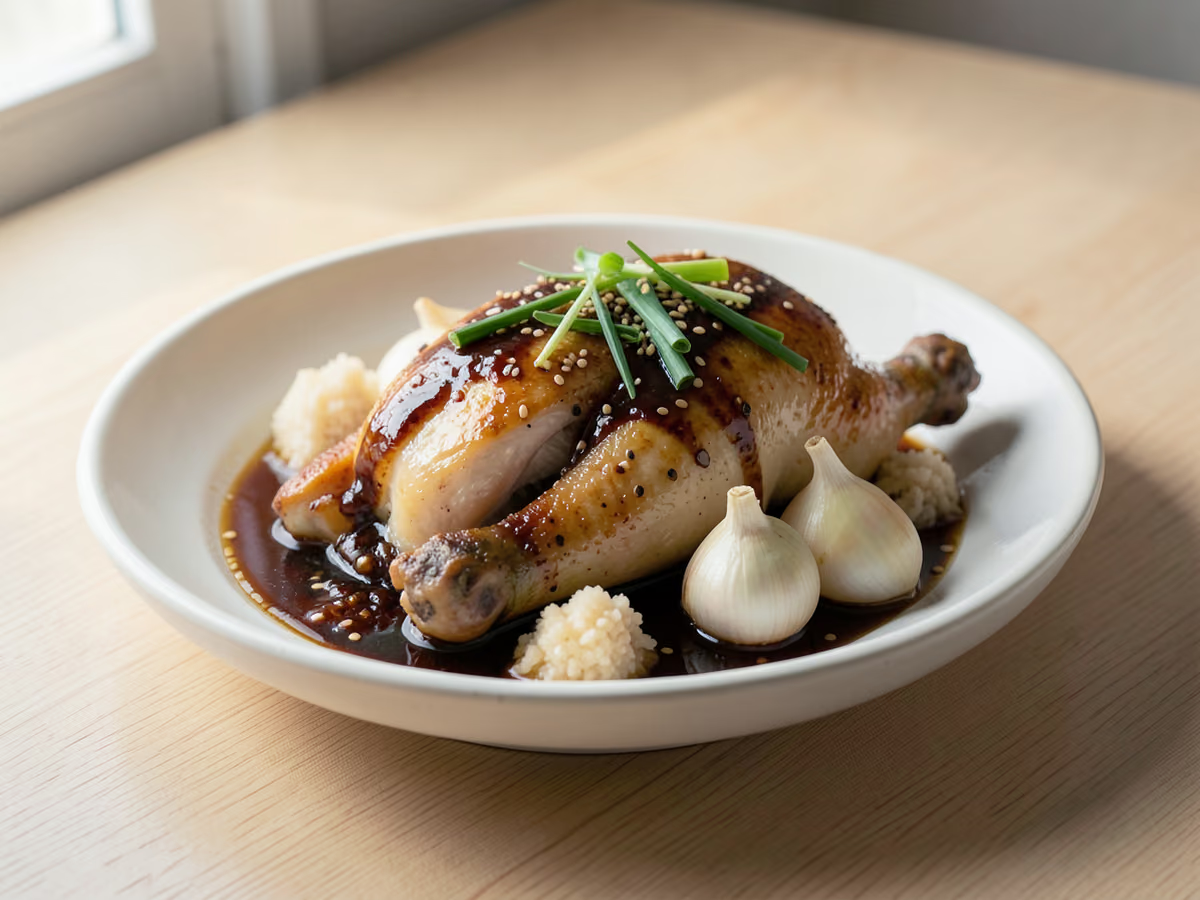
Return the slices to the pan and turn them through the glaze for a few seconds, or spoon the glaze over them on the board. Pile the chicken over the 600 g of hot steamed rice, spoon the extra sauce from the pan on top, and scatter the 1 tsp sesame seeds and 2 sliced spring onions if you are using them.
Why this recipe works
Searing dry thighs over medium-high heat browns the surface through the Maillard reaction and renders some fat before any liquid arrives; if the sauce went into the pan first, the chicken would poach and taste flat. Sugar is what gives teriyaki its name, since teri means the lustre of the glaze: it sweetens the soy and thickens the sauce as water simmers off and the syrup concentrates. The cornstarch slurry adds a second, more reliable thickener, with starch granules swelling in the simmering liquid and gelatinising into a glossy film that clings instead of running off. Rice vinegar sharpens the sweetness so the glaze tastes balanced rather than cloying.
Equipment
- Large frying pan or skillet, about 28 cm, wide enough for the 4 thighs in one layer
- Instant-read thermometer
- Small bowl and whisk for the sauce
- Small cup for the cornstarch slurry
- Tongs
- Cutting board and a sharp knife
- Measuring jug and spoons
Kitchen notes
Kitchen notes
- Flatten the thighs to an even 2 cm before they go in the pan; a thick lobe cooks slower than the rest of the piece, so one end dries out while the centre catches up. Score the thick parts and press them open rather than pounding the meat with a mallet.
- Spoon off the rendered fat after searing and wipe the inner edge of the pan before the sauce goes in. A sauce poured into a pool of oil splits instead of coating the chicken, however long you simmer it.
- Grate the ginger and garlic on a microplane straight into the sauce bowl so they break down completely. Chunks of aromatics cook into hard, bitter specks once the syrup concentrates.
- Slide the rested, sliced chicken back into the pan for a few seconds per side; the cut faces pick up the glaze that way, which is what makes the plate look lacquered rather than merely saucy.
- Mix the sauce in a double batch: 80 ml soy, 50 g sugar, 30 ml rice vinegar, 15 g ginger and 2 cloves of garlic keep for up to 3 days covered in the fridge, ready for a second dinner. Only the cornstarch slurry needs making fresh.
Common mistakes
- A harsh, salty glaze: the sauce reduces and concentrates, and regular soy sauce starts out salty. Use the low-sodium option, keep the sauce at a gentle bubble rather than a rolling boil, and taste it before the cornstarch goes in, because a thickened glaze is much harder to correct.
- A sauce that will not thicken: the slurry went into a sauce that was not actually simmering, or it was mixed and left sitting. Cornstarch settles out of water within minutes, so stir it again immediately before it goes in and hold the pan at a steady simmer for the full 1 to 2 minutes the starch needs to swell.
- A gluey, pasty glaze: too much cornstarch for the liquid in the pan, or a long hard boil after it went in. The 1 tbsp of slurry is matched to 80 ml of soy and its liquid, so pull the pan off the heat as soon as the sauce coats a spoon and loosen it with 1 tbsp water if it tightens further.
- Dry, stringy chicken: the thighs were seared past golden, or left sitting in the sauce while it reduced. Sear to colour rather than to doneness, pull them at about 70°C, and let the glaze finish the cooking in the pan.
- A greasy sauce that slides off the chicken: too much oil was left in the pan when the sauce went in. Tip the pan and spoon off the excess fat after searing, and keep the oil to the 1 tbsp the recipe calls for.
- A bitter, burnt edge on the glaze: the heat stayed high once the sugar arrived. Sugar syrup caramelises fast above a medium bubble, so keep the pan at medium and take it off the heat the moment the glaze looks like warm honey.
Serving suggestions
- Serve over the 600 g of hot steamed rice with the extra glaze spooned on top; teriyaki is built to be eaten with plain rice, and the salt and sugar read differently without it.
- A cucumber or cabbage salad with a light vinegar dressing, or quick-blanched greens with a little sesame, balances the sweetness the way a Japanese home meal does.
- Four servings works out at about 175 g of chicken and 150 g of rice each, which is a full meal with a side and a light one without.
- Serve it donburi-style in deep bowls rather than on flat plates: the chicken holds its heat longer, and the rice catches every drop of sauce.
Variations
- Reduction version: replace the 30 ml rice vinegar with the same 30 ml of water, leave out the cornstarch and let the sauce reduce to a syrup; the glaze is thinner but deeper and less overtly sweet than the slurry version.
- Gluten-free: use 80 ml tamari or a gluten-free soy sauce and check the vinegar label; the rest of the dish is already dairy-free and gluten-free.
- Spicy version: stir 1 tsp chilli-garlic sauce or 0.5 tsp red pepper flakes into the sauce before it goes into the pan. The heat lands in the glaze rather than on the surface, so nothing else about the method changes.
Refrigerator
- RefrigeratorCool the chicken and sauce quickly, then refrigerate them together in an airtight container for up to 4 days; the glaze sets to a soft jelly in the cold and loosens again on reheating. USDA guidance for cooked poultry leftovers is 3 to 4 days.
- ReheatingReheat gently in a covered pan over low heat with a splash of water to loosen the glaze, or in short microwave bursts, stirring between them. Bring it back to 74°C, the USDA reheat target for leftovers, and stir the sauce back together before serving.
- FreezingFreeze the chicken and sauce together in a freezer-safe container for up to 2 months. The sauce separates slightly on thawing but stirs back to a gloss as it warms; thaw overnight in the fridge rather than at room temperature.
- Make aheadWhisk the sauce up to 3 days ahead and keep it covered in the fridge, though the slurry must be made fresh each time. The cooked dish also reheats well and the flavour deepens overnight, so cooking it a day ahead and warming it gently is a sound weeknight move.
Updated:
How this recipe was developed
- USDA FSIS / FoodSafety.gov safe minimum internal temperatures and cold storage guidance (poultry 74°C; leftovers reheated to 74°C; cooked leftovers 3 to 4 days refrigerated, 2 to 6 months frozen)
- Just One Cookbook, Chicken Teriyaki — teriyaki as a cooking method (teri = lustre), scoring and flattening thighs to an even thickness, searing then finishing in the sauce, and letting the sauce reduce rather than using starch in the classic version
- RecipeTin Japan, Teriyaki Chicken — searing thigh fillets, wiping excess oil so the sauce does not split, resting and slicing the cooked chicken
- Harold McGee, On Food and Cooking — starch gelatinisation in sauces and the behaviour of sugar syrups as they reduce
Editorial references are kept internally for verification. This page makes no claim of external certification or professional testing.
FAQ
The questions we get asked most
Why did my teriyaki sauce turn out too salty?
Salt is concentrated by reduction, and regular soy sauce is already salty, so the sauce gets saltier the longer it bubbles. Use low-sodium soy sauce, reduce at a gentle simmer rather than a hard boil, and taste before the cornstarch goes in; once thickened, a splash of water and a little extra sugar are the only corrections that still work.
Why is my teriyaki sauce not thickening?
The slurry has to go into a sauce that is genuinely simmering, and it has to be stirred again immediately before it is poured, because cornstarch settles out of water within minutes. Hold the pan at a steady simmer for the full 1 to 2 minutes while the starch swells, and check that the cornstarch is in date, as old starch loses its thickening power.
Why did my sauce turn greasy and slide off the chicken?
Too much oil was left in the pan when the sauce went in, and oil and sauce do not mix. Spoon off the fat rendered during searing and wipe the pan edge before pouring the sauce in; keeping the oil to the 1 tbsp the recipe calls for is usually enough on its own.
How do I know when the chicken is fully cooked?
The thickest part of a thigh should read 74°C on an instant-read thermometer, the USDA minimum for poultry, and the juices should run clear. In this method the thighs only reach about 70°C before the sauce goes in, on purpose, because they finish cooking in the glaze; if you pull them at 74°C before glazing they will be a shade drier by the time they reach the plate.
Can I make chicken teriyaki ahead of time?
Yes. The sauce can be whisked up to 3 days ahead and kept covered in the fridge, with the slurry made fresh at cooking time. Cooked chicken teriyaki keeps airtight in the fridge for up to 4 days and the flavour deepens overnight; reheat it gently in a covered pan with a splash of water so the glaze loosens without burning.
Can I freeze chicken teriyaki?
Yes, for up to 2 months in a freezer-safe container with the sauce. Thaw it overnight in the fridge and reheat gently with a splash of water; the sauce may look slightly grainy straight from the freezer but stirs back to a smooth gloss as it warms.
Is chicken teriyaki gluten-free?
Not as written, because regular soy sauce is brewed with wheat. Use 80 ml of tamari or a certified gluten-free soy sauce and check that the rice vinegar and any chilli sauce you add are gluten-free too; the rest of the recipe contains no gluten, and the dish is dairy-free either way.
Ask KitchenMind about this recipe
Tell it what’s different tonight — it works within the actual recipe.