Chicken Kabsa
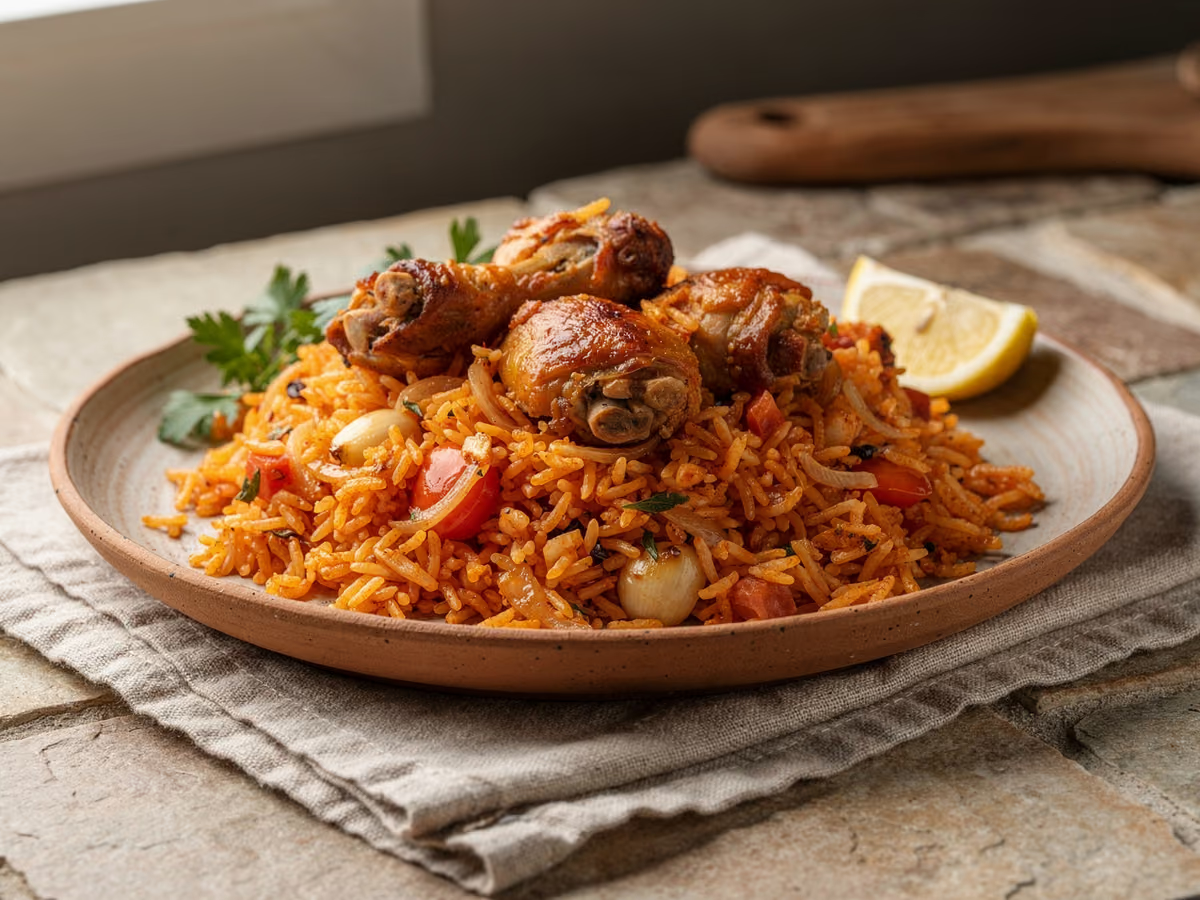
One pot, one platter, and a kitchen that smells of warm spice and toasted almonds; chicken kabsa arrives all at once. Seared bone-in thighs, grated tomato, and a blend of cumin, coriander, cinnamon, cardamom, and cloves go in first; basmati rice follows into the same pot and drinks up the spiced broth. Two habits decide the outcome. Bloom your ground spices for half a minute, so they perfume the oil instead of scorching, then measure the broth before the rice goes in. Prep takes about 20 minutes, and the pot does the rest in roughly 50; that 10-minute rest at the end is what lets the grains separate cleanly.
- Prep
- 20 min
- Cook
- 50 min
- Total
- 90 min
- Additional time
- 20 min
- Serves
- 4
Ingredients
What you’ll need — tap to tick off as you go
- 400 g
- 2 tbsp
- 4 cloves
- 1 tbsp
- 1 tsp
- 1 tsp
- ½ tsp
- ½ tsp
- ¼ tsp
- ½ tsp
- 1 ½ tsp
- 2 tbsp
- 700 ml
- 50 g
- 50 g
Process
Timers built in · swap anything · ask as you cook
Blot the 8 chicken thighs thoroughly with paper towels, reaching underneath every fold, then rub both sides with 0.25 tsp of the black pepper and 0.5 tsp of the salt. Dry skin is the difference between fat that renders and crisps and skin that steams in its own moisture; seasoned now, your pieces can sit while you chop the onion and grate the tomato.
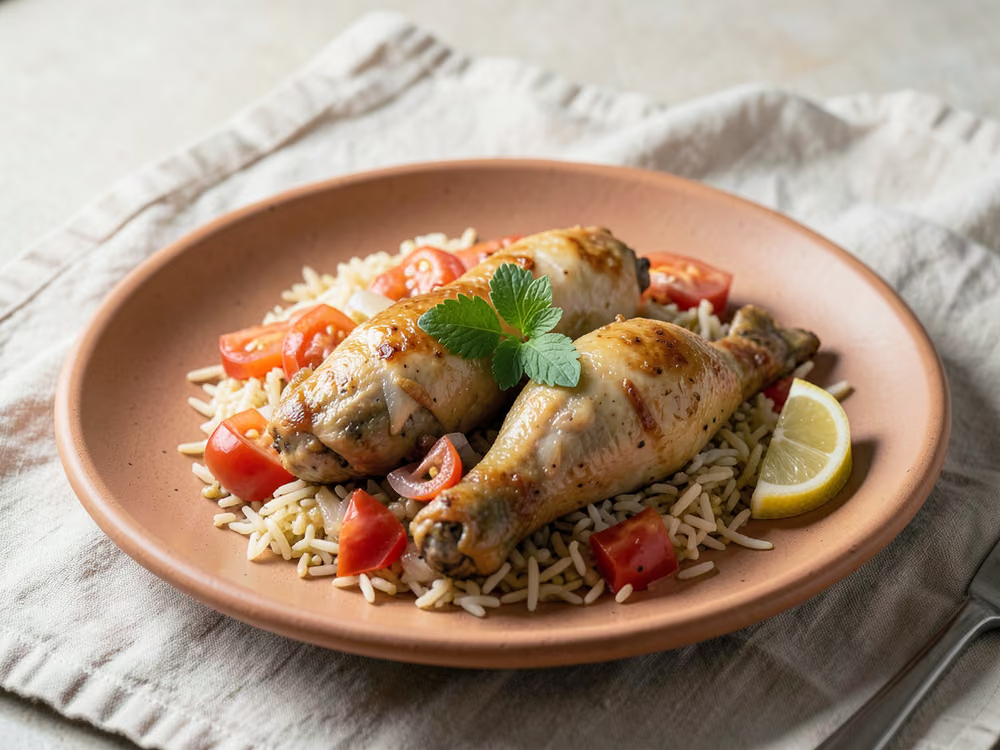
Heat the 2 tbsp of vegetable oil in a large heavy pot over medium-high heat until it shimmers. Lay the thighs in skin-side down, spacing them so they are not crowded, and leave them undisturbed for 5 minutes, until the skin is deep golden and releases without tugging. Turn and cook 3 minutes more. Move them to a plate.
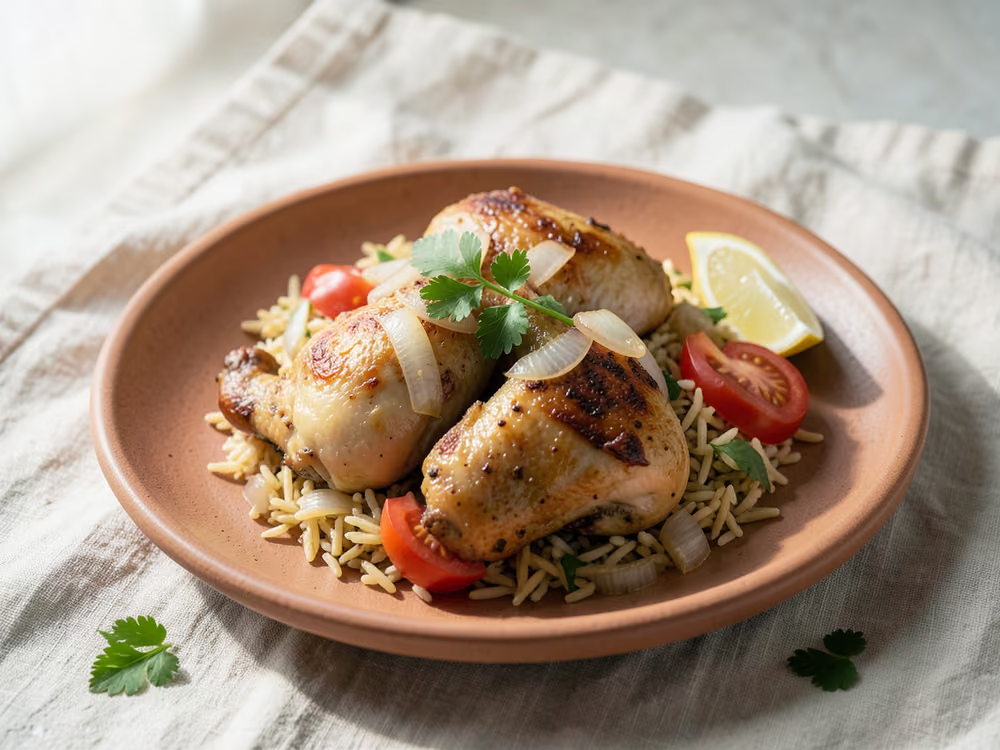
Keep the same pot over medium heat and add the chopped onion to the rendered fat, cooking for 5 minutes, scraping the browned bits off the bottom as they loosen, until the onion is soft and translucent with no color yet. If the pot looks flooded with chicken fat, spoon some off first. Don't worry if a slick remains; that fat carries flavor. Too much of it is what leaves your rice greasy.
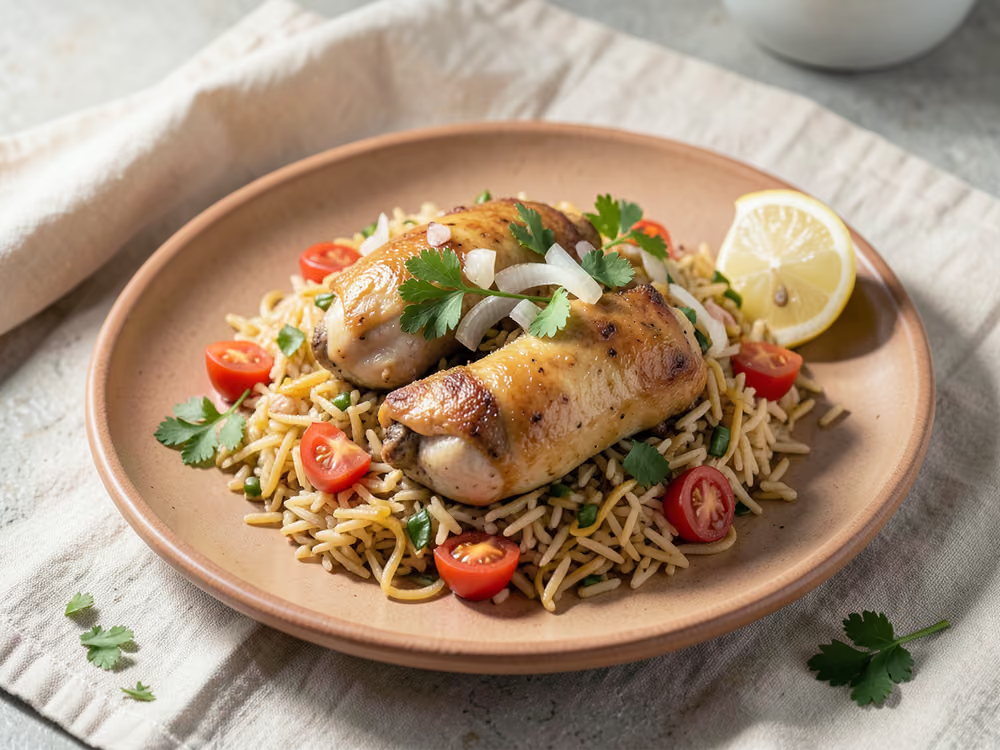
Stir in the 4 minced garlic cloves and 1 tbsp of grated ginger, and cook for about 1 minute, just until the raw smell disappears. Add the ground cumin, coriander, cinnamon, cardamom, cloves, and the remaining 0.25 tsp black pepper. (Have the spices measured before the garlic goes in; this is a fast move.) Stir steadily for 30 seconds. Blooming ground spices in hot fat pulls out fat-soluble aromatics fast; past 30 seconds the same heat turns them scorched and bitter.
Add the 2 grated tomatoes and 2 tbsp tomato paste, and cook for 3 minutes, stirring, until the mixture thickens and darkens from bright red to a deeper brick shade. Reducing the tomato now drives off watery juice that would otherwise dilute the broth, and it concentrates the acidity and sweetness that balance the warm spices.
Return the thighs and any juices on the plate to the pot with the 700 ml of chicken broth, the bay leaf if using, and the remaining 1 tsp salt. Start your rice soaking in cold water now; this simmer covers the 20 minutes it needs, so bring it to a boil, then reduce to low, cover, and simmer gently for 25 minutes.
Lift the chicken onto a plate and tent it loosely with foil, so it stays warm while the rice steams; discard the bay leaf, then measure the liquid in the pot. You want about 600 ml. If there is more, boil it down uncovered over medium-high heat; if there is less, top it up with water, because excess liquid is the usual reason your kabsa rice turns to porridge.
Drain the soaked rice well through a sieve, then tip it into the pot and stir once, so it settles into an even layer. Bring to a boil over high heat, reduce to the lowest setting that holds a simmer, cover tightly, and cook for 15 minutes without lifting the lid. (A glass lid lets you check the steam without breaking the seal.) Why not stir? Trapped steam finishes the grains from above; stirring would shake starch loose and make the pot gluey.
While the rice cooks, toast the 50 g of slivered almonds in a dry skillet over medium heat for 2 to 3 minutes, shaking the pan so they color evenly, until they are pale gold and smell nutty. (No need to hover; the smell tells you when they are ready.) Pour them onto a cold plate; the raisins need no toasting and soften against the hot rice at serving.
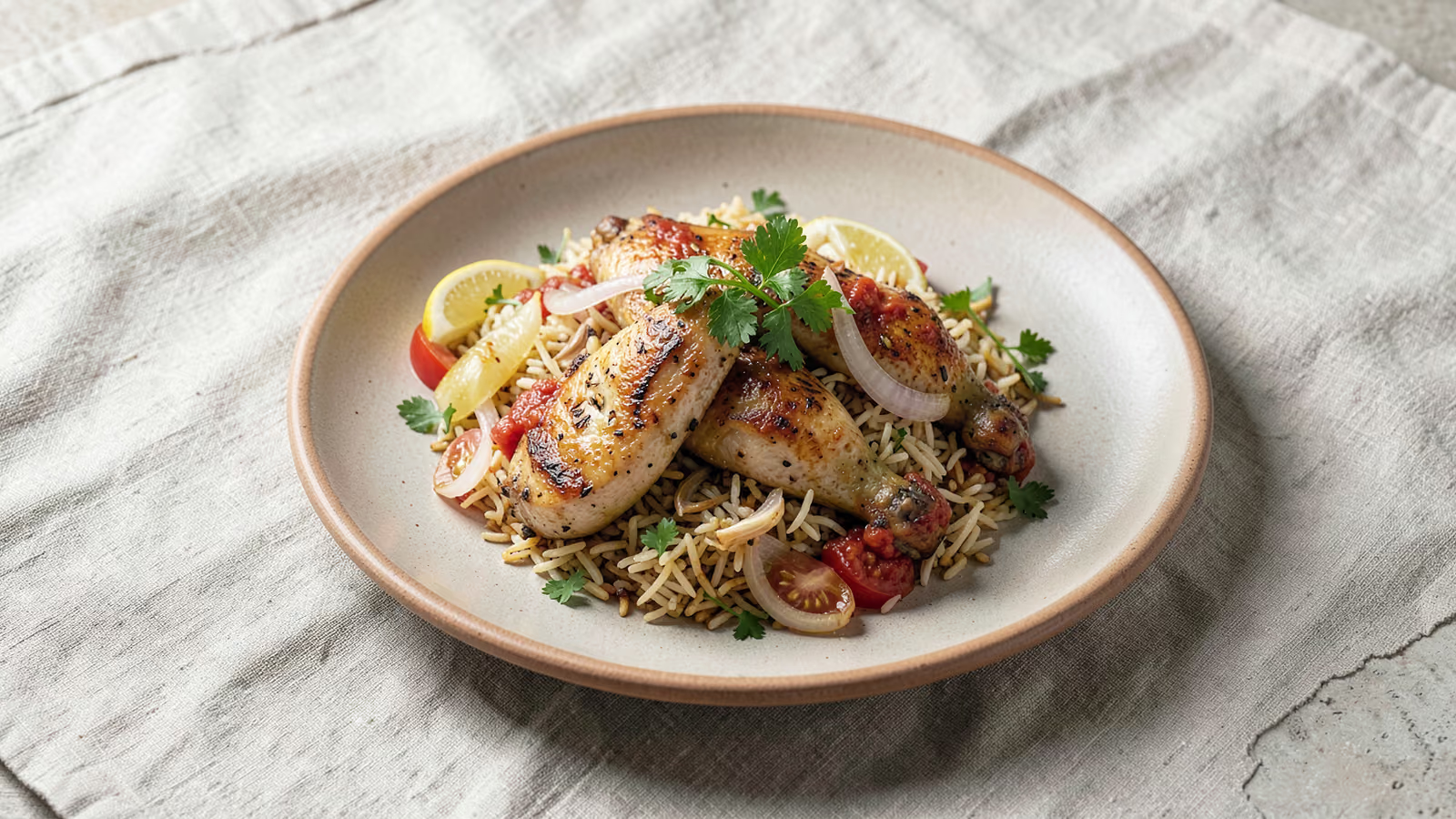
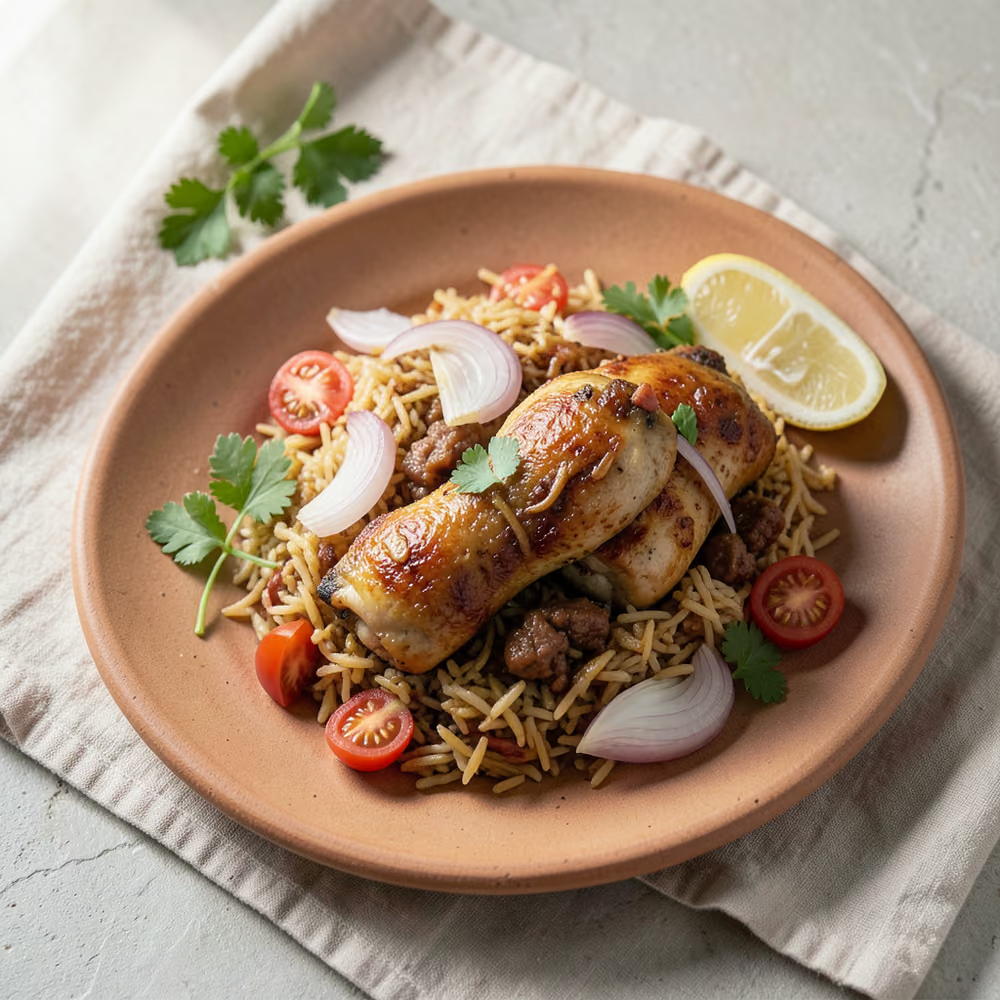
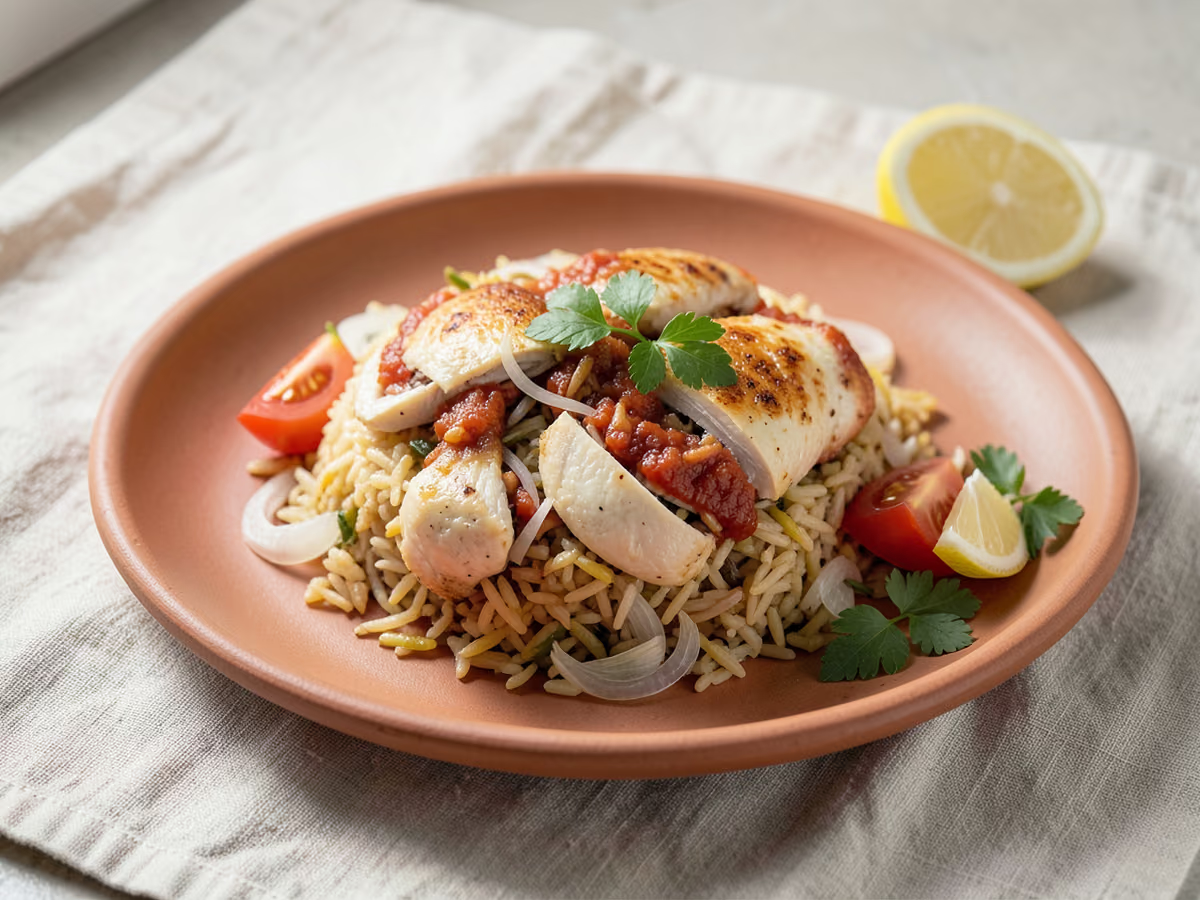
Take the pot off the heat and leave it covered for 10 minutes; resting lets the trapped steam even out the moisture, so the grains firm at the surface while the centers finish cooking. Fluff with a fork. Lift the grains, do not stir them. Pile the chicken over the rice, then scatter the toasted almonds and the 50 g of raisins on top.
Why this recipe works
Basmati holds its shape because its grains are high in amylose. Want rice that stays separate under a rich sauce? Two habits protect that structure: rinse away the loose surface starch that would glue the pot together, and soak your rice for 20 minutes so it hydrates evenly before it meets the heat. Searing does more than crisp the skin. It leaves rendered fat and browned deposits, and the onion dissolves those back into the sauce as it softens. Ground spices release their fat-soluble aromatics into hot oil in about 30 seconds, so a short bloom is the better move and a long one builds bitterness. Lift the chicken out before the rice goes in; that keeps the liquid measurable and your grains unstirred.
Equipment
- Large heavy pot with a tight-fitting lid, about 5 litres
- Instant-read thermometer
- Fine-mesh sieve for rinsing and draining the rice
- Small dry skillet for toasting the almonds
- Measuring jug for the broth
- Kitchen scales or measuring cups
- Chef's knife, box grater, and cutting board
- Large bowl for soaking the rice
Kitchen notes
Kitchen notes
- Rinse the rice until the water runs clear before the 20-minute soak. That cloudiness is surface starch. Starch left on your grains is what cements a kabsa into one mass.
- Check the rice at the 15-minute mark without stirring (a quick peek at the edge is enough); if a grain near the surface is still firm but the base looks dry, splash in 2 tbsp of hot water, re-cover, and give it 3 minutes more.
- A sheet of foil under the lid tightens a loose seal better than weighing the lid down. Rice needs trapped steam, not pressure. Do not open the lid.
- If you have a dried lime, pierce it and drop it into the broth at step 6, for the tart, citrus-bright edge traditional kabsa is known for; feel free to leave it out, since the tomato and warm spices carry the dish either way.
- Taste your liquid at step 7, before the rice goes in; it should taste a touch saltier than you want the finished dish, because the grains pull salt in with the broth.
- Rest the chicken on top of the rice rather than folding it through. Burying the pieces steams the skin soft again. It undoes the sear.
Common mistakes
- Mushy, clumped rice: too much liquid in the pot, or stirring after the rice goes in; measure your liquid at step 7 and aim for about 600 ml. Stir once to level it. Then leave the lid on for the full 15 minutes.
- Chalky centers with a dry, sticky base: the burner ran too hot under a lid that was not sealing. Cook at the lowest setting your stove holds. Check the seal. If steam escapes, lay a sheet of foil over the pot before the lid goes on.
- Dry, stringy chicken: the pot was boiled hard instead of simmered, or the pieces stayed in past doneness; keep it at a bare simmer for the 25 minutes. Lift your thighs out when the thickest part reads about 75°C.
- Raw, dusty spice flavor: did the ground blend go into oil that was not hot enough? Give it a full 30 seconds after the garlic and ginger; the smell turns toasted, not powdery.
- Bitter, acrid edge to the sauce: the spice blend scorched in fat that was too hot; bloom the spices at medium heat for 30 seconds only, and keep the grated tomato within reach, so it can go straight in and stop the frying.
- Greasy finish: all the rendered chicken fat stayed in the pot and the tomato could not carry it; spoon off the excess fat before the onion goes in. Do not skip the tomato. It's fine if the sauce looks loose at this stage; its acid balances the fat.
Serving suggestions
- Serve it on one wide platter, with the chicken laid over the mound of rice. Scatter the almonds and raisins last. They stay crisp that way.
- A bowl of plain yogurt or a chopped cucumber and tomato salad alongside cuts the warmth of the spice blend.
- Warm flatbread and a wedge of lemon at the table, for anyone who wants more acidity over the chicken; leftover kabsa, crisped in a wide pan with a knob of butter, makes a fine fried rice for tomorrow.
- Carry the pot straight to the table and dig in while the steam still rises; if you are holding it for a while, keep the lid on, so your rice does not dry at the edges.
Variations
- Dried lime kabsa: pierce one dried lime and simmer it in the broth at step 6, then remove it with the bay leaf, for the tart citrus note regional versions of this dish are prized for.
- Crisp-skin finish: after step 7, slide the thighs under a hot grill for 5 minutes while the rice steams, then set them back on top of the rice to serve.
- Vegetable kabsa base: fold diced carrot or bell pepper in with the onion at step 3; avoid watery vegetables such as zucchini, which release liquid and soften your rice.
Refrigerator
- RefrigeratorCool the kabsa quickly, within 2 hours of cooking, then chill it in a sealed container for up to 3 days.
- ReheatingReheat it covered in a 160°C oven with a splash of water for 15-20 minutes, or in the microwave covered, in 1-minute bursts, stirring between them. Your leftovers should reach 74°C.
- FreezingFreeze it for up to 2 months, ideally in single portions, so they thaw evenly. Thaw overnight in the refrigerator, then reheat covered until steaming. Your rice softens on reheating.
- Make aheadYou can cook the dish up to a day ahead and reheat it. The spices deepen overnight, but the rice softens a little, so keep your almonds separate and add them at serving so they stay crunchy.
Updated:
How this recipe was developed
- USDA FSIS Safe Minimum Internal Temperature Chart (poultry cooked to a safe minimum of 74°C)
- USDA FSIS and FoodSafety.gov leftovers guidance (refrigerate within 2 hours, keep 3 to 4 days, reheat to 74°C)
- The Mediterranean Dish, Kabsa (chicken and rice), for the one-pot method, soaked basmati, tomato-and-aromatic base, and dried lime and almond-raisin garnish
- Posha, Basmati Rice: What It Is, How to Cook It, for the rinse-soak-simmer-rest method, ratios for soaked rice, and gummy-rice troubleshooting
Editorial references are kept internally for verification. This page makes no claim of external certification or professional testing.
Gallery
FAQ
The questions we get asked most
Why is my chicken kabsa rice mushy?
Too much liquid, or too much stirring. Measure your cooking liquid at step 7, and settle on about 600 ml before the rice goes in; if the pot holds more, boil it down uncovered first. After that, stir the rice only once to level it, and leave it covered for the full 15 minutes, then fluff with a fork.
How do I know when the chicken is cooked through?
Check the thickest part of a thigh, away from the bone; the juices should run clear, and an instant-read thermometer should read 75°C, a degree above the 74°C minimum for poultry. That leaves you useful margin. Dark meat is forgiving, so a few degrees higher is fine; pink juices or a spongy texture mean it needs another 5 minutes in the covered pot.
Can I swap the thighs for chicken breast?
Yes, but plan on a quicker cook. Breast holds almost none of the fat and collagen that keep thigh meat tender through a long simmer, so it can dry out fast. Worried it will dry out? Judge them by the internal temperature rather than the timer; pull the pieces at 75°C, usually around 15 minutes, and slice them over the finished rice at the end instead of returning them to the pot.
What can I use instead of basmati rice?
Jasmine or American long-grain rice works at the same 400 g, but both behave differently in the pot. They are softer, stickier grains that grip each other and take up liquid faster than basmati; judge your rice by bite at 12 minutes, not by the 15-minute timer. If the pot still looks wet at that point, leave the lid on and let it sit off the heat for 5 minutes instead of adding more heat.
Can I make chicken kabsa ahead of time?
Yes, plan ahead. Cook it completely, cool it fast, and refrigerate for up to 3 days. The spice flavor deepens overnight, though the rice softens a little each day. Reheat it in a covered dish with a spoonful of water, so the grains re-steam rather than dry out; warm it through until your chicken is hot at the center, not just warm at the edges.
Can I freeze chicken kabsa?
Freeze it in portions for up to 2 months, then thaw overnight in the refrigerator rather than on the counter. Reheat covered until it is steaming and the chicken reaches 74°C; keep the almonds out of the freezer and add them fresh, because they lose their crunch.
Is chicken kabsa gluten-free?
As written it is, provided your chicken broth and tomato paste carry no wheat-derived additives; those two are where hidden gluten usually enters a rice dish. Check the labels if anyone at your table is highly sensitive, and confirm the almonds are packed without flour-based anti-caking agents.
Ask KitchenMind about this recipe
Tell it what’s different tonight — it works within the actual recipe.