Chicken Jareesh
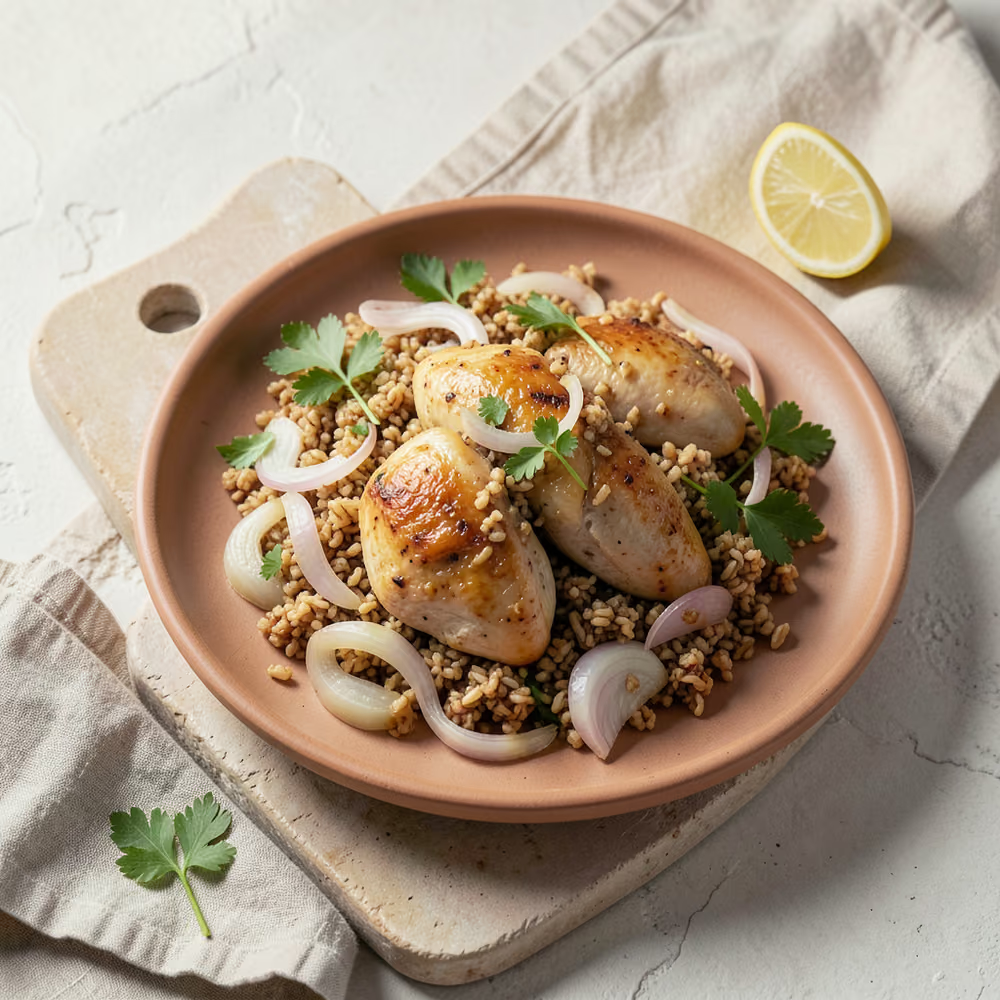
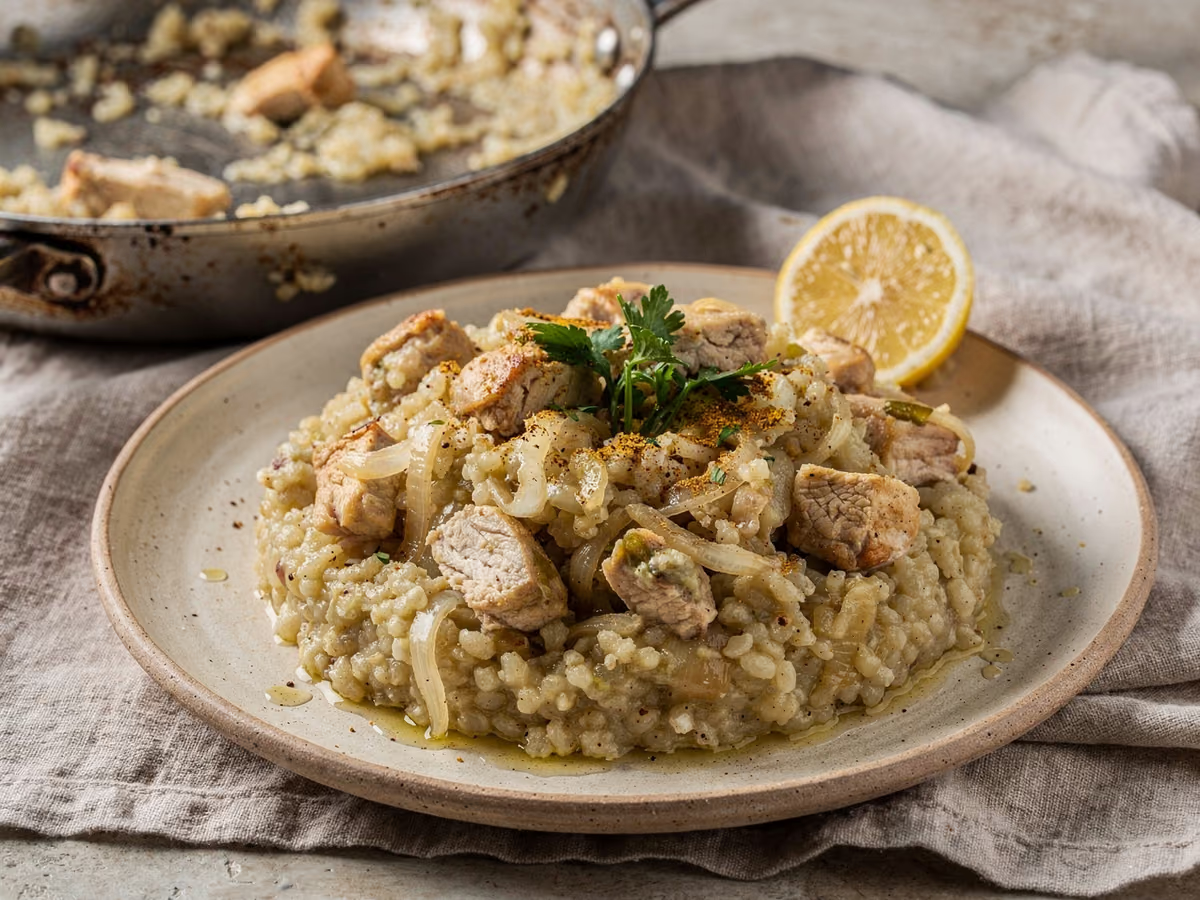
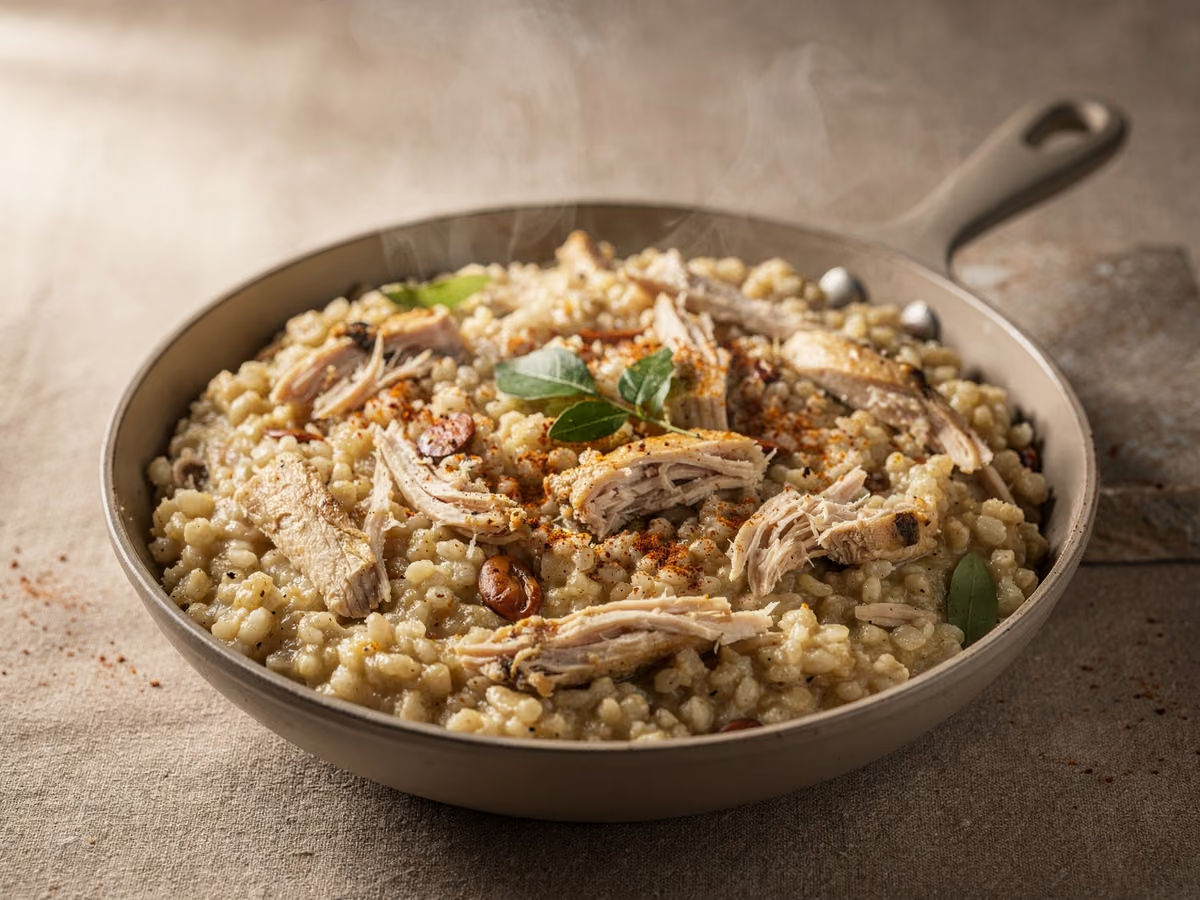
Jareesh is a Gulf porridge of coarsely cracked wheat slow-cooked with chicken, onion and warm spices until the grains give way into something between a savoury oatmeal and a soft pilaf. This version browns a whole 1 kg of chicken in the pot first, simmers it for 30 minutes, then cooks the wheat in the same seasoned broth for 45 to 60 minutes with a stir every 10 to 15, so it thickens without catching. Crisp fried onions and fresh coriander go on at the end. Prep is 20 minutes; the rest is patient, mostly hands-off cooking.
- Prep
- 20 min
- Cook
- 90 min
- Total
- 110 min
- Serves
- 6
Ingredients
What you’ll need — tap to tick off as you go
- 300 g
- 1 kg
- 3 tbsp
- 1 tsp
- 1 tsp
- ½ tsp
- ½ tsp
- ½ tsp
- 1 tsp
- 1 ½ l
- 200 g
- 15 g
Process
Timers built in · swap anything · ask as you cook
Heat 2 tbsp of the vegetable oil in a large heavy pot over medium heat, add the 2 finely chopped onions and cook for about 5 minutes, until soft and pale gold. Sweating them first builds the sweet base; onions browned hard at this stage turn bitter over the long cook that follows.
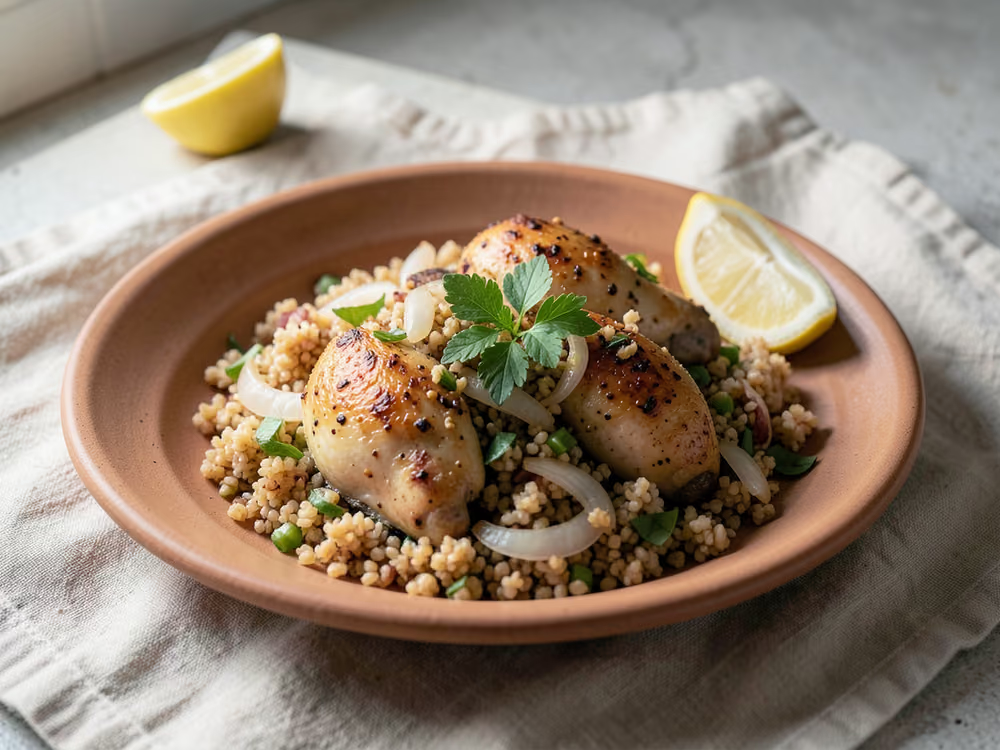
Push the onions to the side, add the 1 kg chicken pieces and brown them on all sides for about 5 minutes. Browning is flavour here: the browned layer on the base of the pot is what the spices and water dissolve into, and it becomes the broth the wheat cooks in.
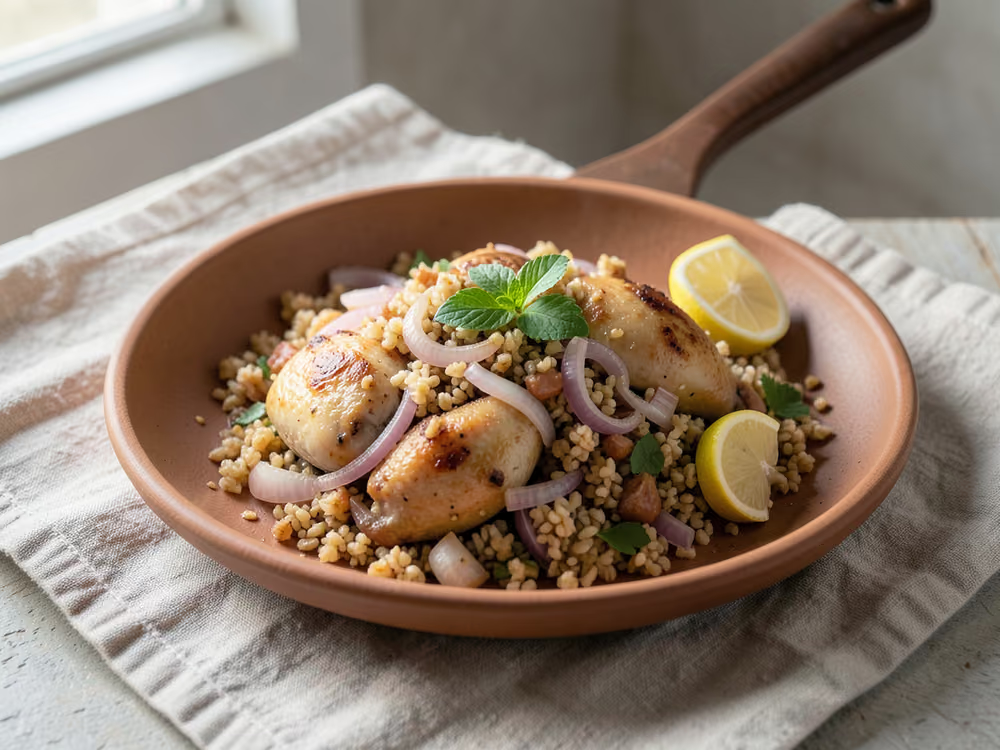
Add 1 tsp ground cumin, 1 tsp ground coriander, 0.5 tsp ground turmeric, 0.5 tsp ground cinnamon, 0.5 tsp black pepper and 1 tsp salt, and cook for 1 minute, stirring, until the spices smell toasted and coat the chicken. A minute in hot oil is what turns the powders from dusty to fragrant.
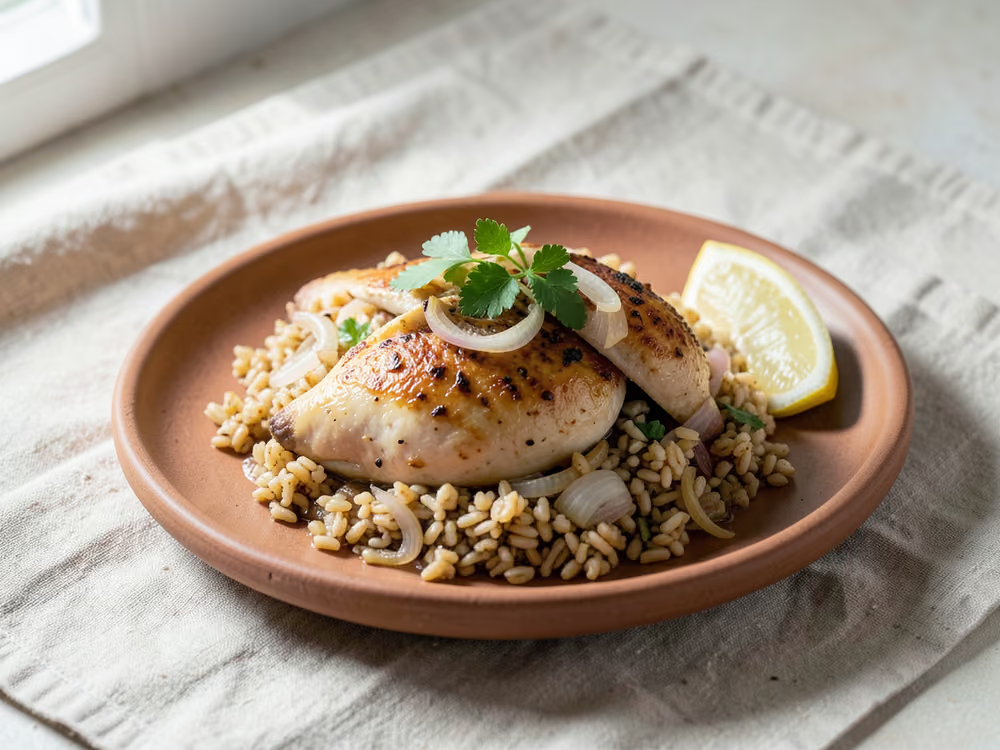
Pour in the 1.5 litres of hot water and bring to a boil, then reduce the heat to low, cover and simmer for 30 minutes, until the chicken is cooked through. Check the thickest part of a thigh reads 74°C, the USDA FSIS minimum for poultry, before you go on.
Stir in the 300 g rinsed cracked wheat, cover and simmer on the lowest heat for 45 to 60 minutes, stirring every 10 to 15 minutes and scraping the base each time, until the wheat is completely soft and the mixture has the consistency of a thick porridge. Add hot water 100 ml at a time if it stiffens before the grains are done.
While the wheat cooks, heat the remaining 1 tbsp oil in a small frying pan over medium heat and fry the 1 sliced onion until golden and crisp, then drain on paper towels. Fried onion loses its crunch within hours, so time it to finish near serving rather than early.
Lift the chicken pieces out with a slotted spoon and shred the meat with two forks, discarding the bones, then fold it back through the porridge. Check the seasoning now: the wheat has absorbed much of the salt already, and this is your last easy chance to adjust it.
Serve hot in shallow bowls, topped with the fried onions and the 15 g chopped coriander, with the 200 g of yogurt passed at the table. Leftovers thicken as they stand, so loosen each portion with a spoonful of hot water before it goes out.
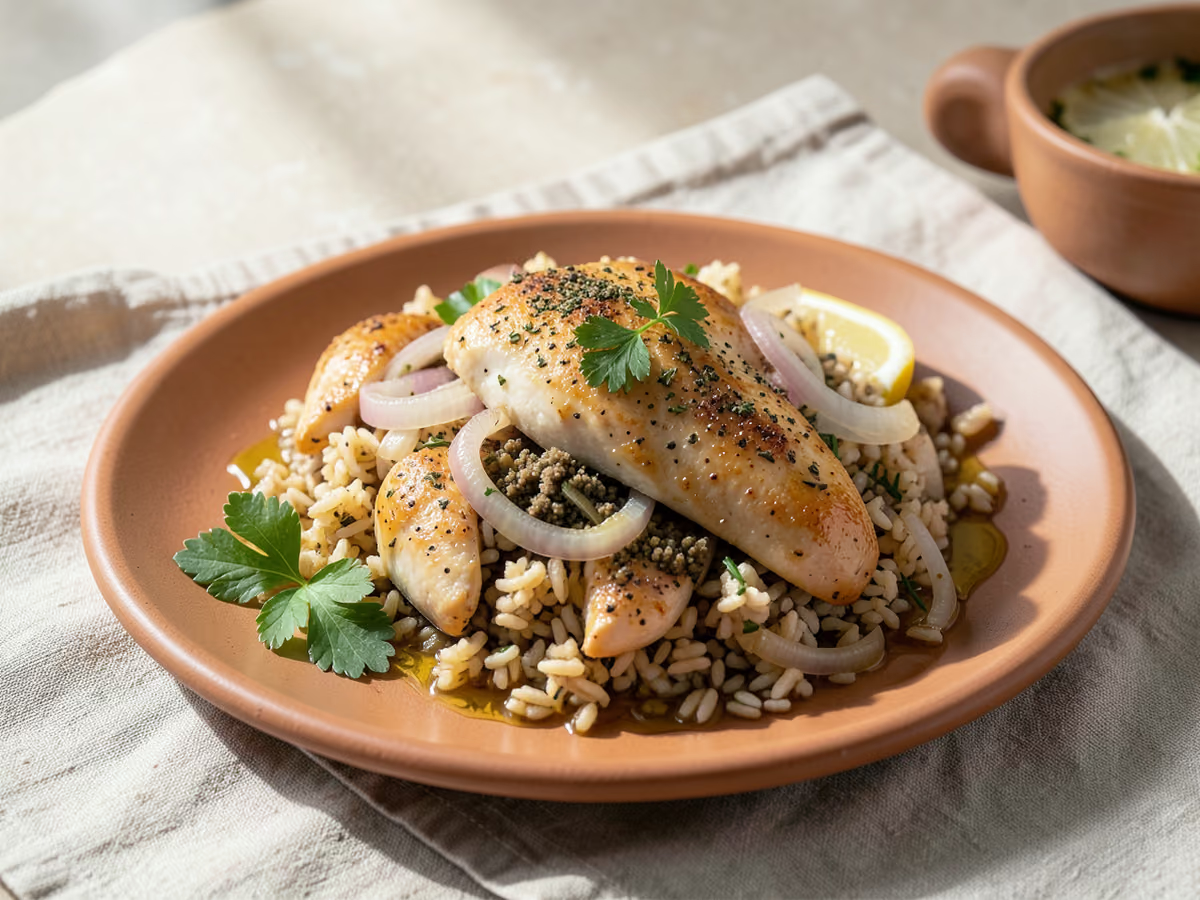
Why this recipe works
Cracked wheat softens by absorbing liquid, and then its own released starch does the rest: given enough time at a bare simmer, the grains swell and break at the edges into the porridge Gulf kitchens call jareesh. Cooking the wheat directly in the chicken's broth means each grain takes on rendered fat and spice from the first minute, which is why the dish needs no thickener. Hot water matters when you top the pot up — cold water drops the temperature and can seize the starch, leaving the outside gluey while the centre stays gritty. Keeping the heat truly low is what stops the wheat scorching on the base before it is done.
Equipment
- Heavy-bottomed pot, 4 to 5 litres, with a tight-fitting lid
- Wooden spoon with a flat edge for scraping the base
- Small frying pan for the garnish onions
- Slotted spoon for lifting the chicken
- Kettle of hot water kept beside the stove
- Instant-read thermometer
- Two forks for shredding the chicken
Kitchen notes
Kitchen notes
- Rinse the cracked wheat until the water runs clear. It sheds dust and loose starch, and rinsed grains give a cleaner-tasting, less pasty porridge.
- Fry the onion rings in a single layer and do not salt them in the pan: salt draws out moisture and the rings lose their crunch within minutes.
- For a creamier bowl, beat the porridge hard with a wooden spoon for a minute before the chicken goes back — the grains break down into a smoother body, halfway to harees.
- Put a kettle of hot water on before you start. The porridge tightens at an unpredictable moment, and cold water added then sets the outside of the grains gluey.
- If you like the onion two ways, hold back half the fried rings and stir them through the porridge just before serving, so some soften into the wheat while the rest stay crisp on top.
Common mistakes
- Gluey, sticky jareesh: too little water or too high a heat, so the wheat breaks down into a paste instead of a soft porridge. Keep the pot at a bare simmer, add hot water 100 ml at a time whenever it stiffens, and stir only every 10 to 15 minutes — constant stirring does the same damage.
- Wheat still gritty after an hour: it did not get enough liquid or enough time. Add 100 ml hot water, cover and simmer 10 minutes more, then check again — and check the bag, because fine bulgur is already done at this point while whole grains will take far longer.
- A burnt taste underneath: the wheat caught on the base during a long gap between stirs. Scrape the bottom on every pass, keep the heat at the lowest that holds a slow bubble, and if it does catch, move the unburnt porridge to a clean pot rather than stirring the scorched layer through.
- Dry, stiff porridge: the lid did not seal, or too little water went in at the start. Check that the lid fits, keep hot water on the stove, and top up 100 ml at a time as the wheat drinks it in.
- Fried onions soft and greasy: the oil was not hot enough, or the rings were crowded in the pan. Fry them in a single layer to a deep gold and drain on paper towels; pale rings go limp the moment they hit the porridge.
- Bland bowl at the end: the broth went in under-salted and the wheat absorbed what little salt there was. Season the broth before the wheat goes in, then taste again after the chicken is folded back and adjust before serving.
Serving suggestions
- Serve in shallow bowls as the main event, six portions, with the yogurt, fried onions and coriander brought to the table so each person can dress their own.
- Warm flatbread and a sharp tomato salad are the traditional companions; the wheat is rich, so keep everything else light and let the porridge be the centre.
- Do not skip the yogurt: a spoonful over each portion cuts the richness and cools the warm spices, and it is the contrast the dish is built around.
- Jareesh is eaten hot with a spoon and tightens as it sits; serve it loose from the pot and loosen each bowl with a splash of hot water rather than more cooking.
Variations
- Soaked-ahead version: soak the cracked wheat in cold water for 30 minutes while the chicken browns, then drain it before it goes into the pot. The head start shortens the simmer to about 45 minutes and softens the outside of the grains first.
- Pressure-cooker jareesh: cook the chicken, wheat and water together under low pressure following your cooker's guidance for grains, roughly 25 minutes, then let the pressure drop on its own, shred the chicken and finish with the fried onion topping.
- Stirred-in yogurt finish: whisk the 200 g of yogurt into the pot off the heat just before serving for a tangier, creamier bowl; hold the pot below a simmer so the yogurt warms through without splitting.
Refrigerator
- RefrigeratorCool the pot within 1 hour — a thick porridge holds heat, and USDA FSIS allows no more than 2 hours at room temperature in any case — then store in an airtight container in the fridge for up to 3 days. The wheat thickens as it sits, so loosen with 2 to 3 tbsp hot water per portion.
- ReheatingReheat in a saucepan over low heat with a splash of hot water, stirring often, until it reaches 75°C — a degree above the USDA FSIS 74°C safe reheating minimum — or microwave covered in 1 minute bursts, stirring between each. Add water 1 tbsp at a time to bring back the porridge consistency.
- FreezingUp to 2 months, frozen without the fried onions and coriander. Portion into freezer bags or containers, press flat and thaw overnight in the fridge; the wheat softens slightly more on thawing, which is normal for cooked cracked wheat.
- Make aheadCook it up to 2 days ahead and reheat gently with a splash of hot water; fry the onions and chop the coriander on the day, because the rings lose their crunch within hours. The dish also holds on the lowest heat, covered, for a while at a gathering — keep hot water nearby and loosen it as it tightens.
Updated:
How this recipe was developed
- The National (UAE) on harees and Gulf grain cooking (jareesh is cracked wheat, coarser, lumpier and more spiced than the smoother whole-wheat harees; the grain is cooked long and slow until soft)
- Around the Table, jareesh with chicken (simmer the chicken to 74°C first, then cook the cracked wheat 45 to 55 minutes until thick and creamy; finish with yogurt)
- The Big Sweet Tooth, Emirati jareesh (soak the cracked wheat ahead, cook chicken and wheat together under pressure, finish with yogurt and a fried onion topping)
- USDA FSIS safe minimum internal temperatures and leftovers guidance (poultry 74°C; refrigerate within 2 hours; reheat to 74°C; 3 to 4 days in the fridge)
Editorial references are kept internally for verification. This page makes no claim of external certification or professional testing.
Gallery
FAQ
The questions we get asked most
Why did my jareesh turn out gluey and sticky?
Too little water or too high a heat, which makes the cracked wheat break down into a paste instead of a soft porridge. Keep the pot at a bare simmer, add hot water 100 ml at a time whenever it looks stiff, and stir only every 10 to 15 minutes — stirring constantly does the same damage.
Why is my jareesh dry and tough instead of soft?
The wheat did not get enough liquid or enough time, so the grains stayed firm at the centre. Add 200 ml hot water, cover and simmer 15 to 20 minutes more, stirring every 5 minutes, and check that your lid fits tightly, because escaping steam speeds up evaporation.
Can I use a different grain if I cannot find jareesh?
Fine bulgur is the closest swap, the same 300 g, but it cooks in 25 to 30 minutes, so start checking early. Coarse bulgur needs about the same time as jareesh and gives a slightly firmer texture. Instant oats turn to mush within minutes and are not a substitute.
How do I know when the chicken is fully cooked?
After the 30-minute simmer, the thickest part of a thigh should read at least 74°C, the USDA FSIS minimum for poultry — the recipe's own 75°C target gives a small margin — and the juices should run clear. If you are unsure, simmer 5 minutes more; the meat should shred easily with two forks, with no pink near the bone.
Can I make chicken jareesh ahead of time?
Yes, up to 2 days ahead in a covered container in the fridge, reheated gently with a splash of hot water. Make the fried onions fresh on the day, because they lose their crunch within hours, and leave the yogurt and coriander for serving time.
Can I freeze chicken jareesh?
Yes, up to 2 months, frozen without the fried onions and coriander. Thaw overnight in the fridge and reheat over low heat with 2 to 3 tbsp hot water until it reaches 75°C, a degree above the USDA FSIS 74°C reheat minimum; the texture comes back slightly softer, which is normal for cooked cracked wheat.
What is jareesh, and is it the same as harees?
Jareesh is the Gulf dish of coarsely cracked wheat slow-cooked with meat; harees is its whole-wheat cousin, smoother and usually plainer, while jareesh keeps a little grain and takes warm spices and a crisp onion topping. Across the Gulf it is a Ramadan and winter staple, and it is often described as one of Saudi Arabia's national dishes.
Ask KitchenMind about this recipe
Tell it what’s different tonight — it works within the actual recipe.