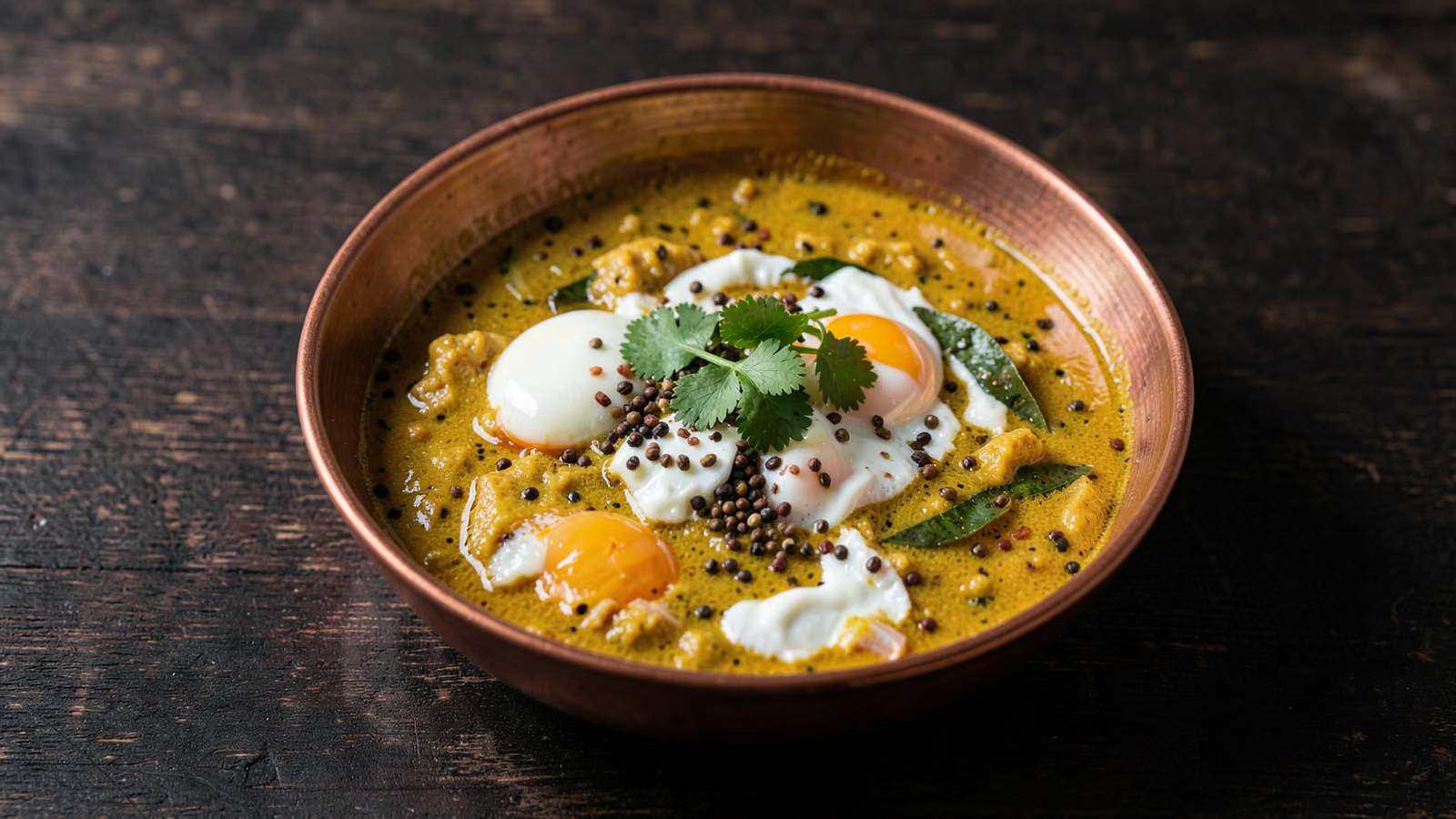
Avial Mixed Vegetable Curry
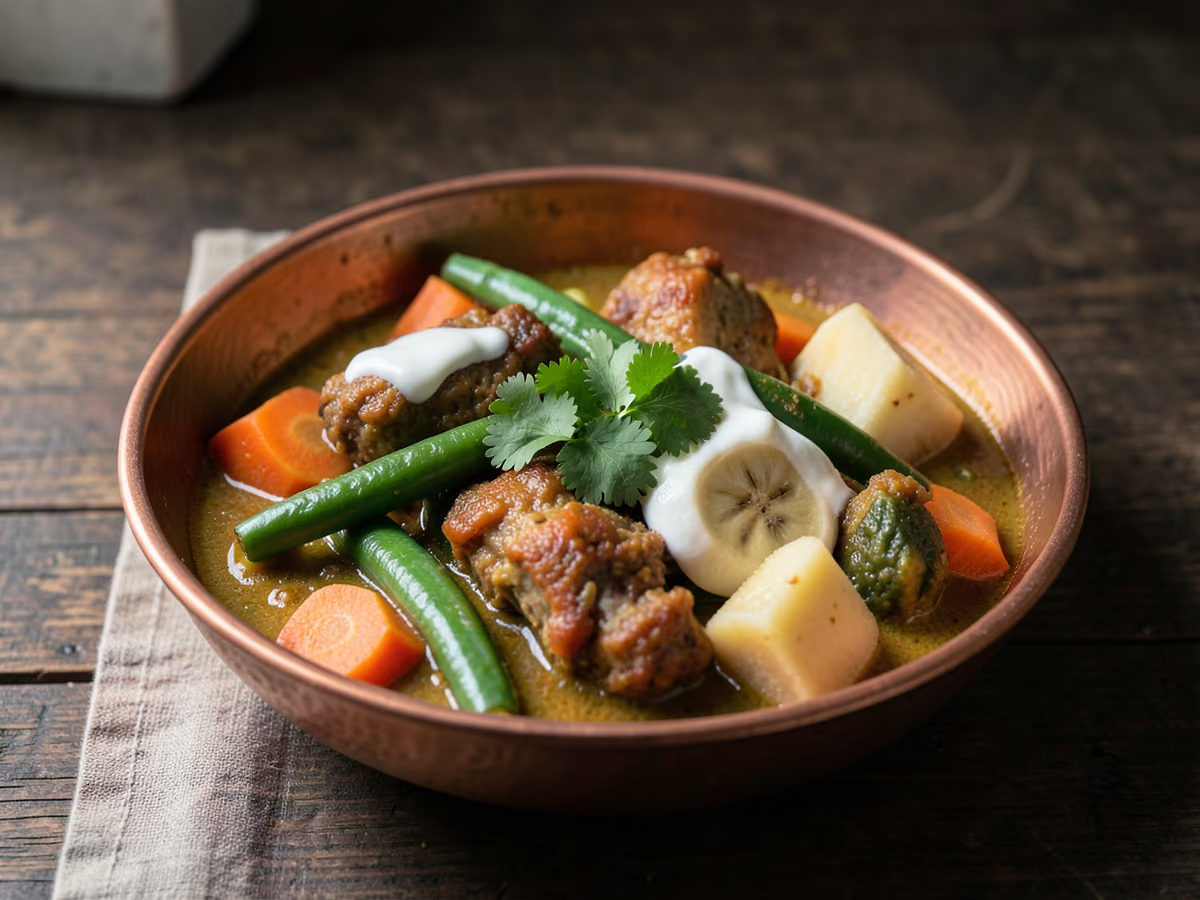
Curd goes into avial last, off the heat, and that one rule decides the dish. Cross it and your 150 g of yogurt tightens into grains inside a sauce that should be pale, glossy, and loose enough to slide off your spoon. Respect it and the pot delivers Kerala's quiet classic: six vegetables — carrot, beans, drumstick, raw banana, yam, snake gourd — under a coconut and cumin paste sharpened with green chili. Forty minutes, one pot, four portions, and no gravy to rescue at the end.
- Prep
- 15 min
- Cook
- 25 min
- Total
- 40 min
- Serves
- 4
Ingredients
What you’ll need — tap to tick off as you go
- 150 g
- 100 g
- 100 g
- 100 g
- 100 g
- 1 tsp
- ½ tsp
- 1 tsp
- 150 g
- 2 tbsp
- 1 tsp
Process
Timers built in · swap anything · ask as you cook
Put the 150 g carrots, 100 g beans, 2 drumsticks, 1 raw banana, 100 g yam, and 100 g snake gourd in a pot with 200 ml water, 0.5 tsp turmeric, 3 slit green chilies, and 1 tsp salt. Boil over medium heat, then lower the flame, cover, and simmer 10 to 12 minutes, until your knife slides through the thickest piece of yam. Drain the pot. Keep that starchy water for the sauce.
While the pot simmers over low heat, grind the 100 g grated coconut with 1 tsp cumin seeds and 2 to 3 tbsp water. Stop while white flecks still show. Coarse beats smooth here. A smooth puree turns your sauce pasty and buries the coconut's texture, which is half of what makes avial avial.
Add the coconut paste to the drained vegetables and fold it through with your wooden spoon, lifting from the bottom instead of stirring hard. Simmer uncovered over low heat for 3 to 4 minutes, until the raw smell of coconut and cumin lifts. Then take the pot off the burner. From here the dish finishes on residual heat.
Whisk your 150 g yogurt until it runs smooth, then add it to the warm vegetables in three or four additions, folding between. Do not put the pot back on a flame. If the mixture feels cool, warm it over the lowest heat for 1 minute, lifting it off the moment steam rises. It's fine if the pot feels warm. Warm is enough. A simmer is the line, and crossing it costs you the sauce.
Heat the 2 tbsp coconut oil in a small pan over medium heat. Add 1 tsp mustard seeds and give them about 30 seconds to pop and dance, then drop in the 10 curry leaves and count 10 seconds, no more. Pour the whole pan, oil and seeds, over your avial (the seeds cling to the vegetables) and fold once. Burnt curry leaves turn the whole tempering acrid.
Let the pot sit, covered and off the heat, for 5 minutes before you serve it. The vegetables pull coconut and curd into their edges during that pause, and the curry leaves perfume the whole pot. Serve it warm, not blazing hot. Steamed rice alongside. Avial at room temperature is a different, quieter dish, and it is just as good.
Why this recipe works
Why does a pot of vegetables thicken into a sauce with no flour in it? Two things. One is starch. The yam and the raw banana shed it into the 200 ml of simmering water, while the grated coconut adds fat and fine fiber that give that liquid body. Grinding the coconut coarse matters, because a smooth puree turns the sauce pasty. Then comes the fragile step. Curd is a gel of milk proteins held together by acid, and heat past roughly 70°C makes those proteins contract and push out whey. Whisk it smooth and fold it into your pot off the flame. The gel survives.
Equipment
- Wide heavy-bottomed pot, 4 to 5 litres, with a tight lid
- Small blender jar or mortar and pestle for the coconut paste
- Box grater or fine rasp, if you are grating whole coconut
- Small frying pan, 12 to 15 cm, for the tempering
- Wooden spoon or wide silicone spatula
- Chef's knife and cutting board
- Colander set over a bowl, for the drained cooking water
Kitchen notes
Kitchen notes
- Grate the coconut on the fine side of a box grater and stop at damp, uneven crumbs. (Some flecks should still show in the paste.)
- A wide, heavy pot beats a deep narrow one here: the vegetables sit in a shallow layer, so they cook evenly and fold without breaking, and the pot holds its heat when the yogurt goes in. The weight matters.
- Keep a cup of your drained cooking water at the stove. If the sauce tightens after the yogurt, a spoonful of that warm liquid loosens it without washing out the flavor.
- Taste for salt after the yogurt, not before. Curd mutes salt, and your pot at step 3 usually wants a pinch more at the end.
- Worried the curd will split? Slide your pot off the burner a full minute before it goes in, and stir the yogurt in while the pot stays off the heat. Patience is the stabilizer.
Common mistakes
- Your sauce turns grainy and weeps whey: the pot boiled after the yogurt went in, or cold curd hit a hot pan; take the pot off the heat, whisk the yogurt smooth, and fold it in off the flame.
- The vegetables collapse into a mash: everything went in at once, or the pot was stirred instead of folded; keep the yam and banana at 2 cm, the beans at 5 cm, and lift rather than stir.
- The avial is thin and soupy: too much water stayed in the pot, or the coconut was pureed; drain the vegetables before the paste goes in, and keep the grind coarse.
- The coconut tastes raw and flat: the paste came off the heat too early; give it the full 3 to 4 minutes, until the raw edge goes and the kitchen smells of cumin.
- The finish is bitter: the mustard seeds or curry leaves scorched. Temper over medium heat. Give the seeds 30 seconds and the leaves 10.
Serving suggestions
- Steamed rice, ideally a medium-grain Kerala rice, with a thread of coconut oil on top and a pappadam at the side.
- Part of a sadya plate: sambar, a cabbage thoran, mango pickle, and this avial in the middle, warm rather than hot.
- Ten minutes off the heat is where your coconut reads sweetest. Day-old avial, loosened with a spoonful of warm water, is just as good.
- Leftover avial, cold from the fridge and folded through hot rice with a pinch of salt, makes a fast second lunch. Gather everyone while the curry leaves are still green.
Variations
- Raw mango version: add a peeled sour mango with the vegetables and cut the yogurt back; the sauce turns tangier and thinner, closer to the Tamil reading of the dish.
- Dry avial: use half the water, skip the draining, and fold the coconut paste in dry; it is served in smaller spoonfuls and tastes more of coconut than of curd.
- Vegan avial: swap the yogurt for coconut milk and finish yours with lime; the sauce is richer and holds without any risk of splitting.
- Seasonal swap: ash gourd, pumpkin, or chayote in place of the snake gourd and yam, at the same weights.
Refrigerator
- RefrigeratorCool your pot within 2 hours, then refrigerate in an airtight container for up to 3 days. The sauce will loosen and a little whey may sit at the edge. Stir it back in.
- ReheatingWarm it in a saucepan over low heat, stirring, until it reaches 74°C (the USDA target for leftovers). The curd will thin at that heat. Off the burner, stir in 1 tbsp of fresh yogurt to bring the sauce back to a gloss. No thermometer? Steam rising from the middle of the pan is the next best signal.
- FreezingNot recommended. The curd splits on thawing, the coconut oil separates, and the vegetables go watery; what you reheat is a shadow of the pot you froze.
- Make aheadCook the vegetables and grind the coconut paste up to 24 hours ahead and refrigerate them separately; add the yogurt and the tempering just before serving, which is the only way the sauce stays smooth.
Updated:
How this recipe was developed
- USDA FSIS, Leftovers and Food Safety: refrigerate cooked food within 2 hours, keep leftovers 3 to 4 days, and reheat them to 74°C.
- USDA FSIS, How Temperatures Affect Food: the 4°C to 60°C danger zone and the 74°C internal temperature for reheated food.
- The Hindu, Hearty mixed vegetable avial recipe: the Kerala vegetable set, 0.5 tsp turmeric, thick curd, and a coconut and cumin paste ground with green chili.
- Jinoo's Kitchen, Kerala Style Aviyal: curd stirred in off the heat with only the heat of the vegetables, coconut oil and curry leaves added last, and a 5 to 10 minute rest.
Editorial references are kept internally for verification. This page makes no claim of external certification or professional testing.
FAQ
The questions we get asked most
Why did my avial curdle?
Heat is the usual culprit. Curd splits once it passes roughly 70°C, so your pot has to come off the burner before the yogurt goes in, and the yogurt itself should be whisked smooth and added in stages. If it does split, pull it off the heat at once and stir in 1 tbsp of fresh yogurt; the sauce will not fully re-form, but it stops getting worse.
How do I know when the vegetables are done?
A knife should slide through the thickest piece of yam with no resistance while the beans and drumstick still hold their shape. Start checking yours at 10 minutes. The window is narrow, because another 3 or 4 minutes turns yam to paste and the sauce to mush.
Can I make avial without coconut?
You can, but it stops being avial. The closest swap is 100 g of cashews soaked in hot water and ground with the cumin and chilies; the sauce turns nutty and thicker, and the coconut aroma is gone. Desiccated coconut soaked in warm water is the better answer if the problem is fresh coconut rather than coconut itself.
Can I make avial ahead of time?
Yes, in two parts. Cook the vegetables and grind the paste up to 24 hours ahead, keeping them apart in the fridge. Reheat the vegetables gently, fold in the paste, then the yogurt and tempering at the last minute. A finished pot held overnight still tastes good, but the sauce thins and your vegetables soften.
Is avial vegan?
Not as written; the 150 g of yogurt is dairy, and the dish depends on it for the sour note. Coconut milk makes a good vegan substitute, and a plant yogurt can stand in for the curd if you add it off the heat exactly as you would dairy curd. Check your coconut oil too if that matters to you.
Can I freeze avial?
Not with good results. The yogurt splits when it thaws and the vegetables release water, so your sauce comes back thin and grainy. If you want a freezer version, freeze the vegetable and coconut base before the yogurt goes in and finish it fresh.
Why does my avial taste flat?
Three usual suspects: the coconut paste never cooked long enough, the salt went in short, or the tempering was made with tired curry leaves. The paste needs its 3 to 4 minutes, the salt is best adjusted after the yogurt, and the tempering should be made minutes before you eat.
Ask KitchenMind about this recipe
Tell it what’s different tonight — it works within the actual recipe.