Dal Tadka
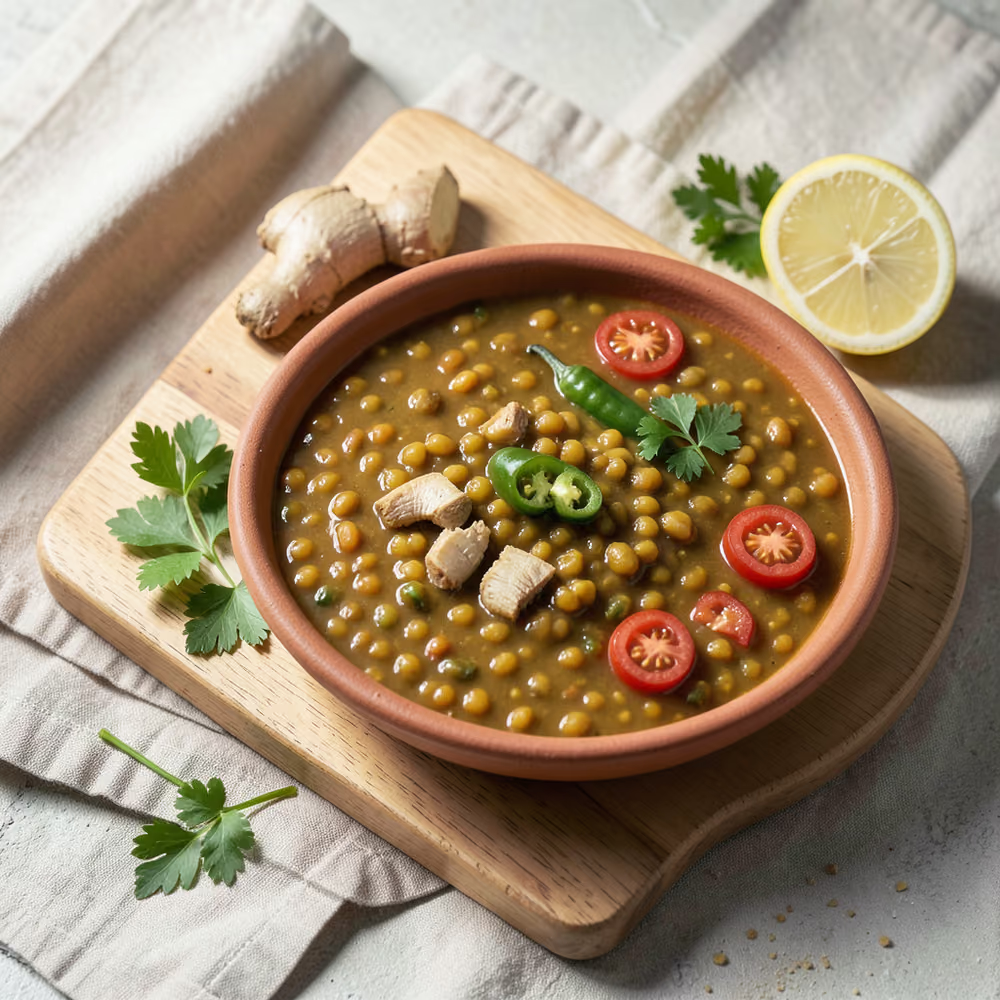
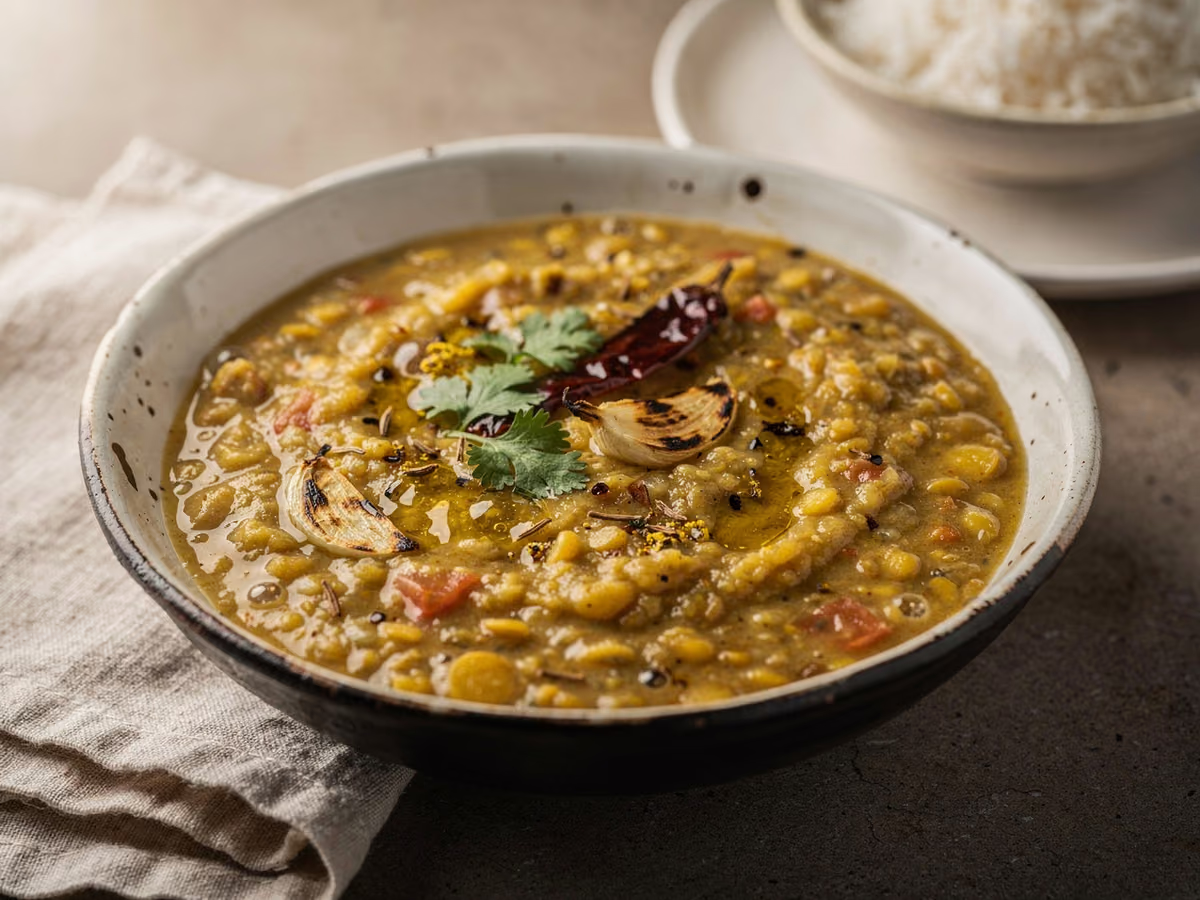
Dal tadka is the everyday Indian lentil curry: toor dal pressure-cooked until it crushes under a spoon, then finished twice, once with a ghee tempering of cumin, garlic, ginger, green chili and tomato stirred through, and once with a last-minute flash of dried red chilies and asafoetida poured sizzling over the top. That final tadka takes 10 seconds and is what makes the dish sing. Prep is 15 minutes and the pot is done in about 40, most of it unattended.
- Prep
- 15 min
- Cook
- 40 min
- Total
- 55 min
- Serves
- 4
Ingredients
What you’ll need — tap to tick off as you go
- 1 cup
- 3 cups
- ½ tsp
- 1 tsp
- 2 tbsp
- 1 tsp
- 4 cloves
- 1 tbsp
- ¼ tsp
- 2 tbsp
Process
Timers built in · swap anything · ask as you cook
Rinse the 1 cup toor dal and add it to the pressure cooker with the 3 cups water, 0.5 tsp turmeric powder and 1 tsp salt. Cook for 3 to 4 whistles, until the lentils are soft and mashy, then let the pressure drop on its own. Spicing and salting the cooking water seasons the dal from the inside, and a natural release keeps it creamy rather than watery.
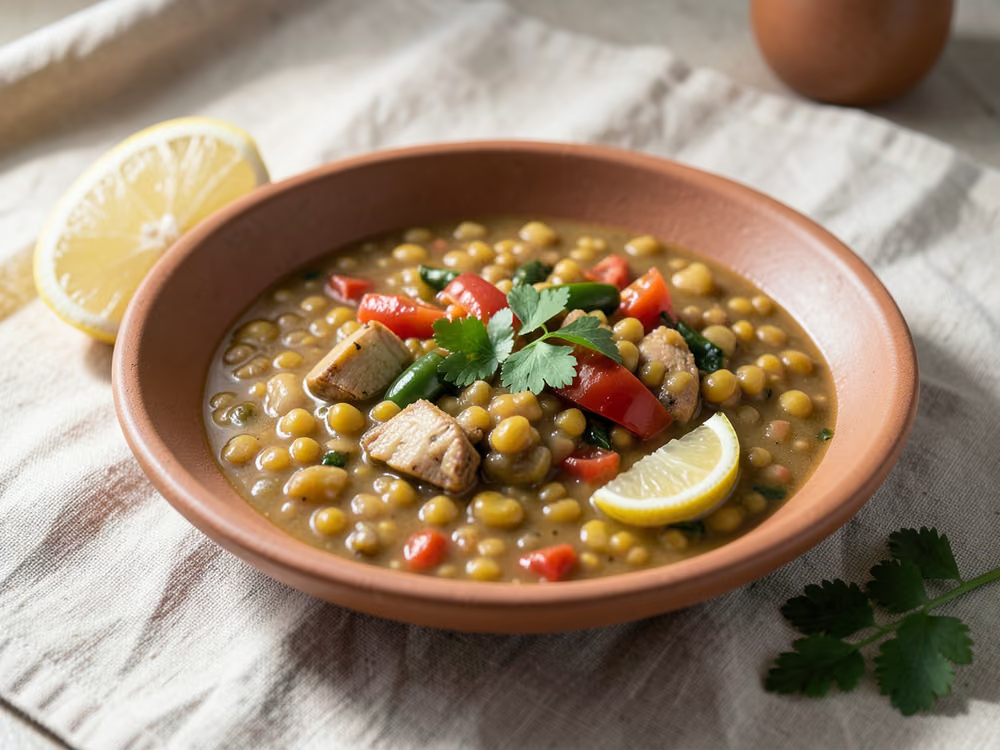
Open the cooker, then mash the dal lightly against the side with a spoon or whisk, most lentils broken and some left whole, and set it aside. Texture is the point: a fully smooth puree tastes flat and gluey, so mash rather than blend, and add a splash of hot water if it looks stiff.
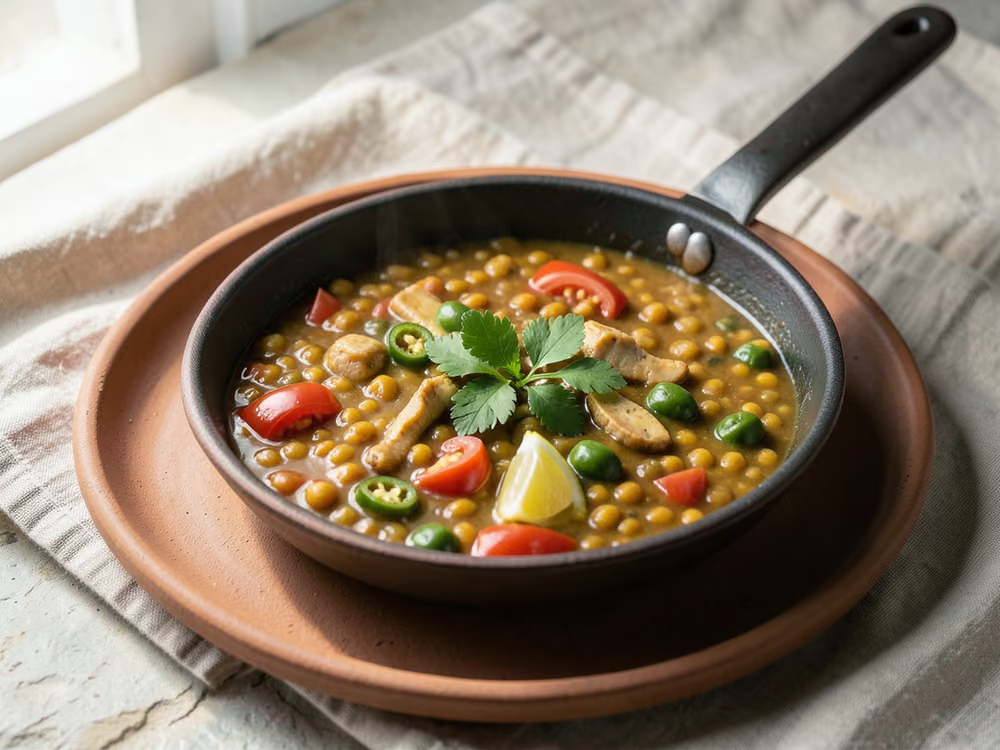
Heat 1 tbsp of the ghee in a small pan over medium heat and add the 1 tsp cumin seeds. Let them crackle and splutter until they smell warm and nutty and darken a shade; the moment the crackling slows, move on, because cumin turns bitter fast and the whole pot follows.
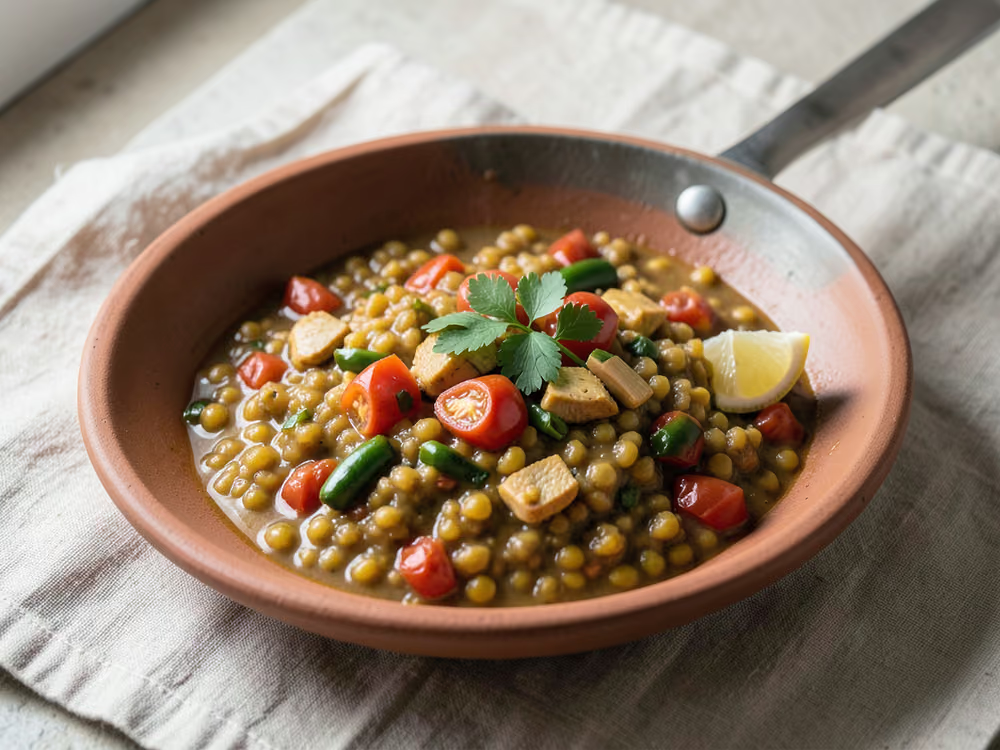
Add the 4 minced garlic cloves, the 1 tbsp grated ginger and the slit green chili and saute for 1 minute, until fragrant and the raw edge is gone. Keep everything moving: in ghee this hot, garlic goes from pale gold to acrid in seconds, and burnt aromatics are the most common reason a tadka tastes harsh.
Add the 1 chopped tomato and cook for 2 to 3 minutes, until it slumps and the ghee separates at the edges of the pan. That separation is the cue that the tomato has cooked down and the tempering is ready; tomato that is still wet when it meets the dal leaves the curry tasting raw.
Scrape the whole tempering into the dal, stir so the spiced ghee rinses the pan, and simmer on low for 5 minutes, loosening with hot water to reach a spoonable consistency. Hot water is the rule here: cold water makes the lentils seize and turn grainy, and it stalls the simmer.
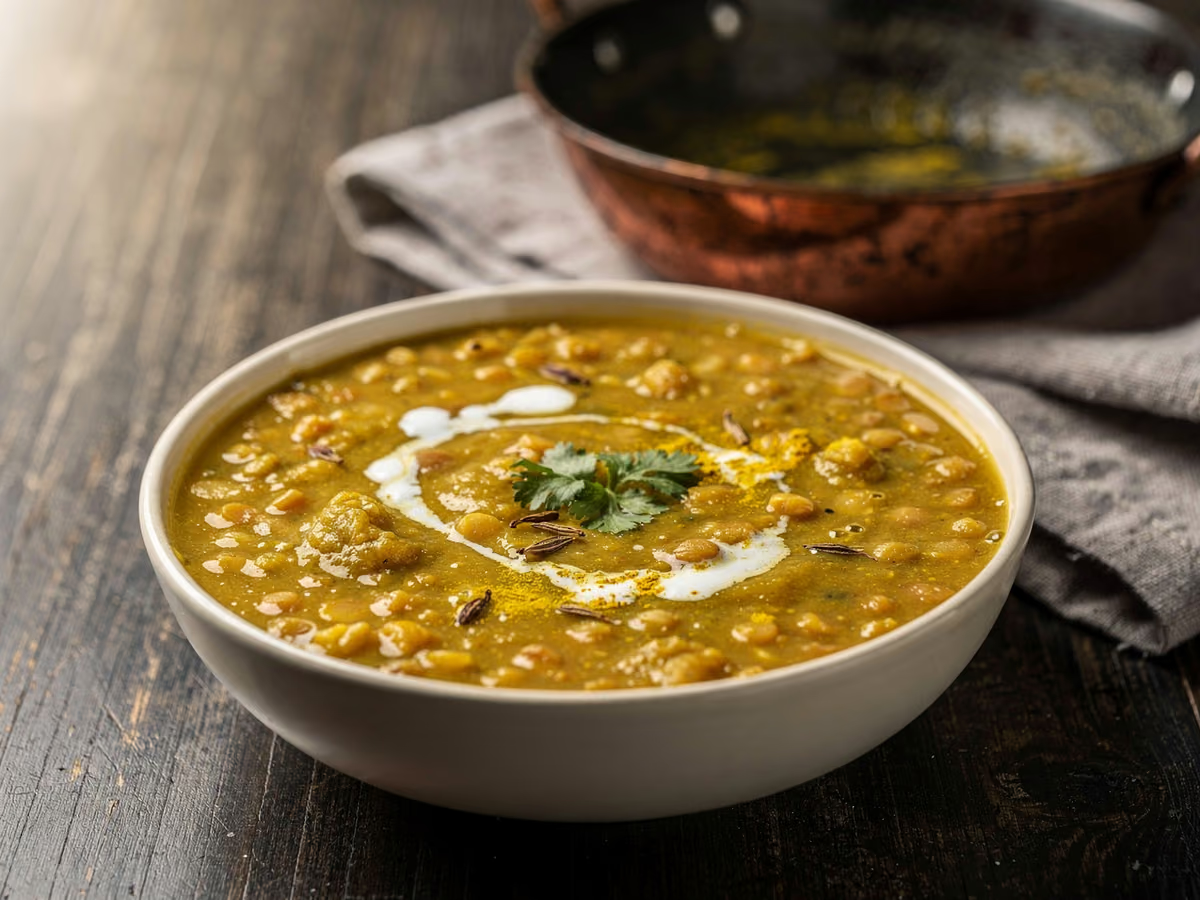
For the final tadka, heat the remaining 1 tbsp ghee in the small pan, add the broken dried red chilies and the 0.25 tsp asafoetida, and take the pan off the heat after about 10 seconds, once the chilies darken and the hing smells deep and savoury. Pour it over the dal at once, where it should crackle on contact, and scatter over the 2 tbsp coriander leaves.
Why this recipe works
The two temperings do different jobs. The first, cumin seeds bloomed in ghee, then garlic, ginger, chili and tomato cooked until the fat separates, extracts fat-soluble aromatics and disperses them through the whole pot, so the dal tastes seasoned rather than merely spicy. The second is pure aroma: asafoetida and dried red chilies need only about 10 seconds in hot ghee to turn fragrant, and pouring that ghee over the dal while it crackles carries the volatile compounds straight to the table. Mashing some lentils against the pot thickens the curry naturally, with no flour or cream.
Equipment
- Stovetop pressure cooker
- Small tadka pan or small frying pan
- Wooden spoon
- Measuring cups and spoons
- Fine sieve or colander for rinsing the dal
- Small bowl for the chopped aromatics
- Serving bowl and ladle
Kitchen notes
Kitchen notes
- Let the pressure drop on its own. A natural release takes longer but leaves the dal noticeably creamier; forcing it with the weight or cold water makes the lentils slightly watery and less silky.
- Treat asafoetida with respect: 0.25 tsp is right, and it wants about 10 seconds in hot fat rather than a raw stir-in. Keep the jar tightly sealed, because the smell that is so savoury in dal is overpowering straight from the spoon.
- Cook the dal a touch looser than you want it served. It thickens as it sits, and a dal that looks perfect off the stove is often thick within 20 minutes.
- Slit, do not chop, the green chili for a mild warmth that lets the cumin and asafoetida lead; chop it if your table likes heat, because the seeds and pith are where the fire lives.
- Break the dried red chilies under a spoon so they do not spit hot ghee, and keep the pan lid within reach; they can pop when they hit the fat.
Common mistakes
- A bitter, acrid pot: the final tadka stood too long over the heat and the dried chilies and asafoetida scorched in seconds. Heat the ghee until hot but not smoking, add them, and pull the pan off after about 10 seconds, before anything blackens. If it is already bitter, stir in a spoonful of ghee and a squeeze of lemon to soften it.
- Grainy, chalky lentils: undercooked dal, or cold water added later. Cook until 3 to 4 whistles leave the lentils crushable, and top up only with hot water, a quarter cup at a time.
- Gluey, pasty dal: blended or mashed to a puree. Mash lightly against the side of the cooker and stop while some lentils are still whole; the dish should spoon like a loose porridge, not a paste.
- A harsh, raw-flavoured curry: the tomato never cooked down, or the tempering went in before its raw edge left. Wait for the ghee to separate around the tomato before it joins the dal, and give the garlic and ginger their full minute.
- Dal that thickens to cement: toor dal keeps absorbing water as it stands. Aim for slightly looser than you want at the table and loosen it with hot water while it is still simmering; a fully set dal needs more water and more patience to come back.
- A tadka with no crackle: it was made early and poured over dal that was not hot. Reheat the dal first, make the final tadka at the last moment, and pour it over at the table, because the aroma fades within an hour.
Serving suggestions
- Serve over steamed basmati rice or with roti, naan or paratha; the dal is the sauce, so mop generously.
- Spoon it into four bowls and finish each with some of the pooled ghee and coriander from the top of the pot, with a lemon wedge for anyone who wants lift.
- A spoonful of plain yogurt or a bowl of raita alongside cools the chili heat and adds a creamy contrast.
- End the meal with something cooling, such as a glass of salted lassi, iced tea or sparkling water, to calm the spice.
Variations
- Vegan finish, a different note: swap both tablespoons of ghee for neutral oil. The dal is dairy-free and still very good, but the toasted-ghee aroma that most people recognise as dal tadka is missing.
- Lasooni, garlic-forward: add a few extra thinly sliced garlic cloves to the final tadka with the dried chilies and let them turn light gold before pouring. The garlic moves to the front of the dish without changing anything else.
- No pressure cooker: simmer the rinsed dal, water, turmeric and salt in a covered pot, keeping the lentils covered with hot water and stirring now and then, until a lentil crushes easily. The mashing and both temperings stay exactly the same.
Refrigerator
- RefrigeratorCool the dal and refrigerate it within 2 hours in an airtight container for up to 4 days; keep the tadka poured on top, where its ghee seals in moisture. USDA FSIS guidance allows 3 to 4 days for leftovers.
- ReheatingReheat gently on the stovetop or in the microwave in 1-minute bursts, adding 2 to 3 tbsp of hot water per cup and stirring, until it reaches 74°C, the USDA FSIS reheat temperature for leftovers. Do not boil it hard: a rolling boil breaks the lentils apart.
- FreezingUp to 3 months, without the final tadka. Freeze the dal and first tempering together, thaw overnight in the fridge, and pour a fresh tadka over the top at serving; the lentils come back a little softer, but the flavour holds.
- Make aheadThe dal and the first tempering can be made up to 2 days ahead, and the flavours deepen overnight. Keep the final tadka for the moment of serving, because its crackle and aroma fade within an hour, so make it fresh over the reheated dal.
Updated:
How this recipe was developed
- Cook with Manali dal tadka (1 cup toor dal with 0.5 tsp turmeric, 1 tsp salt and 3 cups water, pressure cooked for 4 whistles)
- Swasthi's Recipes on cooking toor dal (pressure cook for 3 to 4 whistles on a medium flame until soft and mashy; mash with the back of a ladle while hot)
- Wonder Chef guide to pressure-cooking dal (let the pressure release naturally for the creamiest result; forced release makes dal slightly watery; add chili to the tadka off the heat because it burns immediately)
- USDA FSIS leftovers and food safety guidance (refrigerate within 2 hours; 3 to 4 days in the fridge; reheat leftovers to 74°C)
Editorial references are kept internally for verification. This page makes no claim of external certification or professional testing.
Gallery
FAQ
The questions we get asked most
Why did my dal tadka turn out bitter?
Bitterness is almost always the final tadka: dried red chilies and asafoetida scorch in seconds if the ghee is too hot. Heat the ghee until hot but not smoking, add them, and pull the pan off the heat after about 10 seconds. If the pot is already bitter, stir in a tablespoon of ghee and a squeeze of lemon to round it off.
What is asafoetida, and can I leave it out?
It is a resin from a giant fennel relative, sold powdered as hing, and it is the savoury backbone of a tadka, the closest thing dal has to onion and garlic depth in a single pinch. Leaving it out will not ruin the dish, but the dal tastes flatter; a pinch of garlic powder is the nearest swap, added with the dried chilies.
Can I make dal tadka ahead of time?
Yes. The dal and first tempering keep for up to 2 days covered in the fridge and deepen overnight. Make the final tadka fresh just before serving and pour it over the reheated dal, because the crackle and aroma fade within an hour. Reheat the dal to 74°C first.
How do I know the toor dal is fully cooked?
After 3 to 4 whistles and a natural release, press a lentil between your fingers or against the pot: it should crush with no resistance and look mushy at the edges. If it still feels firm or chalky, add half a cup of hot water and cook for 2 more whistles; undercooked toor dal stays grainy and will not thicken the curry properly.
Why is my dal too thick or too thin?
Toor dal absorbs water as it stands, so a dal that looks perfect off the stove often sets within 20 minutes. Loosen it with hot water a quarter cup at a time while it is still simmering; if it is too thin, simmer it uncovered for 5 to 8 minutes, stirring, until it coats the back of a spoon.
Can I use canned or frozen shortcuts?
Canned toor dal works in a pinch: use about 2.5 cups of drained, rinsed dal, skip the pressure cooking, and simmer it with the turmeric and salt for 10 minutes before the temperings. Frozen chopped tomato is fine too, but drain it well first so the tempering does not turn watery.
How spicy is dal tadka?
Mild to medium as written: 1 slit green chili and 2 dried red chilies flavour the ghee more than they heat the bowl. For more warmth, chop the green chili instead of slitting it or add a pinch of red chili powder off the heat; for less, use just one dried chili.
Ask KitchenMind about this recipe
Tell it what’s different tonight — it works within the actual recipe.