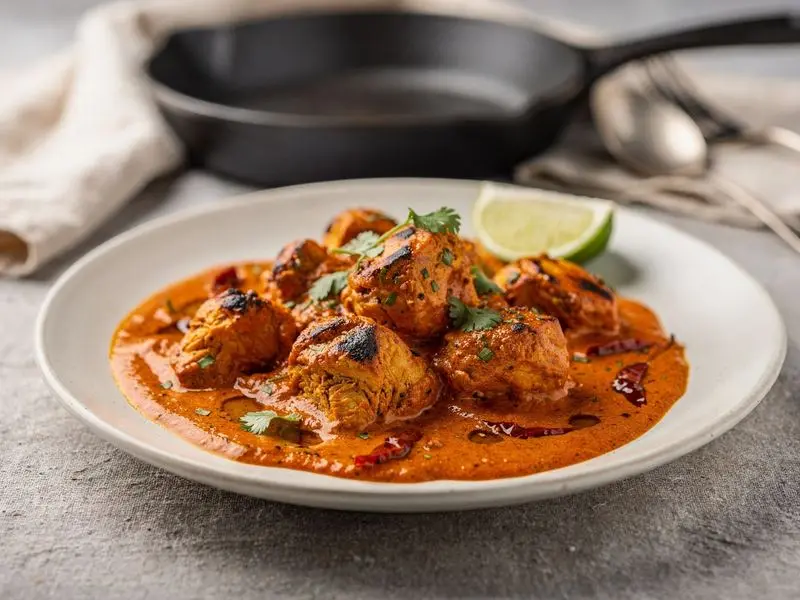
Butter Chicken Curry
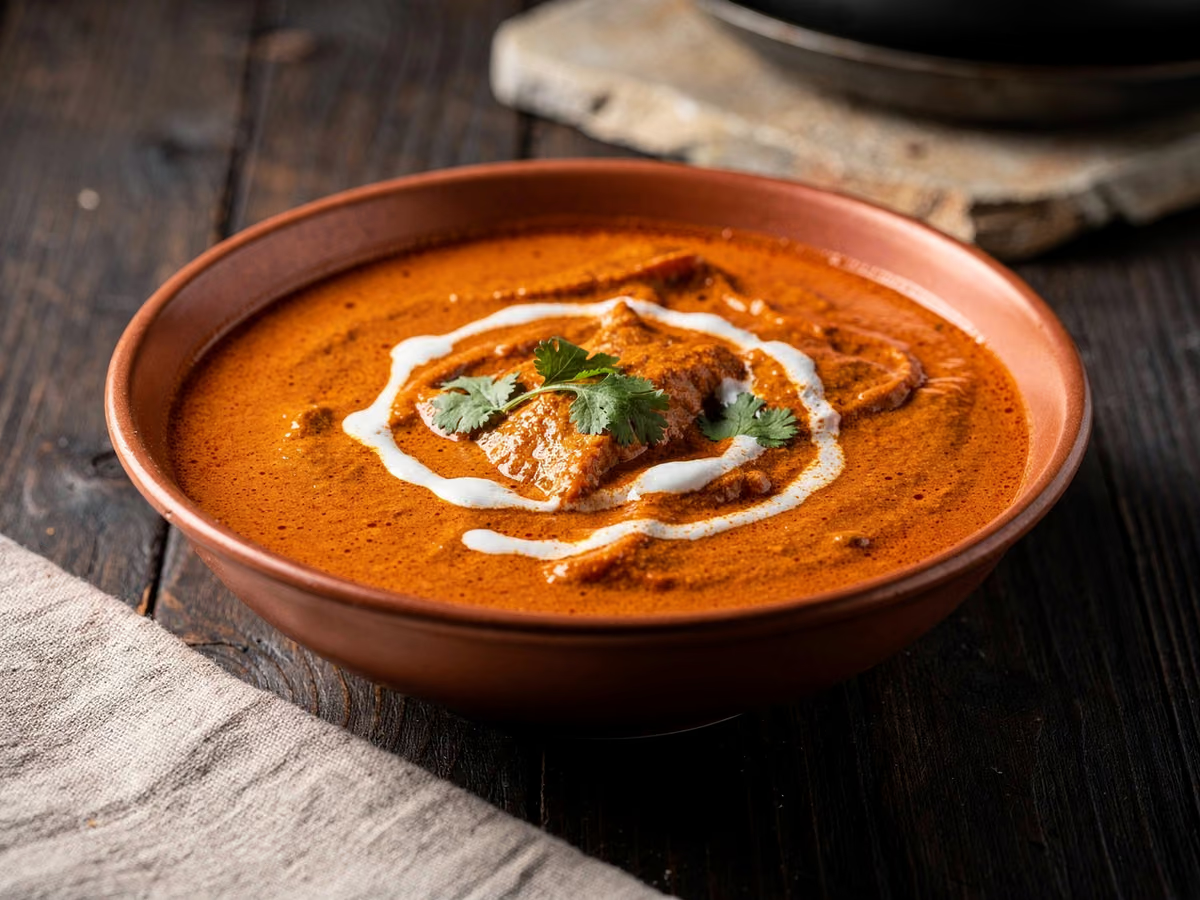
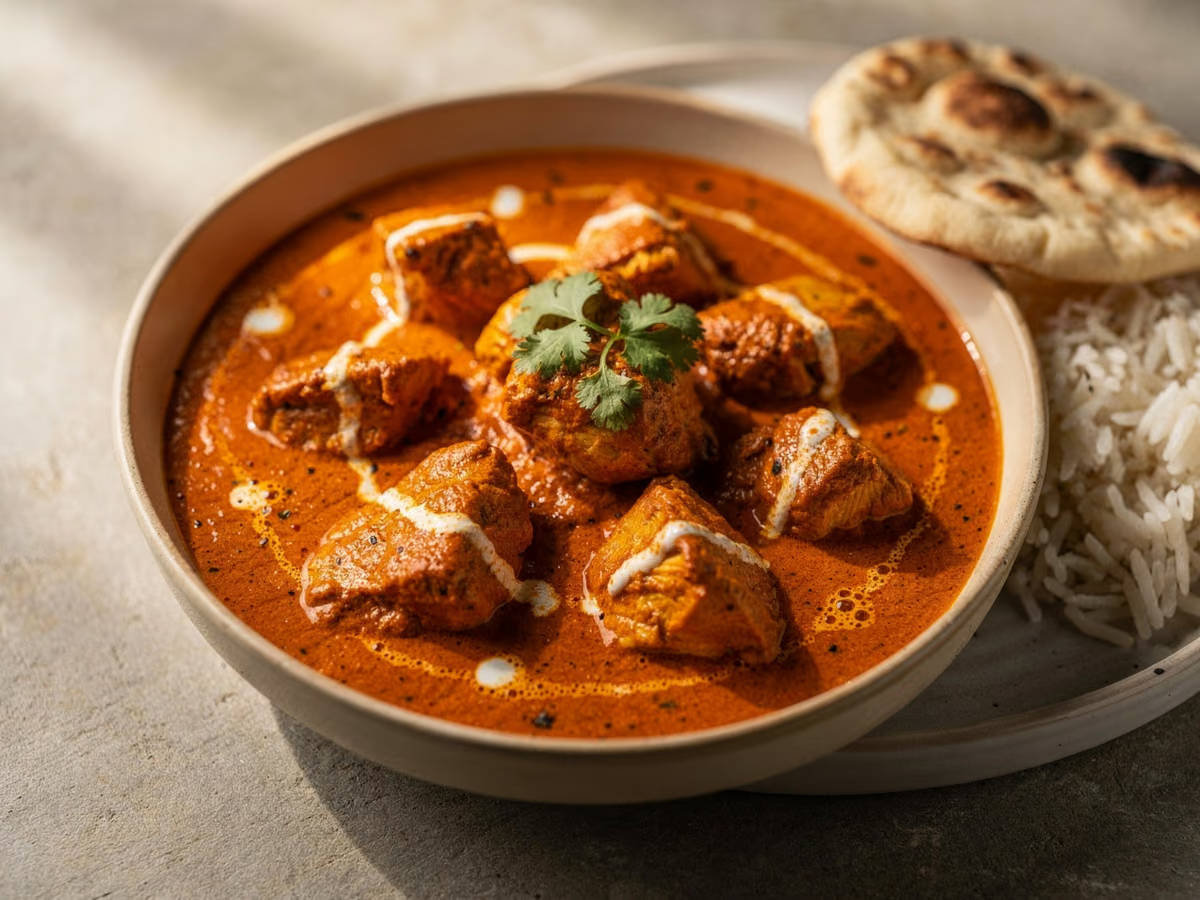
Butter chicken, murgh makhani: chicken breast marinated in yogurt with garam masala, turmeric, cumin and lemon juice, browned in butter, then simmered in a tomato sauce finished with cream and crushed kasuri methi. The marinade needs at least an hour, ideally overnight; the pan work takes about 40 minutes, browning the chicken, softening the onion, cooking the tomato base until it darkens and the fat separates, and bringing it all together. Serve with naan or rice — it tastes even better the next day.
- Prep
- 20 min
- Cook
- 40 min
- Total
- 120 min
- Additional time
- 60 min
- Serves
- 4
Ingredients
What you’ll need — tap to tick off as you go
- 500 g
- 150 g
- 1 tbsp
- 1 tsp
- ½ tsp
- 1 tsp
- 1 tsp
- 60 g
- 3 cloves
- 1 tbsp
- 400 g
- 1 tsp
- 1 tsp
- 200 ml
- 1 tbsp
- 2 tbsp
Process
Timers built in · swap anything · ask as you cook
In a bowl, whisk the 150 g yogurt, 1 tbsp lemon juice, 1 tsp garam masala, 0.5 tsp turmeric, 1 tsp cumin and 1 tsp salt, then fold in the 500 g chicken until every side is coated. Chill it, covered, at least 1 hour or overnight; longer contact, deeper flavour. The yogurt's acid tenderises the surface, so most of that work is done before the chicken reaches the pan.
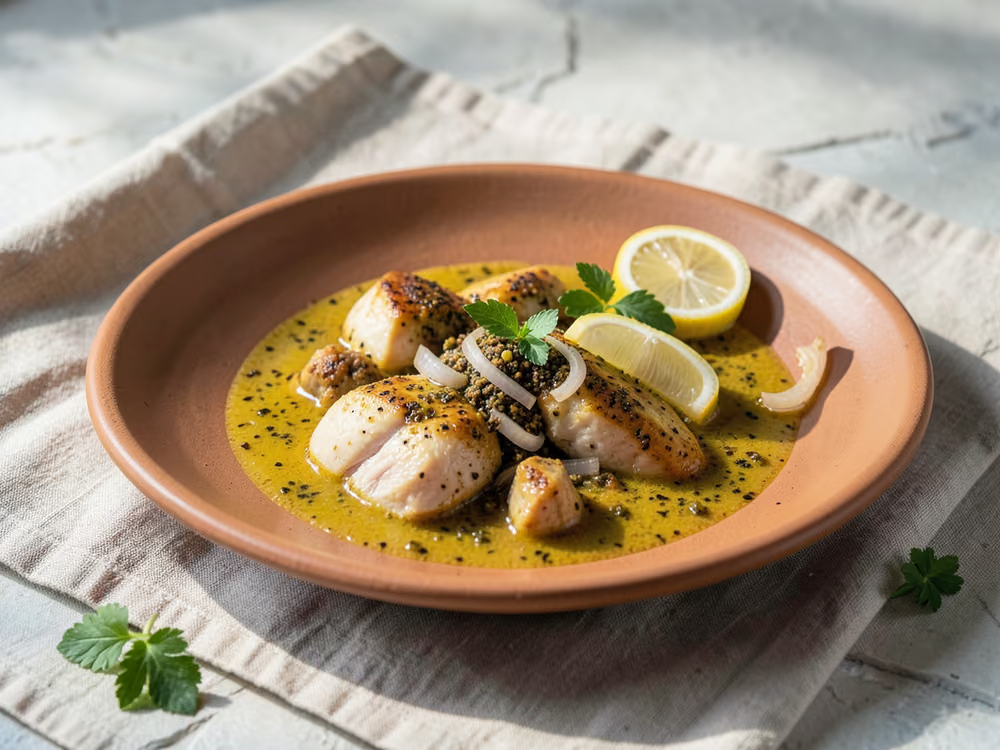
Melt 30 g of the butter in a large skillet over medium-high heat, then add the chicken in a single layer, in two batches if the pan is crowded, and cook for 5 to 7 minutes, turning, until browned on all sides. Lift the pieces out and set them aside; they finish in the sauce, so they do not need to be cooked through yet. Crowded chicken steams in its own moisture and never browns.
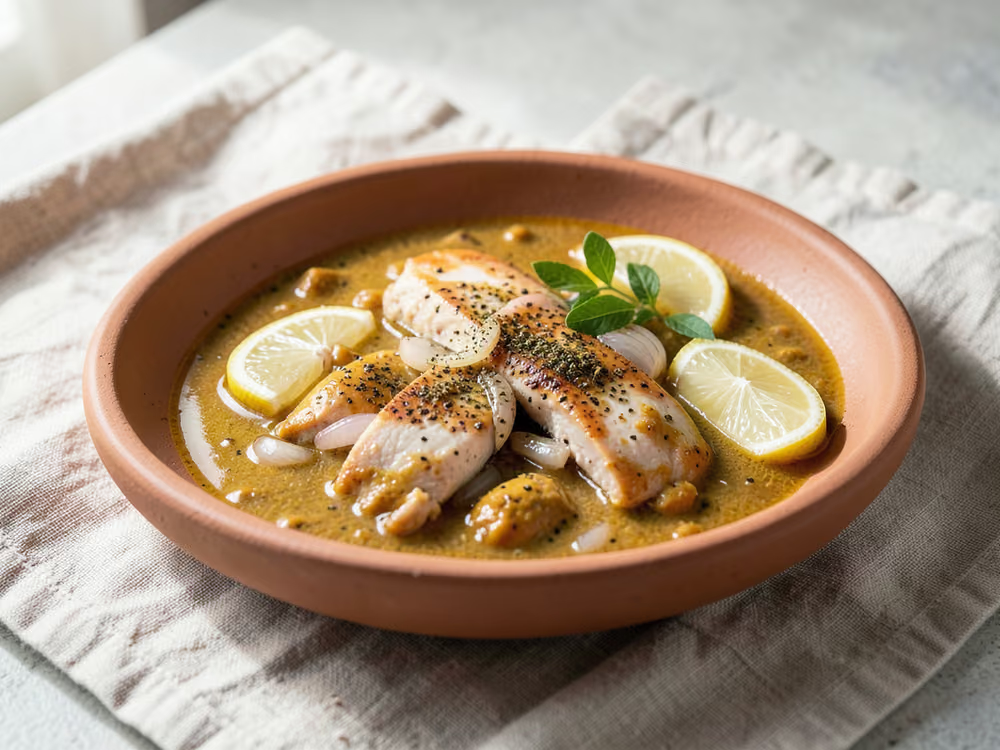
Melt the remaining 30 g of butter in the same skillet, add the chopped onion and cook for about 5 minutes, stirring, until it softens and turns golden at the edges. Going past translucent to golden is what gives the base its sweetness, and the butter picks up those browned flavours and carries them into the gravy.
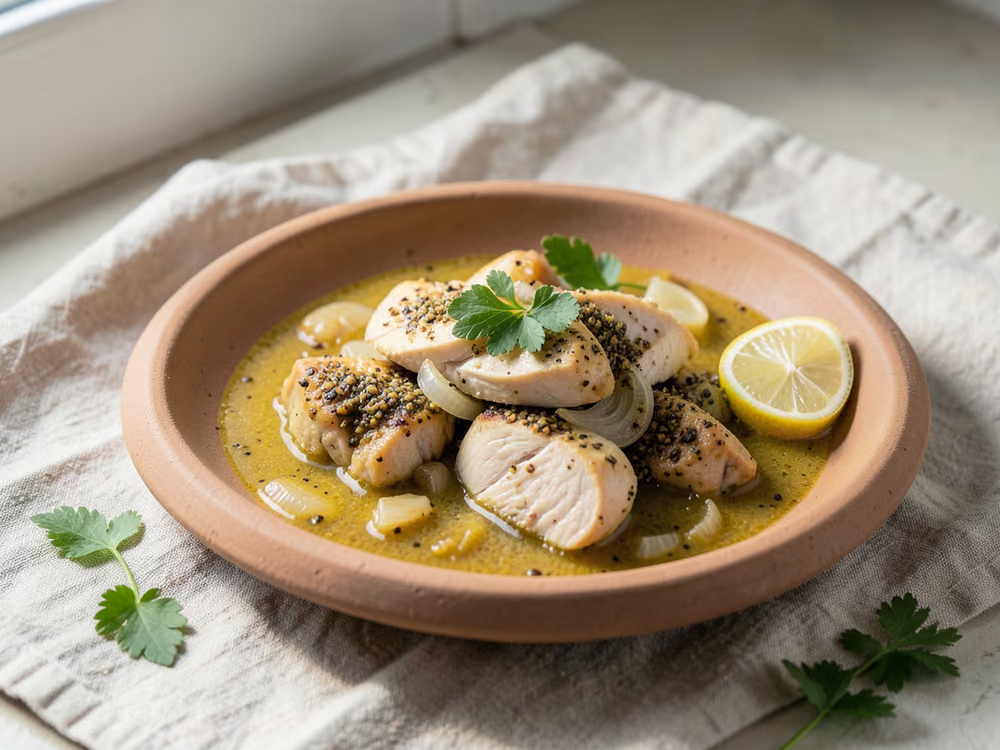
Stir in the 3 minced garlic cloves and 1 tbsp grated ginger and cook for 1 to 2 minutes, until the raw smell disappears and the pan smells sweet and aromatic. Both burn in seconds at this heat, so keep them moving; garlic that catches turns the whole sauce harsh.
Add the 400 g tomato puree, 1 tsp ground coriander and 1 tsp chili powder and simmer for 5 to 7 minutes, stirring occasionally, until the sauce darkens and thickens and the butter and oil separate and pool at the edges of the pan. That pooling is the sign the raw, sharp edge of the tomato has cooked out; add the cream early and the sauce tastes acidic no matter how much goes in.
Turn the heat down to low, pour in the 200 ml heavy cream and stir it through, then let the sauce cook at a gentle simmer for about 5 minutes, with small bubbles only, until it turns an even, pale orange. Cream boiled hard in an acidic tomato sauce splits and turns grainy; low, patient heat keeps it silky.
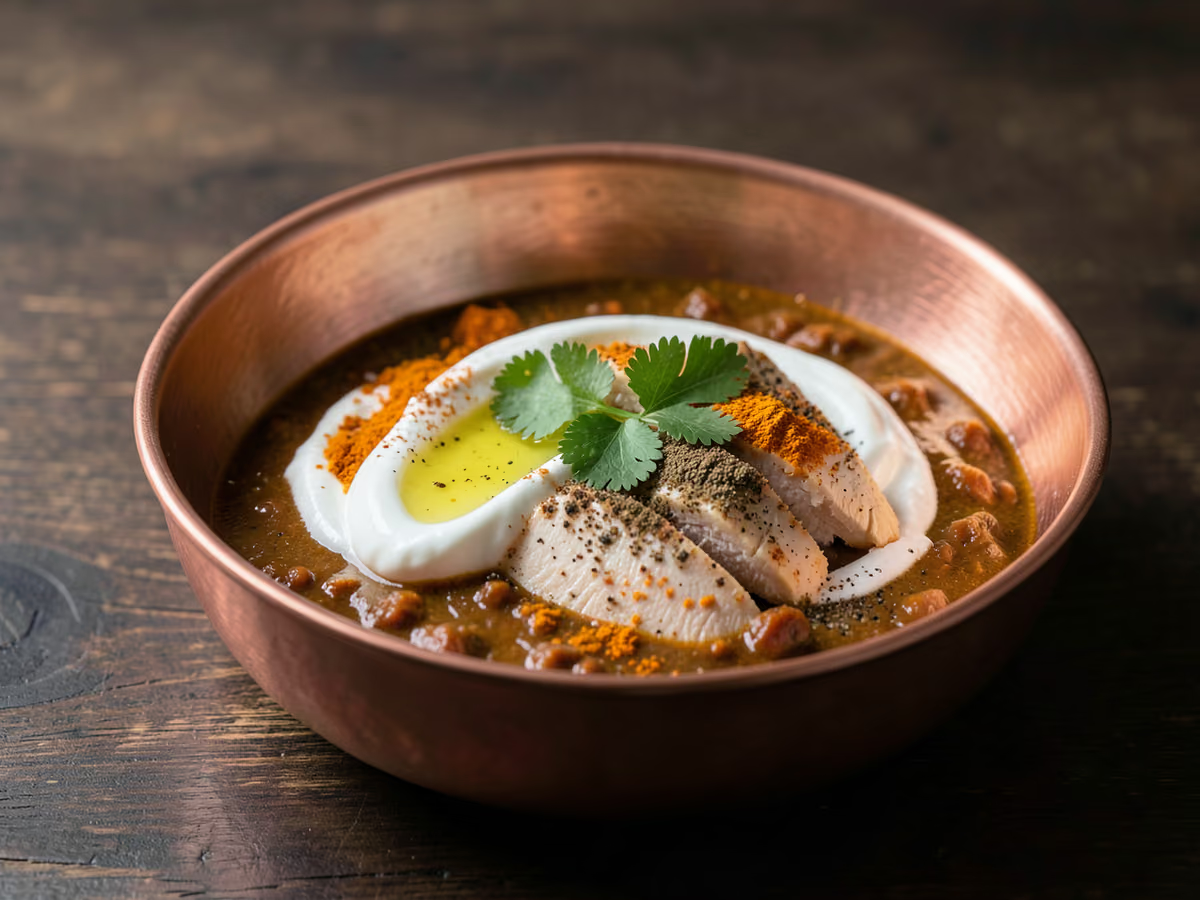
Return the chicken to the pan along with any juices it has released, stir in the 1 tbsp kasuri methi crushed between your palms, and simmer gently for 5 to 10 minutes, until the chicken is cooked through and reads 74°C at the centre. The short simmer lets the sauce season the meat; any longer and the breast dries out.
Take the pan off the heat, scatter over the 2 tbsp chopped cilantro and serve hot with naan, basmati rice or both. Give the pan one last stir so any cream that has risen to the surface folds back into the sauce.
Why this recipe works
Yogurt does double duty in the marinade: its lactic acid and calcium loosen the muscle proteins so the chicken stays tender, and the spices ride on its surface, where they can brown. Browning the chicken in butter before it finishes in the sauce builds flavour the simmer alone cannot, because a dry, hot surface is what those browning reactions need. The tomato base is cooked until it darkens and the fat separates, the point where the raw, sharp acidity is gone, and the cream goes in only after the heat is lowered, so it cannot split. Crushed kasuri methi is the herbal note that makes the sauce taste like the restaurant version.
Equipment
- Large deep skillet or sauté pan, wide enough for the chicken to sit in a single layer
- Mixing bowl for the marinade
- Whisk or fork
- Wooden spoon or heatproof spatula
- Instant-read thermometer
- Measuring spoons and a small bowl for the spices
- Slotted spoon
Kitchen notes
Kitchen notes
- A wide pan is the quiet hero here: the wider the surface, the faster the puree reduces and the sooner the fat separates. If your pan is smaller, expect a few extra minutes of simmering and stir more often.
- If the sauce tightens too much while the chicken simmers, loosen it with a splash of water or cream and taste again; it should pour slowly from a spoon, not stand up in it.
- Taste the sauce just before the chicken goes back in. Salt from the marinade mostly stays with the chicken, so the pan usually needs a pinch more than you expect.
- Buy garam masala you can smell from the jar, or blend a small batch fresh; a dusty blend is the most common reason a butter chicken tastes muddy rather than warm.
- Frozen ginger and garlic pastes work on a weeknight: swap 1 tsp of paste for each clove and 1 tbsp for the ginger, adding them at the same moment the fresh ones would go in. The depth is slightly less, but the method is unchanged.
Common mistakes
- Dry, tough chicken: overcooked while browning or during the final simmer. Brown it only 5 to 7 minutes until coloured, keep the return-to-pan simmer to 10 minutes at most, and cut the pieces into even 3 to 4 cm chunks so they cook at the same rate.
- A split, grainy sauce: the cream went in over too much heat, or the sauce was boiled after it was added. Stir the cream in gradually over a low flame, and if it does split, take the pan off the heat and whisk in cream, 1 tbsp at a time, until the sauce comes back together.
- Flat, sharply acidic sauce: the tomato base was not cooked long enough for the raw edge to mellow. Let it go the full 5 to 7 minutes until the fat separates, then taste for salt, since much of the marinade's seasoning left with the chicken. If it still tastes sharp, a pinch of sugar or 1 extra tbsp of butter rounds it off.
- Chicken that never browns and sits in a puddle: a crowded pan or wet pieces. Cook in a single layer, in two batches if needed; wet chicken steams in its own liquid instead of colouring.
- A bitter backnote: garlic, ginger or kasuri methi taken too far. The garlic and ginger need 1 to 2 minutes only, and the fenugreek goes in for the final 5 to 10 minute simmer, never earlier.
- A marinade that slides off: thin yogurt, or barely an hour of contact. Use thick full-fat yogurt and give it the full hour, ideally overnight, so the spices and the acid have time to work.
Serving suggestions
- Serve hot over basmati rice or with warm naan to mop the sauce, or both, as the recipe intends: four generous servings.
- A cooling raita or a plain cucumber and tomato salad balances the richness, and a bowl of plain yogurt does the same job with less chopping.
- Iced tea, sparkling water or a sweet lassi alongside; the sauce is mild enough that the drink does not need to fight it.
- Scatter the chopped cilantro over each bowl just before it leaves the kitchen, and keep extra chili powder on the table for anyone who wants more heat.
Variations
- Tandoori-style char: brown the chicken as written, then finish it under a hot grill for a minute or two before returning it to the sauce; the blistered edges add a light smokiness that reads as tandoori.
- Spicier: add a chopped green chili with the garlic and ginger, or lean on Kashmiri chili powder for colour without much heat; the sauce stays creamy either way.
- Paneer version, a vegetarian variation that is a different dish: replace the chicken with 500 g of firm paneer cubes, pan-fried first instead of marinated; the sauce itself is unchanged.
Refrigerator
- RefrigeratorGet the curry into the fridge within 2 hours of cooking, in an airtight container, where it keeps for up to 3 days. Store rice or naan in their own containers so the sauce does not make them heavy. Like most spiced curries, it improves overnight as the flavours settle.
- ReheatingWarm it through slowly, on the stovetop over low heat or in 1-minute microwave bursts with a stir between each, until it hits 74°C. If the sauce has tightened in the cold, a splash of water or cream loosens it back to pouring consistency — and keep it below a rolling boil so the cream stays smooth.
- FreezingFreeze for up to 2 months: cool completely, divide between freezer-safe containers with about 2 cm of headspace, and thaw overnight in the fridge. Cream sauces can look a little separated after freezing, but a slow reheat and a good stir bring the texture back.
- Make aheadSuits a party: finish the full cook, cool it fast, and it waits up to 3 days in the fridge. Many cooks think it is even better on day two, once the spices have settled. Marinating overnight beforehand pushes the flavour further still.
Updated:
How this recipe was developed
- USDA FSIS / FoodSafety.gov safe minimum internal temperatures and leftovers guidance (all poultry 74°C; leftovers reheated to 74°C; refrigerate leftovers within 2 hours; keep 3 to 4 days in the fridge, 3 to 4 months in the freezer)
- Nik Sharma, Butter Chicken (Murgh Makhani) — marinating the chicken in yogurt before cooking it at high heat, and a smooth, mildly spiced sauce enriched with both butter and cream
- RecipeTin Eats, Butter Chicken — marinating for hours for tenderness, a sauce that gets most of its richness from cream, and the colour deepening from pale to rich orange as it simmers and thickens
- Swasthi's Recipes, Butter Chicken (Chicken Makhani) — kasuri methi (dried fenugreek leaves) as the signature ingredient of a silky, mildly spiced tomato gravy
Editorial references are kept internally for verification. This page makes no claim of external certification or professional testing.
Gallery
FAQ
The questions we get asked most
Why does the sauce sometimes split or go grainy?
Almost always heat: the cream met a pan that was too hot, or the sauce was boiled after the cream went in. Add it slowly over a low flame and keep the curry below a rolling boil from that point on. If it has already split, take the pan off the heat and whisk in cream 1 tbsp at a time until the sauce comes back together.
Can I cook this ahead for a party?
Yes, and it gets better: cook the curry through the final simmer, cool it fast, refrigerate for up to 3 days and warm it gently to 74°C when you are ready. Marinating the chicken overnight beforehand deepens the flavour and tenderises it further.
Why does the chicken end up dry and tough?
Overcooking, somewhere: too long in the browning pan, or too long back in the sauce. Colour the pieces for just 5 to 7 minutes, then cap the final simmer at 10 minutes, because breast meat keeps cooking even off the heat. Cutting even 3 to 4 cm pieces keeps every chunk on the same schedule.
How can I be sure the chicken is cooked through?
Trust a thermometer in the thickest piece: 74°C is the target. The flesh turns opaque white through and through with no pink at the centre, and in the sauce the pieces feel firm but still give slightly under a spoon. With no thermometer, open the largest piece and look.
The sauce tastes flat or too sharp — what can I do?
Sharpness usually means the tomato base came off the heat before its raw edge had cooked away. Give it the full 5 to 7 minutes, right up to the point where the fat separates, before any cream goes in; then taste for salt, remembering most of the marinade's salt left with the chicken. Still sharp? Either a pinch of sugar or 1 extra tbsp of butter smooths it out.
Is butter chicken gluten-free?
As written, yes: the chicken, spices, yogurt, butter, tomato puree and cream contain no gluten. Naan does, so serve it with basmati rice if you are cooking for someone who avoids it, and check any spice blends for additives.
How spicy does this curry come out?
Mild to medium, depending on your chili powder: 1 tsp in the sauce gives warmth and colour rather than heat, and the cream softens what heat there is. Add a chopped green chili with the aromatics for more, or reduce the chili powder and add a little paprika for less.
Ask KitchenMind about this recipe
Tell it what’s different tonight — it works within the actual recipe.