- Prep
- 15 min
- Cook
- 25 min
- Total
- 40 min
- Serves
- 4
Ingredients
What you’ll need — tap to tick off as you go
- 500 g
- 2 tbsp
- 4 cloves
- 1 tbsp
- ½ tsp
- 1 tbsp
- ½ tsp
- 1 tsp
- 1 tbsp
- 400 ml
- 1 tsp
- 2 tbsp
Process
Timers built in · swap anything · ask as you cook
Pat the fish fillets dry and rub them with a pinch of salt and 1/4 teaspoon of the ground turmeric. Set aside for 10 minutes.
Heat the coconut oil in a deep pan or kadhai over medium heat. Add the chopped onion and sauté until soft and translucent, about 5 minutes.
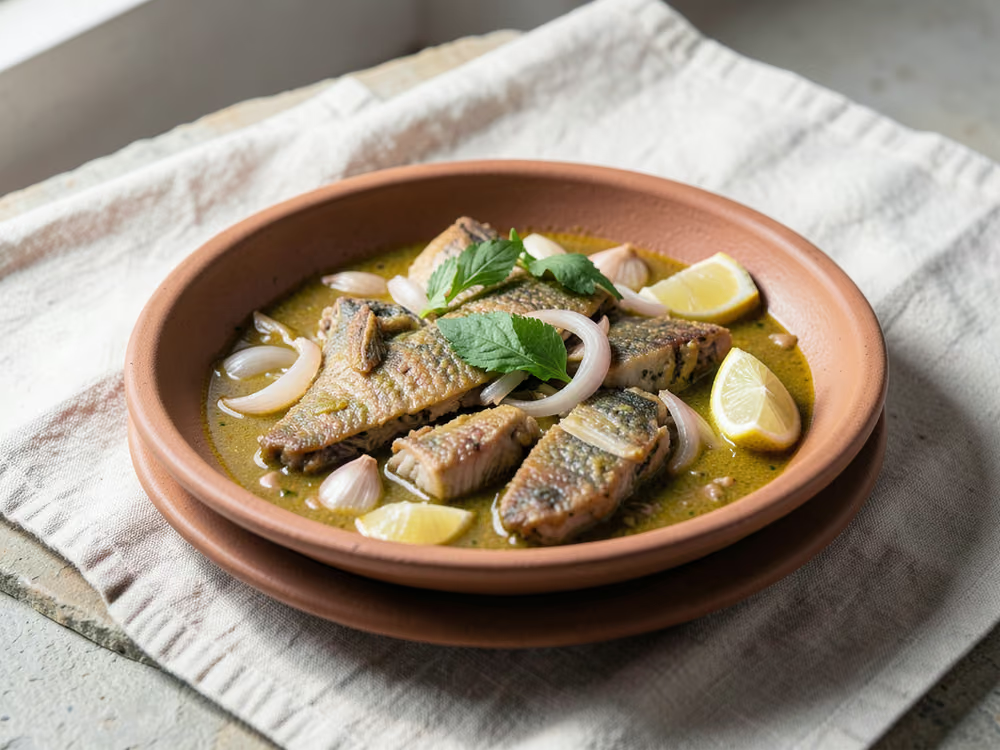
Add the minced garlic, grated ginger, and slit green chilies. Cook for 1 minute until fragrant.
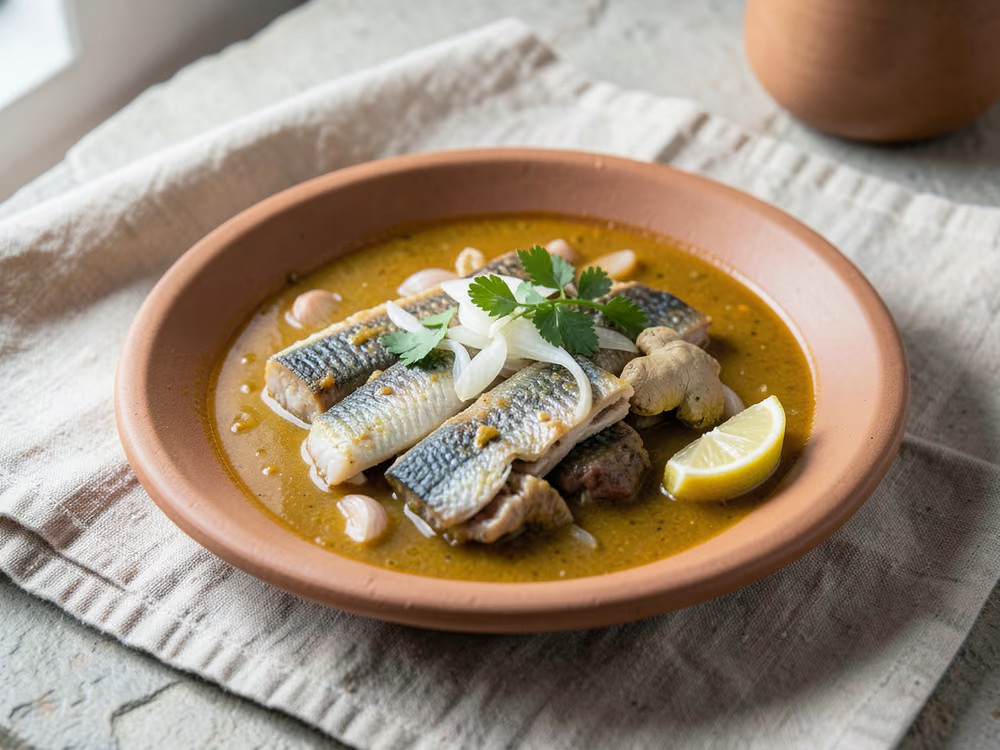
Reduce heat to low and add the remaining ground turmeric, ground coriander, ground cumin, and red chili powder. Stir constantly for 30 seconds to toast the spices without burning.
Pour in the tamarind paste along with its soaking water. Stir well and cook for 2 minutes.
Add the coconut milk and salt. Bring to a gentle simmer over medium heat, then reduce heat to low. Let the sauce cook for 5 minutes, stirring occasionally.
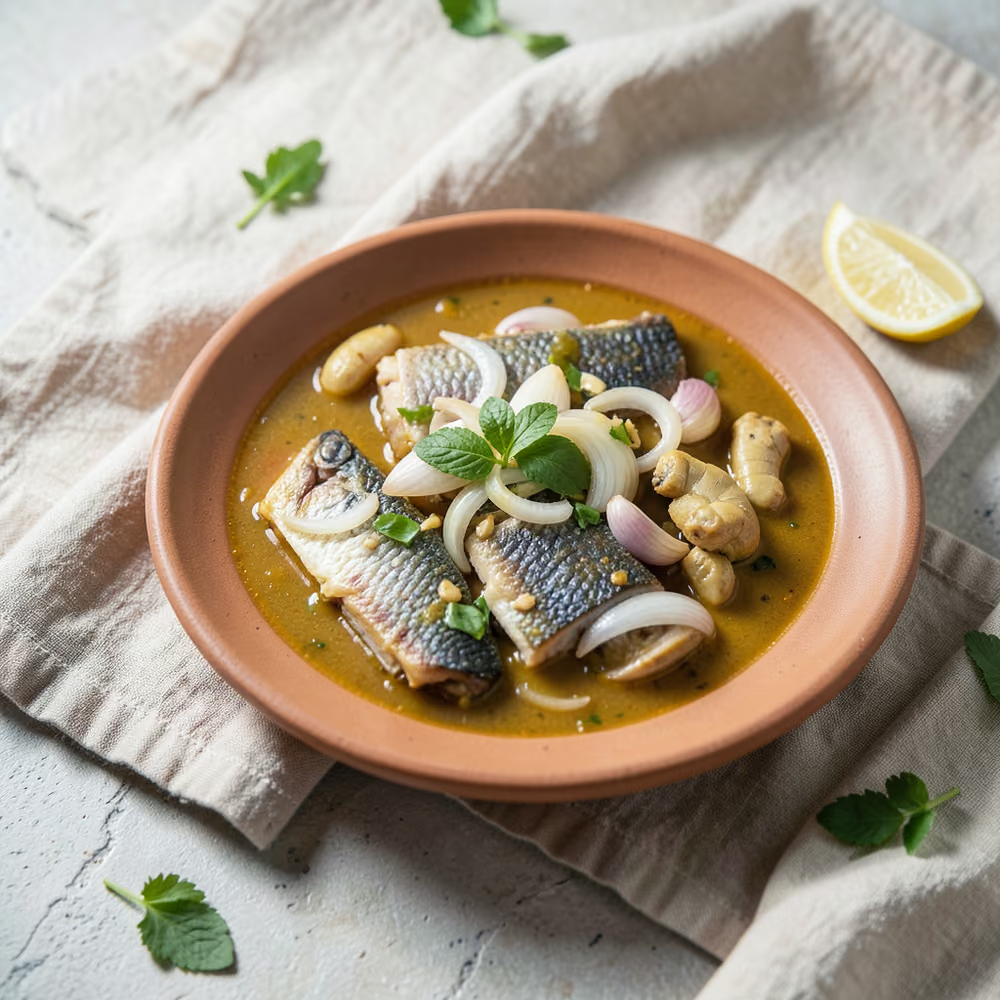
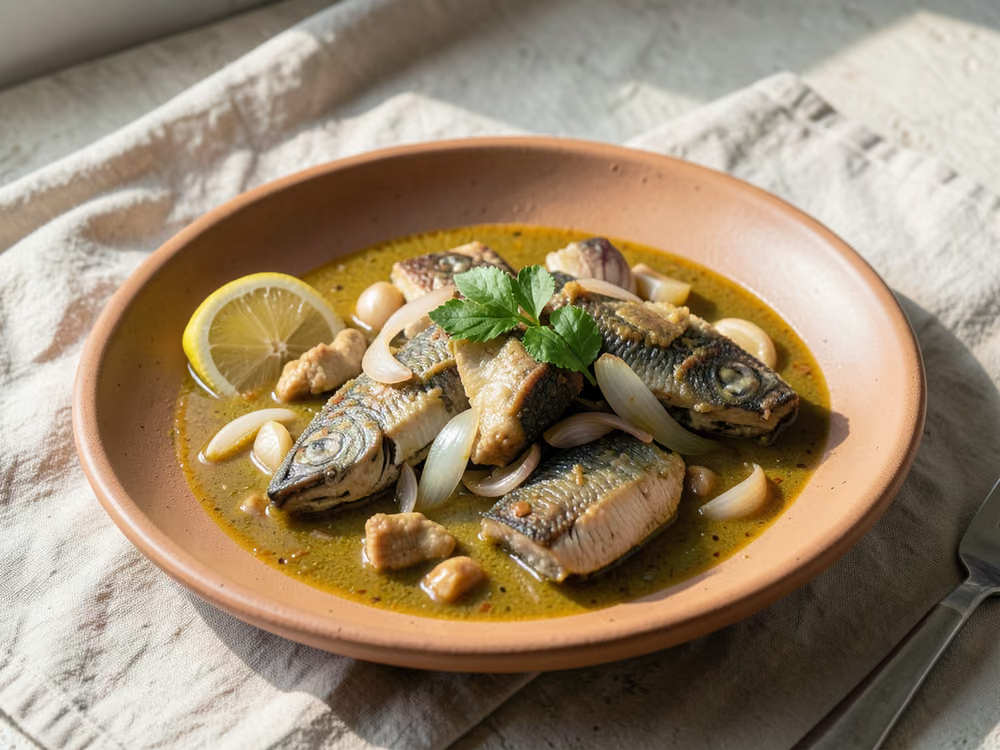
Gently slide the fish pieces into the sauce. Spoon some sauce over the fish. Cover and simmer on low heat for 8–10 minutes, until the fish is cooked through and flakes easily.
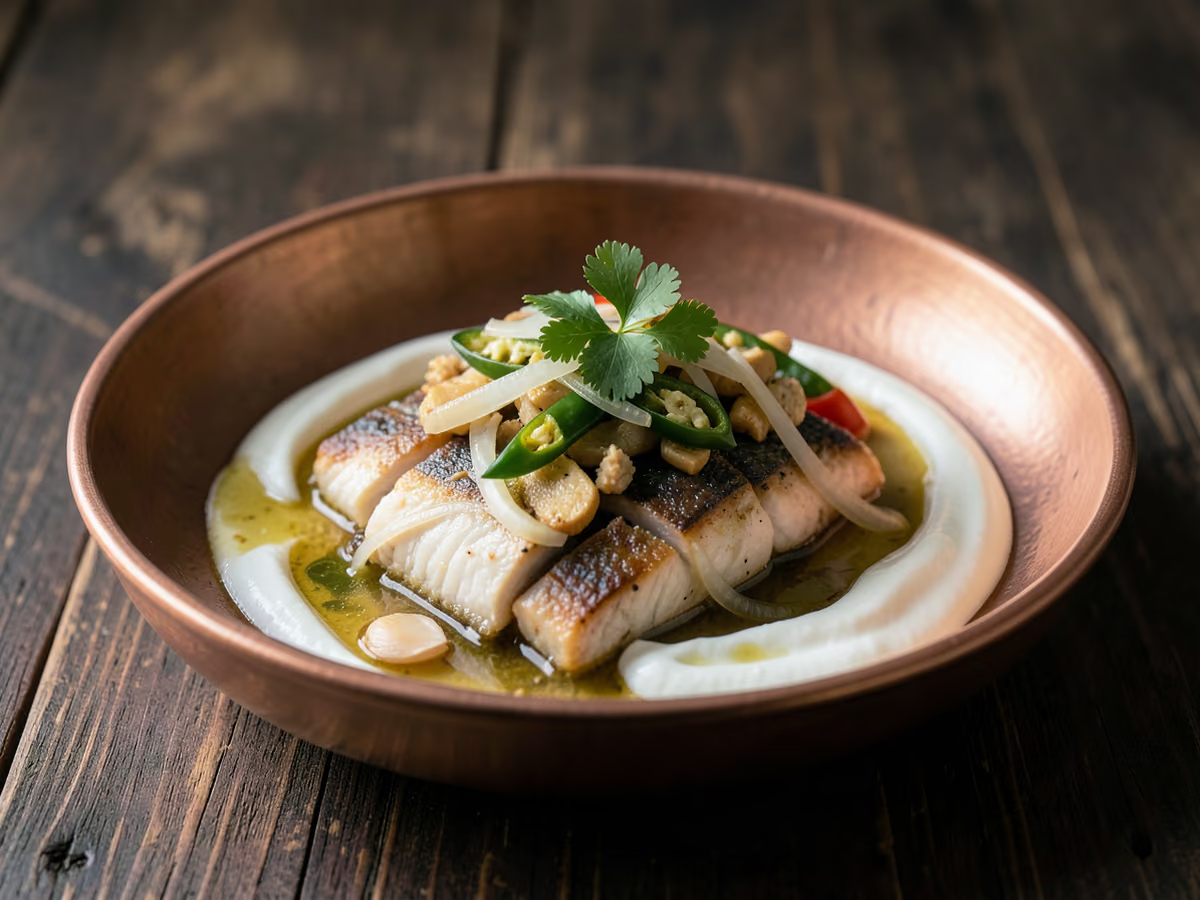
Taste and adjust salt or chili powder if needed. Garnish with fresh cilantro and serve hot with steamed rice.
Kitchen notes
Kitchen notes
- The most common mistake is boiling the curry hard after adding coconut milk - it splits into oily grains. Keep it at a bare simmer, small bubbles only, and never let it reach a rolling boil.
- The fish is done when the thickest piece flakes with light pressure from a spoon and turns opaque white all the way through; 8-10 minutes on low is usually enough, and overcooking makes it rubbery.
- Toast the ground spices for only 30 seconds on low heat before adding liquid - any longer and the coriander and cumin turn bitter, which ruins the whole sauce.
- Add the tamarind paste and its soaking water before the coconut milk so the sauce base reduces slightly; if you add tamarind after the coconut milk, the curry stays thin and tastes flat.
Substitutions
- fish-fillets→any firm white fish such as kingfish, pomfret, tilapia or cod, cut into 4 cm chunks
- tamarind-paste→1.5 tbsp lime juice or 2 tbsp kokum soaked in 3 tbsp warm water, added at the end of cooking
- coconut-milk→400 ml thick coconut cream mixed with 100 ml water for a richer, less sweet sauce
- green-chilies→1 tsp Kashmiri red chili powder for colour with less heat, or 1/2 tsp dried red chili flakes
Storage & reheating
Cool the curry to room temperature within 1 hour, then store in an airtight glass container in the fridge for up to 3 days; keep the fish submerged in the sauce so it does not dry out. For freezing, portion into freezer-safe bags or containers and freeze for up to 2 months, but note the coconut milk may separate slightly on thawing. Reheat gently in a covered pan over low heat at about 70 C for 6-8 minutes, stirring once, until steaming but not bubbling; if frozen, thaw overnight in the fridge first. Do not microwave on high, as it makes the fish tough and splits the sauce.
Gallery

FAQ
The questions we get asked most
Why did my Goan fish curry split or turn oily?
The coconut milk boiled too hard or was added to a pan that was too hot. Coconut milk separates above a gentle simmer, so keep the heat low once it goes in and stir occasionally. If it has already split, whisk in 2 tbsp warm water off the heat to bring it back together.
Can I make this curry ahead of time?
Yes, but cook the sauce base up to 1 day ahead and refrigerate it, then simmer the raw fish in the reheated sauce for 8-10 minutes just before serving. Cooking the fish a day ahead makes it dry and flaky when reheated. This keeps the texture fresh and the flavour fully developed.
How do I know when the fish is cooked through?
The flesh turns opaque white and flakes easily when pressed with a spoon, and the thickest piece separates into layers. In this sauce that takes 8-10 minutes on low heat from the moment it goes in. If the centre still looks translucent, give it 2 more minutes and check again.
Can I use canned or frozen fish instead of fresh fillets?
Frozen fillets work well if fully thawed and patted dry first, otherwise they release water and thin the sauce. Canned fish is not suitable here because it breaks apart into the curry within a minute. If using frozen, add it straight after thawing and reduce the simmer to 6-8 minutes.
Why is my curry too sour or too spicy?
Tamarind paste strength varies a lot by brand, so start with 1 tbsp and taste the sauce before adding the fish. For too much heat, stir in 2 tbsp coconut milk or a small boiled potato piece and simmer 5 minutes. You can always add more tamarind or chili powder at the end, but you cannot take it out.
Can I use dried fenugreek or mustard seeds to make it more authentic?
Yes, 1/4 tsp mustard seeds popped in the coconut oil before the onion, and a pinch of fenugreek seeds added with the ground spices, both add depth. Keep the fenugreek to a pinch, as more turns the curry bitter. Add them at the start so they toast properly with the aromatics.
Ask KitchenMind about this recipe
Tell it what’s different tonight — it works within the actual recipe.