Harissa Roast Chicken
Harissa paste, lemon, garlic and smoked paprika go onto the chicken, then it roasts with onion and broth. Feeds 4, about 20 minutes to get it in the oven and 80 to cook.
- Prep
- 20 min
- Cook
- 80 min
- Total
- 100 min
- Serves
- 4
Ingredients
What you’ll need — tap to tick off as you go
- 1 ⅝ kg
- 3 tbsp
- 2 tbsp
- 4 cloves
- 1 tsp
- 1 tsp
- 1 tsp
- 1 tsp
- 1 ½ tsp
- ½ tsp
- 150 ml
- 15 g
Process
Timers built in · swap anything · ask as you cook
Take the whole chicken out of the fridge 30 minutes before cooking and pat it dry inside and out with kitchen paper. Dry skin is the single biggest factor in crisp roasting.
Heat the oven to 200°C. In a small bowl, mix the harissa paste, olive oil, finely grated lemon zest, 2 crushed garlic cloves, ground cumin, ground coriander, smoked paprika, honey, fine salt and black pepper into a thick, spreadable paste.
Rub the harissa paste all over the chicken, working it into the breast, thighs and wings. Loosen the skin over the breast with your fingers and push a little paste underneath, then tuck the 2 whole garlic cloves and both lemon halves into the cavity.
Scatter the red onion wedges over the base of a roasting tin, sit the chicken on top and pour the chicken broth around the onions. The broth keeps the onions from burning and turns into a light pan sauce.
Roast uncovered for 45 minutes, then baste the chicken with the pan juices. If the skin is browning too fast, tent the breast loosely with foil.
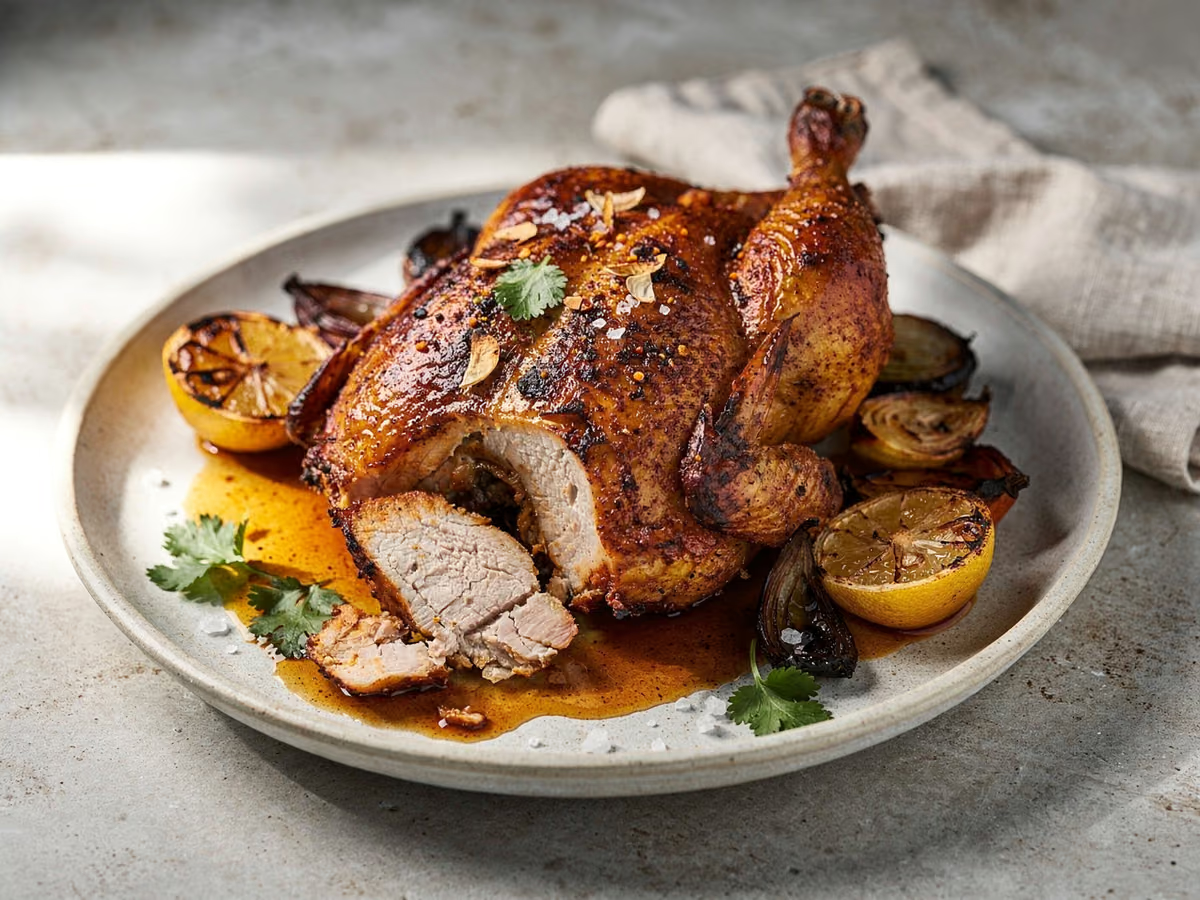
Continue roasting for 30 to 35 minutes, until the thickest part of the thigh reaches 74°C and the juices run completely clear when pierced. Total roasting time is roughly 75 to 80 minutes for a 1.6 kg bird.
Rest the chicken on a warm board for 15 minutes before carving, loosely covered with foil. Spoon the roasted red onions and pan juices over the carved meat and scatter with fresh coriander if using.
Kitchen notes
Kitchen notes
- The most common mistake is roasting a wet bird: if the skin is still damp when it goes in, it steams instead of crisping. Pat it dry and leave it uncovered in the fridge for an hour if you have time.
- Do not rely on the pop-up timer or the colour of the skin. The only reliable doneness marker is 74°C in the thickest part of the thigh, with clear juices and no pink at the joint.
- Harissa brands vary wildly in heat. Taste your paste before rubbing and use less if it is very fiery, or add an extra teaspoon of honey to balance it.
- Resting for 15 minutes is not optional: cutting straight away lets the juices run out and leaves the breast dry. The chicken will stay hot for that long under foil.
Substitutions
- harissa paste→2 tbsp tomato paste mixed with 1 tsp chilli flakes, 1 tsp ground cumin and a pinch of cayenne
- honey→maple syrup or date syrup
- red onion→2 small fennel bulbs, cut into wedges
- chicken broth→water with a pinch of salt
Storage & reheating
Cool the chicken within 2 hours, then carve the meat off the bone and store it with the onions and pan juices in an airtight container in the fridge for up to 3 days. To reheat, place in a covered oven dish with a splash of water at 160°C for 15 to 20 minutes, or microwave individual portions for 2 to 3 minutes until piping hot. The whole roast can also be frozen, wrapped tightly and then bagged, for up to 2 months; thaw overnight in the fridge before reheating.
FAQ
The questions we get asked most
Why did my harissa chicken skin come out soggy?
The skin was probably still wet when it went into the oven, or the chicken was crowded by too much liquid in the tin. Pat the bird thoroughly dry, use only 150 ml of broth in the base, and roast uncovered at 200°C. If the skin softens near the end, blast it at 220°C for the final 10 minutes.
How do I know when the chicken is fully cooked?
Use a meat thermometer in the thickest part of the thigh, away from the bone: it should read 74°C. Alternatively, pierce the thigh and check that the juices run completely clear with no trace of pink. The breast should feel firm, not springy and raw, when pressed.
Can I use chicken thighs or drumsticks instead of a whole chicken?
Yes. Use 1.2 kg of bone-in, skin-on thighs and roast at 200°C for 35 to 40 minutes, or until the thickest part reaches 74°C. Thighs are more forgiving than breast meat and stay juicy even if slightly overcooked, so reduce the broth to 100 ml.
My harissa paste is very spicy. How can I tone it down?
Mix the harissa with 2 tablespoons of plain yogurt or 1 tablespoon of tomato paste before rubbing it on the chicken, and add an extra teaspoon of honey. The dairy and sweetness blunt the capsaicin without dulling the spice flavour. You can also use only 1.5 tablespoons of harissa and make up the volume with olive oil.
Can I prepare this chicken ahead of time?
Yes. Rub the harissa paste over the chicken up to 24 hours in advance, cover and refrigerate; the longer it sits, the deeper the flavour. Bring it to room temperature for 30 minutes before roasting, and add 5 minutes to the cooking time since it starts cold.
How long does leftover harissa roast chicken keep in the fridge?
Carved meat kept in an airtight container with the onions and juices lasts 3 days in the fridge. Reheat at 160°C in a covered dish with a splash of water, or in the microwave until steaming hot. Do not reheat more than once.
Can I roast vegetables in the same tin as the chicken?
Yes, but choose sturdy vegetables: potatoes, carrots, fennel or extra onion wedges work best. Toss them in olive oil and salt, spread them in a single layer under and around the chicken, and add an extra 50 ml of broth. Leafy or quick-cooking vegetables will burn at this temperature.
Ask KitchenMind about this recipe
Tell it what’s different tonight — it works within the actual recipe.