Chicken Musakhan with Sumac Onions
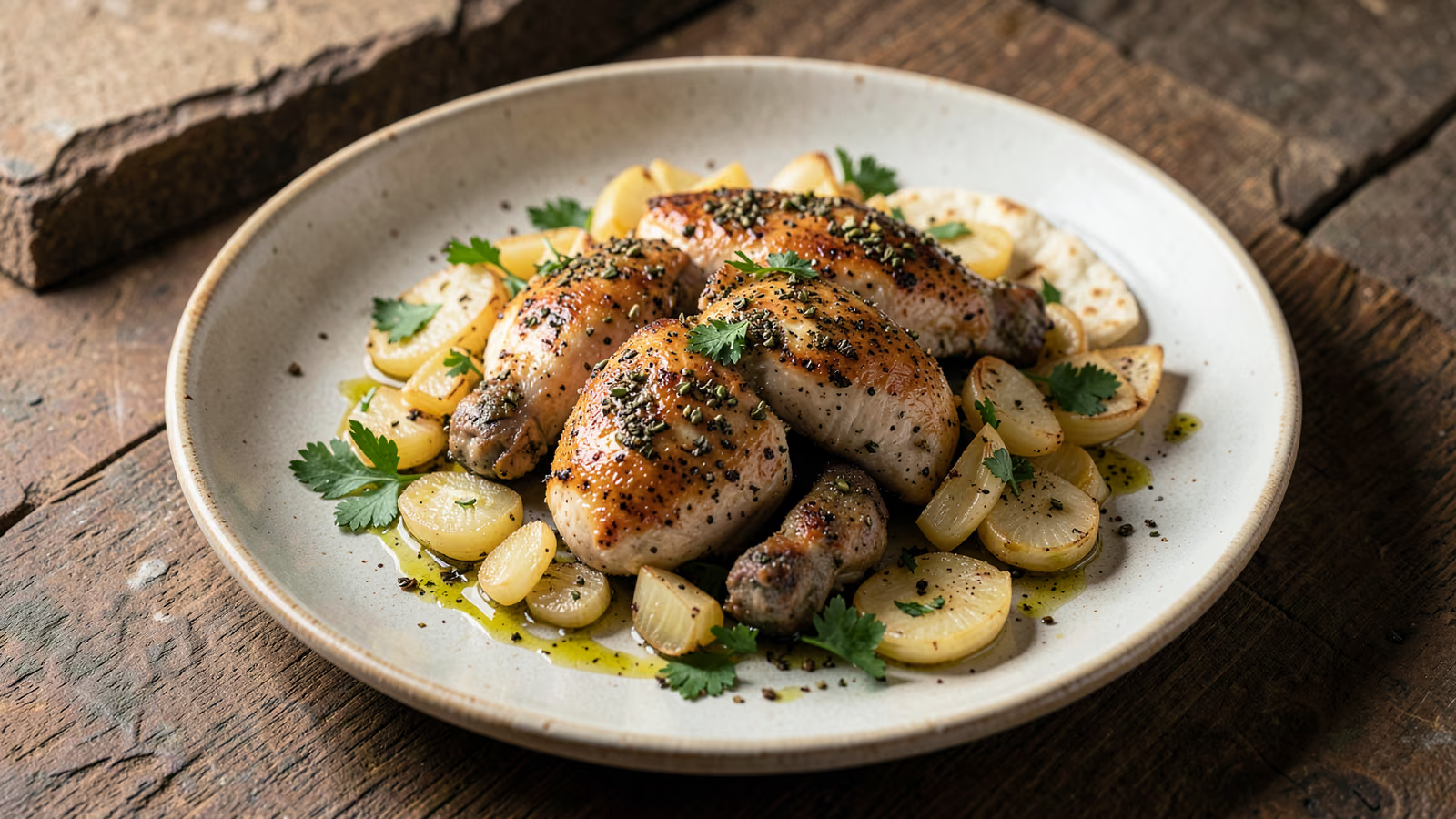
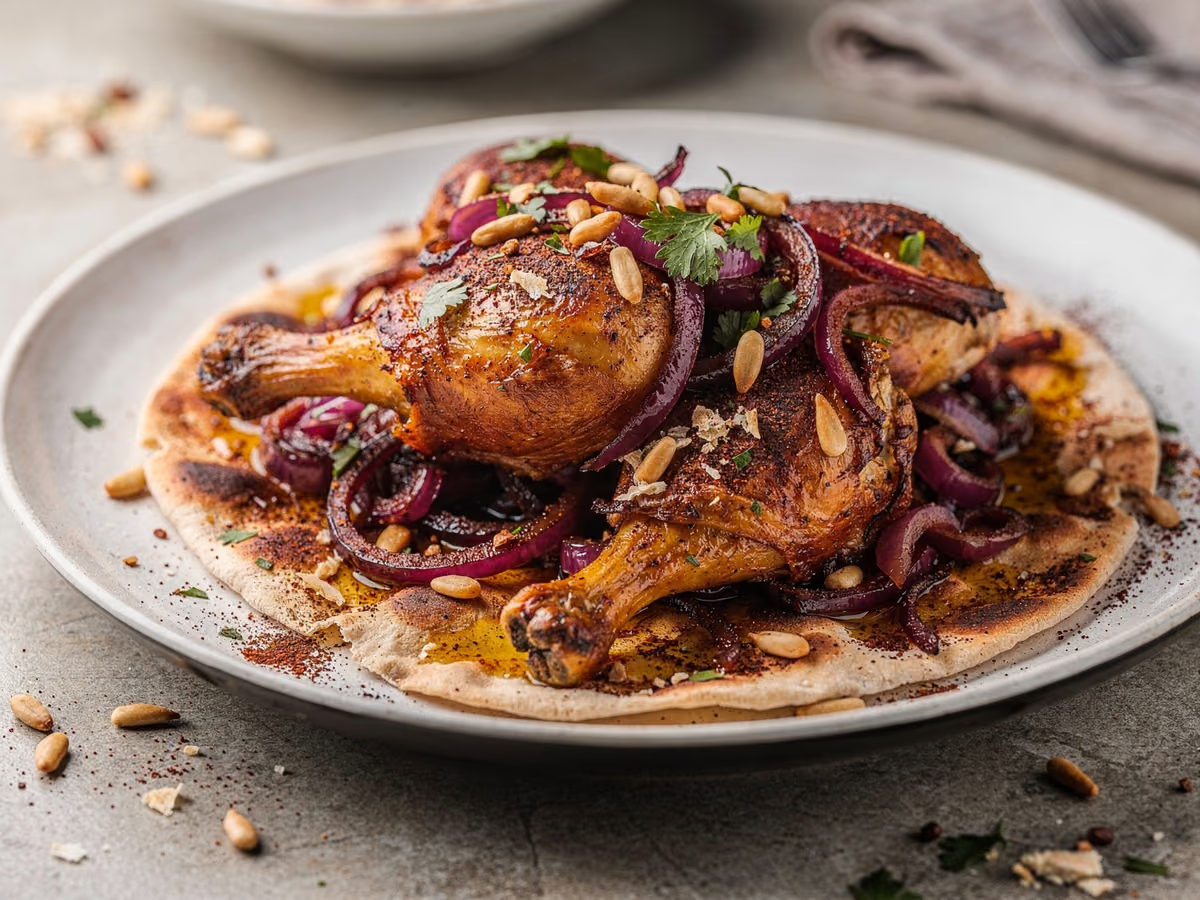
Musakhan is the Palestinian national dish and a lesson in doing a lot with a little: 1.5 kg of bone-in, skin-on chicken thighs seared until the skin crackles, then baked over 4 large flatbreads with 4 onions softened in olive oil and 3 tbsp of sumac, finished with toasted pine nuts and parsley. Prep takes about 30 minutes, the skillet does the rest in around an hour, and the bread at the bottom soaks up everything the chicken gives it.
- Prep
- 30 min
- Cook
- 60 min
- Total
- 90 min
- Serves
- 6
Ingredients
What you’ll need — tap to tick off as you go
- 1 ½ kg
- 6 tbsp
- 3 tbsp
- 2 tsp
- 2 tsp
- 1 tsp
- 3 tbsp
- 2 tbsp
Process
Timers built in · swap anything · ask as you cook
Heat the oven to 200°C with a rack in the middle. Pat the 1.5 kg chicken thighs dry with kitchen paper and season both sides with 1 tsp of the salt and 0.5 tsp of the black pepper. Dry skin is what crisps; any water left on it steams the skin grey, and that is irreversible once the bake starts.
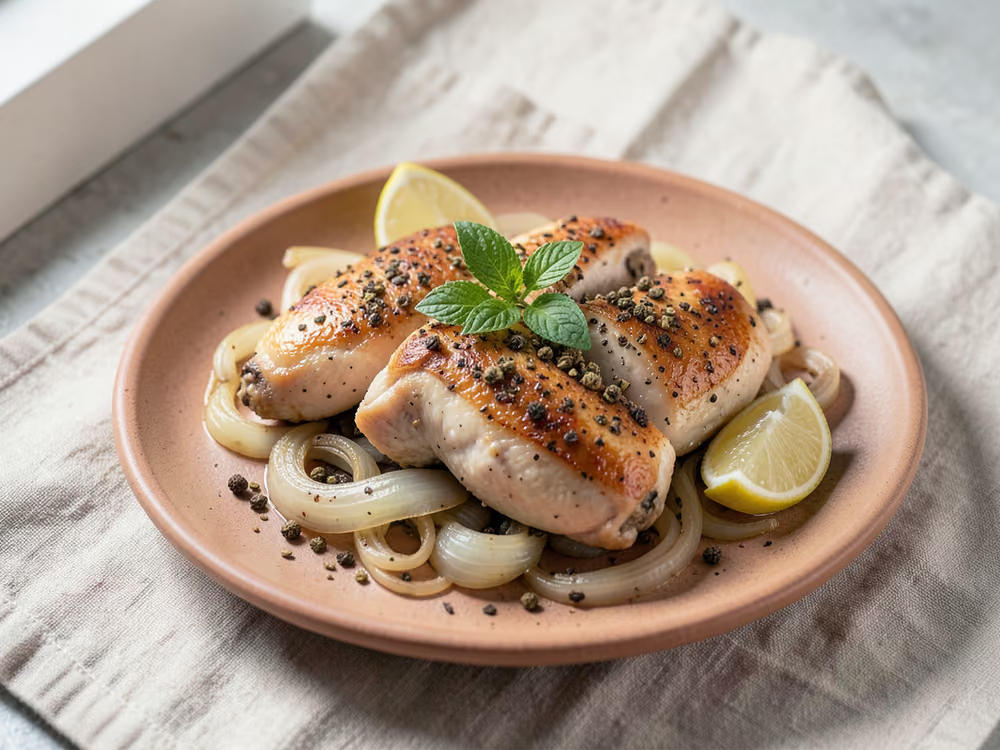
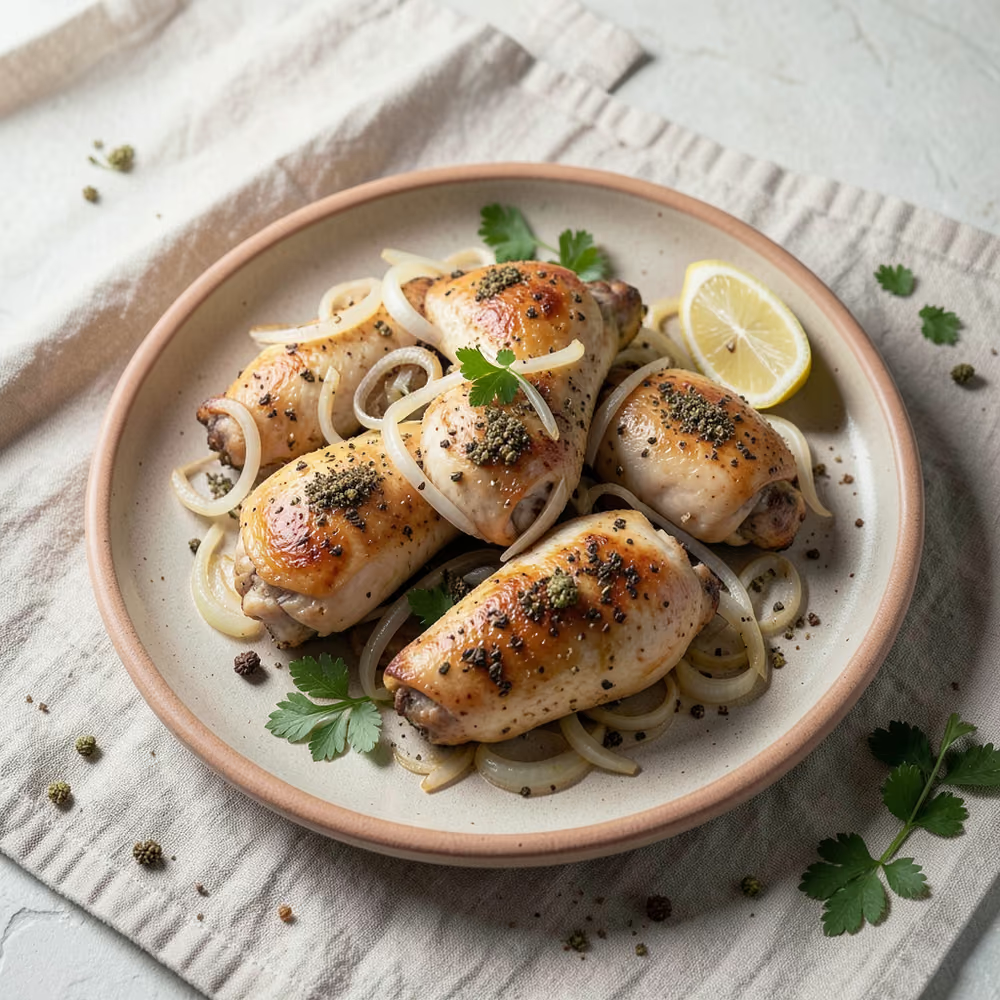
Heat 2 tbsp of the olive oil in a large ovenproof skillet over medium-high. Lay the thighs in skin-side down and leave them completely alone for 5 to 6 minutes, until the skin is deep golden, then turn and sear for another 4 minutes. Transfer the chicken to a plate; the fat it has rendered stays in the pan.
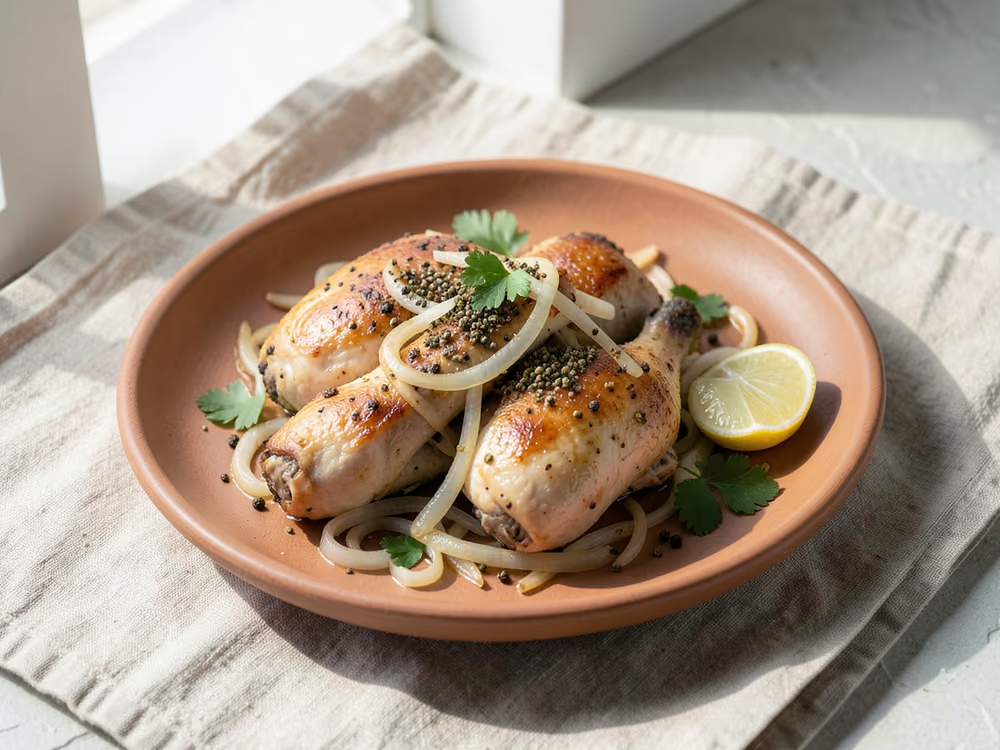
Reduce the heat to medium, add the remaining 4 tbsp olive oil to the same skillet and tip in the 4 thinly sliced onions. Cook, stirring occasionally and scraping up the browned chicken bits, for 10 minutes, until the onions are fully softened, glassy and just beginning to turn golden.
Stir in the 3 tbsp sumac, 2 tsp ground allspice, 1 tsp salt and 0.5 tsp black pepper and cook for just 2 minutes, until the onions turn deep red and smell fragrant. Past that they start to taste acrid, so keep everything moving and lower the heat if it begins to catch.
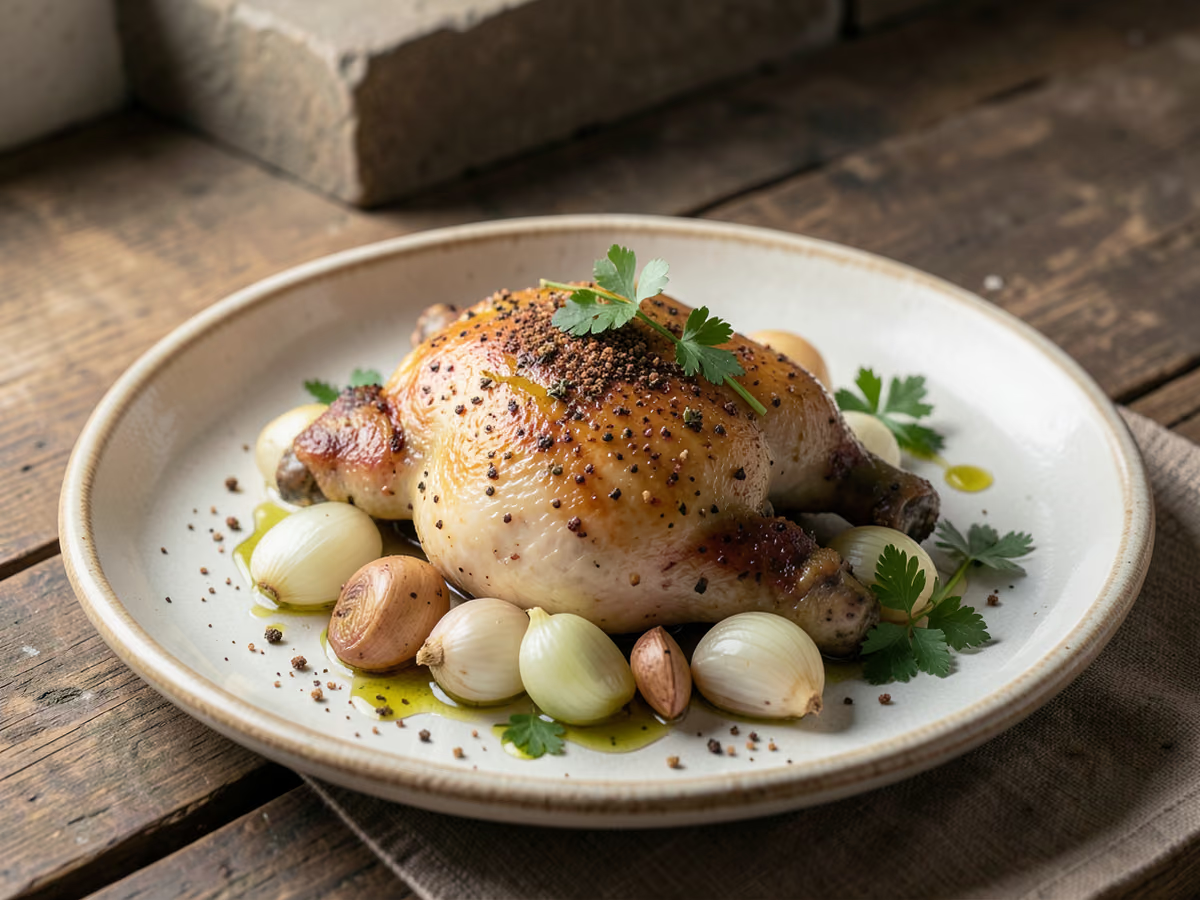
Return the chicken to the skillet, nestling each thigh into the onions skin-side up so the skin stays above the liquid. Cover with a lid or foil and bake for 30 minutes; the covered stage is what steams the thighs to tenderness without drying them out.
Take the skillet out, uncover it and lay the 4 flatbreads over the chicken and onions, tucking the edges down just inside the pan. Bake uncovered for another 10 minutes, until the bread is crisp at the edges and stained where the juices reach it; if your bread is very thin, check it at 8 minutes.
Check the thickest thigh with an instant-read thermometer: it should read 74°C, the USDA FSIS minimum for poultry, and the juices should run clear. If it reads lower, cover the skillet again and give it 5 minutes more, then check once more before serving.
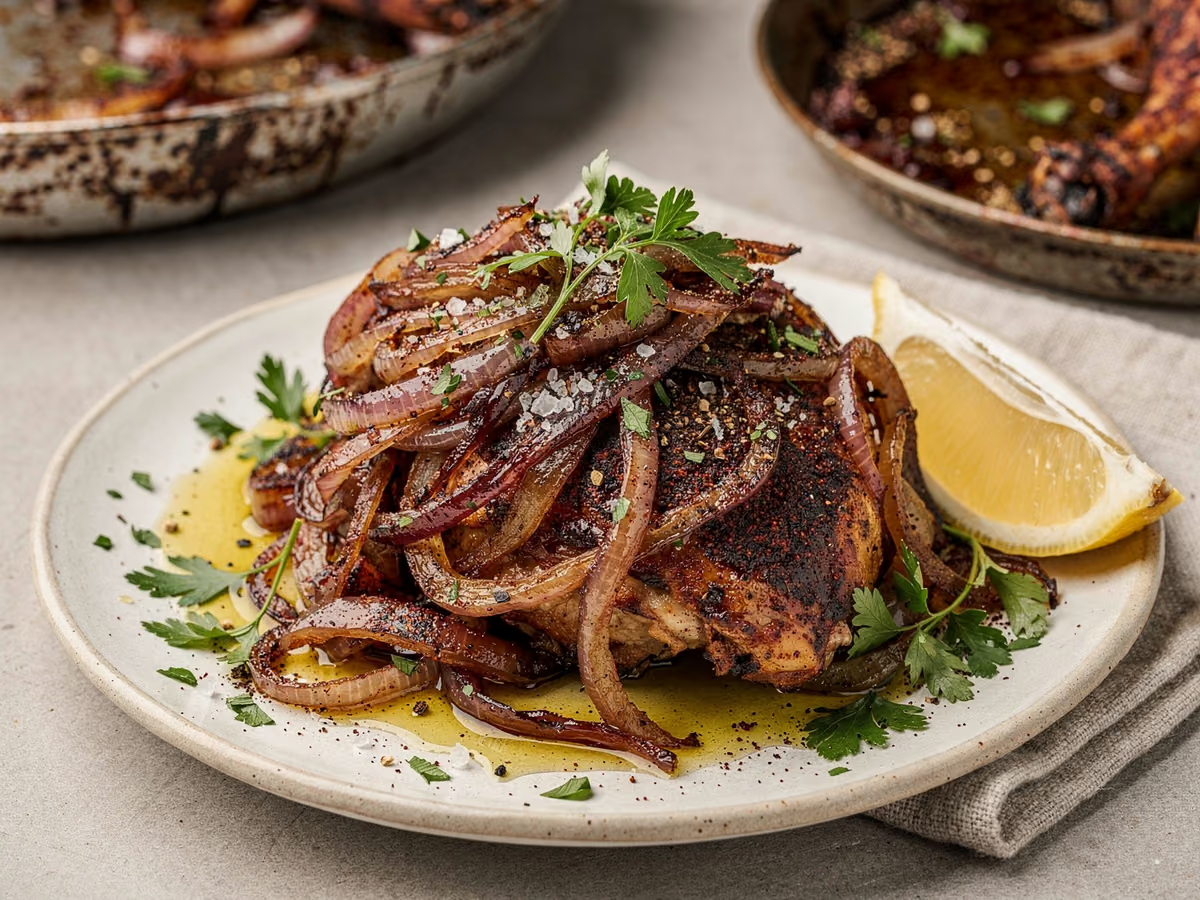
Move the flatbreads to a large platter, spoon the onion mixture over them and arrange the chicken thighs on top. Scatter with the 3 tbsp toasted pine nuts and the 2 tbsp chopped parsley, add an extra pinch of sumac if you like, and serve straight from the platter while the bread is still crisp at the edges.
Why this recipe works
Sumac is the engine: the dried berries carry a clean, lemony sourness that cuts through both the olive oil and the rendered chicken fat, and its deep red colour bleeds into the onions as they cook. The onions have to collapse fully before the sumac goes in, because their sugars need time to sweeten and caramelise; undercooked onions stay sharp and watery, which is the usual reason a home musakhan tastes raw. Baking covered first steams the thighs to tenderness, and the last uncovered 10 minutes, with the bread laid over the top, crisps the bread while it drinks the pan juices instead of turning to paste.
Equipment
- Large ovenproof skillet or shallow Dutch oven, 28 to 30 cm
- Tongs
- Chef's knife and cutting board
- Kitchen paper for drying the thighs
- Instant-read thermometer
- Small dry pan for toasting the pine nuts
- Large platter for serving
- Lid or foil to cover the skillet
Kitchen notes
Kitchen notes
- Buy sumac by its colour and smell: deep brick red, coarse-ground, sharply lemony when you rub a pinch between your fingers. Sumac that has sat in the cupboard for years turns dull and makes the dish taste like nothing but onions.
- Keep the onion oil generous, the full 4 tbsp. That oil is the sauce the bread drinks, and a skimpy pan leaves the bottom layer dry and the whole dish tasting lean instead of rich.
- Warm the flatbreads briefly before they go over the chicken, so they bend without cracking and absorb the pan juices instead of splitting at the edges.
- Toast the pine nuts ahead of time and tip them onto a cold plate. They burn in seconds if left in the hot pan while you finish the dish, and their buttery flavour is the last thing you add, so it should be perfect.
- If your skillet is not ovenproof, sear the chicken in it and transfer everything to a baking dish for the oven stages. The bread still crisps over the top, and the dish is no worse for the swap.
Common mistakes
- Sharp, raw-tasting onions: they came off the heat before they collapsed, so the sumac sat on crunchy slices. Give them the full 10 minutes over medium heat until soft and faintly golden; underdone onions are the one fault that ruins the whole dish.
- Dry chicken: the covered stage was skipped or stretched out. The 30 minutes under a lid or foil steam the thighs gently; baked uncovered from the start they lose their juices long before the bread goes on.
- A bitter, acrid note behind the sumac: the spices cooked longer than the 2 minutes they can take, or the onions scorched underneath them. Keep the heat at medium, stir constantly, and lift the pan off the burner for a minute if it starts to darken.
- Soggy bread that collapses under the onions: the flatbreads went in too early, or the dish was assembled and left standing. Add them for the last 10 minutes only, tuck the edges just inside the pan, and serve as soon as it comes out of the oven.
- Burnt, bitter pine nuts: they toasted past light gold in a pan that was too hot. Toast them in a dry pan for 2 to 3 minutes over medium heat, stirring constantly, then slide them onto a cold plate; they keep cooking in a hot pan.
- Torn, stuck chicken skin: the pan was not hot enough, or the thighs were moved before the crust set. Lay them skin-side down and leave them untouched for the full 5 to 6 minutes before you reach for the tongs.
Serving suggestions
- Bring the whole skillet to the table, or slide it onto one large platter: bread underneath, onions over it, chicken on top, pine nuts and parsley last, with extra sumac for anyone who wants more tang. Six portions, eaten with fingers or a fork and torn bread.
- Plain yogurt or labneh on the side cools the tartness, and a cucumber and tomato salad with lemon cuts the richness of the olive oil.
- Pickled turnips or a dish of olives alongside, and flatbread to mop up the onion oil that stays in the pan.
- To drink, iced mint tea, iced tea or sparkling water; the dish is rich, so keep the drink light and cold.
Variations
- Wrap format: shred the cooked chicken and fold it through the onions, spread the mixture over warm flatbreads, scatter pine nuts and parsley, and roll. Musakhan becomes street food, and the bread soaks the oil more evenly.
- Individual portions: split everything between 6 small flatbreads instead of 4 large ones and bake them the same way; they crisp faster, so check the bread at 8 minutes.
- Nut-free topping: replace the 3 tbsp pine nuts with the same 3 tbsp of toasted pumpkin or sunflower seeds. The crunch stays, the buttery note goes, and the dish suits anyone avoiding nuts.
Refrigerator
- RefrigeratorCool the skillet within 2 hours, then refrigerate the chicken and onions in an airtight container for up to 3 days; keep the bread separately so it does not go soft.
- ReheatingRebuild the layers in a covered ovenproof dish and reheat at 160°C for 15 to 20 minutes, until the chicken reaches 74°C, adding a splash of water if the onions look dry. Refresh the bread in a 180°C oven for 5 minutes.
- FreezingUp to 2 months: wrap portions of chicken, onions and bread separately, freeze them, and thaw overnight in the fridge. Reheat as above; the bread softens in the freezer, so the oven refresh matters more than usual.
- Make aheadSear the chicken and cook the sumac onions up to 1 day ahead, stored separately in the fridge. Assemble and bake just before serving, adding about 5 minutes to the covered bake if the components go in cold.
Updated:
How this recipe was developed
- USDA FSIS food safety guidance (poultry 74°C, checked here instead of the recipe's 75°C note; refrigerate leftovers within 2 hours; use within 3 to 4 days)
- Eat Palestine, musakhan (national dish of Palestine: taboon bread under olive-oil onions, sumac and roasted chicken, finished with toasted pine nuts and tied to the olive harvest)
- Linsfood, musakhan (onions softened slowly until soft and just golden, then layering bread, onion sauce and chicken, finished with pine nuts, parsley and extra sumac)
- Chef Ilhama, musakhan (cook the onions until completely collapsed before the sumac goes in, warm the bread before it goes into the pan, and store chicken and bread separately)
Editorial references are kept internally for verification. This page makes no claim of external certification or professional testing.
Gallery
FAQ
The questions we get asked most
Why did my chicken musakhan turn out dry?
Almost always the covered bake was skipped or stretched too long. Sear the thighs hard on the skin side, keep the 30 minutes covered so they steam gently, and pull the skillet as soon as the thickest thigh reads 74°C, because every extra 5 minutes costs moisture.
Can I use chicken breasts instead of thighs?
Yes: 1.5 kg of bone-in, skin-on breasts, with the covered stage shortened to 20 to 25 minutes and the uncovered bread stage kept at 10. They are leaner and dry out faster, so check the thickest point for 74°C and do not leave them in the oven a minute longer.
Can I make chicken musakhan ahead of time?
Sear the chicken and cook the onions up to 1 day ahead, storing them separately in the fridge. Assemble in the skillet and bake as written, adding about 5 minutes to the covered stage if everything goes in cold.
How long does musakhan last in the fridge?
Leftover chicken and onions keep for up to 3 days in an airtight container, with the bread stored separately and the layers rebuilt when you reheat. Cool everything within 2 hours of cooking, and reheat covered at 160°C for 15 to 20 minutes with a splash of water if the onions look dry.
Can I freeze chicken musakhan?
Yes, for up to 2 months, with the chicken, onions and bread packed separately. Thaw overnight in the fridge and reheat covered at 160°C for 20 to 25 minutes, until the chicken reaches 74°C, then refresh the bread in a 180°C oven for 5 minutes.
Why is my sumac onion mixture bitter?
Bitterness is scorched spice rather than the sumac itself: it went in too early or over heat that was too high. Add the 3 tbsp sumac and 2 tsp allspice once the onions are fully soft, cook them for only 2 minutes, and if the pan smells acrid, start the onions again instead of trying to bury it.
What bread works if I cannot find taboon?
Any large, sturdy flatbread: pita or naan cut to fit the skillet, or the 4 large flatbreads the recipe calls for. Warm it briefly first so it bends without cracking, and remember that the thinner the bread, the faster it crisps in the final bake.
Ask KitchenMind about this recipe
Tell it what’s different tonight — it works within the actual recipe.