- Prep
- 30 min
- Cook
- 165 min
- Total
- 195 min
- Serves
- 4
Ingredients
What you’ll need — tap to tick off as you go
- 60 g
- 30 g
- 2 tbsp
- 3 cloves
- 2 tbsp
- 500 ml
- 1 tsp
- 1 tsp
- ½ tsp
- 1 tbsp
- 3 tbsp
Process
Timers built in · swap anything · ask as you cook
Pat the veal shanks dry with paper towels. Season all over with 1 tsp salt and 0.5 tsp black pepper. Put the flour in a shallow dish and dredge each shank, shaking off excess.
Heat 1 tbsp olive oil and 15 g butter in a heavy Dutch oven or deep braiser over medium-high heat. Sear the shanks in a single layer, about 3–4 minutes per side, until deeply golden brown. Work in batches if needed. Transfer to a plate.
Reduce heat to medium. Add the remaining 1 tbsp olive oil, then the onion, carrot and celery. Cook, stirring often, for 6–8 minutes until softened and lightly golden. Add the 2 minced garlic cloves and cook for 30 seconds until fragrant.
Stir in the tomato paste and cook for 1 minute, mashing it into the vegetables, until it darkens slightly. Pour in the beef broth and scrape up any browned bits from the bottom with a wooden spoon.
Return the veal shanks to the pot along with any resting juices. Add the dried thyme and bay leaf. The liquid should come about two-thirds up the shanks; if not, add a splash more broth. Bring to a gentle simmer, then cover with a tight-fitting lid and transfer to a 160°C oven.
Braise for 2 hours 30 minutes to 3 hours, turning the shanks once halfway through, until the meat is completely tender and a fork or spoon slides through with no resistance. The meat should be starting to pull away from the bone but the shank should still hold its shape.
Carefully lift the shanks out onto a warm plate and cover loosely with foil. Discard the bay leaf. If the braising liquid is thin, simmer it uncovered over medium-high heat for 5–10 minutes until it coats the back of a spoon. If it is too thick, loosen with a splash of broth. Taste and adjust salt.
For the gremolata, combine the 1 grated garlic clove, lemon zest and chopped parsley in a small bowl. Stir to mix.
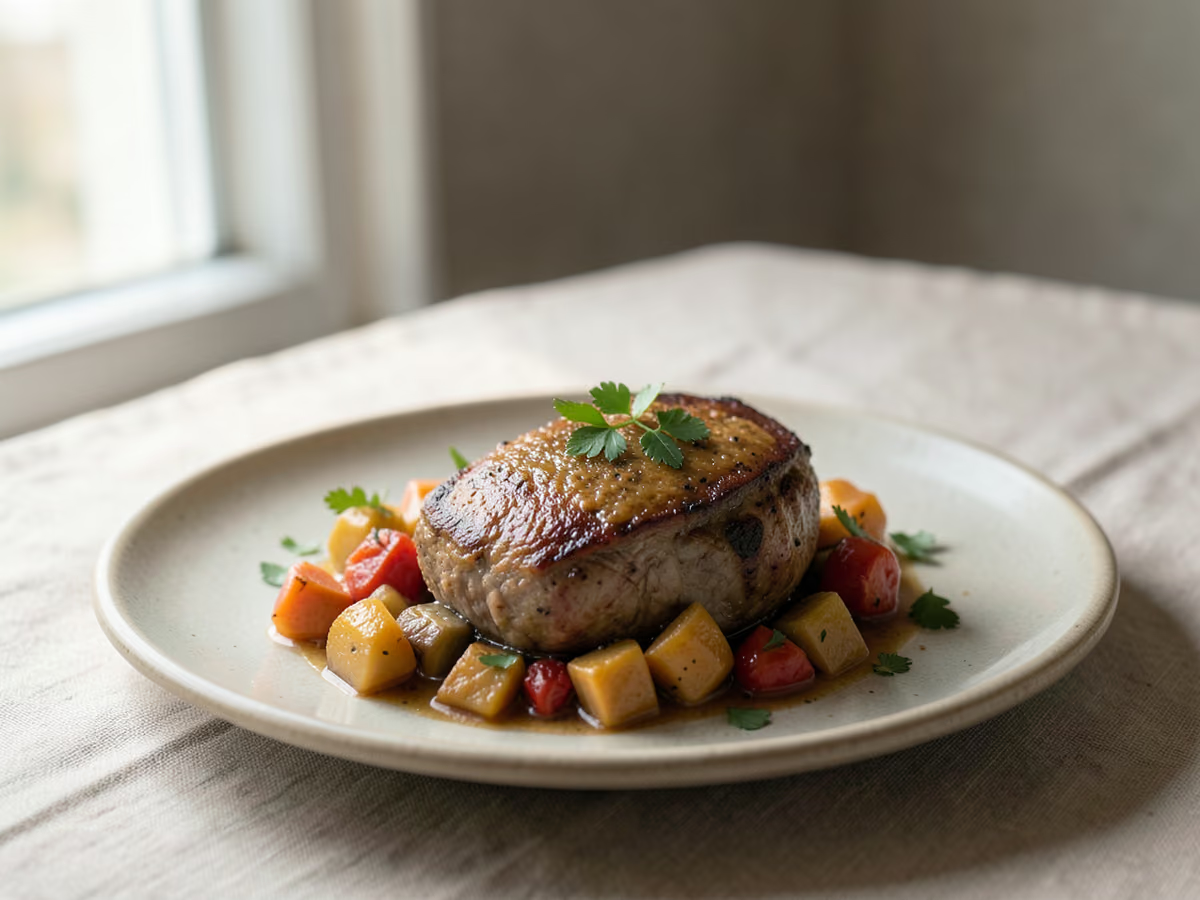
Return the shanks to the sauce to warm through for 2 minutes, or plate them directly. Spoon the glossy sauce over each shank, scatter the gremolata generously on top and serve immediately.
Kitchen notes
Kitchen notes
- The most common mistake is skipping the sear or crowding the pan: shanks need a deep golden crust for flavour, so sear in batches and give them space.
- Do not let the braise boil: a hard boil makes the meat stringy and the sauce greasy. Keep it at a lazy simmer, and check after 2 hours because ovens vary.
- Tie the shanks with twine before cooking if they are not already tied; this keeps the meat attached to the bone and stops it falling apart during the long braise.
- For the silkiest sauce, strain the braising vegetables out before reducing, then return the sauce to the pot. This gives a restaurant-style glossy finish.
- Serve over saffron risotto, creamy polenta or mashed potatoes to soak up the sauce. A crisp green salad on the side balances the richness.
Substitutions
- veal shanks→beef shanks (bone-in)
- beef broth→vegetable broth
- unsalted butter→olive oil or vegetable shortening
- all-purpose flour→cornstarch or gluten-free flour blend
- dried thyme→dried oregano or rosemary
Storage & reheating
Cool leftovers within 2 hours, then store the shanks and sauce together in an airtight container in the fridge for up to 4 days. The flavour improves overnight. To reheat, place in a covered saucepan over low heat with a splash of broth, or in a 160°C oven for 20-25 minutes until piping hot. Freeze for up to 3 months in a freezer-safe container; thaw overnight in the fridge before reheating. Gremolata is best made fresh and should not be frozen.
FAQ
The questions we get asked most
Why did my osso buco turn out dry and stringy?
Dry, stringy meat almost always means the braise boiled rather than simmered, or it was cooked too long at too high a temperature. Keep the liquid at a lazy simmer and check at the 2-hour mark. The meat should be tender but still clinging to the bone; if it is shredding apart, it is overcooked.
Can I make osso buco ahead of time?
Yes, it is ideal for making ahead. Braise it fully, cool and refrigerate for up to 4 days. The flavours deepen overnight. Reheat gently in a covered pot on the stovetop or in a 160°C oven, adding a splash of broth if the sauce has thickened too much.
How do I know when the veal shanks are done?
The meat should be completely tender when pierced with a fork or thin knife, with no resistance, and it should be starting to pull away from the bone. The shank should still hold its shape on the plate. If it is still tough, return it to the oven for another 20-30 minutes and check again.
Can I use beef shanks instead of veal?
Yes, beef shanks work well but need a longer braise, usually 3 to 3.5 hours, because the meat is tougher. They also have a stronger, beefier flavour. Keep the same liquid ratio and check for tenderness after 3 hours.
What is gremolata and can I make it in advance?
Gremolata is a fresh condiment of chopped parsley, lemon zest and garlic. It is best made just before serving because the garlic and lemon lose their brightness after a few hours. If you must prep ahead, mix the parsley and zest up to 4 hours ahead and add the garlic at the last minute.
Why is my braising liquid greasy or thin?
Greasiness comes from not skimming the fat or from boiling the braise. After cooking, tilt the pot and spoon off excess fat, or chill the sauce and lift off the solidified fat. If the sauce is thin, simmer it uncovered until it coats a spoon; if it is too thick, add a little broth.
Can I freeze osso buco?
Yes, freeze the cooled shanks and sauce together in an airtight container for up to 3 months. Thaw overnight in the fridge, then reheat gently. The texture of the meat may soften slightly after freezing, but the sauce freezes very well. Do not freeze the gremolata.
Ask KitchenMind about this recipe
Tell it what’s different tonight — it works within the actual recipe.